
ATEX Sensor

What Is an ATEX Sensor?

The use of technology in agriculture has greatly advanced in recent years, resulting in increased efficiency, improved yields, and reduced labor costs. One area where technological advancements have made a significant impact is in the use of sensors to monitor and control various aspects of farming operations. Among the latest innovations in this area are capacitive sensors, which have been approved by ATEX for use in agriculture; so-called ATEX sensors.

Understanding the ATEX Directive

ATEX (ATmosphères EXplosibles) is a European Union directive that sets out the requirements for equipment used in potentially explosive atmospheres. The directive aims to ensure that equipment used in such environments is designed and manufactured to prevent explosions and limit their impact on the surrounding area.

How Capacitive Sensors Work

Capacitive sensors are sensors that measures changes in capacitance, which is the ability of a material to store an electric charge. In agriculture, capacitive sensors are used for general detection of feed, grain, and solids among other things. A capacitive relay sensor is typically used as empty, full, and level indicator in tanks, silos, and containers during the emtying and filling process.

Why ATEX Approval Matters

ATEX approval of capacitive sensors for use in agriculture is significant because it means that these sensors meet the safety standards required for use in potentially explosive environments. This is particularly important in the case of installation where dust poses an imminent explosion risk classified according to Zone 20 and 21. Examples of this kind of environment could be in broiler houses or in flour production.

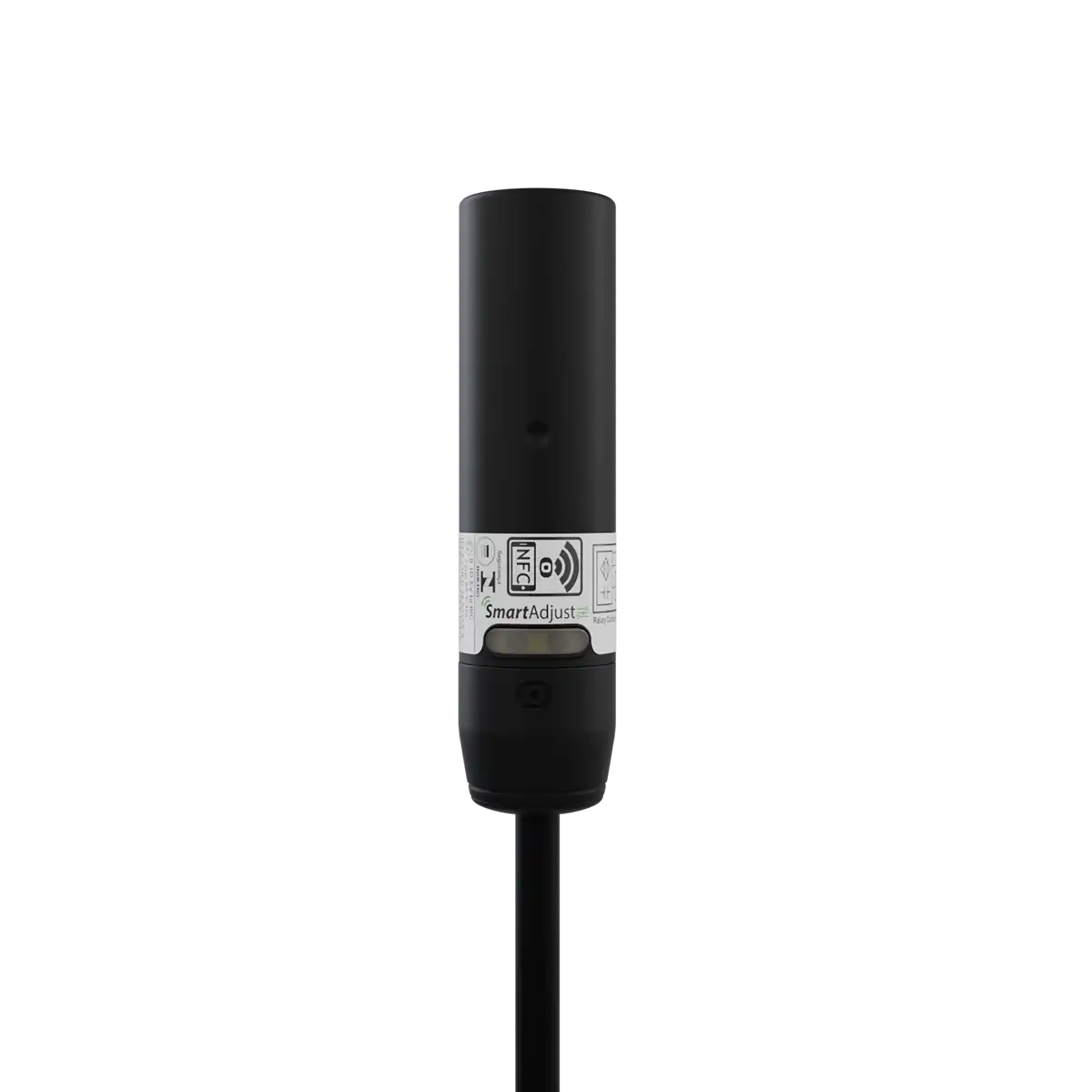
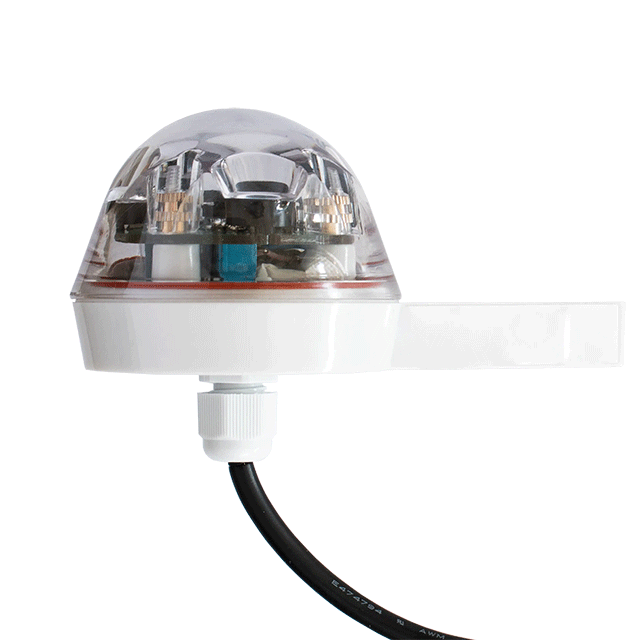
The image here shows iDOL 46 ATEX Proximity Sensor mounted.

Why Robust Sensor Design Matters
Discover how hardened sensor designs withstand dust, humidity, aggressive gases, and demanding livestock environments while ensuring reliable long-term performance.
→ Read:
Robust Sensors

Precise And Reliable Measurements

The use of ATEX-approved capacitive sensors in agriculture can help to improve the accuracy and efficiency of farming operations. By providing precise and reliable measurements of various parameters, such as the level of feed in a silo or the moisture content of grain, these sensors can help farmers to optimize their production processes and reduce waste.

For example, by using capacitive sensors to monitor the level of feed in a silo, farmers can ensure that their animals are fed on a regular schedule without overfilling the silo or allowing it to run empty. This can help to reduce feed costs and improve animal health and productivity.

iDOL 46 ATEX approved Capacitive Sensor is specially designed for agricultural purposes.

ATEX Approved Sensors In Other Industries

In addition to their use in agriculture, ATEX-approved capacitive sensors are also used in a wide range of other industries, including chemical processing, oil and gas, and mining. In these industries, these sensors are used to monitor and control various processes in potentially explosive environments, such as the filling and emptying of tanks, the mixing of chemicals, and the processing of flammable materials.

Applications of ATEX Proximity Sensors

In agriculture and industrial facilities there are several applications where explosive atmospheres may be present, making ATEX sensors indispensable. For example, in facilities that store and handle grain, grain dust, which is a potential source of explosion, is often encountered. ATEX sensors in these environments are crucial for monitoring and controlling the filling and emptying of grains, ensuring safe operation in silos, conveyors, and processing units.

Accurate Measurements
Learn how continuous monitoring helps producers identify developing production challenges through changes in water consumption, growth performance and other key production indicators.

Accurate Measurements

In the modern age of agriculture, precision and efficiency are paramount to ensure sustainable production and animal welfare. Our sensors play a crucial role in monitoring and managing various parameters, ranging from temperature and humidity to air quality and feed consumption. The accuracy of measurements from these sensors is of utmost importance, as it directly impacts the well-being of animals, operational efficiency, and overall farm productivity.

Enhancing Animal Welfare

The well-being of animals is a top priority for ethical and efficient livestock farming. Accurate sensor measurements help maintain optimal environmental conditions within livestock houses. Our DOL 114 temperature and humidity sensor, for instance, ensure that animals are kept in a comfortable climate, reducing stress and minimizing the risk of diseases. Animals that are exposed to extreme temperature fluctuations are more susceptible to illnesses, and this can lead to economic losses for farmers or farm managers as well. By continuously monitoring these conditions and making necessary adjustments, farmers can ensure the comfort and health of their livestock.

Ammonia Sensors
Learn how continuous monitoring helps producers identify developing production challenges through changes in water consumption, growth performance and other key production indicators.

The Impact of Ammonia on Poultry Production

It is well-proven that air polution due to high ammonia levels in broiler production results in a higher FCR, lower gain, and poorer animal welfare. Birds being exposed to high levels of ammonia can suffer from respiratory diseases, ammonia blindness, infections with Newcastle, the bronchitis virus and parasites, burned skin and feed, nutritional stress, suffocation, and even death. These sufferings will of course decrease production and increase breeding costs.

Why Continuous Ammonia Monitoring Matters

Early action benefits the productivity of the broilers as well as animal welfare. Thus, constantly monitoring the level of ammonia is essential for the poultry production. Furthermore, monitoring the level of humidity is also important, since a too high level of humidity in the livestock house can cause formation of ammonia.

There are different ways to minimize the level of ammonia in a poultry production. One is ensuring a good quality of litter, air flow and ventilation in the house, a low level of humidity, and keeping the temperature down. Minimizing the level of ammonia have a major impact on the financial yield of the production. In fact, studies* have shown that ammonia concentrations as low as 25 ppm can reduce bird weights at 28 days of age by 2-7% while 50 ppm ammonia has been shown to reduce bird weights from 16-19%. An increased ammonia concentration can cut profits by $3,000 or more per batch in a livestock house with 25,000 broilers.

With dol-sensors’ ammonia sensors you can continuously monitor ammonia levels with great accuracy. Combined with a farm controller, the ammonia sensors can help ensuring automation of the ventilation system.

*Source: “Ammonia in the Atmosphere during Brooding Affects Performance of Broiler Chickens”, F. N. REECE, B. D. LOTT, and J. W. DEATON and “Poultry Housing Tips”, Volume 32, No. 1, University of Georgia

CO2 Sensors
Learn how continuous monitoring helps producers identify developing production challenges through changes in water consumption, growth performance and other key production indicators.

CO2 Sensors For Better Animal Welfare

Keeping a low level of CO2 (carbon dioxide) is vital to agricultural production and animal welfare. In poultry and pig farms, a too high CO2 level can cause higher feed consdumption rates and higher mortality, thus impacting the performance of the production significantly and lower profits for farmers and farm managers.

Carbon dioxide accumilation in the barn, can cause respiratory problems and even death, which means that monitoring the CO2 level is vital to the production. Controlling the ventilation and eliminating CO2 in the house is one of the most important factors in poultry and pig production.

In addition, high levels of CO2 can cause stress and discomfort for the animals, leading to aggressive behavior and increased risk of injury. By monitoring the CO2 level and controlling the ventilation, farmers and farm managers can create a more comfortable and healthy environment for their animals, reducing the risk of disease and improving overall welfare.

Selected Sensors

Documents

English
Technical Information
iDOL 46 ATEX_Technical Information_EN
English
Technical User Guide
iDOL 46R Technical User Guide_EN
English
Leaflet
iDOL 46_Onepager
English
Leaflet
iDOL 46 accessories
English
Declaration
DOL 46 - iDOL 46R Declaration_EU_UKCA_EN
English
Leaflet
Capacitive Brochure

Join our newsletter

Stay ahead in livestock production.

Join our newsletter and get industry insights, expert perspectives, and practical strategies for optimizing performance and efficiency.