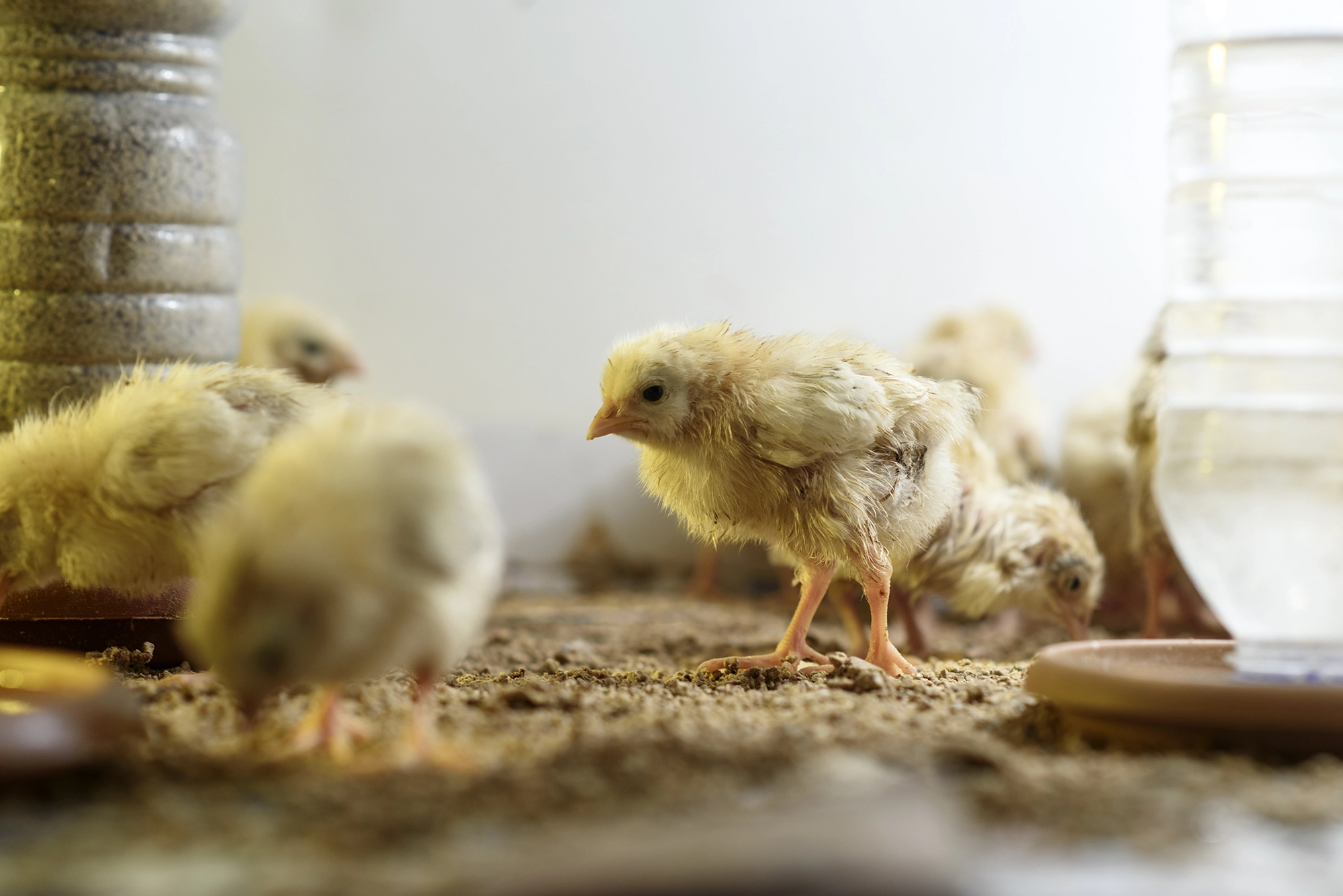
Decrease Low Weight Gain

Understanding the Impact of Ammonia on Poultry Weight Gain and Performance

In modern poultry production, achieving optimal growth and uniform flock performance is essential for profitability and animal welfare. When birds fail to reach expected body weight or show uneven growth, producers often focus on nutrition and genetics. However, one critical environmental factor that is frequently underestimated is ammonia concentration within the poultry house.

Ammonia is produced when nitrogen in manure breaks down, particularly in warm and moist litter conditions. If ventilation and litter management are inadequate, ammonia can accumulate rapidly, negatively affecting bird health, feed efficiency, and growth performance. In this article, we examine how elevated ammonia levels impact poultry weight gain and outline strategies to reduce its harmful effects.

Respiratory Health Risks

Ammonia is a strong irritant to the respiratory system of poultry. Birds have a highly sensitive respiratory tract, and prolonged exposure to elevated ammonia levels can damage the lining of the trachea and air sacs. This irritation increases susceptibility to respiratory infections and reduces the efficiency of oxygen exchange.

Compromised respiratory function often leads to reduced feed intake and lower activity levels. Birds experiencing respiratory discomfort may eat less and divert energy away from growth toward maintaining basic physiological functions, resulting in poorer weight gain and uneven flock development.

Stress and Immune Suppression

High ammonia concentrations act as a chronic stressor for poultry. Continuous exposure can trigger physiological stress responses that suppress immune function and increase vulnerability to disease. Stress-related hormonal changes can negatively influence growth regulation and nutrient utilization.

Birds under prolonged environmental stress often show reduced appetite and impaired growth efficiency. Over time, this leads to lower average body weight, increased variability within the flock, and reduced overall production performance.

Impaired Nutrient Utilization and Feed Efficiency

Elevated ammonia levels can indirectly affect nutrient utilization by damaging respiratory health and increasing maintenance energy requirements. When birds must expend additional energy coping with environmental stress, fewer nutrients are available for muscle development and growth.

Poor air quality is also closely linked to wet litter conditions, which can negatively affect gut health and increase the risk of secondary infections. Even when feed quality and formulation are optimal, ammonia exposure can reduce feed conversion efficiency, resulting in slower growth and higher production costs.

Reducing the Impact of Ammonia in Poultry Houses

Effective ammonia control relies on a combination of proper ventilation, moisture management, and litter quality control. Adequate air exchange removes harmful gases, while maintaining dry litter reduces ammonia formation at its source.

The use of climate sensors to monitor ammonia, humidity, and temperature provides valuable real-time data for automated ventilation systems. By responding quickly to changing conditions, producers can maintain healthy air quality, protect bird welfare, and support optimal weight gain and flock performance.

How To Reduce Labour in Poultry Production
Discover how automated feeding, climate control, intelligent sensors, and management software can reduce the feeding costs in your poultry production.

Strategies to Mitigate Ammonia-Related Low Weight Gain in Poultry Production

Proper Ventilation

Effective ventilation is the primary tool for maintaining good air quality and controlling ammonia levels in poultry houses. Well-designed ventilation systems ensure sufficient air exchange to remove excess moisture, ammonia, dust, and carbon dioxide while maintaining stable temperatures and air velocity.

Uniform airflow throughout the house is especially important in poultry production to prevent localized ammonia buildup at bird level. Proper ventilation supports respiratory health, reduces stress, and helps birds maintain normal feeding behavior — all of which are essential for optimal weight gain and flock uniformity.

Ammonia and Litter Management

Proactive ammonia management in poultry houses starts with effective litter control. Ammonia is produced when moisture and manure accumulate in the litter, particularly under drinker lines and in poorly ventilated areas.

Regular litter inspection, timely removal of caked litter, and the use of dry, absorbent bedding materials such as wood shavings or chopped straw help limit ammonia formation. Proper drinker management to prevent water spillage is also critical in maintaining dry litter and low ammonia levels.

Environmental Control

Maintaining optimal environmental conditions is essential for minimizing stress and supporting efficient growth in poultry. Continuous monitoring of temperature, humidity, and ventilation rates ensures that birds remain within their thermal comfort zone.

High humidity combined with inadequate ventilation accelerates ammonia release from litter. Automated climate control systems help balance temperature and moisture removal, creating a stable environment that supports feed intake, growth performance, and bird welfare. Appropriate stocking density and uniform bird distribution further reduce localized moisture and ammonia buildup.

Nutritional Management

Optimizing poultry nutrition can help birds cope better with environmental challenges, including elevated ammonia levels. Diets formulated with the correct balance of energy, protein, amino acids, vitamins, and minerals support immune function and growth efficiency.

Feed additives such as enzymes, probiotics, organic acids, and functional fibers can improve gut health and nutrient absorption. Healthier digestive function allows birds to utilize nutrients more efficiently, helping to maintain weight gain and feed conversion even under suboptimal environmental conditions.
Increased Production With Robust Sensors
Learn how continuous monitoring helps producers identify developing production challenges through changes in water consumption, growth performance and other key production indicators.

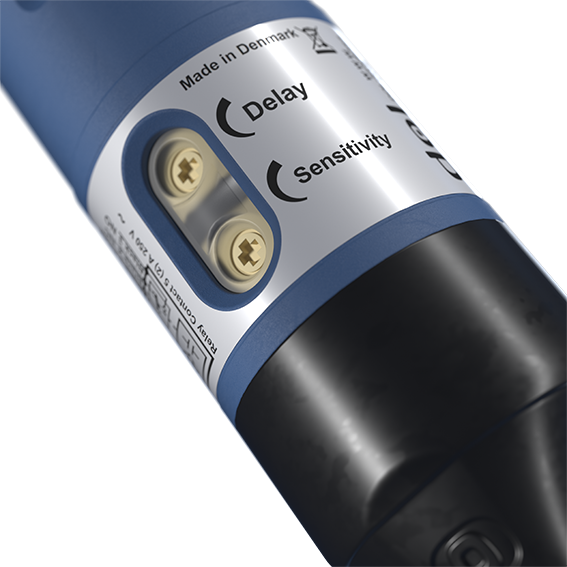
Using robust sensors in livestock production can help you increase production. Robust sensors need less maintenance and last longer.

Our sensors are specially designed for the harsh environment in livestock houses and withstand dust, high humidity, temperature swings, and high levels of ammonia.

By monitoring the climate and keeping it consistent and optimum for the animals the production outcome increases. Keeping track of the FCR also help raising the production.

Busting the Most Common Poultry Myths
Learn how continuous monitoring helps producers identify developing production challenges through changes in water consumption, growth performance and other key production indicators.

Poultry farming is full of ideas that have been repeated for years, but not all of them hold up in modern production. As genetics, housing, and management practices evolve, it becomes increasingly important to challenge old assumptions and understand what truly drives flock health and performance.

Myth 1: The Birds Will Show You When Something Is Wrong

Poultry are prey animals, and they instinctively hide early signs of stress or illness. By the time symptoms become visible, the issues have often been developing for quite some time.

  • Early changes in behavior or environment are easy to miss
  • Relying only on visual checks often leads to late reactions
  • Continuous monitoring helps catch problems long before they escalate

Myth 2: Ventilation Is Only a Winter Concern

Many believe barns should be closed in colder weather to keep birds warm, but poor air exchange quickly creates new problems.

  • Humidity, ammonia, and CO₂ rise fast when airflow drops
  • These invisible changes affect growth, comfort, and respiratory health
  • Good ventilation is essential all year - not just in winter

Myth 3: More Feed Means Better Growth

Modern birds don't grow better simply because more feed is available.

Avoid High Mortality In Poultry Production
Learn how continuous monitoring helps producers identify developing production challenges through changes in water consumption, growth performance and other key production indicators.

One of the most concerning challenges faced by poultry producers is high mortality rates, which not only affect profits but also indicate underlying issues in management, disease control, and environmental conditions. However, with proper planning, management, and proactive measures, it’s possible to mitigate mortality rates and sustain a healthy poultry operation.

Adequate Ventilation

Create a comfortable and stress-free environment for your poultry by providing well-ventilated housing that protects them from extreme weather conditions. Proper ventilation helps remove excess moisture, CO2, and ammonia from the air, reducing the risk of respiratory diseases.

Exposure to excessive heat or cold stress can weaken the immune system, making birds more susceptible to diseases and increasing mortality rates. Thus, adequate ventilation is vital to ensure the right temperature in the poultry house.

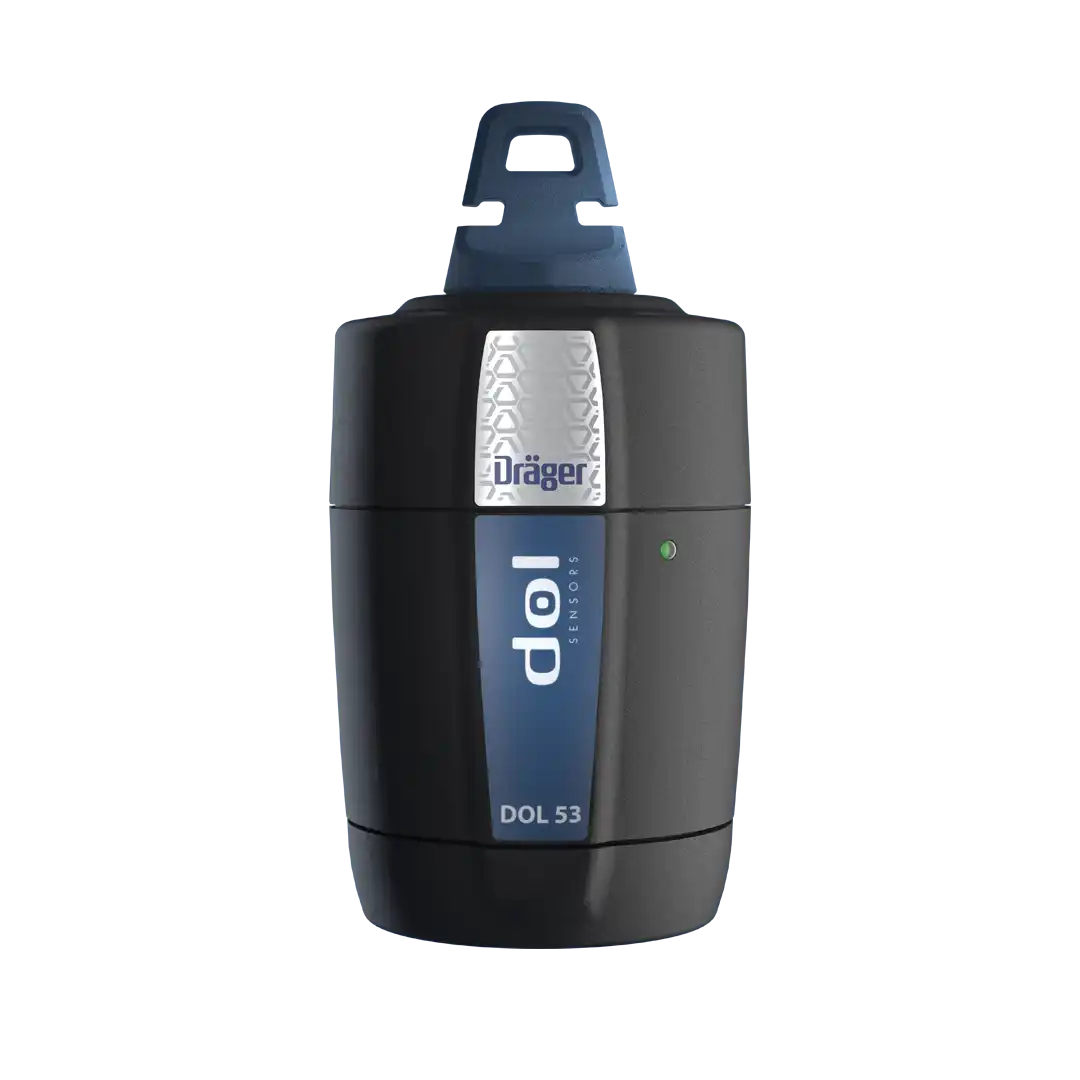
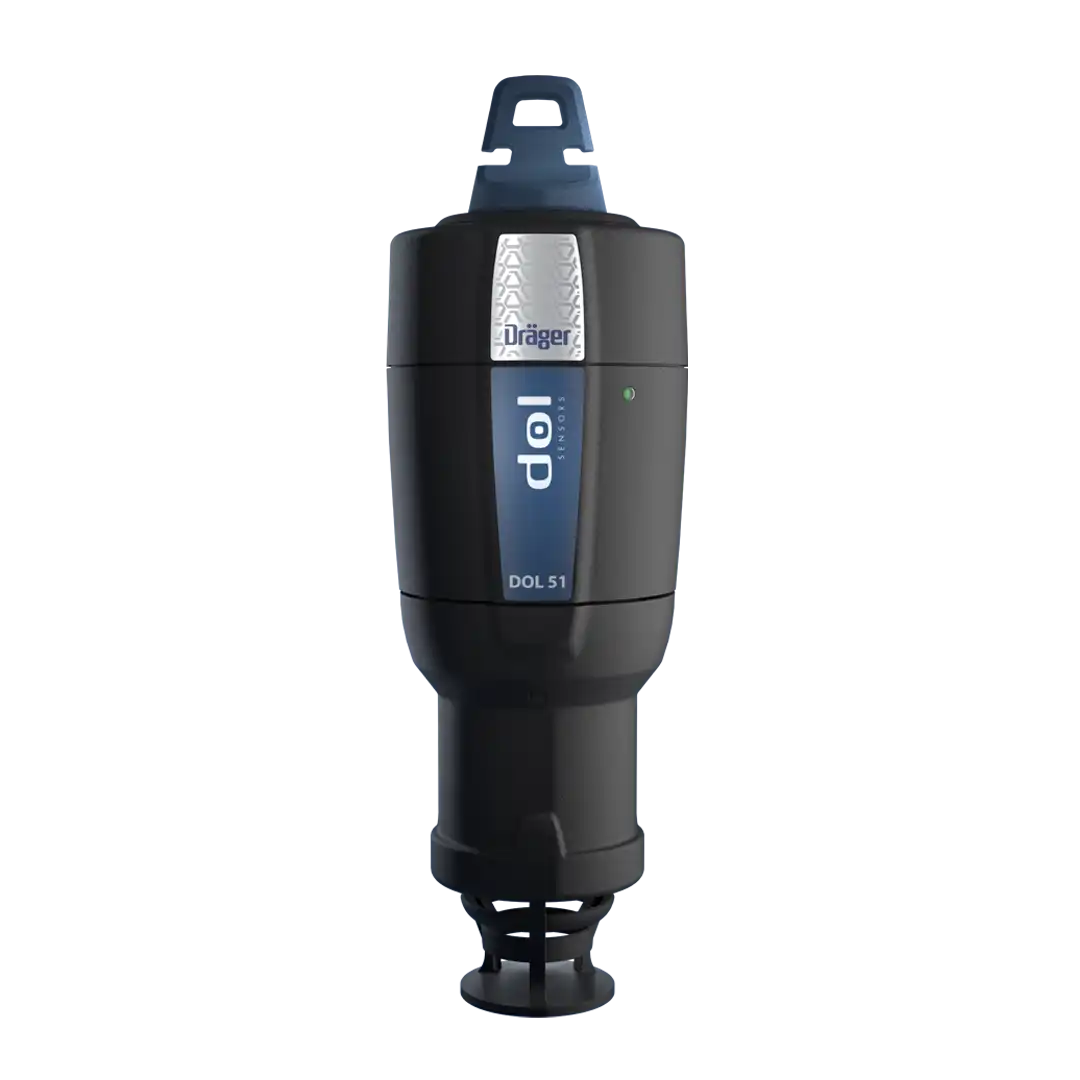
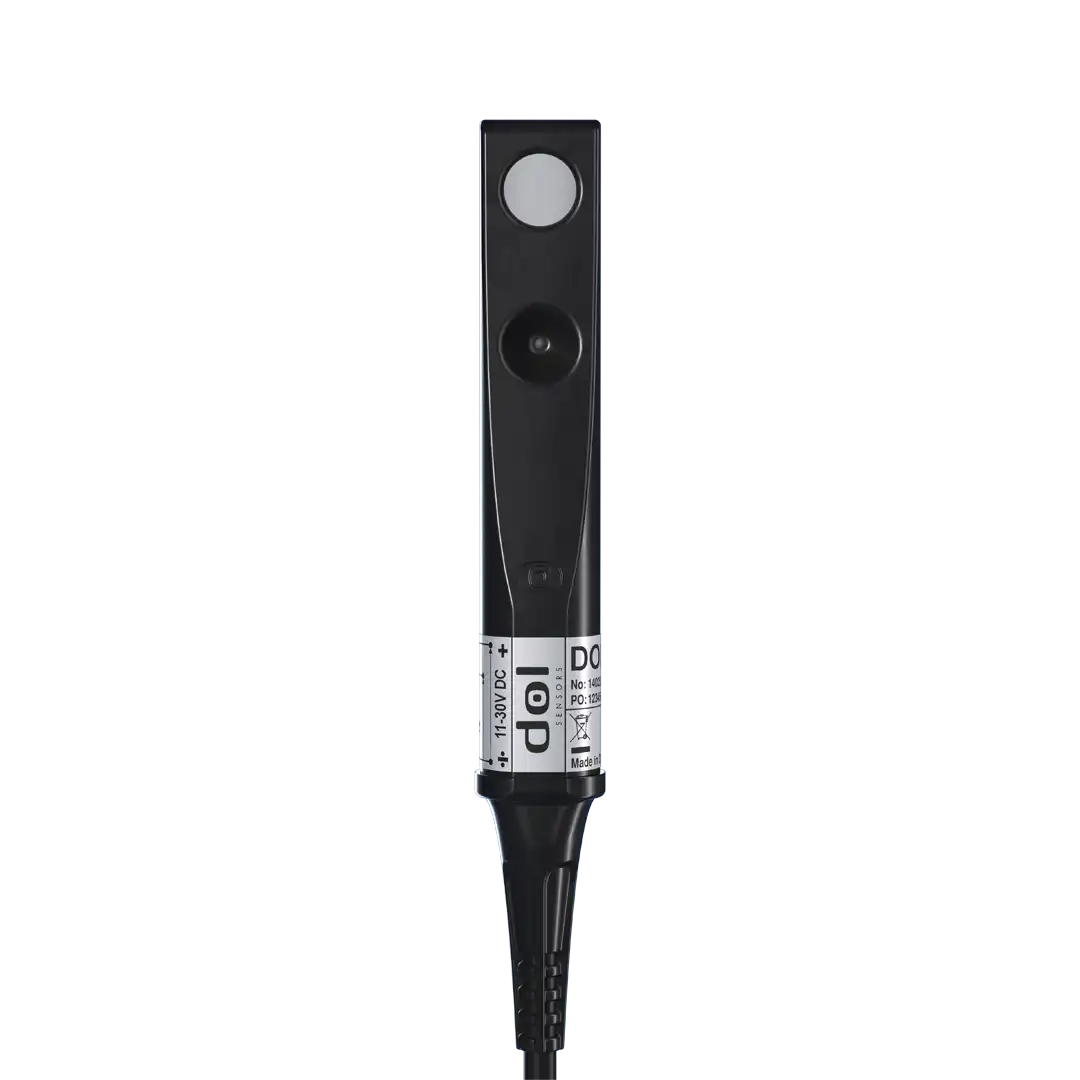
Climate sensors provide your ventilation system with data on humidity, CO2, and ammonia levels ad well as the temperature in different reas of the house.

Selected Sensors

Documents

English
Leaflet
Onepager DOL 53 Ammonia sensor
English
Leaflet
Climate brochure Pig
English
Leaflet
Corporate brochure Pig

Join our newsletter

Stay ahead in livestock production.

Join our newsletter and get industry insights, expert perspectives, and practical strategies for optimizing performance and efficiency.