How to Reduce Feeding Costs in Poultry Production

Feed accounts for up to 70% of total production costs in poultry farming, making it the single largest expense for most producers. With fluctuating ingredient prices and increasing competition, finding effective ways to reduce feed costs—without compromising bird health or productivity—is essential for profitability.

Here are five expert strategies to help you cut feeding costs and improve efficiency on your poultry farm.

1. Consult Poultry Feeding Experts for Smarter Formulation

One of the most effective ways to cut feed costs without hurting performance is to work with qualified poultry nutritionists or feeding experts. These professionals understand how to balance nutrients efficiently while using locally available and affordable ingredients.

A feeding expert can:

  • Help you design least-cost rations that meet your birds’ nutritional needs.
  • Identify suitable alternative feed ingredients (like cassava, sorghum, palm kernel cake, or sunflower meal).
  • Analyze ingredient nutrient profiles to ensure you’re not overfeeding expensive nutrients.
  • Continuously adjust feed formulas as market prices and ingredient availability change.

By relying on expert advice instead of guesswork, farmers can achieve better feed efficiency, maintain bird health, and save significantly on overall feed expenses.

2. Minimize Feed Wastage

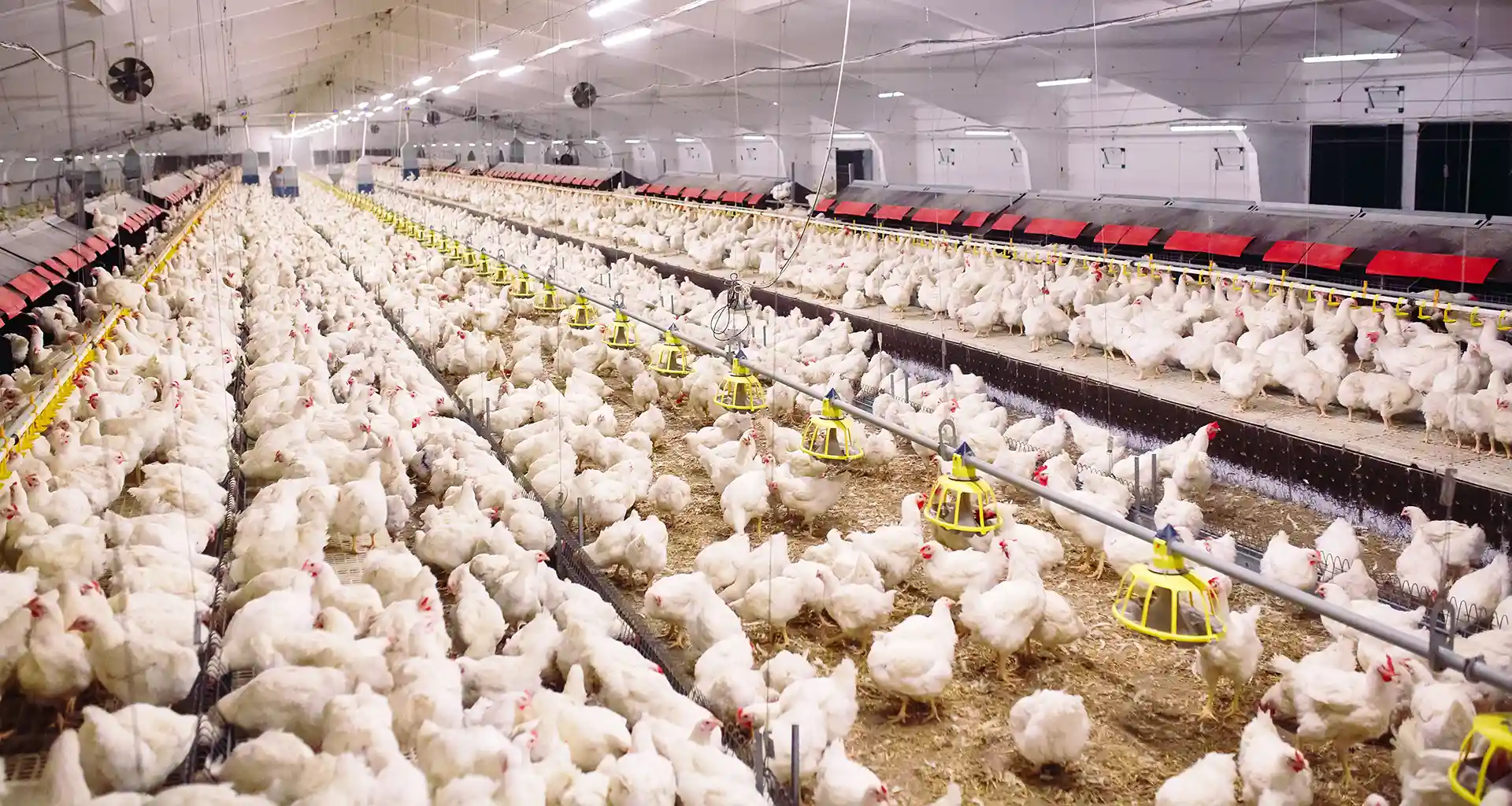
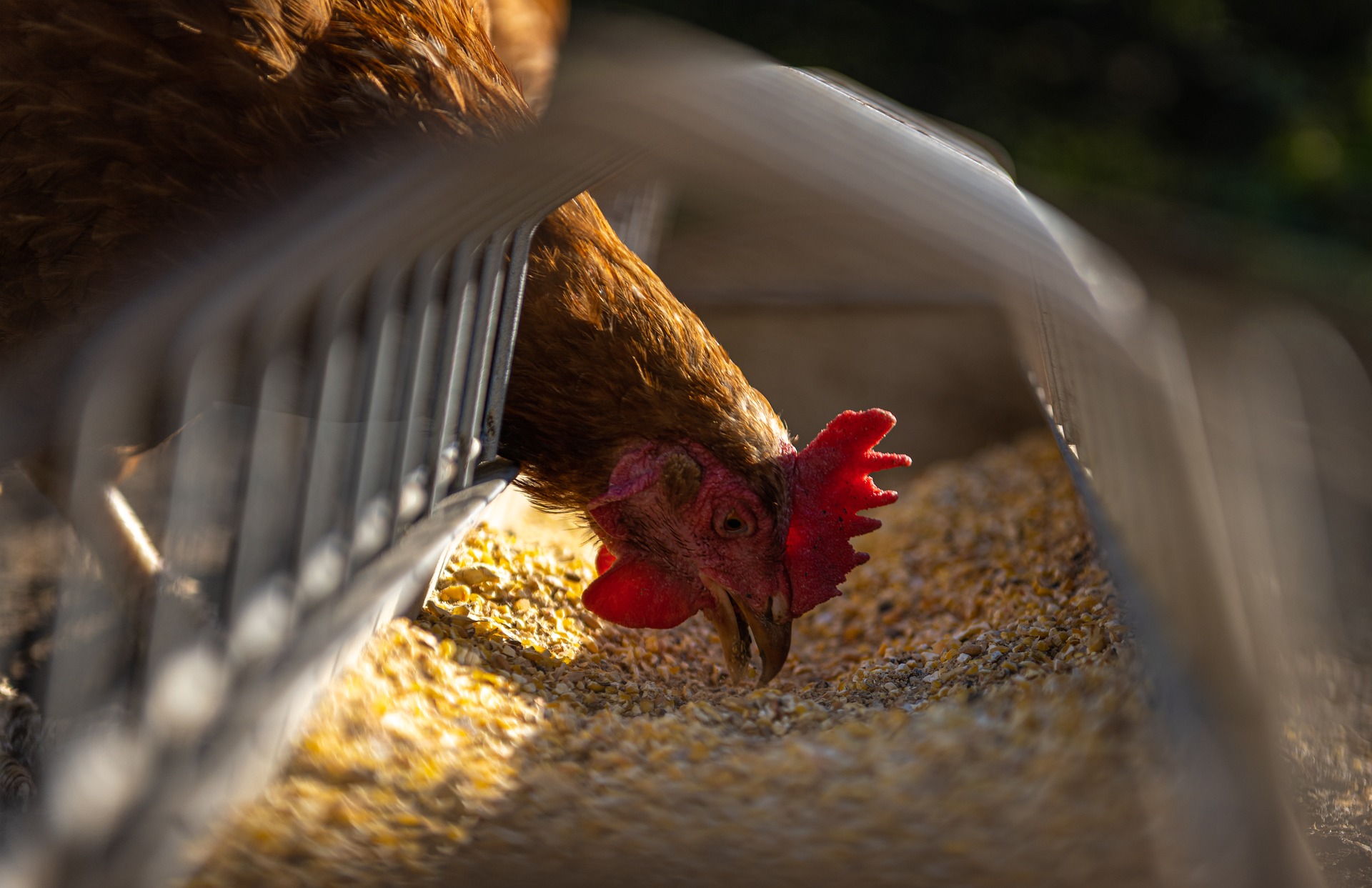
Even the best feed formulation is useless if much of it ends up on the floor. Feed wastage can silently drain profits, sometimes accounting for 5–10% of total feed losses.

Here’s how to reduce waste:

  • Use feeders with proper design and adjustable height to minimize spillage.
  • Fill feeders only up to two-thirds full.
  • Raise feeder levels as birds grow to avoid scratching out feed.
  • Keep feed storage areas dry, cool, and pest-free to prevent spoilage and contamination.

Simple management changes like these can save thousands of dollars over time.

3. Adopt Phase Feeding Programs

Birds have different nutritional needs at each stage of growth. Using the same feed throughout their life leads to waste and inefficiency.

Phase feeding means adjusting feed composition based on the bird’s age and production stage—for example:

  • Starter, grower, and finisher diets for broilers
  • Pre-lay, peak-lay, and post-peak diets for layers

By tailoring nutrients to each phase, farmers can save 5–8% in feed costs while maintaining growth rates and egg production.

Reduce Feeding Costs in Poultry Production
Discover practical strategies to reduce feed waste, improve feed efficiency, and lower feeding costs without compromising flock performance.

4. Use Feed Additives to Improve Nutrient Utilization

Feed additives are a smart investment for reducing feed costs and improving efficiency. Certain additives help birds digest and absorb nutrients more effectively, allowing you to use a wider range of feed ingredients without compromising performance.

Enzymes, for example, can break down complex components in feed—such as fiber and phytates—making nutrients more available for absorption. Probiotics and organic acids also support gut health, which enhances digestion and feed conversion.

When properly used, feed additives can reduce feed cost per kilogram of gain by 3–7% and improve overall flock performance. Always consult a poultry nutrition expert before introducing new additives to ensure correct dosage and compatibility with your feed formulation.

5. Strengthen Flock Health and Management

Healthy birds eat better and convert feed more efficiently. Poor flock health increases feed costs because sick birds consume feed without gaining weight or producing eggs efficiently.

To optimize feed conversion:

  • Maintain a strict biosecurity program to prevent disease outbreaks.
  • Ensure good ventilation, lighting, and stocking density.
  • Follow proper vaccination and parasite control schedules.
  • Regularly remove unproductive or chronically sick birds.

A healthy flock is the most cost-effective one.

Agricultural CO2 Sensors
Learn how continuous monitoring helps producers identify developing production challenges through changes in water consumption, growth performance and other key production indicators.

Understanding Agricultural CO2 Sensors

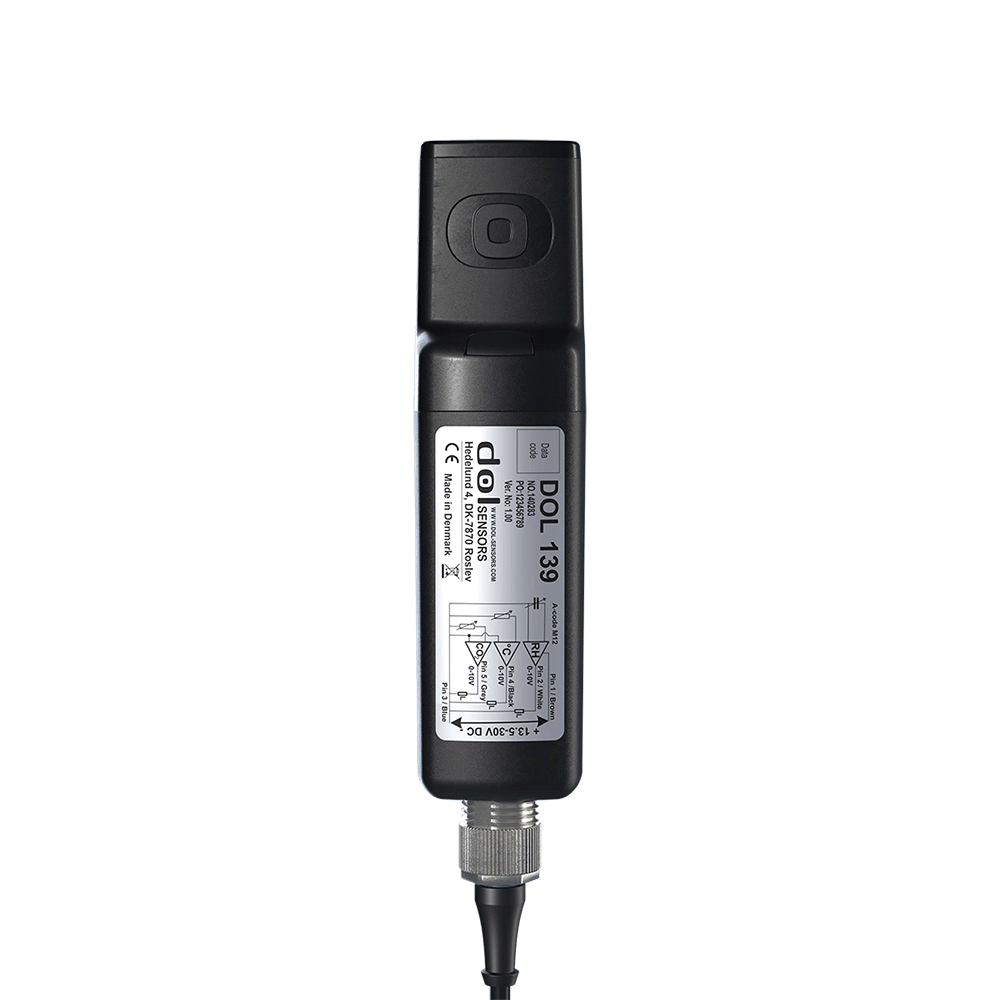
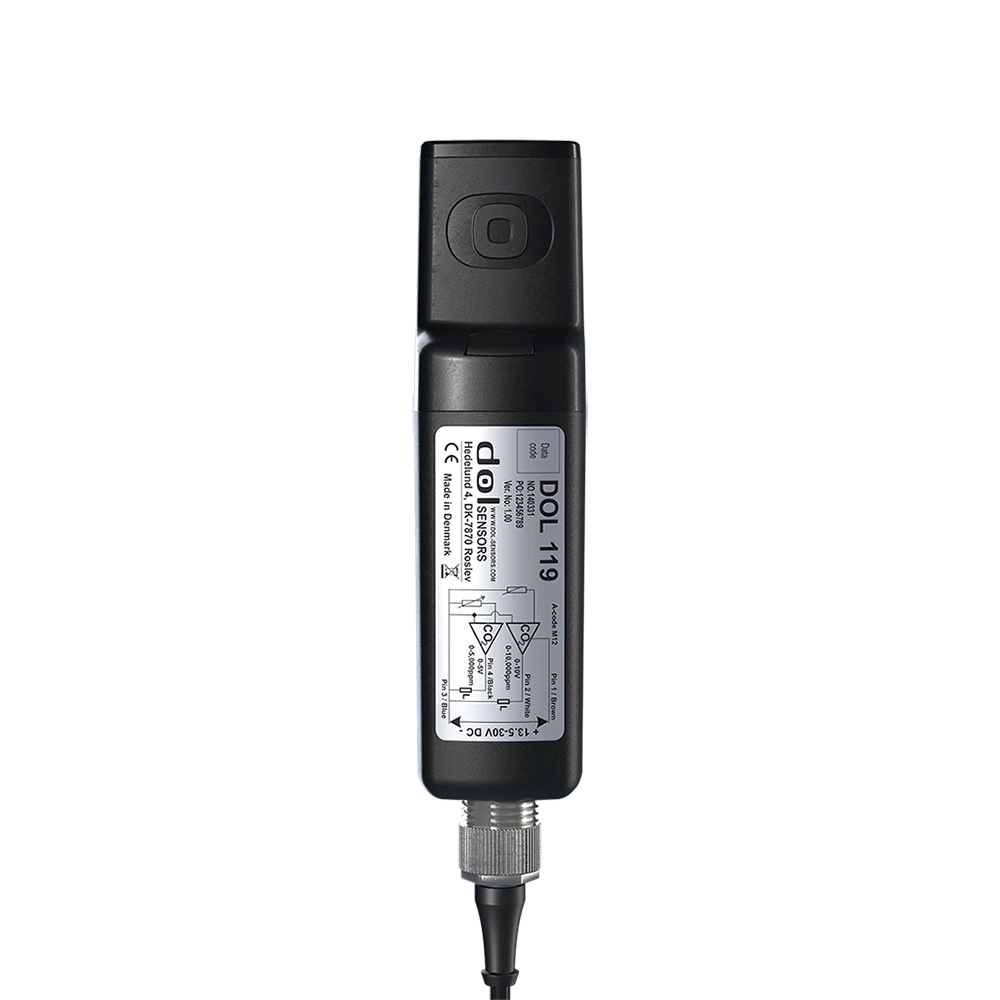
Agricultural CO2 sensors are pivotal tools in the realm of modern farming. These devices measure the concentration of carbon dioxide in the atmosphere, providing invaluable data for farmers and farm managers.

Plants absorb carbon dioxide during photosynthesis, a process that fuels their growth. Monitoring CO2 levels in a closed environment such as a greenhouse ensures that crops have an optimal environment to thrive, leading to better yields and healthier produce.

For animals, it is extremely important to maintain a low CO2 level in the atmosphere inside the livestock house. Animals are dependent on oxygen and carbon dioxide in high concentrations can give them difficulty breathing, descrease production and even raise mortality.

The Evolution of CO2 Monitoring in Agriculture

The journey of CO2 monitoring in agriculture is a testament to human ingenuity. In the early days, farmers relied on rudimentary methods and intuition to gauge the health of their crops and livestock. However, as technology advanced, so did the methods of monitoring. The introduction of CO2 sensors revolutionized farming, allowing for precision agriculture. These advancements meant that farmers could now get real-time data, leading to more informed decisions and improved crop yields and production outcomes.

Installing and Maintaining Your Agricultural CO2 Sensors

Proper installation and maintenance of agricultural CO2 sensors are crucial for accurate readings.

How to install your sensor depends on the sensors, but normally the sensor needs to be placed away from direct sunlight or any artificial light sources. Ensure the area around the sensor is well-ventilated to avoid skewed readings.

Maintaining your CO2 sensor also depends on which sensor you choose, but most sensors will need calibration and cleaning from dust and debris once in a while.

Interpreting Data and Making Informed Decisions

Data from CO2 sensors can be a treasure trove of insights, but understanding and interpreting this data correctly is paramount for its effective utilization.

To see the data from your CO2 sensor you will most likely have to connect it to some kind of controller. In livestock production the CO2 sensors are connected to a farm controller that show the farm manager updated and historical data from the sensor.

Consistent And Reliable Feed Supply In Poultry Production
Learn how continuous monitoring helps producers identify developing production challenges through changes in water consumption, growth performance and other key production indicators.

Feed supply involves the delivery of raw materials, ingredients, or mixed feed to production sites like factories, plants, or animal farming operations. Maintaining a steady and dependable supply of feed is essential for the efficient functioning of any production site and for the well-being of animals in farming contexts.

Incorporating Capacitive Sensors into Feed Supply Management

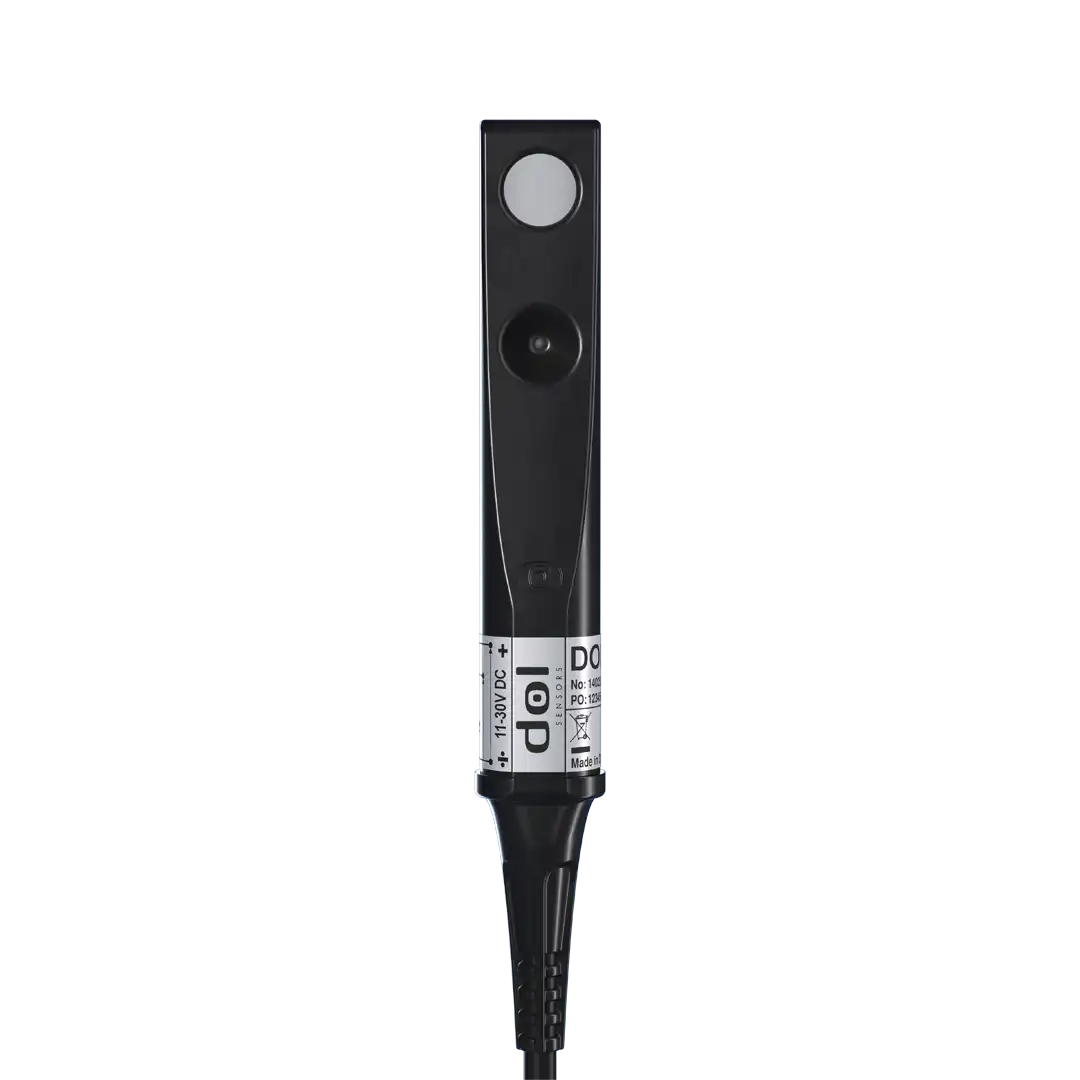
Enhancing the feed supply chain’s effectiveness can be achieved by integrating capacitive sensors. Capacitive sensors are electronic devices that measure the capacity or amount of electrical charge stored in a material. They work by detecting changes in capacitance, which is the ability of a material to store an electrical charge.

Capacitive sensors have a wide range of applications in managing feed supplies. For instance, they are effective in gauging the quantity of raw materials in storage facilities like bins, silos, or tanks. This monitoring helps in averting material shortages and guarantees uninterrupted production due to sufficient raw material or compound feed availability.

Monitoring The Flow Rate

Capacitive sensors can also be used to monitor the flow rate of raw materials being transported through pipes or conveyor belts. This can help to optimize the rate at which materials are supplied to the production process, ensuring that there is neither an excess nor a deficiency of raw materials.

Overall, the use of capacitive sensors in the feed supply process can help to improve efficiency, reduce costs, and prevent disruptions in production. They offer a reliable and cost-effective means of monitoring and controlling the flow of raw materials, ensuring that production can be maintained at optimal levels.

Improve Feed Conversion Ratio in Pig Production
Learn how continuous monitoring helps producers identify developing production challenges through changes in water consumption, growth performance and other key production indicators.

Feed Conversion Ratio (FCR) is a key performance indicator in pig production, measuring how efficiently pigs convert feed into body weight gain. A lower FCR means better efficiency, as less feed is required to produce one kilogram of live weight. Because feed represents the single largest cost in pig production, optimizing FCR is essential for improving profitability while also reducing the environmental footprint of production. Below, we outline the importance of FCR in pig farming and practical strategies to improve it.

Understanding Feed Conversion Ratio in Pig Production

Feed Conversion Ratio is defined as the total amount of feed consumed divided by the live weight gain over a specific period. In pig production, FCR is influenced by factors such as genetics, health status, housing conditions, feeding strategy, and environmental control.

Since feed costs account for a major share of total production expenses, even small improvements in FCR can result in substantial economic gains. Efficient feed utilization also reduces nutrient excretion, contributing to more sustainable pig production.

Strategies to Improve FCR in Pig Production

Effective Feed Management

Precise feed management is critical to achieving optimal FCR in pigs. Feeding strategies must be aligned with the pigs’ growth stages, nutritional requirements, and daily feeding behavior. Inconsistent feed availability or incorrect rationing can lead to reduced growth rates and poorer feed efficiency.

A reliable and continuous feed supply is essential. Accurate monitoring of feed levels helps prevent interruptions, overfeeding, and uneven feed distribution. To support this, the use of robust capacitive sensors designed for livestock environments enables precise feed level measurement in bins and silos, ensuring timely refilling and consistent feed delivery.

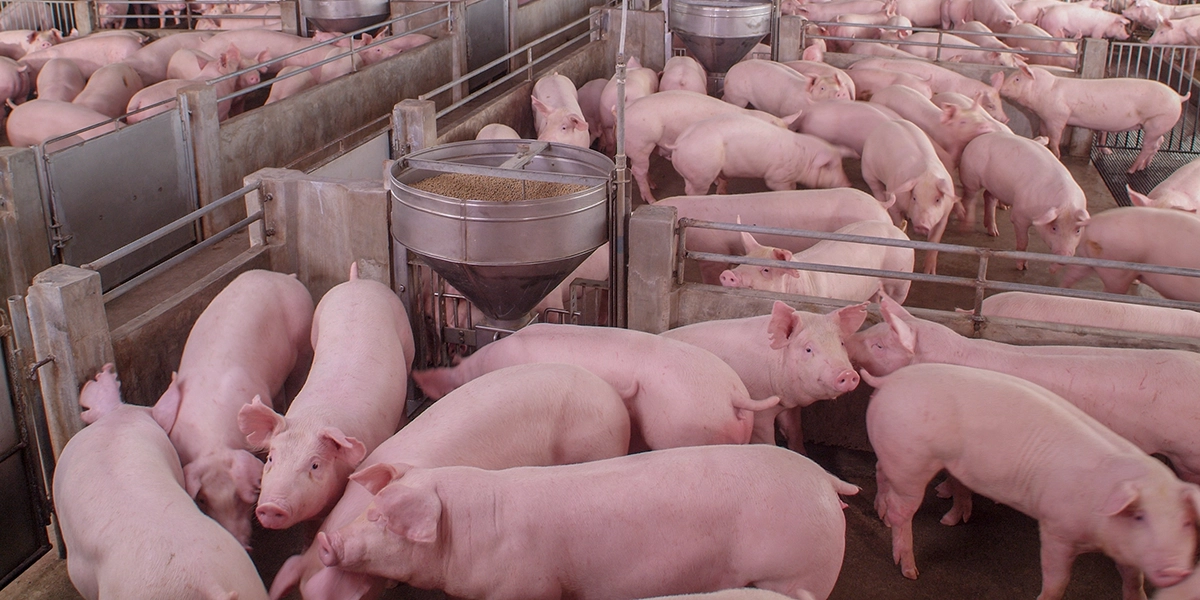
Proper feed storage is equally important. Feed quality can deteriorate due to moisture, temperature fluctuations, or spoilage, negatively affecting intake and digestibility. Well-designed storage systems and feeder designs that minimize spillage and segregation help reduce feed waste and maintain ration consistency.

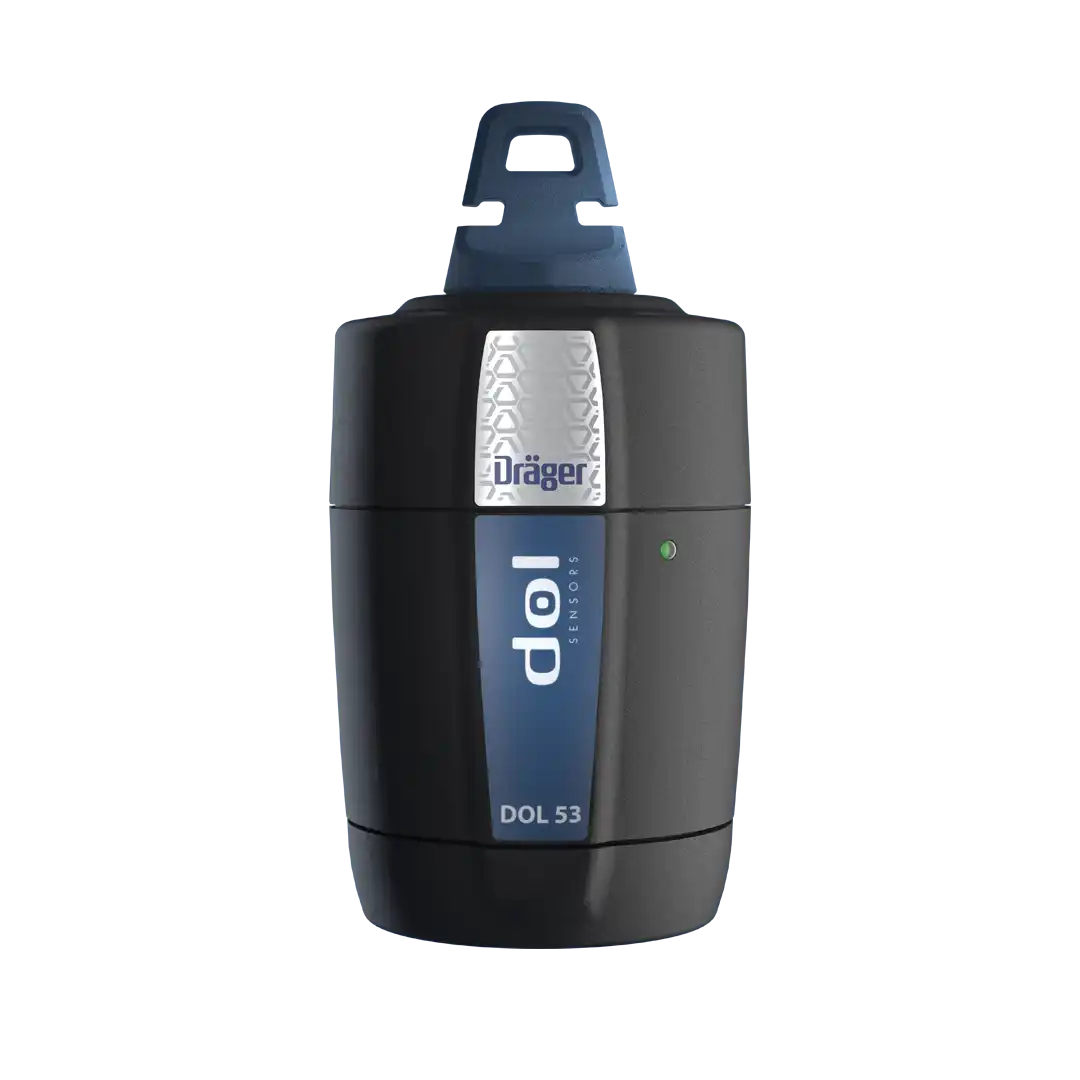
To protect stored grains and raw materials, monitoring moisture and temperature is crucial. Wireless grain sensors allow producers to detect unfavorable storage conditions early, preventing spoilage, mold growth, and nutrient losses that would otherwise compromise feed efficiency and pig performance.

Selected Sensors

Documents

No items found.

Join our newsletter

Stay ahead in livestock production.

Join our newsletter and get industry insights, expert perspectives, and practical strategies for optimizing performance and efficiency.