Protecting Sensors in Poultry Houses

Accurate sensor measurements are essential for maintaining the optimal climate in poultry houses. Temperature and humidity sensors provide the data needed to control ventilation, heating, cooling, and humidity levels. However, the harsh conditions inside broiler and layer houses can challenge sensor performance over time.

Dust, feathers, ammonia, and daily farm activity create a demanding environment for climate monitoring equipment. Choosing sensors designed specifically for agricultural applications helps ensure reliable measurements and stable climate control.

Why Sensor Maintenance Matters

Modern poultry production relies heavily on accurate environmental monitoring. Climate control systems use temperature and humidity measurements to make automatic adjustments that directly impact bird welfare and performance.

When sensors become contaminated with dust or debris, the risk of inaccurate readings increases. This can lead to:

  • Poor ventilation decisions
  • Uneven house temperatures
  • Incorrect humidity levels
  • Increased energy consumption
  • Reduced animal comfort
  • Lower production performance

Regular maintenance helps ensure that climate control systems continue to operate as intended.

Preventing Sensor Drift Due to Dust in Broiler Barns

Sensor drift occurs when measurements gradually become less accurate over time. Dust buildup is one of the most common causes in poultry production.

Producers can reduce the risk of drift by:

  • Selecting sensors designed for agricultural environments
  • Installing sensors in representative locations with good airflow
  • Performing regular inspections
  • Replacing damaged sensors when necessary

Reliable measurements support better ventilation control, improved animal welfare, and consistent production results.

How to Strengthen Bird Welfare
Discover best practices for protecting temperature and humidity sensors in dusty poultry houses.

Preventing Sensor Damage in Poultry Houses

Birds are naturally curious and may peck at equipment within their reach. This can damage sensor housings, cables, or mounting brackets.

How to protect sensors:

  • Use secure mounting solutions.
  • Position sensors where bird access is limited.
  • Choose robust sensors designed for livestock production environments.

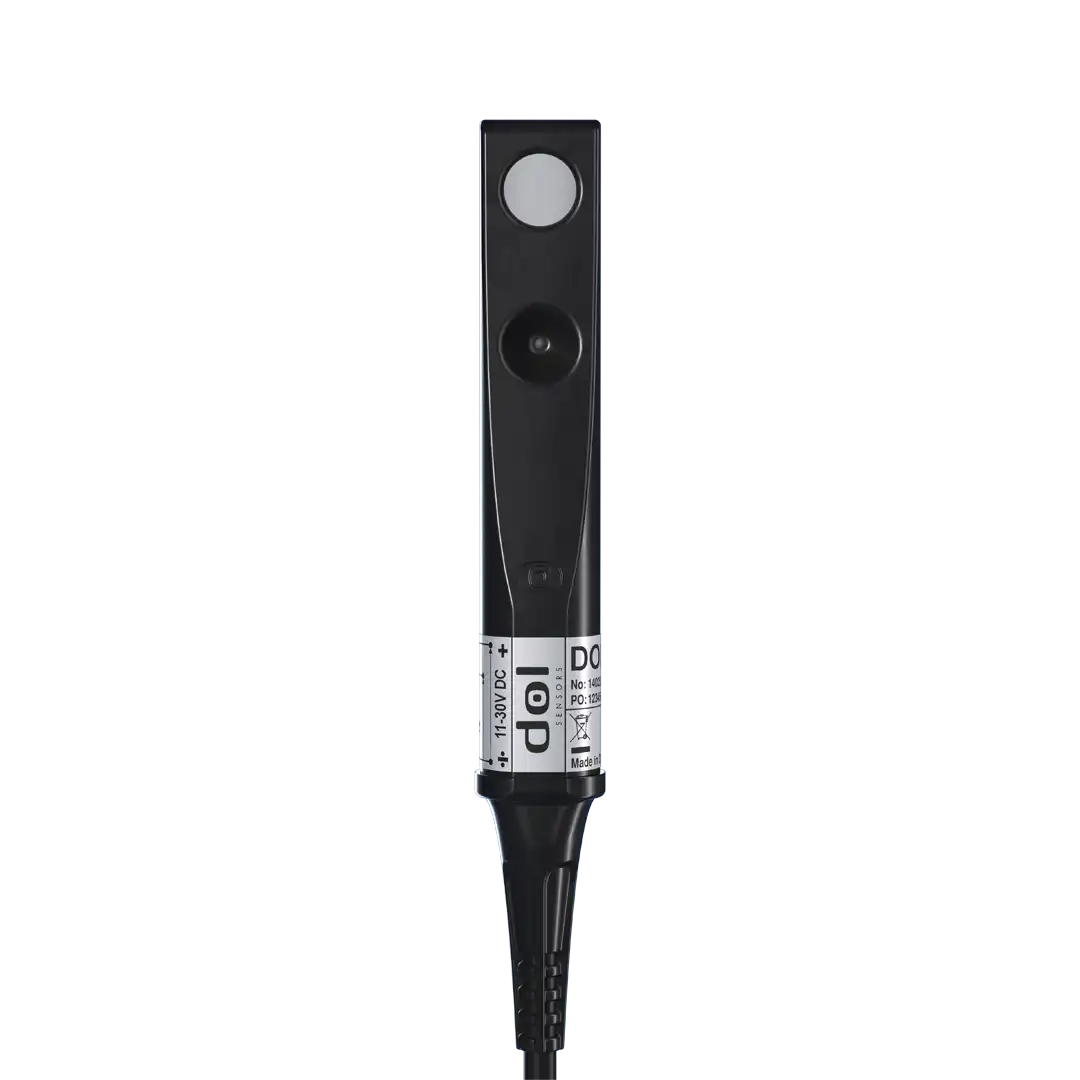
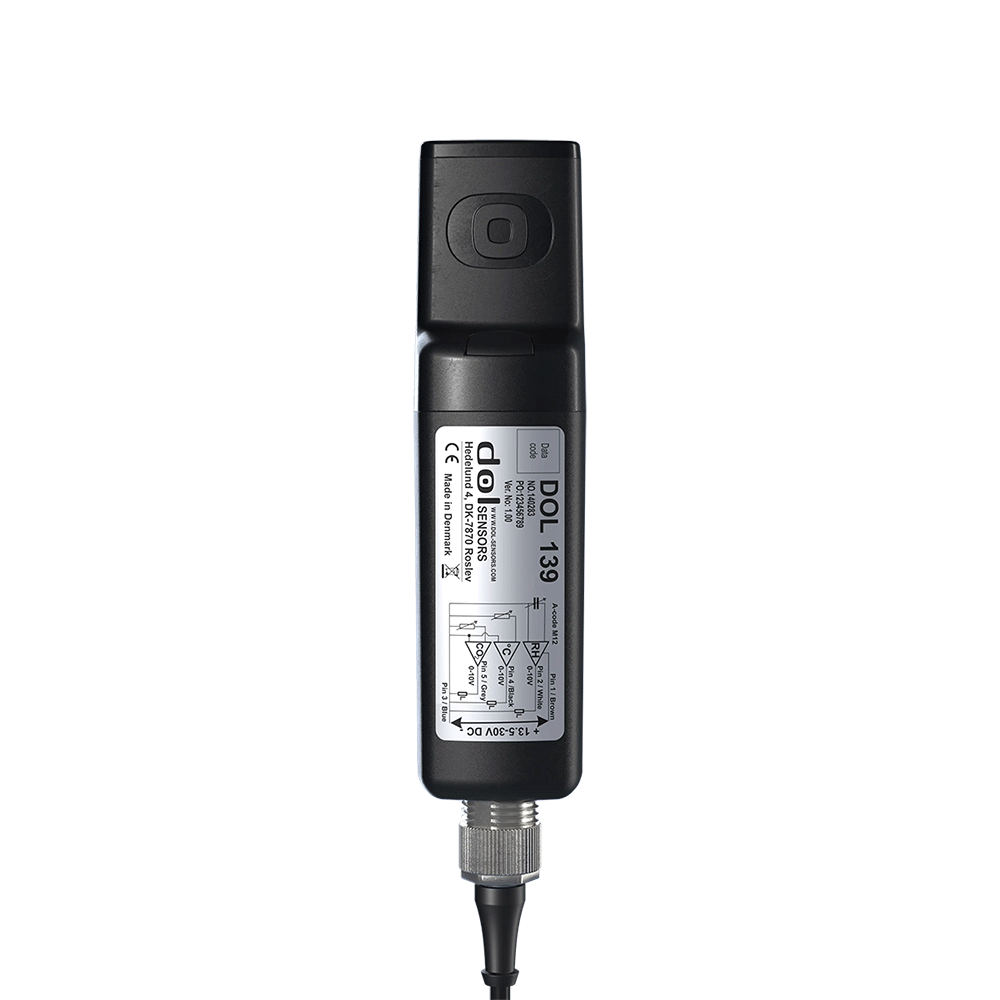
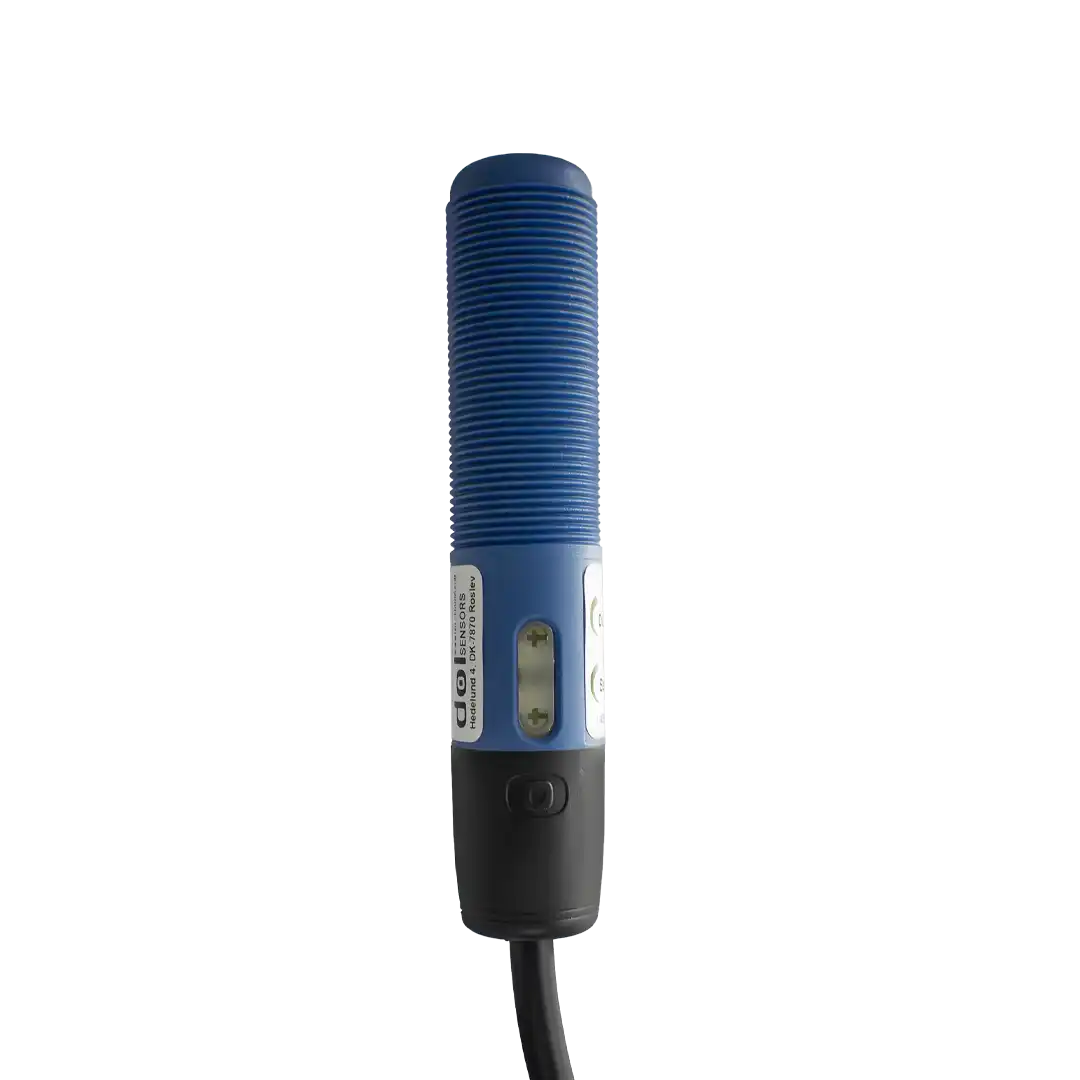
Examples are DOL 114, DOL 139, and DOL 26, which are built to withstand the challenging conditions of poultry production. For example, the DOL 26 can be supplied with cable return, making it possible to install the sensor inside the feed pan while keeping it protected from damage caused by the birds.

Proper sensor protection helps extend equipment lifespan and reduces maintenance requirements.

Accurate Sensors Enable Better Climate Control

Protected sensors deliver the reliable temperature and humidity data needed for effective poultry house climate management. By following simple maintenance routines and protecting sensors from physical damage, producers can ensure long-term sensor performance and more stable environmental conditions.

Discover dol-sensors' Capacitive Sensors

Climate Sensors Of The Future
Learn how continuous monitoring helps producers identify developing production challenges through changes in water consumption, growth performance and other key production indicators.

The demand for a more sustainable food production increases every year. To live up to this, food producers must keep enhancing their production and make sure that the animals have the best living conditions possible in order to avoid mortality, enhanced FCR, and poor meat quality. This calls for accurate real-time data.

Accurate Real-time Data

Constantly monitoring the climate in livestock houses is essential to create optimal animal welfare and the most efficient production. It is no longer enought to measure the temperature, humidity, CO2, and ammonia once in a while. Climate sensors of the future provide accurate real-time data allowing for more timely and effective decision-making, when it comes to managing the production, since the farmer or farm manager get an up-to-date picture of the production.

The Importance of Accurate Data

One of the key benefits of using climate sensors in poultry houses is that they can help prevent the spread of disease. Poultry are particularly susceptible to respiratory infections, which can be exacerbated by poor air quality. By monitoring the levels of carbon dioxide, ammonia, and humidity, you can make sure that the air inside the poultry house is fresh and free from harmful gases.

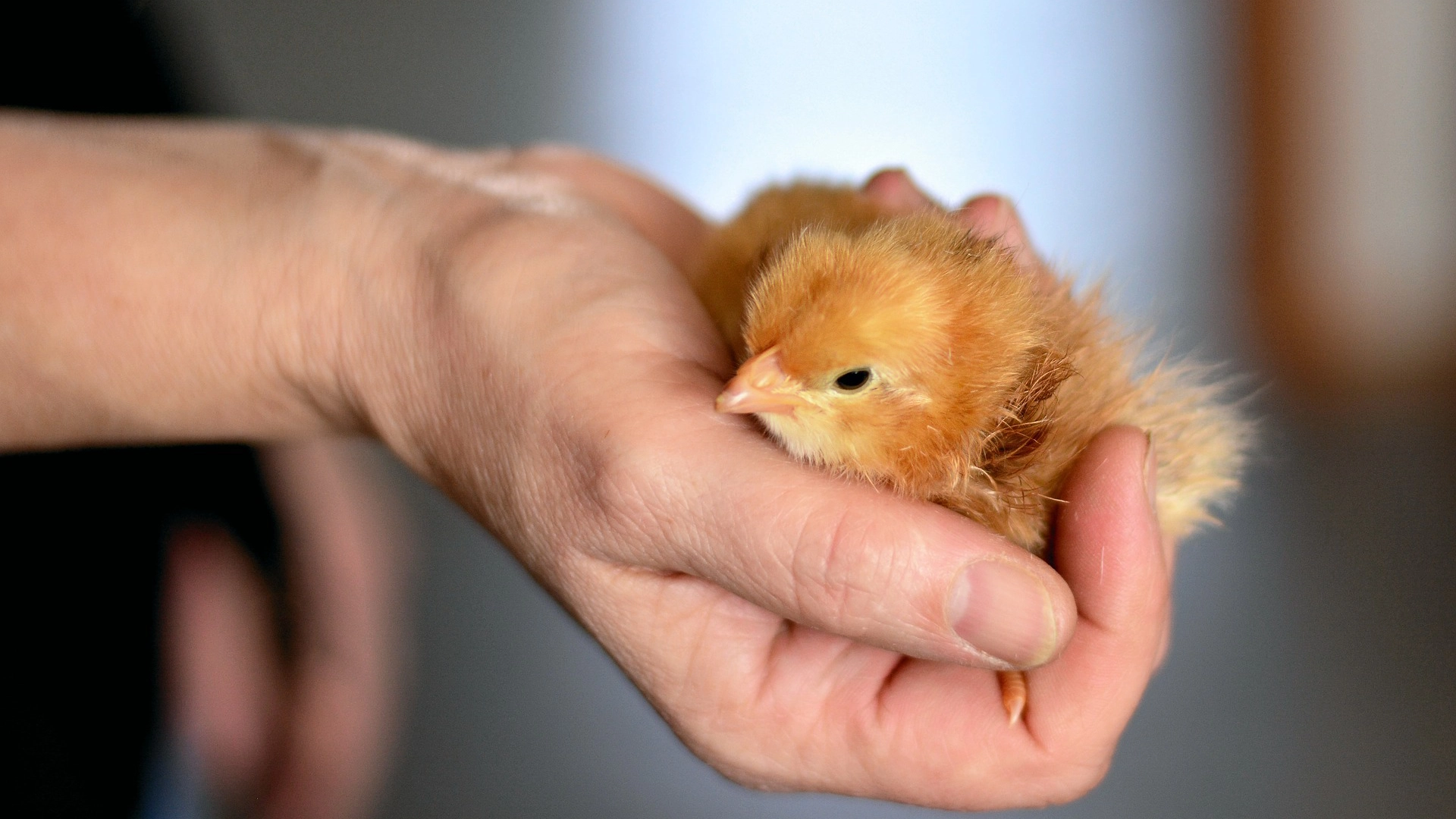
In a poultry production, the temperature and humidity play an important role during the entire life of the chicken from hatchery and hatching until they are sent to slaughter. Chickens are very sensitive to temperature changes. If it is too cold, the chickens might eat more and stick together to keep warm, meaning they produce more fat than meat due to the combination of high feed consumption and low movement. A low temperature might also cause egg laying problems.

Whether the data from the climate sensors is accurate or not has a huge impact on the production. As mentioned, temperature and humidity have a great effect on the production and animal welfare which makes it vital that the measurements are accurate. Accurate data can lead to less stress on birds and thus greater productivity.

From Sensor Data to Smarter Farm Management
Learn how continuous monitoring helps producers identify developing production challenges through changes in water consumption, growth performance and other key production indicators.

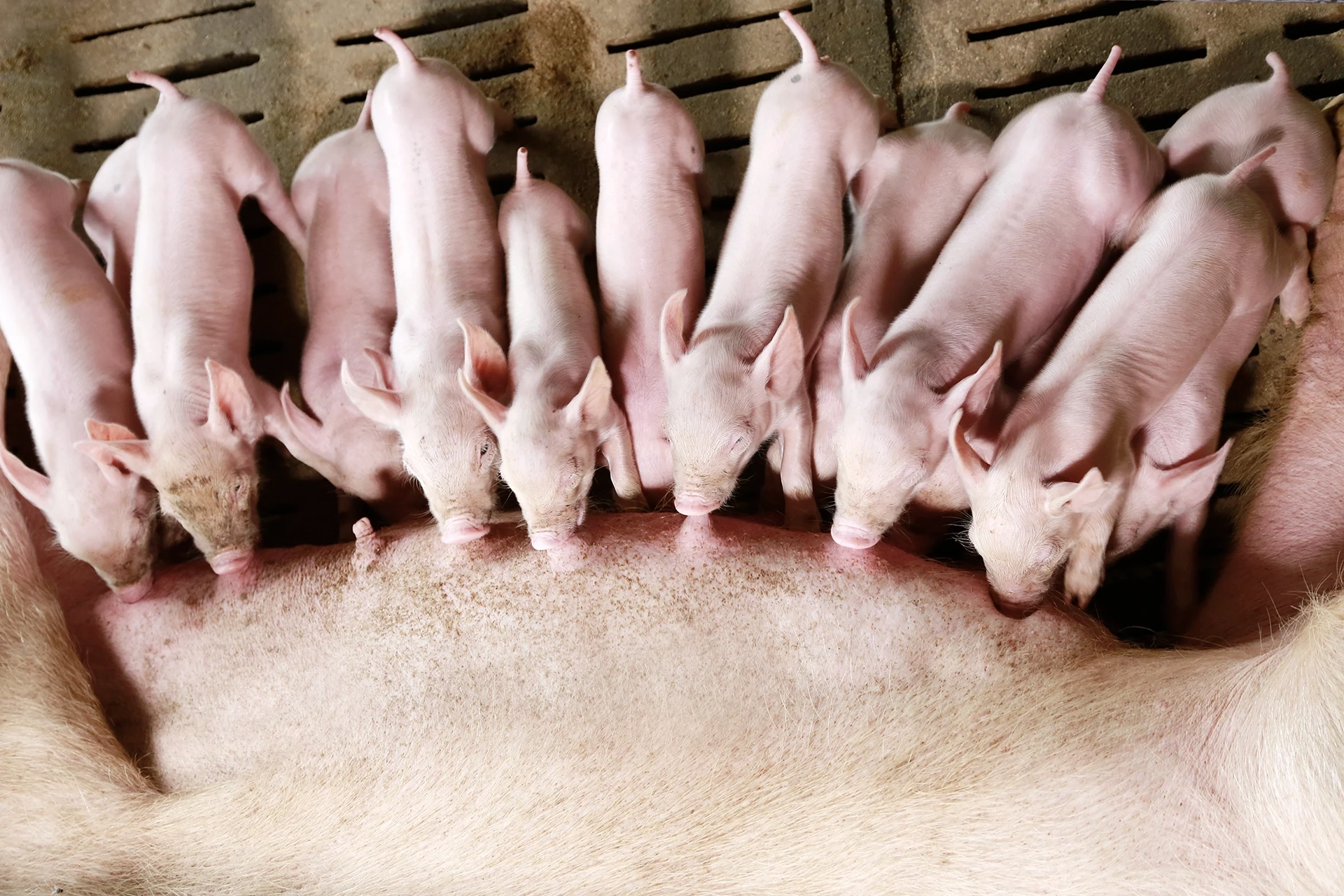
Modern pig farms generate enormous amounts of data - but data alone doesn't create value. The real impact comes from integrating climate, feed, water, and weight data into one unified system.

What Integration Enables

Cross-parameter Insights

Correlating multiple data streams highlights trends that would remain hidden if viewed separately. For example, rising temperatures with declining feed intake can reveal early signs of heat stress before it comes visible in animal behavior.

Automated Reporting

Integrated data flows simplify documentation for audits, sustainability reporting, and compliance requirements - saving hours of manual work.

Predictive Analytics

Historical patterns support forecasting, allowing the system to alert before a potential issue escalates. This enables early interventions that protect both animal health and performance.

Benchmarking and Comparison

With all data in one place, farm managers can easily compare barns, batches, production cycles, or even farm locations. This visibility highlights improvement opportunities and supports more consistent results across operations.

Practical Examples

  • Detecting ventilation malfunction before pigs show symptoms of stress
  • Identifying feed system irregulates through water-feed correlation
  • Improving batch uniformity by adjusting climate based on growth data
  • Reducing labor time spent on manual checks
  • Identify issues in the barn online without being in the house
Protect Your Birds
Learn how continuous monitoring helps producers identify developing production challenges through changes in water consumption, growth performance and other key production indicators.

Strengthen Biosecurity Practices to Protect Your Birds From Birds Flu

Bird flu, also known as avian influenza, is a viral infection that can significantly affect poultry farms and other bird populations. Implementing robust biosecurity measures is crucial in protecting your birds from this disease. Here’s a comprehensive guide on how to enhance your biosecurity practices.

Maintain an Optimum Environment

Creating and maintaining an optimum environment for your birds is one of the crucial factors in preventing the spread of bird flu. This includes regulating temperature, humidity, CO2 level and the level of ammonia within the poultry house. An ideal environment not only keeps your birds healthy and stress-free but also reduces the likelihood of viral infections taking hold.

En optimum light plan can keep your birds stress-free as well and ensure better animal welfare.

Selected Sensors

Documents

English
Leaflet
Capacitive Brochure

Join our newsletter

Stay ahead in livestock production.

Join our newsletter and get industry insights, expert perspectives, and practical strategies for optimizing performance and efficiency.