Disinfect the Livestock House Between Flocks
One of the primary steps in safeguarding your birds against bird flu is thorough disinfection of the livestock house between flocks. This involves cleaning and disinfecting all surfaces, equipment, and areas where birds are housed. It’s important to use approved disinfectants and follow the recommended guidelines for effective disinfection.
The primary techniques for disinfecting poultry houses with chemical agents include spraying, foaming, and thermo-misting. It’s important to adhere to a systematic approach during the disinfection process to guarantee comprehensive coverage of all areas, equipment, and materials in the barns.
Keep Wild Birds out of the Livestock House
Wild birds are often carriers of the bird flu virus. Therefore, preventing their entry into your livestock house is essential. This can be achieved by securing the poultry house with bird-proof netting, maintaining strict access controls, and ensuring that feed and water sources are not accessible to wild birds. Regular checks for breaches or gaps in the structure are also important to keep wild birds at bay.
Use Disposable Boot Covers and Coveralls
Using disposable boot covers and coveralls can significantly reduce the risk of bringing contaminants into the bird environment. These should be worn by anyone who enters the livestock house, including workers, visitors, and veterinarians. It’s crucial to dispose of these covers and coveralls properly after each use to prevent the spread of the virus.
Inspect Your Birds Regularly
Regular inspection of your birds is vital in early detection and management of bird flu. Look out for signs of illness, such as respiratory distress, reduced egg production, or unexplained deaths. Early detection can lead to quicker isolation and treatment of affected birds, reducing the spread of the virus. It’s also important to keep records of any signs of illness and report them to the relevant veterinary authorities.
Poultry Housing Systems
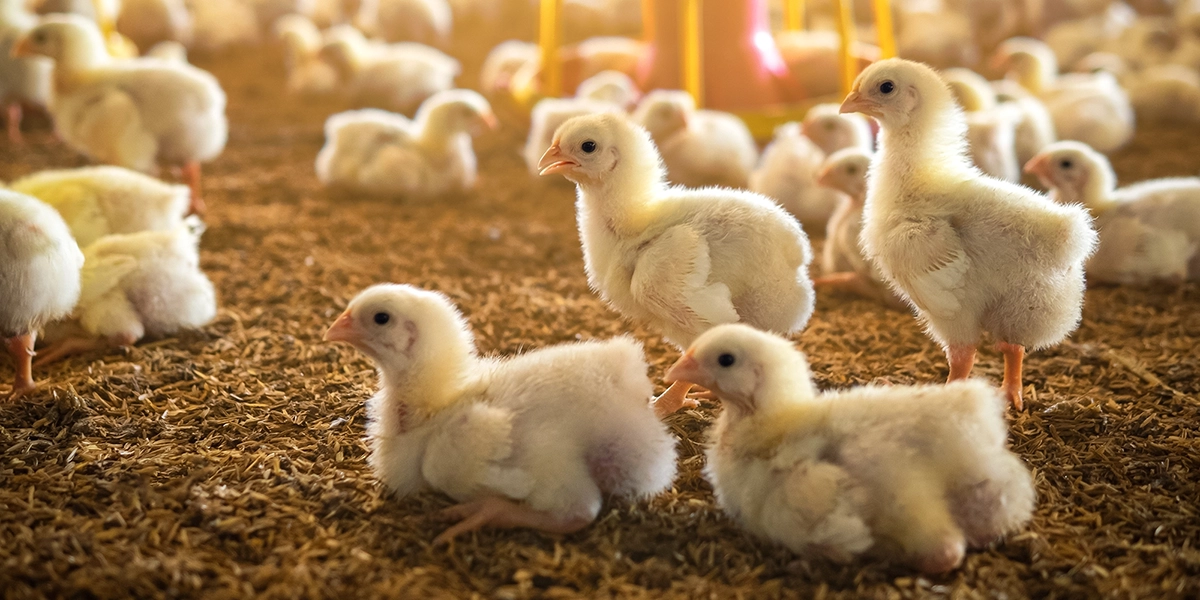
The way chickens are housed remains a central question in modern poultry farming. Is it better to use cage-based systems, or to give birds the freedom of free-range conditions?
There’s no one-size-fits-all answer. Each method brings its own trade-offs, and farmers must consider a mix of factors—from production efficiency and animal wellbeing to food safety and market demand.