Disease Transmission
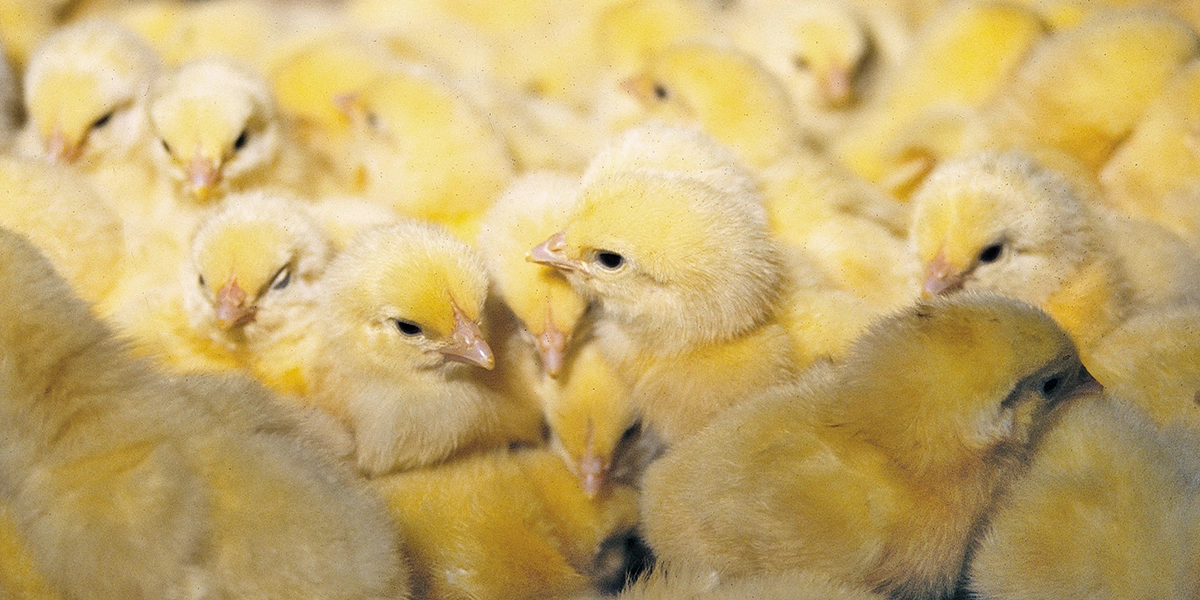
High densities make it easier for pathogens to spread rapidly through close contact. Even minor infections can quickly escalate and cause significant losses.
The Benefits of Optimal Stocking Density
Better Growth and Feed Conversion
Birds kept at appropriate densities experience less stress, eat more consistently, and convert feed more efficiently—leading to better growth rates and healthier flocks.
Improved Welfare and Lower Mortality
Adequate space allows birds to rest, move, and behave naturally. This reduces mortality rates and improves overall welfare.
Higher Product Quality
Maintaining optimal density helps ensure better litter conditions and air quality, both of which contribute to higher meat and egg quality.
Balancing Productivity and Welfare
Stocking density is not just about numbers—it’s about finding the balance between maximizing production and ensuring bird welfare. Industry guidelines and regulations often provide stocking density recommendations, but the right level may also depend on housing design, ventilation capacity, and management practices.
Poultry Housing
How chickens are housed is one of the most debated topics in poultry farming. Should they live in controlled cage systems, or have access to open, free-range environments?
Both systems offer clear strengths as well as notable limitations. Choosing between them often comes down to how farmers prioritize productivity, animal welfare, food safety, and what consumers expect.