Free-Range vs. Cage Systems in Poultry Production

Free-Range vs. Cage Systems in Poultry Production: Benefits and Pitfalls

Few topics in poultry farming spark as much debate as housing systems. Should chickens be raised in cages or in free-range environments?

Both approaches have advantages and challenges, and the choice often depends on how farmers weigh efficiency, animal welfare, food safety, and consumer expectations.

Cage Systems: Efficient but Controversial

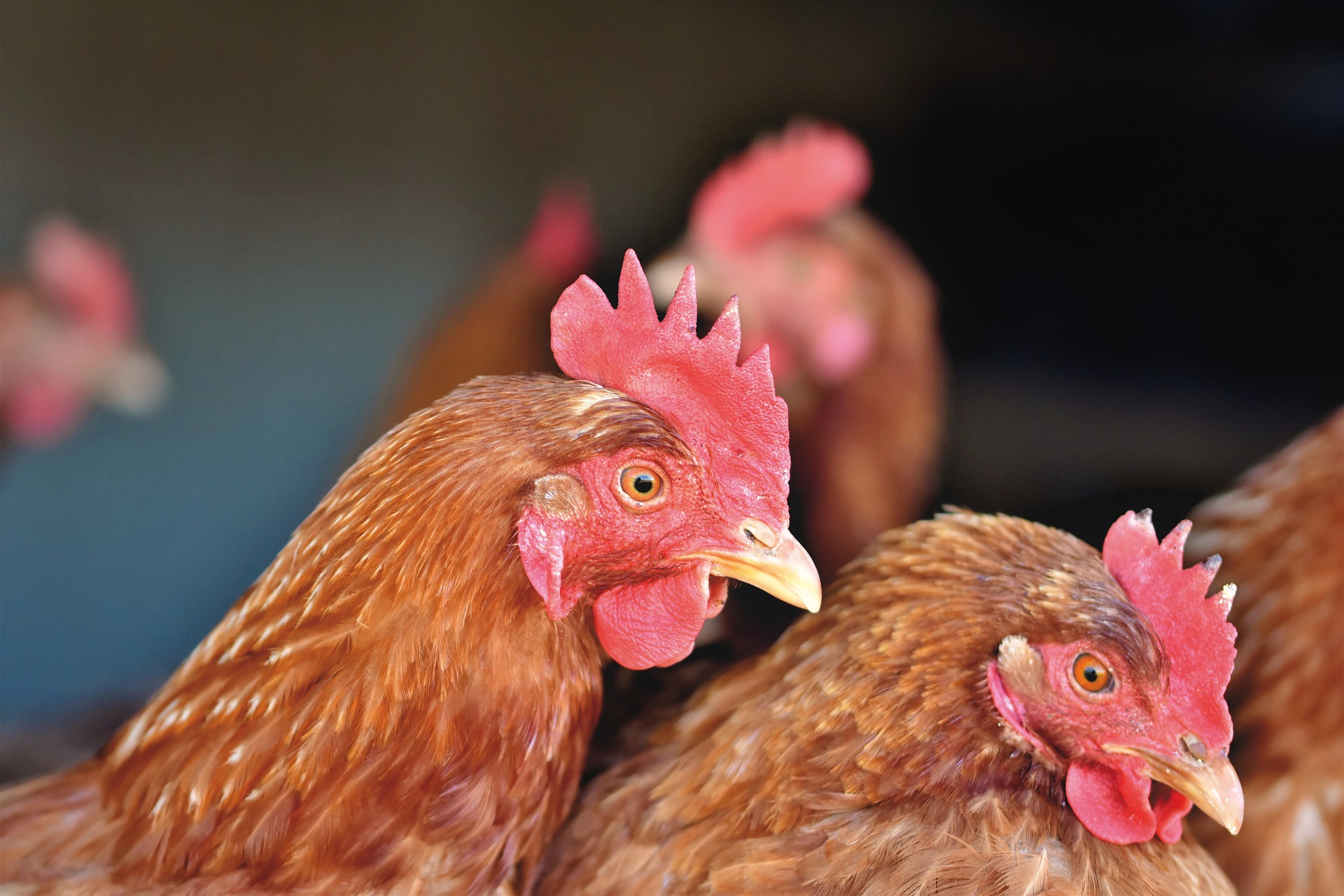
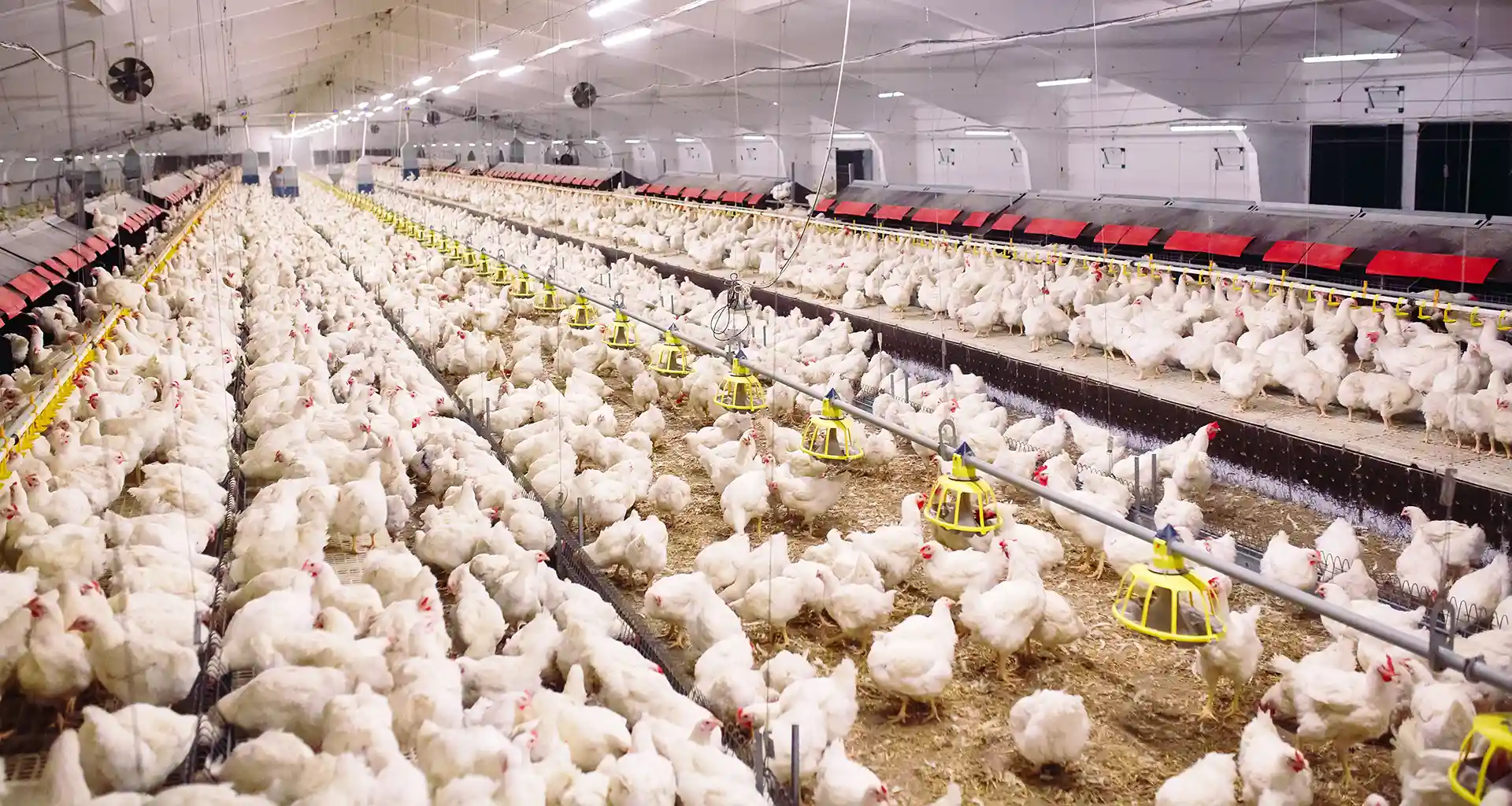
Cage systems, whether conventional or enriched, became the global standard for egg production in the mid-20th century. They were designed to maximize efficiency and food safety, allowing large numbers of hens to be managed in a controlled environment. This consistency led to high egg output and reliable feed conversion, while the reduced contact with litter helped lower the risk of some diseases and parasites. Mortality rates in well-managed cage systems are often lower than in alternative systems, and daily tasks such as feeding, watering, and egg collection are easier to manage.

Despite these strengths, cage systems remain highly controversial. By design, cages restrict birds’ natural behaviors such as dust bathing, wing flapping, foraging, and nesting. This lack of behavioral freedom has become a central welfare concern, particularly as consumers grow more aware of how their food is produced. Limited movement also affects bone strength and can lead to higher rates of osteoporosis. In many markets, conventional battery cages are being phased out altogether, replaced either by enriched cages with perches and scratching areas, or by alternative housing systems.

Free-Range Systems: Welfare and Consumer Appeal

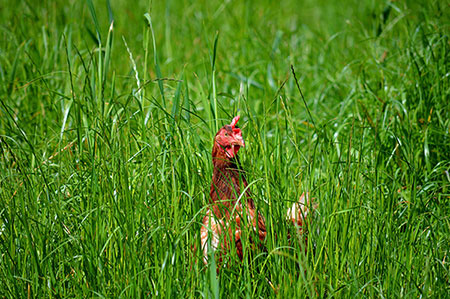
Free-range production presents a very different image, one that appeals strongly to consumers. Birds have greater freedom of movement and outdoor access, allowing them to express natural behaviors such as scratching, foraging, and dust bathing. This generally improves welfare and reduces stress, while more activity supports stronger muscles and bones. Free-range eggs are often marketed as healthier or more sustainable, and products from these systems can command a premium price in the marketplace.

For producers, however, free-range is not without challenges. Outdoor access increases the risk of exposure to predators, parasites, and pathogens such as avian influenza. Biosecurity is harder to maintain, and mortality rates are generally higher than in cage systems. Feed efficiency is often reduced, as birds spend more energy on activity and foraging. In addition, if outdoor areas are not carefully managed, manure accumulation can lead to soil degradation and nutrient pollution.

Consequences of Insufficient Monitoring
Discover the consequences of insufficient climate monitoring, and how different monitoring approaches impact welfare, efficiency, and production outcomes.

No items found.

Striking the Balance: Trade-Offs and Alternatives

The discussion between free-range and cage systems is ultimately about trade-offs. Cage systems excel in productivity, biosecurity, and ease of management, but face criticism for limiting welfare. Free-range systems align with consumer values and welfare standards but require more careful management to prevent disease and environmental problems.

In response, many producers and researchers are exploring alternatives such as aviary systems and enriched cages, which provide birds with more space and opportunities for natural behavior while retaining some of the advantages of controlled housing. These hybrid systems are an attempt to balance welfare, efficiency, and sustainability.

The Future of Poultry Housing

As the poultry industry evolves, the choice of housing system will continue to be shaped by consumer demand, regulatory changes, and ongoing advances in management technology. Sensors, automation, and precision livestock farming are already helping producers maintain better conditions, regardless of housing type. Ultimately, the challenge for the industry is not choosing between “free-range” or “cage” alone, but finding ways to combine the best aspects of both in order to protect welfare, ensure efficiency, and deliver high-quality, sustainable products.

Automated Vertical Farming
Learn how continuous monitoring helps producers identify developing production challenges through changes in water consumption, growth performance and other key production indicators.

The Future of Sustainable Agriculture

As the population continues to grow, and the need for sustainable food production becomes increasingly urgent, automated vertical farming is an exciting and viable solution.

The automation aspect of the vertical farming technology allows for precise control over the growing environment, including temperature, humidity, and lighting, leading to higher crop yields and reduced need for human labor. Additionally, the lack of pesticides and the closed-loop system of the vertical farm means that produce grown in this way is often considered organic. The benefits of automated vertical farming include a reduced carbon footprint, increased food security, and the ability to grow crops year-round in a controlled environment. Accurate CO₂ monitoring is essential for maximizing crop growth and maintaining stable growing conditions. Learn more about agricultural CO₂ sensors.

What is Automated Vertical Farming?

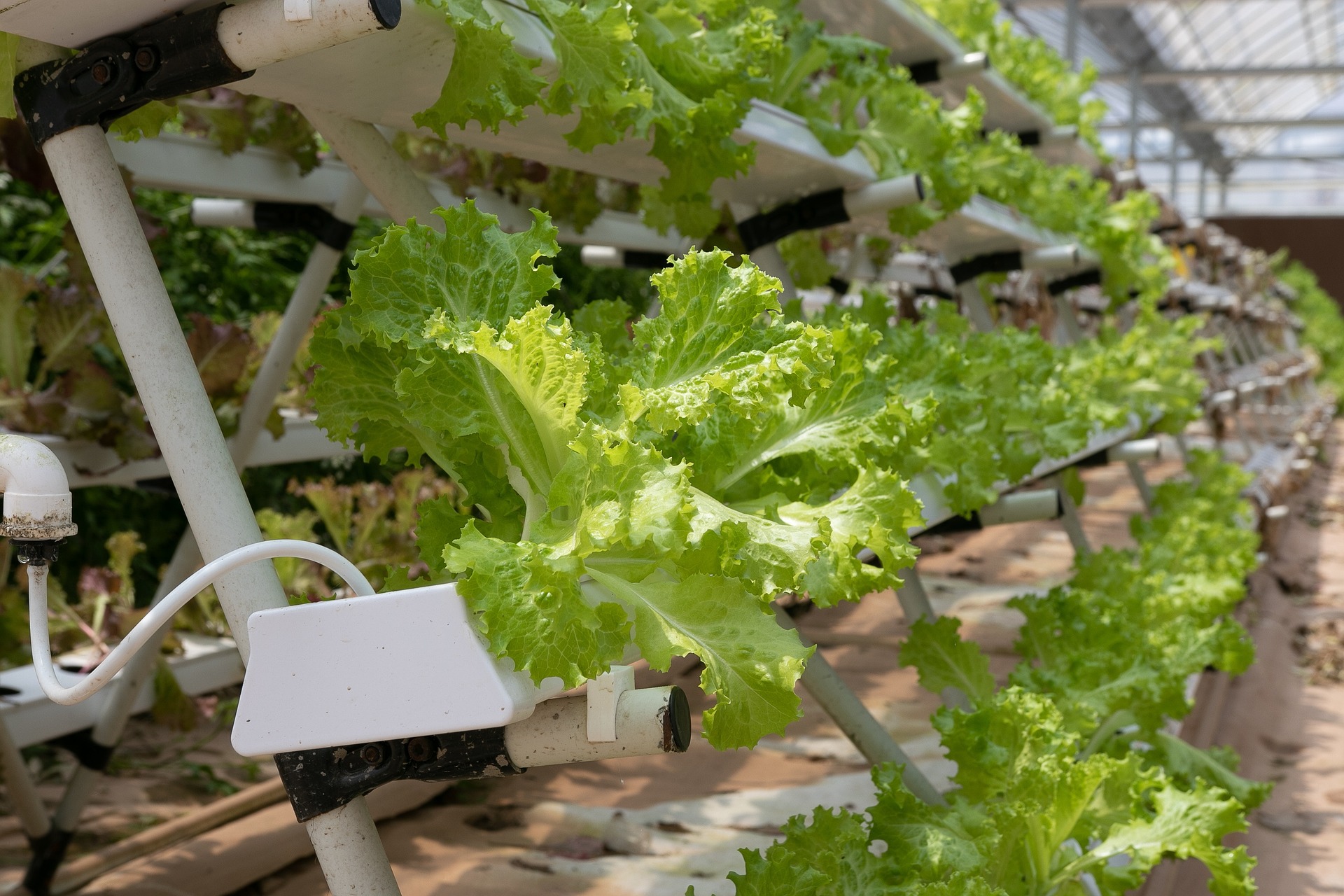
Automated vertical farming is a method of growing crops in stacked layers using trays that are placed in a controlled environment. The vertical farm maximizes space and minimizes the use of water and other resources, allowing for higher crop yields with less waste.

Benefits of Automated Vertical Farming

The benefits of automated vertical farming are numerous. One of the most significant benefits is the reduced carbon footprint of the technology. Traditional farming methods require large amounts of land, water, and energy, but automated vertical farming uses significantly less of all of these resources.

Another benefit of automated vertical farming is increased food security. As the population continues to grow and urbanization expands, the demand for food will continue to increase. Automated vertical farming allows for the efficient production of food in urban environments, reducing the need to transport food long distances and increasing the availability of fresh produce.

In addition, the closed-loop system of the vertical farm means that produce grown in this way is often considered organic. With less need for pesticides, the food grown in automated vertical farms is often considered healthier and safer for consumption.

Finally, the ability to grow crops year-round in a controlled environment means that automated vertical farming can provide a reliable source of food no matter the season or weather.

Farming
Learn how continuous monitoring helps producers identify developing production challenges through changes in water consumption, growth performance and other key production indicators.

Welcome to the Future of Farming Sensors!

At dol-sensors, we are passionate about revolutionizing agriculture through the use of cutting-edge technology. Our farming sensors are designed to help farmers and farm managers to optimize their production, lower their costs, lower FCR and mortality, increase animal welfare, and reduce ammonia emmission.

Imagine being able to monitor the climate in your livestock house, controlling the filling and emptying of silos, automate the ventilation, heating, and cooling of the farm house, and make informed decisions on how to manage your production. Combined with a farm controller, that’s exactly what our sensors can do for you. Whether you’re a small-scale farmer or a large agribusiness, our sensors can help you improve your production and increase your profits.

Vast experience within farming

dol-sensors has more than 50 years of experience in the farming industry. We strive to be the leading supplier through innovation of climate and capacitive sensors for food production and other industries.

Our mission is to provide intelligent sensor solutions to contribute to global efficient and sustainable food production.

Livestock Sensors
Learn how continuous monitoring helps producers identify developing production challenges through changes in water consumption, growth performance and other key production indicators.

Sensors for Livestock

dol-sensors innovates, designs, and produces intelligent livestock monitoring sensors for agriculture and other industries.

Our product range contains capacitive sensors and climate sensors.

All of our sensors for livestock are specially designed for lasting a lifetime and to withstand the harsh environment in livestock houses.

What Are Livestock Sensors?

Livestock sensors are devices designed to monitor and gather data related to the environment in the barn and feed supply and consumption. They can be seen as the nexus where technology meets livestock management, providing farmers and farm managers with a detailed insight that was previously inaccessible or hard to obtain.

The primary drive behind the development of these sensors was the increasing need for real-time, accurate data to optimize farming operations. Traditionally, farmers and farm managers relied on periodic checks, intuition, sense of smell, or visible signs to assess the health and productivity of their livestock. However, such methods are often reactive rather than proactive. With sensors, farmers can now detect potential issues before they escalate, ensuring timely intervention and reducing losses.

Selected Sensors

No items found.

Documents

No items found.

Join our newsletter

Stay ahead in livestock production.

Join our newsletter and get industry insights, expert perspectives, and practical strategies for optimizing performance and efficiency.