Turning Pig Manure into an Asset

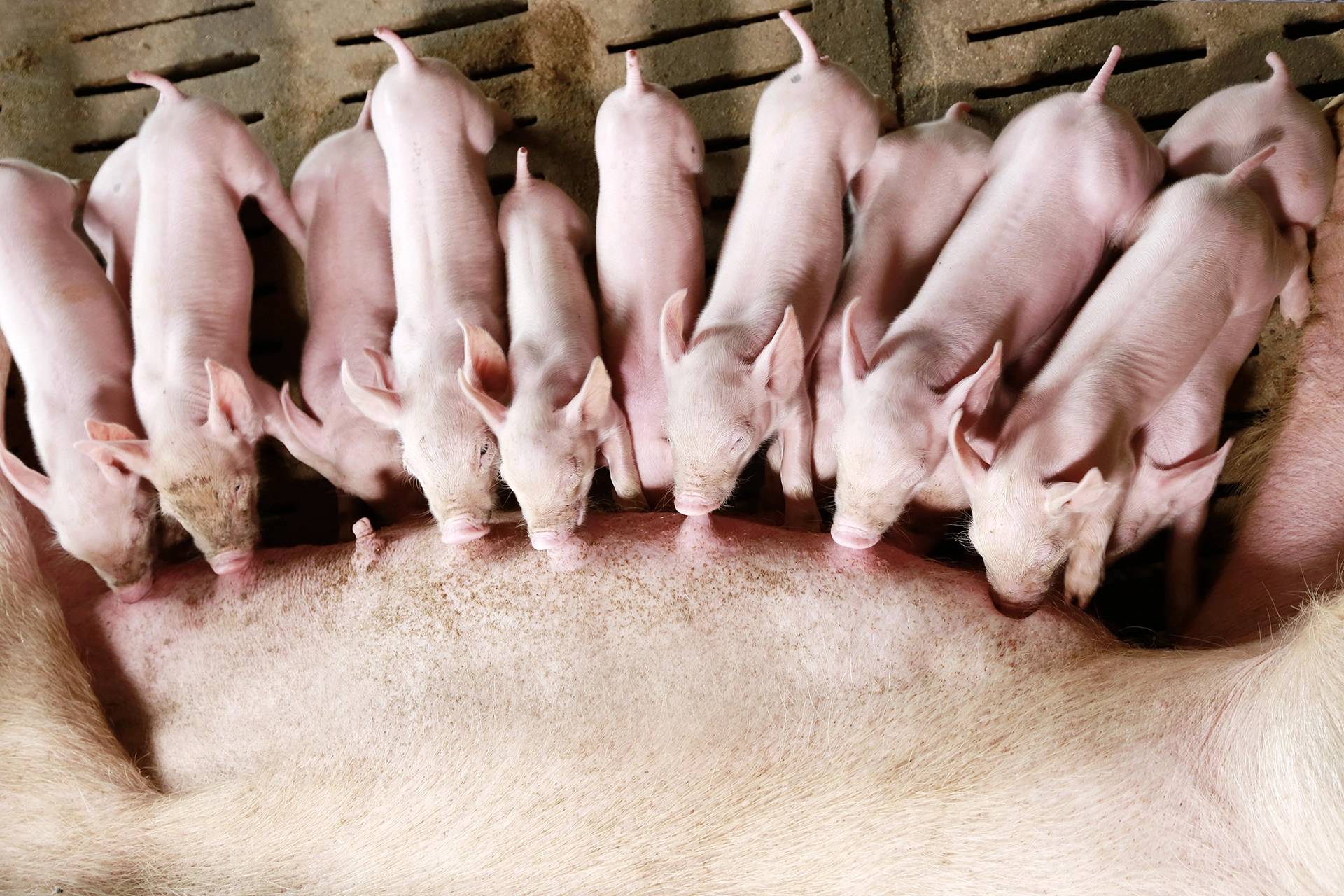
Managing slurry and manure is one of the most important — and often most overlooked — aspects of pig production. When handled correctly, pig manure isn’t just waste; it’s a valuable resource that can reduce costs, improve environmental performance, and even enhance animal welfare. But when managed poorly, it becomes a source of odor, pollution, and community complaints.

Done right, manure management turns a potential liability into a profitable and sustainable part of your farming operation.

The Challenge — and Opportunity — of Manure Management

Each pig produces a significant amount of manure every year, and how it’s handled determines whether it becomes a problem or an opportunity. Manure contains organic matter, nitrogen, phosphorus, potassium, and micronutrients that are essential for crop production.

When managed efficiently, this natural fertilizer can replace or supplement expensive synthetic fertilizers — reducing input costs and closing the nutrient cycle between livestock and crop farming.

However, without proper storage, treatment, and application, those same nutrients can escape into the air and water, leading to odor issues, ammonia emissions, and runoff pollution.

Key Benefits of Proper Manure Management

Reduced Odor and Better Air Quality

Regular agitation and proper aeration of slurry minimize the buildup of gases like ammonia and hydrogen sulfide. Covered storage and timely application also help reduce odors that often lead to neighbor complaints.

Improved Animal Comfort and Health

Clean, well-managed manure systems reduce humidity and harmful gases inside barns. This supports better air quality, reduces respiratory stress, and promotes overall herd welfare.

Cost Savings on Fertilizer

Pig manure is rich in nutrients. By analyzing nutrient content and matching it to crop needs, farmers can cut down on chemical fertilizer purchases — saving money and improving soil health.

Environmental Protection

Efficient nutrient use reduces the risk of leaching and runoff into watercourses. Sustainable manure management helps farms meet regulatory requirements and protect local ecosystems.

Renewable Energy Potential

Manure can also be a feedstock for biogas production, turning waste into renewable energy. Anaerobic digesters convert manure into methane, which can power farm operations or be sold to the grid — while leaving behind nutrient-rich digestate for use as fertilizer.

Learn How To Prevent Costly Losses
Early warnings in pig production can reduce costs, improve sustainability, and unlock new opportunities for pig producers.

Best Practices for Turning Waste into Value

To fully capitalize on manure’s potential, producers should:

  • Regularly test manure nutrient content to guide precise application.
  • Store manure properly — covered lagoons or tanks minimize emissions and nutrient losses.
  • Use calibrated application equipment to ensure even, efficient spreading.
  • Time applications for when crops can absorb nutrients, avoiding runoff risks.
  • Integrate manure management with crop planning for a balanced nutrient cycle.

Automation and monitoring tools can also help streamline collection, storage, and spreading — improving efficiency and compliance.

The Future of Manure Management

Modern pig production is increasingly focused on circular agriculture — using resources efficiently and minimizing waste. Manure plays a central role in this shift. With new technologies in anaerobic digestion, nutrient recovery, and precision application, pig producers can turn manure into a measurable asset for both profitability and sustainability.

The Role of Ammonia Measurement in Efficient Pig Production

Ammonia concentrations can significantly affect growth rates, FCR, and overall herd health.

See how continuous monitoring helps optimize conditions and prevent performance losses.

Early Warnings in Pig Production Help Prevent Costly Losses
Learn how continuous monitoring helps producers identify developing production challenges through changes in water consumption, growth performance and other key production indicators.

Pig production is currently under significant pressure across most regions of the world. Volatile pig prices and increasing requirements for animal welfare and sustainability are steadily eroding margins. At the same time, producers are expected to deliver consistent performance under conditions that are becoming more complex and less predictable.

For OEMs supplying equipment, systems and technology to the pig production industry, this creates a clear challenge: how to help customers maintain profitability and stability in an environment where small deviations in performance can quickly turn into substantial financial losses.

Disease pressure has reshaped global pig production

Disease outbreaks have been one of the most disruptive forces in pig production over the past decade. African Swine Fever (ASF), PRRS and other endemic diseases have had a measurable impact on global pork supply due to the sheer scale of production losses.

Between 2023 and 2025, global losses of slaughter pigs are estimated at 23–40 million animals annually, corresponding to approximately 1.8–2.8 percent of total global pig production. During the peak crisis period from 2019 to 2021, when ASF spread widely across Asia, annual losses rose dramatically to 45–70 million slaughter pigs, equivalent to 3.5–5.0 percent of global production.

These figures illustrate why disease prevention and early detection have moved from being operational concerns to becoming strategic priorities. Production losses on this scale have not only reduced supply but also contributed to increased price volatility, making revenue planning and long-term investment decisions significantly more difficult for producers.

Economic pressure amplifies the cost of late reactions

When margins are tight, the cost of reacting too late becomes disproportionately high. Disease, stress, suboptimal climate or feed changes rarely appear overnight. In most cases, performance deterioration starts gradually, through reduced feed intake, slower growth, increased variation or subtle behavioral changes.

However, these early signals are often missed in traditional production setups. Problems are typically detected only once mortality increases, feed conversion worsens or veterinary intervention becomes necessary. At that point, the financial damage has already occurred.

For OEMs, this raises a fundamental question: how can technology provide earlier insight into performance deviations, so corrective actions can be taken before losses accumulate?

Higher welfare expectations and reduced antibiotic use raise the bar

Consumer expectations are also changing rapidly. Across key markets, demand is growing for pork produced with higher animal welfare standards and minimal use of antibiotics. Retailers, processors and regulators increasingly require documentation to prove that welfare targets are being met and that antibiotic use is justified and controlled.

This development places additional pressure on producers to manage health proactively rather than reactively. Good welfare outcomes depend on stable environments, early intervention and consistent management, all of which benefit from better visibility into daily production performance.

For OEMs, the ability to support customers with data-driven insights that link welfare, health and productivity is becoming a critical differentiator.

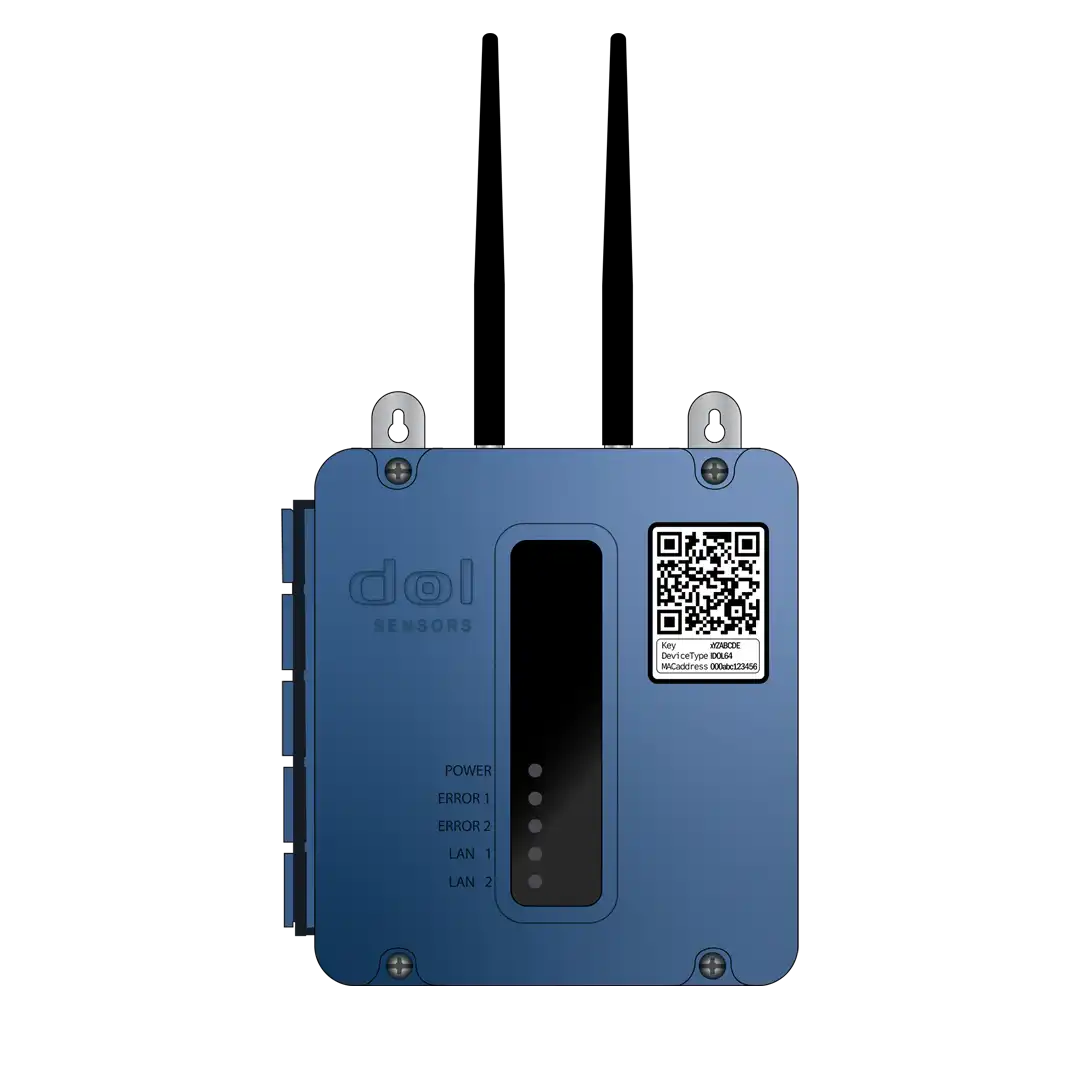
iDOL 64 LoRa Gateway
Learn how continuous monitoring helps producers identify developing production challenges through changes in water consumption, growth performance and other key production indicators.

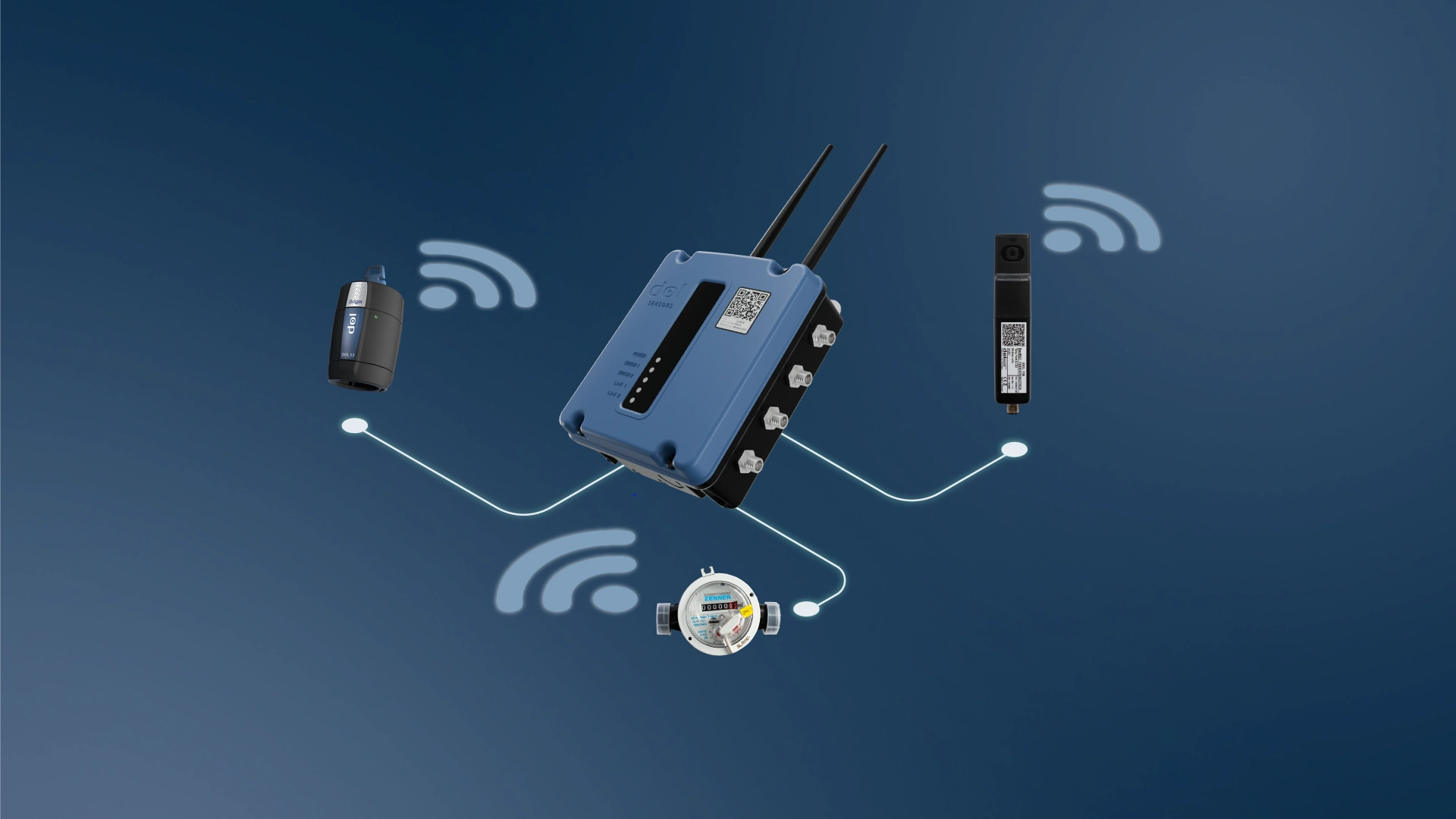
Managing sensors across large or remote agricultural sites just got simpler. The iDOL 64 LoRa Gateway is built for farms and greenhouses where cables need to be kept at the minimum.

The iDOL 64 LoRa Gateway solves this by connecting all your sensors wirelessly via LoRaWAN. The only cables you need are power cables — everything else happens over the air. An integrated modem with a data SIM card handles all communication between your sensors and the dol-sensors Cloud, so continuous data flows straight to your server through our API. No internet connection on-site needed.

Flexible connectivity - wired and wireless

The gateway is designed to support both connection types simultaneously. You can connect sensors directly via cable alongside wireless LoRaWAN sensors — giving you full flexibility for your specific setup. Up to 12 analog 0–10V sensors can be connected to a single gateway via wire.

The number of wireless LoRa sensors you can add depends on several factors specific to your environment.

Easy installation

The iDOL 64 LoRa Gateway is designed for fast, hassle-free installation.

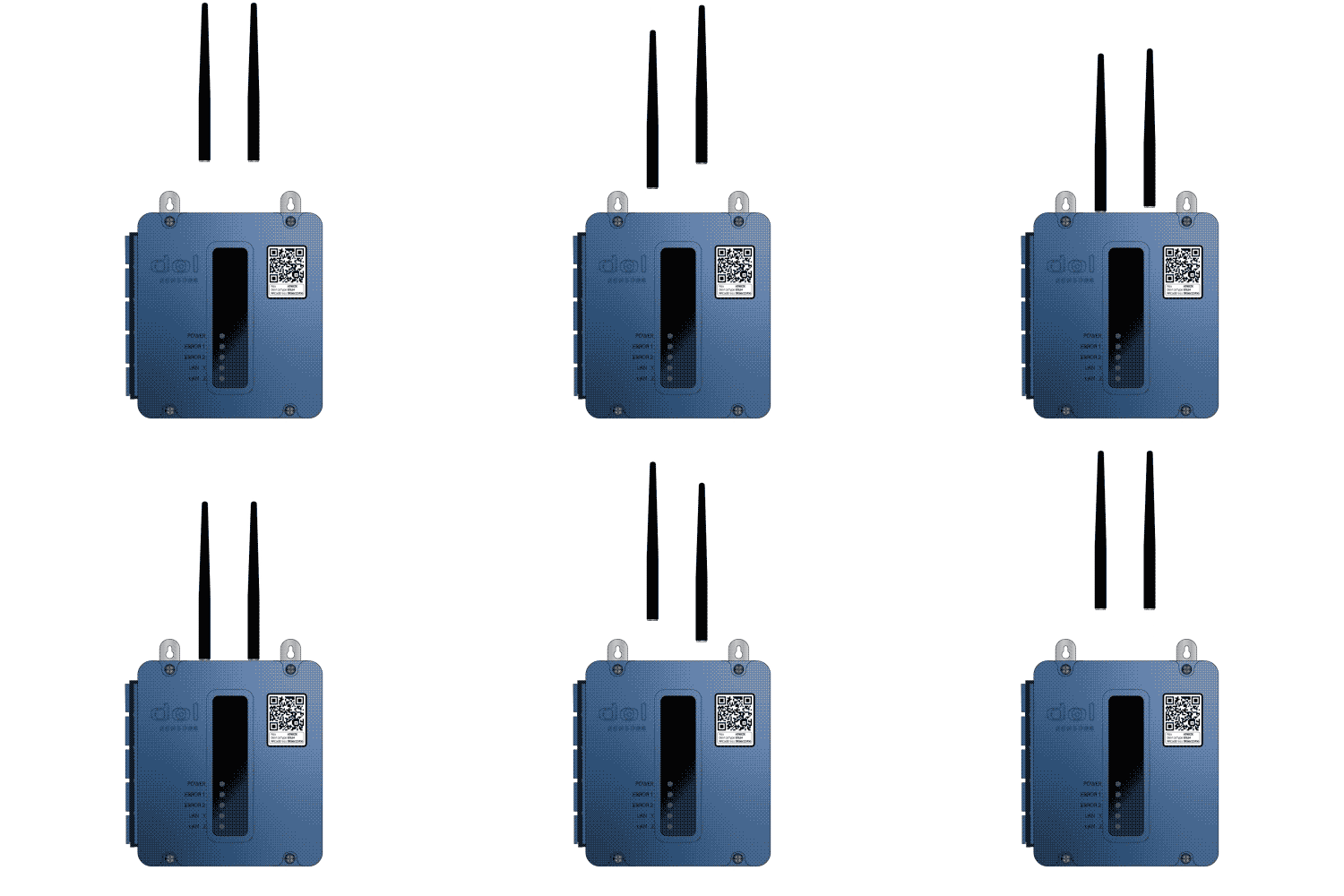
Mount the antennas attached with the iDOL 64

Install the gateway on the wall. Ensure that the gateway is as high as possible in order to have the best connection.

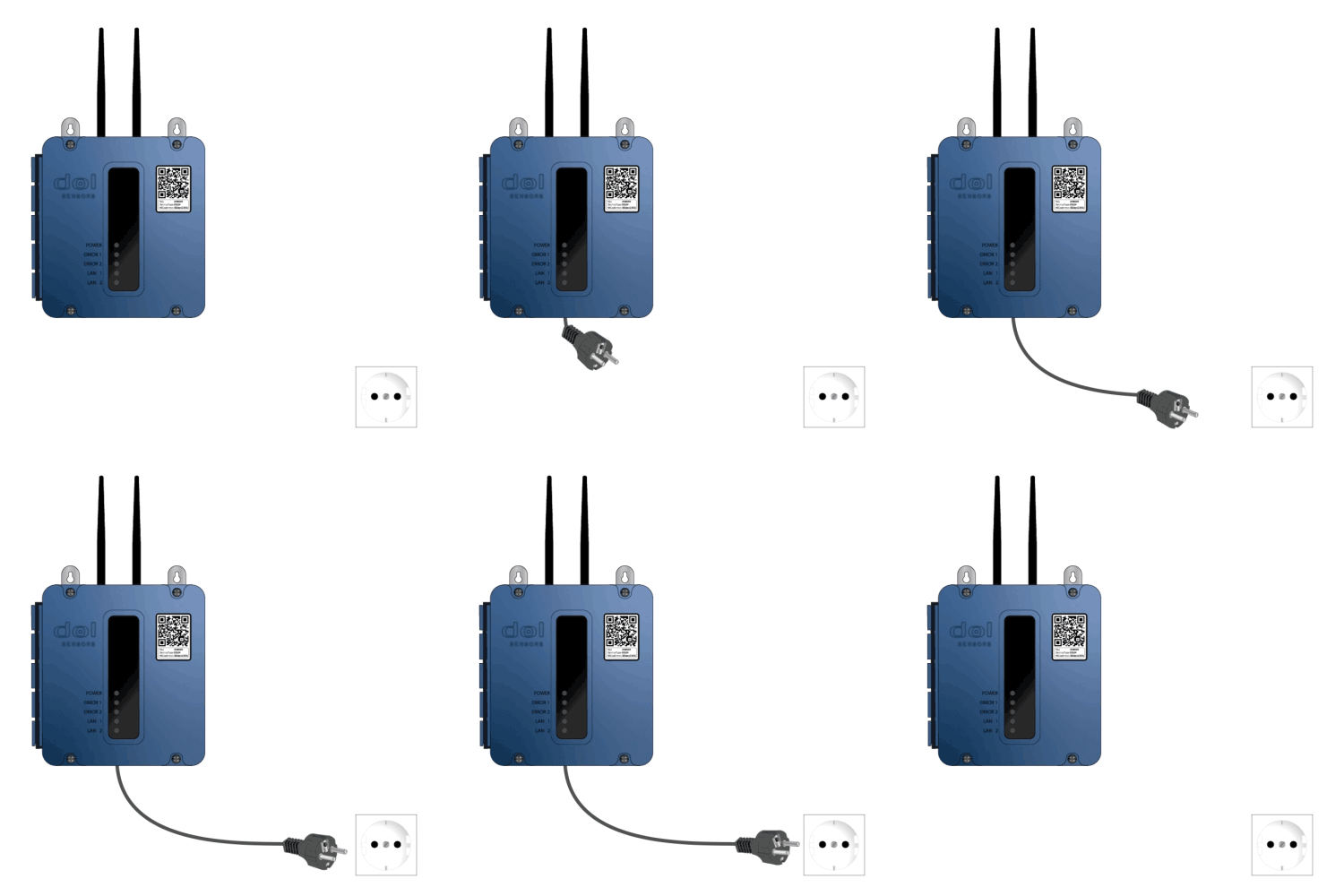
Connect device to power. iDOL 64 is going to turn on automatically, it's that easy

Contact us to learn more about iDOL 64

Save Energy in Your Pig Production
Learn how continuous monitoring helps producers identify developing production challenges through changes in water consumption, growth performance and other key production indicators.

Energy is one of the biggest costs in pig farming — from heating and ventilation to lighting and feeding systems. With rising energy prices and growing pressure to reduce environmental impact, improving energy efficiency has never been more important.

The good news? You can cut energy consumption without compromising herd welfare or performance. With a few smart changes — in climate control, lighting, and insulation — pig producers can unlock significant savings while maintaining ideal conditions for animal health and growth.

Optimize Climate Control Systems

Heating and ventilation typically account for the largest share of energy use in pig housing. Modern automated climate systems can make a huge difference by adjusting temperature and airflow in real time based on animal needs and barn conditions.

Energy-saving tips:

These systems not only save energy but also improve air quality, reducing stress and disease risks.

Invest in Energy-Efficient Lighting

Lighting often operates longer than necessary in pig housing. Switching to LED technology can reduce electricity use by up to 60% compared to traditional fluorescent or incandescent bulbs.

Smart lighting strategies:

  • Install motion sensors or timers to automatically adjust lighting based on occupancy and daylight.
  • Optimize light intensity and duration according to production stages — for instance, lower levels in finishing barns and higher levels for breeding sows.
  • Clean fixtures regularly to maintain brightness and efficiency.

Proper lighting management not only saves power but also supports better reproduction, feeding behavior, and welfare.

Selected Sensors

Documents

No items found.

Join our newsletter

Stay ahead in livestock production.

Join our newsletter and get industry insights, expert perspectives, and practical strategies for optimizing performance and efficiency.