Weather Sensors

Agricultural production is heavily dependent on weather conditions, and understanding these conditions is essential for successful farming. At dol-sensors, we understand the importance of weather monitoring in agriculture, and offer weather sensors that provide accurate and reliable data to help farmers make informed decisions.

Our weather sensors are designed to measure a range of variables that are critical for agricultural production. These include measuring of wind direction, wind speed, air pressure, and air temperature.

One of the key advantages of our weather sensors is their accuracy. We use updated technology to ensure that our sensors provide reliable data that can be trusted by farmers and farm managers. This means that they can make decisions based on the most up-to-date information, increasing the likelihood of successful agricultural production.

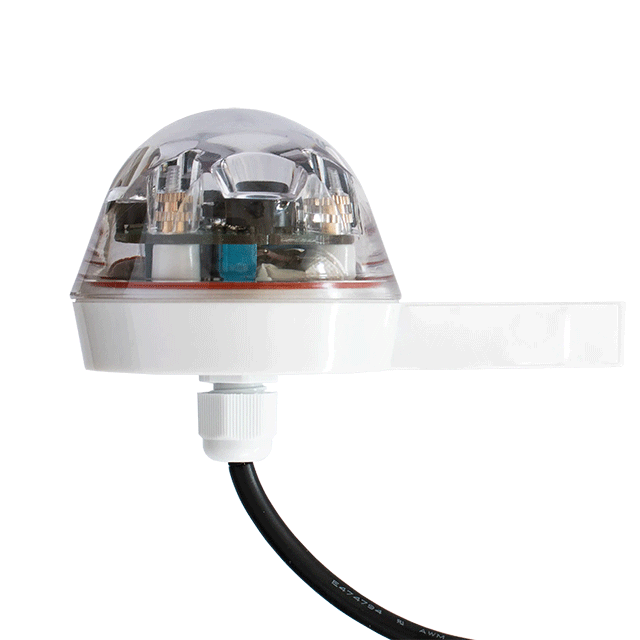
Our DOL 111 rain detector is designed to help ensure automatic closing of inlets in case of rain. The rain detector gives a signal when it rains over or below 6.35 mm/hour. DOL 111 is intended to override cycle programs, causing the system to halt when it rains and remain inactive for a period afterward. Consequently, it can be employed in conjunction with irrigation controllers to halt sprinkler operations in the field.

With DOL 58 weather sensor you can measure wind direction, wind speed, air pressure, and air temperature.

Better Monitoring
Learn about our sensors designed to support smarter agricultural decision-making.

Long service life

An important feature of our weather sensors is their durability. We understand that farming can be a tough environment, with harsh weather conditions and rough handling of equipment. That is why we have made our weather sensors to be tough and long-lasting, so that they can withstand even the toughest conditions and keep working reliably for years to come.

For example, DOL 111 can be used  in temperatures between minus 40 and plus 60 degrees Celsius. Furthermore, the rain detector is made of UV-resistant polycarbonate, UV-stable ABS, stainless steel, and has a silicone O-ring to protect the circuit board from rain.

DOL 58 weather sensor has no movable parts, which makes it way more robust in windy weather as no part will be ripped off.

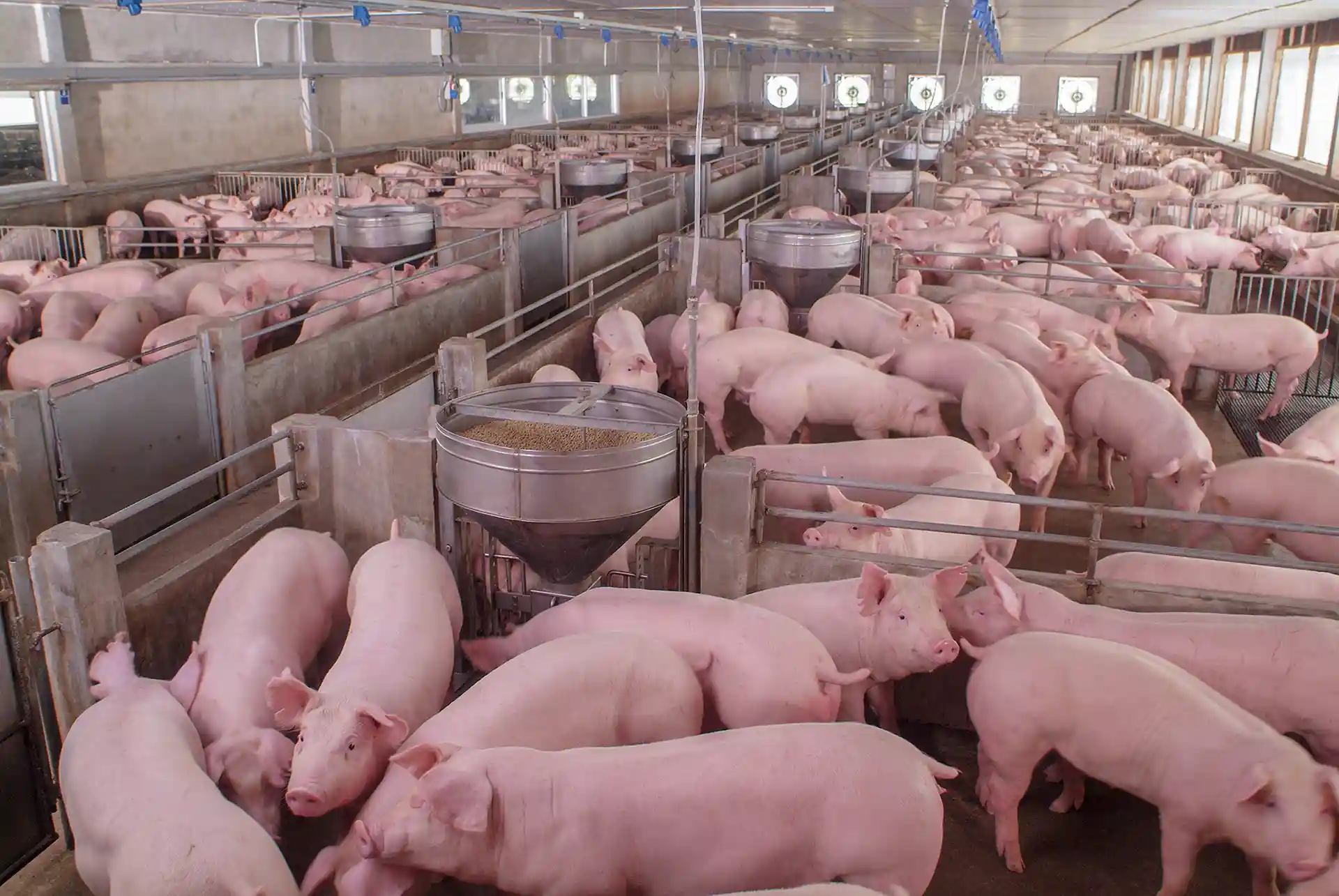
Automated Climate and Ventilation in Pig Production
Learn how continuous monitoring helps producers identify developing production challenges through changes in water consumption, growth performance and other key production indicators.

Maintaining the right climate is one of the most critical factors in efficient pig production. Pigs are highly sensitive to changes in temperature, humidity, and air quality. Any imbalance can lead to heat stress, poor feed conversion, increased disease risk, and reduced growth rates. Automated climate and ventilation systems are transforming how farmers manage these challenges — ensuring healthier animals, greater efficiency, and higher profits.

The Importance of Climate Control in Pig Housing

Optimal climate control directly influences animal welfare and performance. Pigs cannot sweat, so managing heat and humidity within their environment is essential. Poor air quality caused by excess ammonia, carbon dioxide, or dust can also impact respiratory health and feed intake. Manual monitoring and adjustments can be time-consuming and inconsistent, especially in large-scale operations.

Automated systems solve this by continuously monitoring environmental factors such as:

  • Temperature and humidity levels
  • Ammonia and carbon dioxide concentrations
  • Airflow and ventilation rates
  • External weather conditions

By automatically adjusting fans, heaters, and inlets, these systems keep conditions stable around the clock.

Customized Sensor Solutions
Learn how continuous monitoring helps producers identify developing production challenges through changes in water consumption, growth performance and other key production indicators.

Every agricultural and industrial operation has its own unique challenges, workflows, and performance targets. At dol-sensors, we understand that every farm and industry has its own needs and therefor aim at providing unparalleled customer experiences. With a commitment to providing customized sensor solutions, we offer a wide range of sensors that can be tailored to meet the specific requirements of our customers.

Our mission is to deliver reliable, precise, and user-focused sensor technologies that help customers optimize production, improve animal welfare, reduce waste, and streamline daily operations. Whether you are upgrading an existing system or designing a completely new setup, our engineering team works closely with you to ensure the final solution fits seamlessly into your application.

Get A Customized Offer

To get an offer that suits your needs, please contact our Global Sales Manager.

Jan Jensen
Global Sales Manager

Ext.: +45 72 17 58 49
Mobile: +45 52 13 58 49
Email: [email protected]

Not Long From Idea to Finished Product

One of the key advantages of our company is the ability to customize our products. We innovate, design, and produce our sensor solutions at the same facility, which means that there is not long from idea to finished product.

Preparing Pig Farms for a Changing Climate
Learn how continuous monitoring helps producers identify developing production challenges through changes in water consumption, growth performance and other key production indicators.

Climate change is reshaping how pig farms operate. Higher temperatures, unpredictable weather, and shifting disease risks are creating new challenges that require farms to adapt quickly and strategically.

Heat Stress and Rising Temperatures

Pigs struggle to regulate heat, making them vulnerable during hotter summers and heatwaves. This can reduce feed intake, slow growth, and lower fertility. Farm managers can respond with better ventilation, cooling systems, and heat-resistant building designs.

Extreme Weather and Infrastructure Risks

Stronger storms, flooding, and droughts can damage barns. disrupt power, and contaminate feed or water supplies. Many farmers are reinforcing buildings, improving drainage, and installing backup generators to stay operational during extreme events.

Changing Disease Patterns

More humid conditions support the spread of viruses, bacteria, and parasites. Strengthened biosecurity - with more frequent monitoring of the barn environment, and updated vaccination programs help reduce these risks.

Pressure on Feed and Resources

Climate impacts on global crop production can raise feed prices and reduce availability. Farms are exploring alternative feed ingredients, precision feeding, and larger on-farm storage to buffer against shortages.

Selected Sensors

Documents

English
Leaflet
Climate Brochure
English
Leaflet
DOL 111 Rain Detector_Onepager
English
Leaflet
DOL 58 Weather Sensor_Onepager
English
Technical Information
DOL 58_Technical Information_EN

Join our newsletter

Stay ahead in livestock production.

Join our newsletter and get industry insights, expert perspectives, and practical strategies for optimizing performance and efficiency.