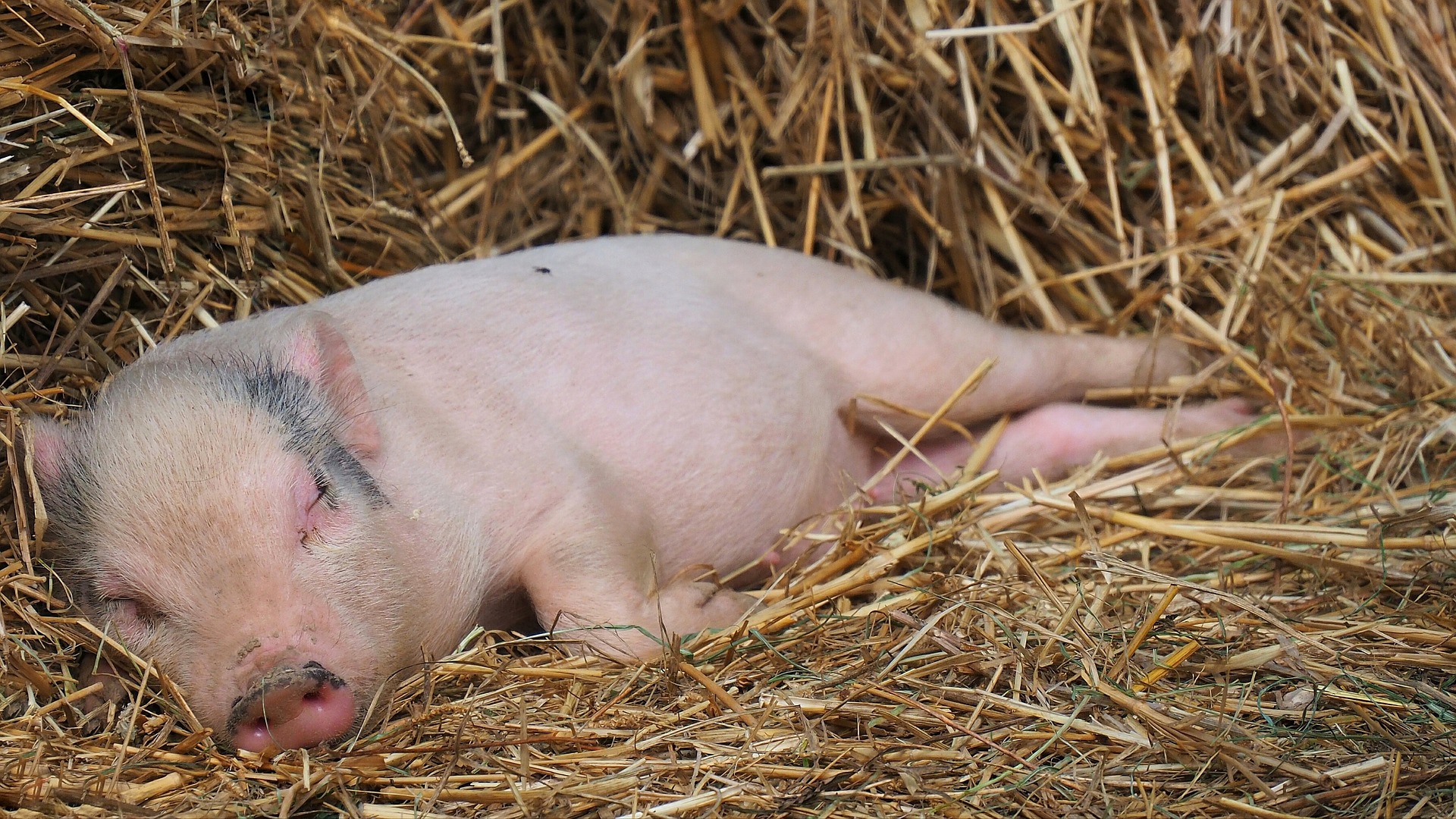
Avoid High Mortality In Pig Production

High mortality rates are one of the most serious challenges in pig production. Beyond the direct economic losses, elevated mortality often signals underlying problems related to health management, housing conditions, nutrition, or biosecurity. With proper planning, continuous monitoring, and proactive management, pig producers can significantly reduce mortality and maintain a healthy, productive herd.

Adequate Ventilation and Climate Control

Providing pigs with a stable and comfortable indoor climate is essential for reducing stress and preventing disease. Proper ventilation removes excess moisture, carbon dioxide, dust, and harmful gases such as ammonia from the air, all of which can negatively affect respiratory health.

Pigs are particularly vulnerable to thermal stress. Cold stress in piglets increases energy demand and susceptibility to disease, while heat stress in growing and finishing pigs reduces feed intake and weakens immune function. Well-designed ventilation systems help maintain optimal temperatures and air quality throughout the production cycle.

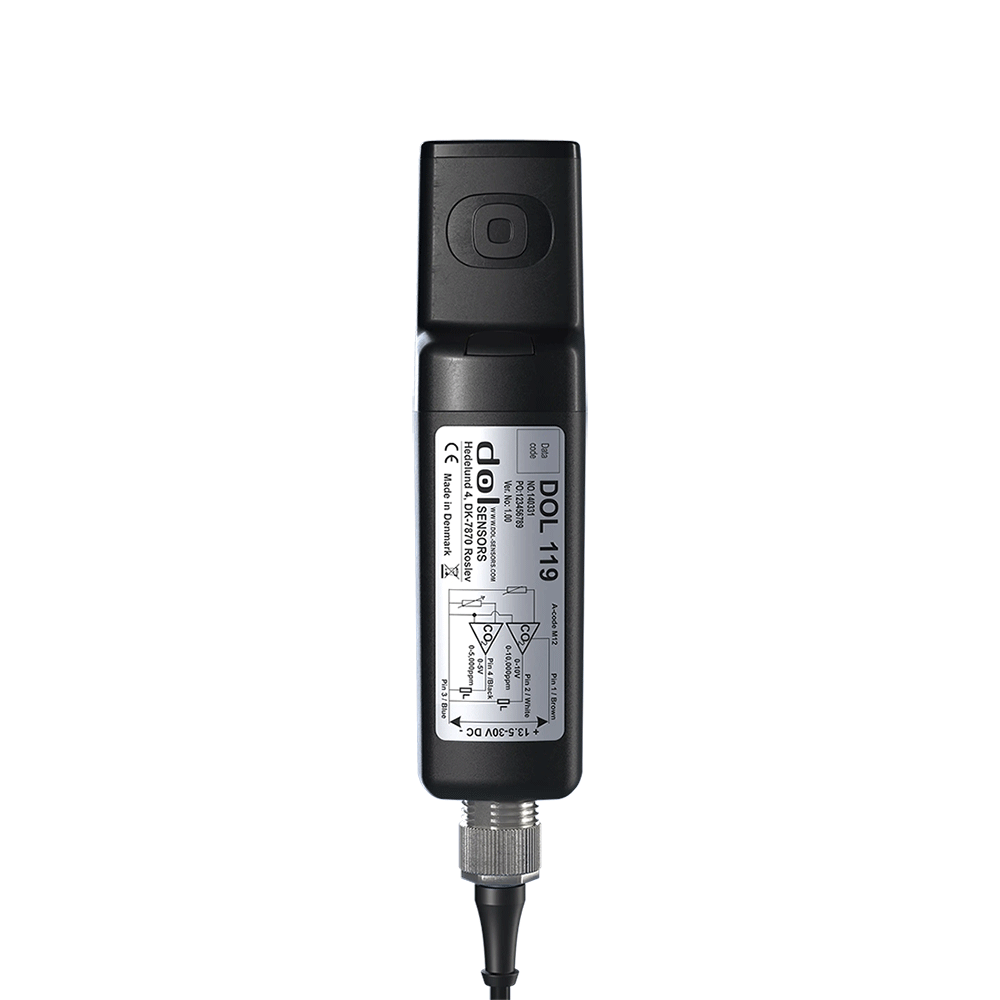
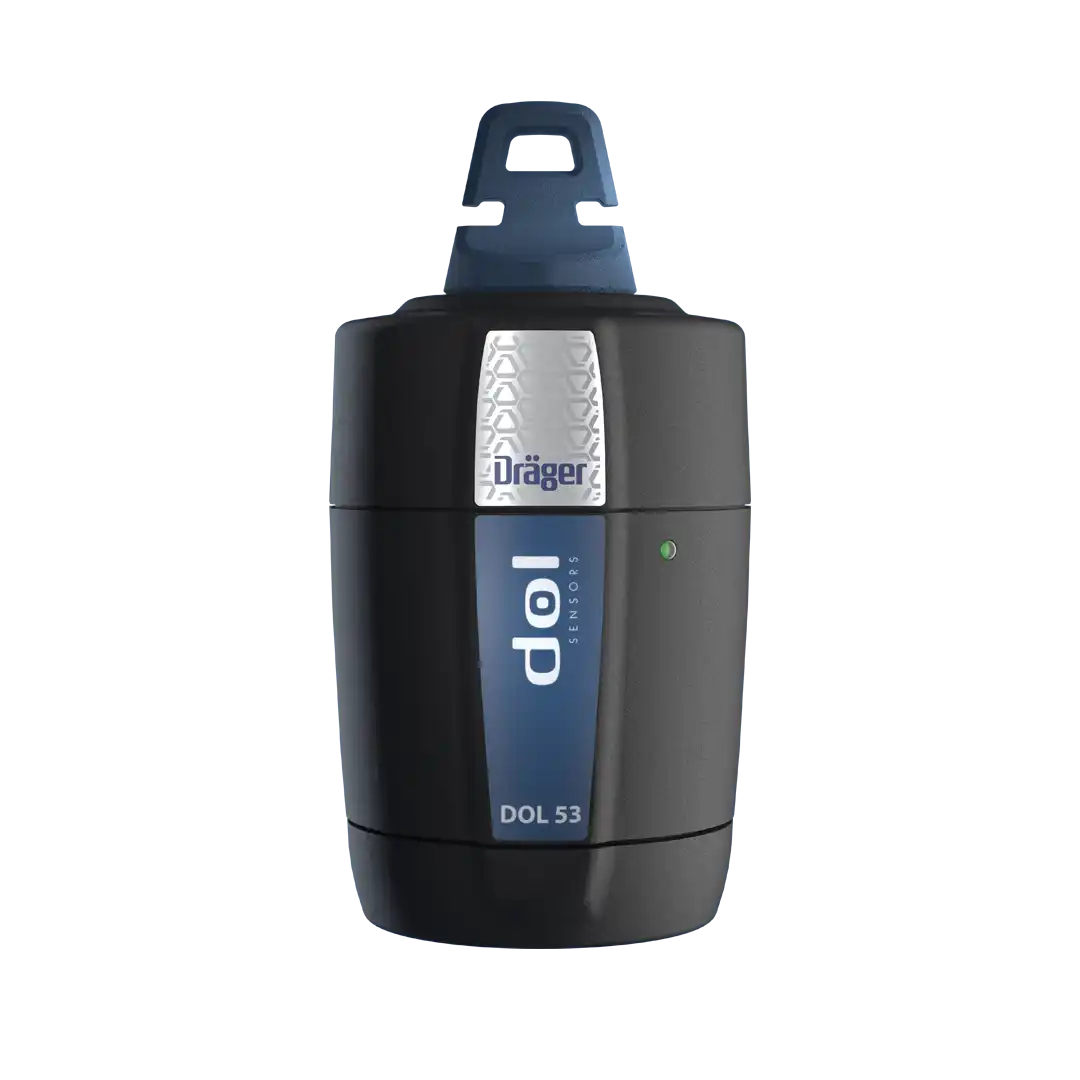
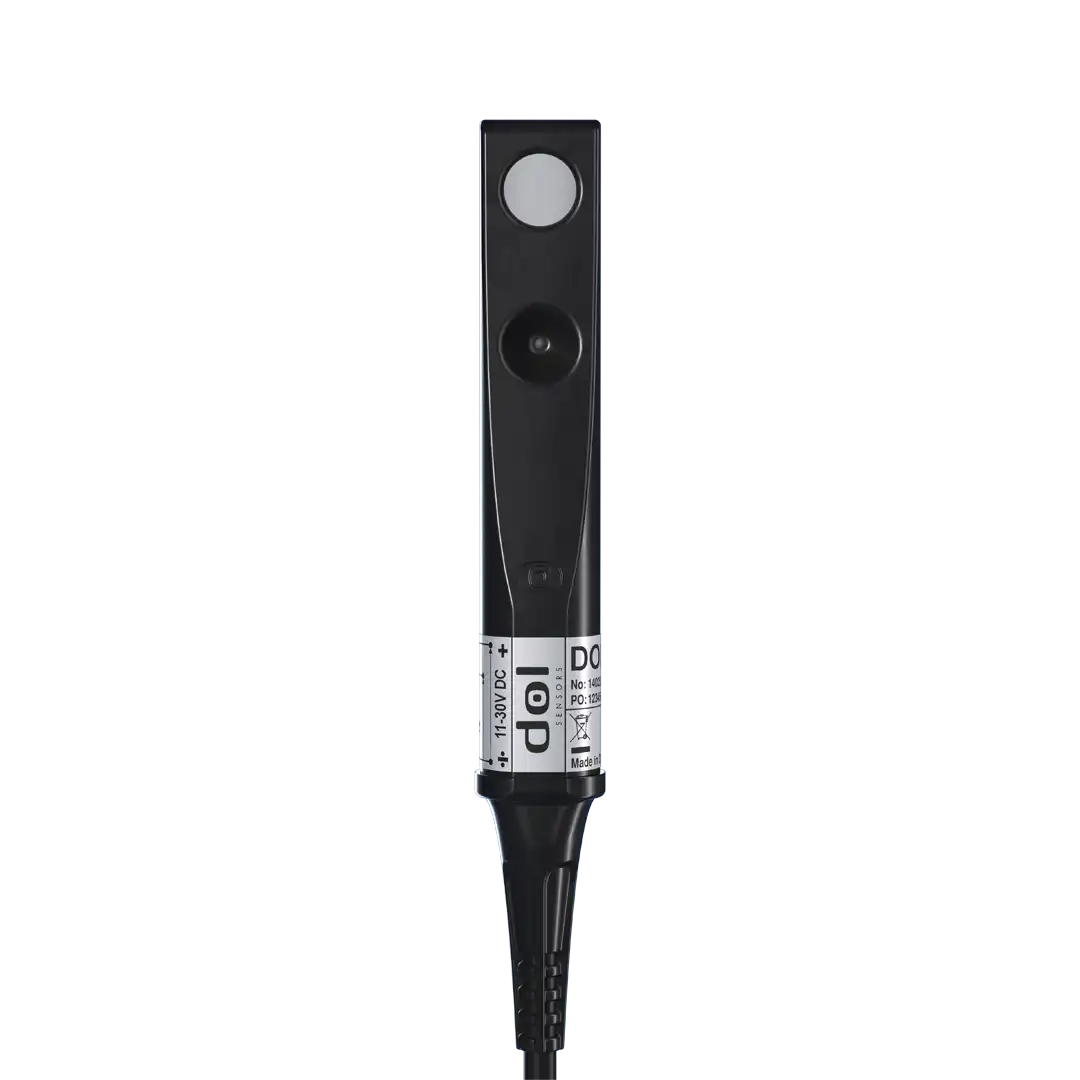
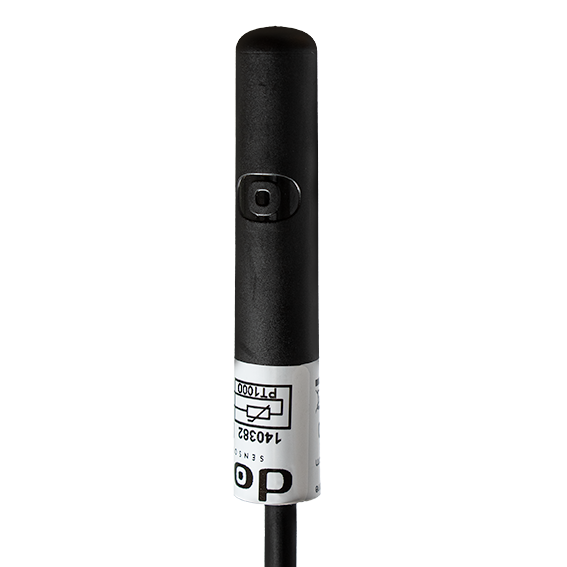
Climate sensors supply ventilation systems with continuous data on temperature, humidity, carbon dioxide, and ammonia levels in different zones of the building. Continuous ammonia monitoring with the DOL 53 maintain good air quality and reduce health risks.This allows ventilation and heating to be adjusted automatically, ensuring consistent conditions and reducing mortality risk.

Warnings in Pig Production
Discover how better monitoring and management can help identify risks early.

Rigorous Biosecurity Measures

Strong biosecurity is the first line of defense against infectious diseases that can rapidly spread within and between pig herds. Effective biosecurity protocols include controlled access to the farm, thorough cleaning and disinfection of equipment and vehicles, and strict hygiene requirements for staff and visitors.

Separating pigs by age group and production stage is particularly important in pig production, as younger animals are more susceptible to pathogens. Quarantine procedures for incoming animals help prevent the introduction of new diseases into the herd.

Optimal Nutrition and Water Supply

Proper nutrition is fundamental to pig health, immune function, and survival. Diets must be formulated to meet the specific nutritional needs of piglets, weaners, growers, and finishers. Inadequate nutrient supply or imbalanced rations can weaken pigs and increase mortality.

Feed quality should be monitored regularly to avoid spoilage, mycotoxins, or nutrient degradation. Clean, fresh water must be available at all times, as dehydration can quickly lead to health problems. Sudden feed changes should be avoided, particularly around sensitive periods such as weaning.

Disease Monitoring and Health Management

Early detection of illness is critical in preventing losses. Regular observation of pigs for signs such as reduced feed intake, lethargy, coughing, lameness, or abnormal behavior allows for prompt intervention.

Improving visibility into production performance can help identify issues before they affect herd health. Learn more about getting control in your pig production.

Close collaboration with a veterinarian is essential to establish a comprehensive health management program. This may include vaccination schedules, parasite control, routine health assessments, and clear protocols for isolating and treating sick animals to limit disease spread.

Hygiene and Sanitation

Maintaining high standards of cleanliness in pig housing reduces pathogen load and disease pressure. Regular cleaning and disinfection of pens, feeding equipment, and water systems are essential components of mortality prevention.

Effective manure management helps limit bacterial growth and improves air quality. Thorough cleaning between production cycles is particularly important in all-in/all-out systems to break infection cycles.

Stress Reduction and Animal Welfare

Stress significantly increases the risk of illness and mortality in pigs. Common stressors include overcrowding, aggressive behavior due to mixing unfamiliar animals, rough handling, excessive noise, and abrupt environmental changes.

Providing sufficient space, stable social groups, and calm handling practices helps reduce stress. Extra care should be taken during critical events such as weaning, transport, vaccination, and regrouping, as pigs are especially vulnerable during these periods.
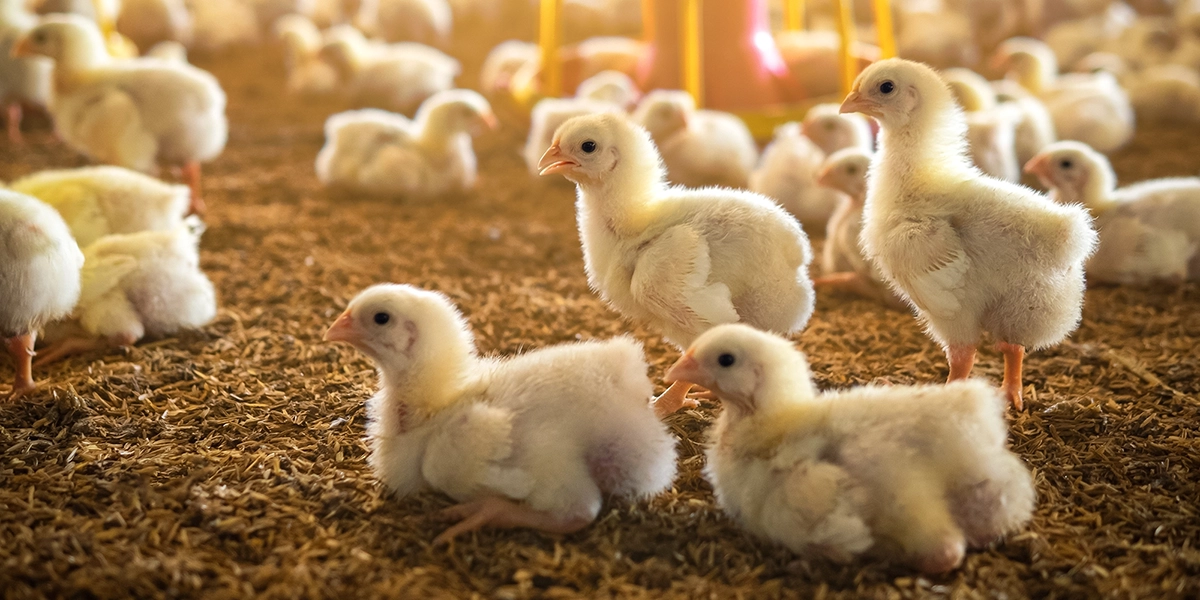
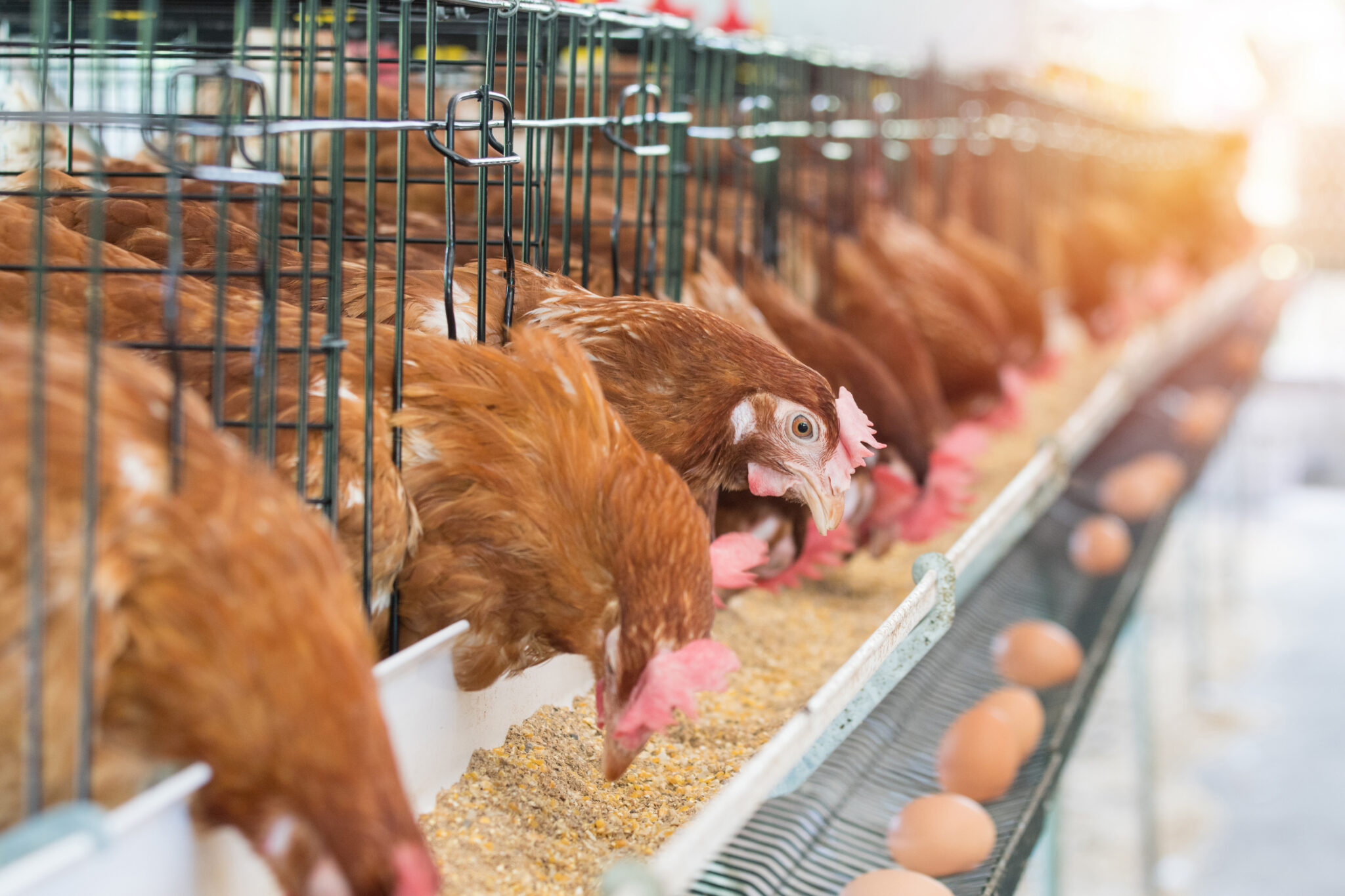
Climate Sensors Poultry
Learn how continuous monitoring helps producers identify developing production challenges through changes in water consumption, growth performance and other key production indicators.

In many countries around the world, environmental regulations are made in the poultry industry. According to The Poultry Site, poultry producers in Australia must offer environmental enrichment for meat chicken breeders. The guidelines also include changes to the minimum light intensity and required periods of darkness, ventilation, and temperature parameters for all species.

To ensure the required environmental enrichments, farmers and farm managers can take advantage of climate sensors for poultry. These are sensors that are specially designed to with-stand the harsh environment in livestock production, where dust, high humidity, temperature swings, as well as high levels of ammonia can harm the sensors and affect their performance.

Climate sensors for poultry comes in various versions, and can monitor the light intensity, level of humidity, CO2, and ammonia, and the temperature. In combination with a farm controller these climate sensors can help the farmer and farm manager controlling the ventilation system and the amount of light automatically. Furthermore, the data from the sensors can be shared with others for documentation purposes or for analysis.

Vital data from climate sensors in poultry

The data from the sensors is vital to the production. By controlling the ventilation system and light intensity automatically, the farmer or farm manager has full control of the environment and thus the animals’ welfare. In poultry, the light intensity can have a huge impact on how the animals grow, the FCR (Feed Consumption Rate), and egg laying.

The temperature is also an important factor in poultry production. A too low temperature will increase the mortality and make the birds clutch together to keep warm. They will most likely start eating more without gaining any weight due to the energy they use to keep warm.

During their life cycle, chickens require different temperatures. This is why an automatic regulation of the temperature is crusial.

Get Control In Your Poultry Production
Learn how continuous monitoring helps producers identify developing production challenges through changes in water consumption, growth performance and other key production indicators.

The Impact of Knowledge and Performance Management

Most farm manager want to know what is going on in their productions; how are the broilers performing, how big is the mortality rate, and so on. Gaining control and insight into poultry production can have a significant impact on a farm’s efficiency, profitability, and overall success.

Being well-informed about the various aspects of poultry production — from breeding and feeding to health management and environmental control — enables farm managers to make better decisions. This understanding helps in improving animal welfare, and ultimately, enhancing productivity.

Improved Health and Welfare

A thorough knowledge of poultry health and behavior empowers farm managers to swiftly identify and address issues. This leads to healthier flocks, lower mortality rates, and reduced need for medical interventions, which can be costly and sometimes detrimental to the birds’ health and the quality of the produce.

Higher Product Quality and Yield

Farm managers who have a deeper understanding of their poultry’s performance can achieve higher product quality. This includes better meat texture and flavor, as well as higher egg production rates and quality. Such improvements are often the result of well-managed feeding programs, optimal living conditions, and stress reduction strategies.

The Importance Of Light In Poultry Production
Learn how continuous monitoring helps producers identify developing production challenges through changes in water consumption, growth performance and other key production indicators.

Lighting is a critical factor in poultry production, directly influencing animal welfare, growth, and overall productivity. To understand its impact, it is important to look at how birds perceive and respond to both light intensity and duration.

Light Intensity and Color Spectrum

Chickens perceive light differently than humans, not only through their eyes but also through the top of the skull. They are sensitive to a wider spectrum, including red, blue, green, and ultraviolet light. This makes the choice of lighting essential.

  • Warm or yellow LED light is generally considered best for poultry housing.
  • Green and cool blue light have been shown to stimulate growth in broiler chickens.
  • Red-spectrum light can reduce aggression and improve egg production in laying and breeding hens.

The correct light intensity also affects feed and water intake, aggression, and cannibalism. Adjusting the light at different growth stages helps manage behavior, health, and performance.

Duration of Light

Poultry thrive on a consistent day–night cycle. Providing the right light schedule supports activity levels, growth, immune function, and overall health. Proper light duration improves mobility, alertness, and productivity, all of which enhance flock welfare.

Equal Light Distribution

Uneven lighting encourages birds to crowd in darker areas for rest or egg laying, which can cause management issues. Unequal distribution may also result in cold, moist litter in unused areas, increasing the risk of poor litter quality and mold formation. Ensuring even light distribution helps birds spread evenly throughout the house and improves overall flock performance.

Selected Sensors

Documents

English
Leaflet
DOL 119 One pager
English
Leaflet
DOL 53 Ammonia Sensor_Onepager
English
Leaflet
DOL 114 Humidity and Temperature Sensor_Onepager
English
Leaflet
DOL 112 Temperature Sensor Onepager

Join our newsletter

Stay ahead in livestock production.

Join our newsletter and get industry insights, expert perspectives, and practical strategies for optimizing performance and efficiency.