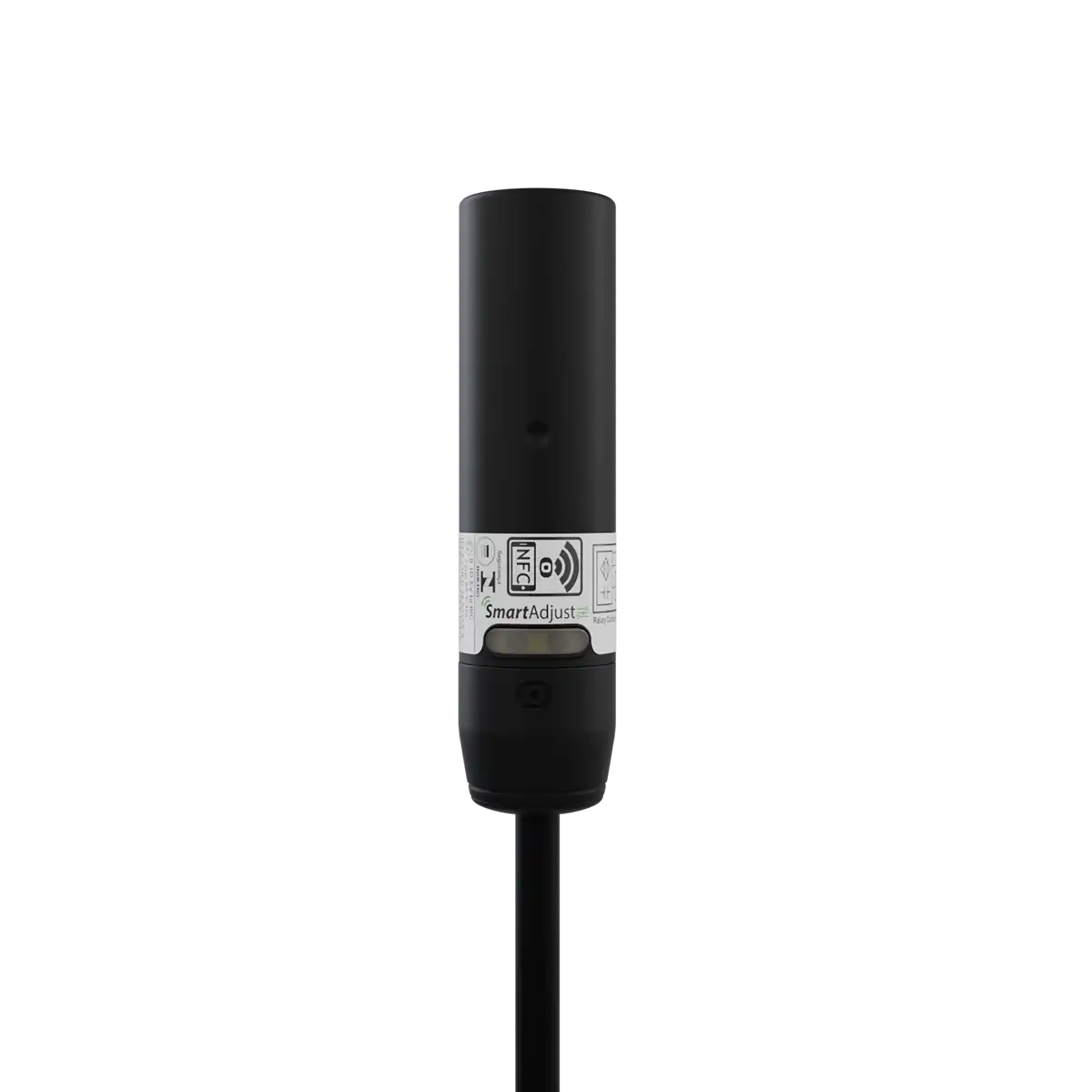
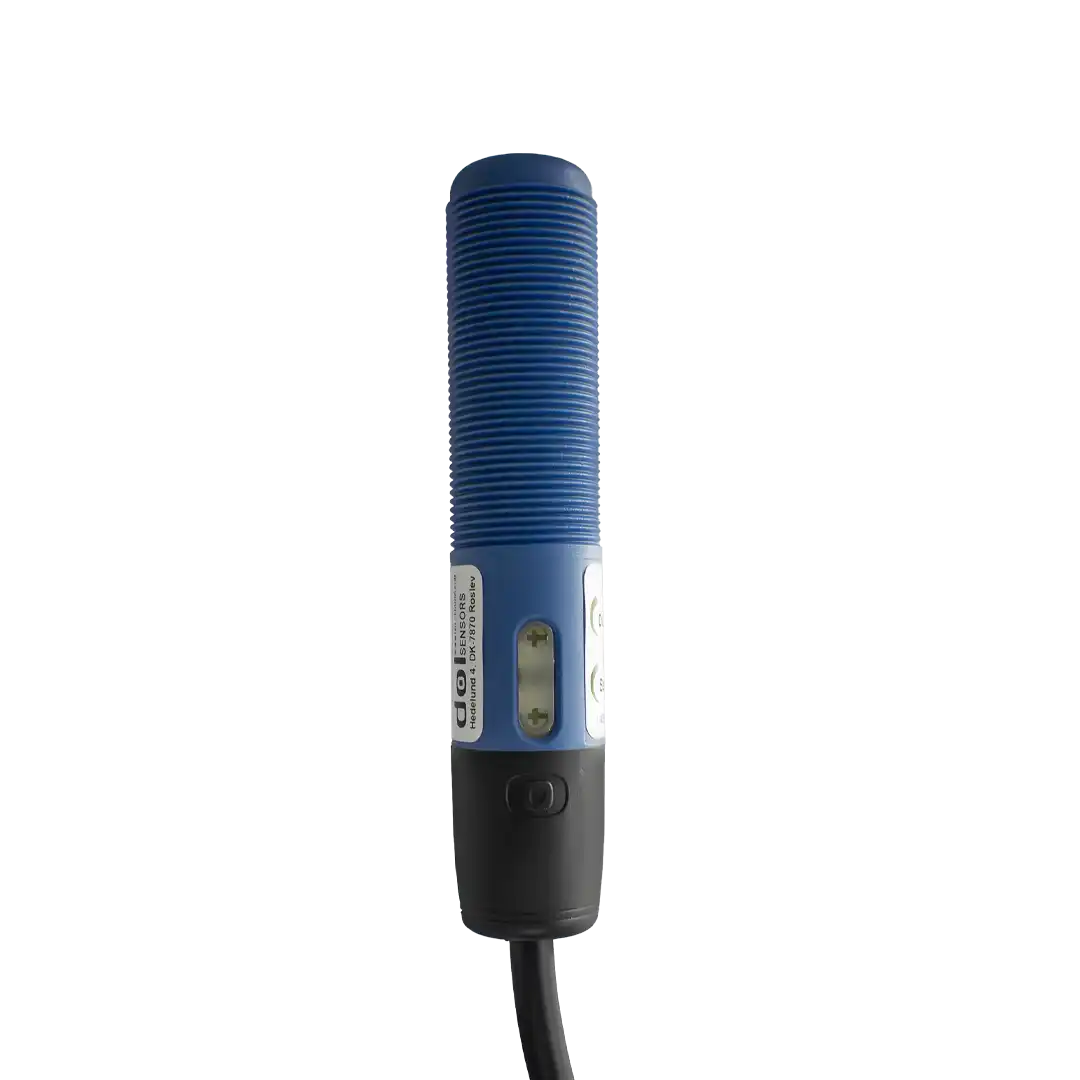
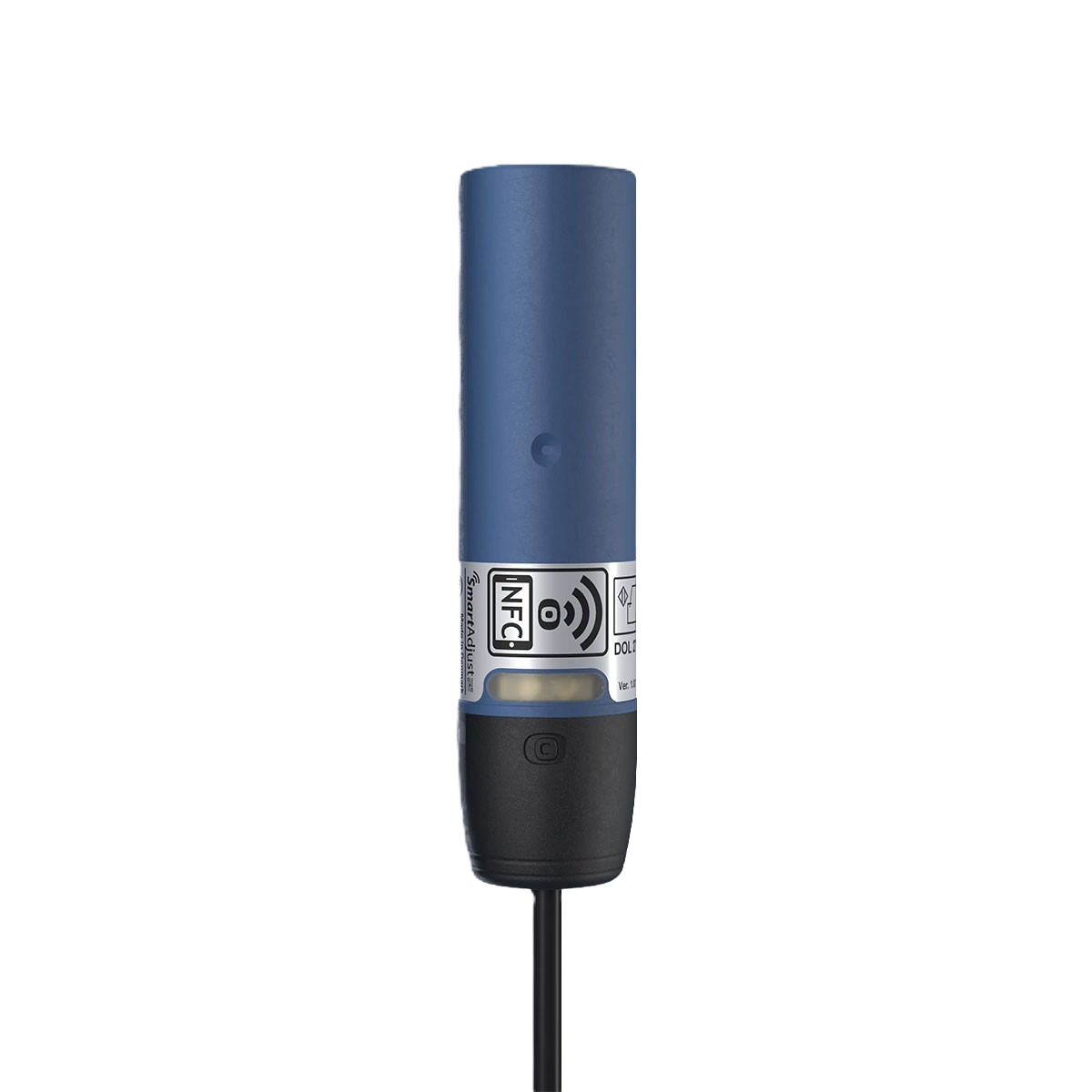
Max Run Timer

Prevent Costly Feed Spills and Auger Wear

If a feeding line or a drop tube is broken, a hopper is overturned or any other damage happens to the fill system you can expect costly feed spills and auger wear. Our sensors’ Max Run Timer helps prevent feed spills by regulating the maximum operating time of feed and fill system motors.

No Need for Extra Equipment

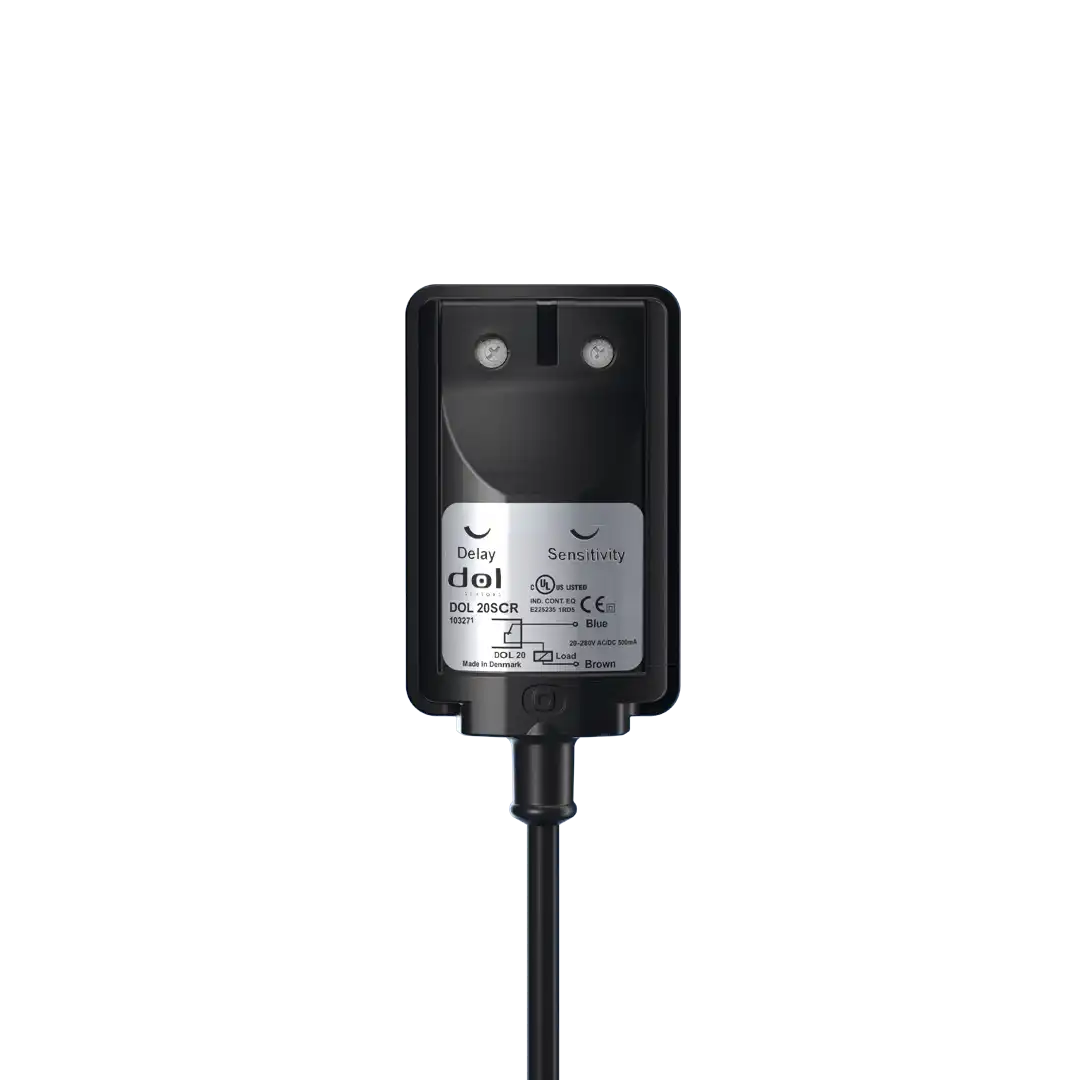
All dol-sensors’ capacitive sensors with NFC (iDOL sensors) have a built-in option for applying Max Run Timer. Normal sensors on the market do not have integrated Max Run Timer which means that you will need a seperate timer device for this.

Mechanical Switches vs. Capacitive Sensors
Discover how capacitive sensors can improve feed system reliability, reduce maintenance, and support more consistent livestock production.

Setting up the Max Run Timer

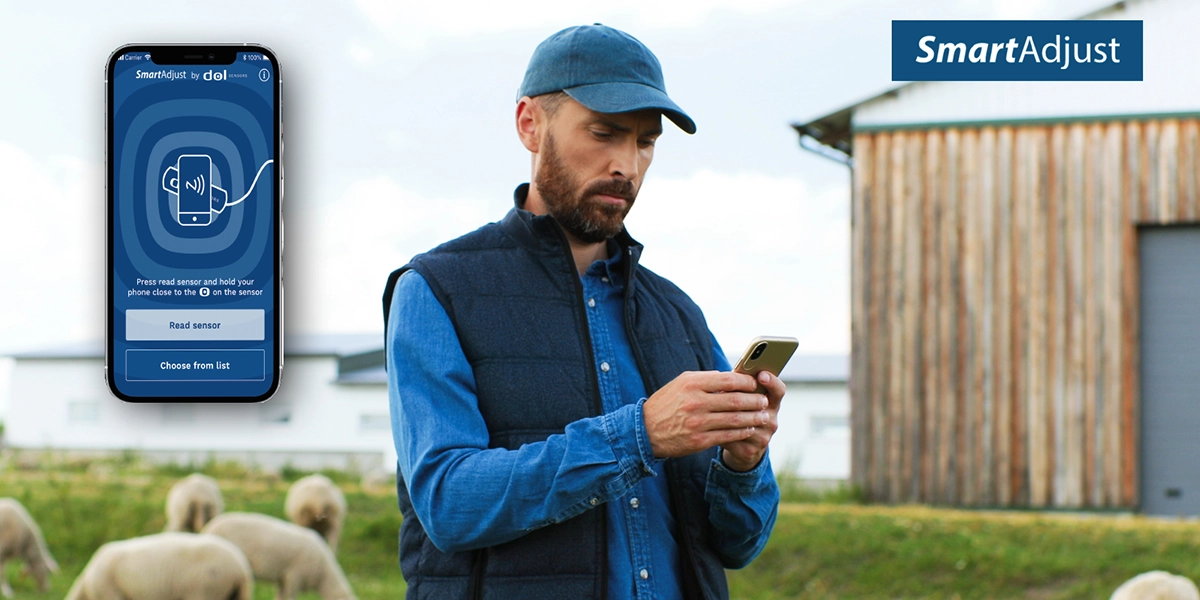
With the SmartAdjust App on your smartphone you can set your iDOL sensors to both on-delay, off-delay, and Max Run Timer at the same time. The Max Run Timer can be set to maximum run times of anything between 0-7200 seconds.

Sensors with Max Run Timer are placed as the sensor that calls for feed (or other materials, e.g. pellets). For examples as the last sensor in the feeding line or the top sensor in the hopper.

When the Max Run Timer has been activated you can reset it by unplugging the sensor.

Runs with Most Feeding Systems

dol-sensors have more than 50 years of experience with designing and producing sensors for the agricultural business. Thus, our capacitive sensors with NFC runs with most feeding systems.

SmartAdjust
Learn how continuous monitoring helps producers identify developing production challenges through changes in water consumption, growth performance and other key production indicators.

Simple adjustment of your sensors with your smartphone

The SmartAdjust App helps you control all your sensors’ functions in an intuitive way using only your smartphone.

SmartAdjust works with all iDOL sensors and gives you precise adjustments without having to remove the sensors.

Easy installation

With the SmartAdjust App you can copy settings to multiple sensors and thus adjust all your sensors at once prior to installation. There is no need for powering the sensors before adjusting them with the app.

You can also save configuration setting for later or share them with others.

Do more with one sensor

The app makes it possible to do more with one sensor. For example, you can configure your iDOL sensors to have on/off delay and Max Run Time at the same time.

From Sensor Data to Smarter Farm Management
Learn how continuous monitoring helps producers identify developing production challenges through changes in water consumption, growth performance and other key production indicators.

Modern pig farms generate enormous amounts of data - but data alone doesn't create value. The real impact comes from integrating climate, feed, water, and weight data into one unified system.

What Integration Enables

Cross-parameter Insights

Correlating multiple data streams highlights trends that would remain hidden if viewed separately. For example, rising temperatures with declining feed intake can reveal early signs of heat stress before it comes visible in animal behavior.

Automated Reporting

Integrated data flows simplify documentation for audits, sustainability reporting, and compliance requirements - saving hours of manual work.

Predictive Analytics

Historical patterns support forecasting, allowing the system to alert before a potential issue escalates. This enables early interventions that protect both animal health and performance.

Benchmarking and Comparison

With all data in one place, farm managers can easily compare barns, batches, production cycles, or even farm locations. This visibility highlights improvement opportunities and supports more consistent results across operations.

Practical Examples

  • Detecting ventilation malfunction before pigs show symptoms of stress
  • Identifying feed system irregulates through water-feed correlation
  • Improving batch uniformity by adjusting climate based on growth data
  • Reducing labor time spent on manual checks
  • Identify issues in the barn online without being in the house
Automated Climate and Ventilation in Poultry
Learn how continuous monitoring helps producers identify developing production challenges through changes in water consumption, growth performance and other key production indicators.

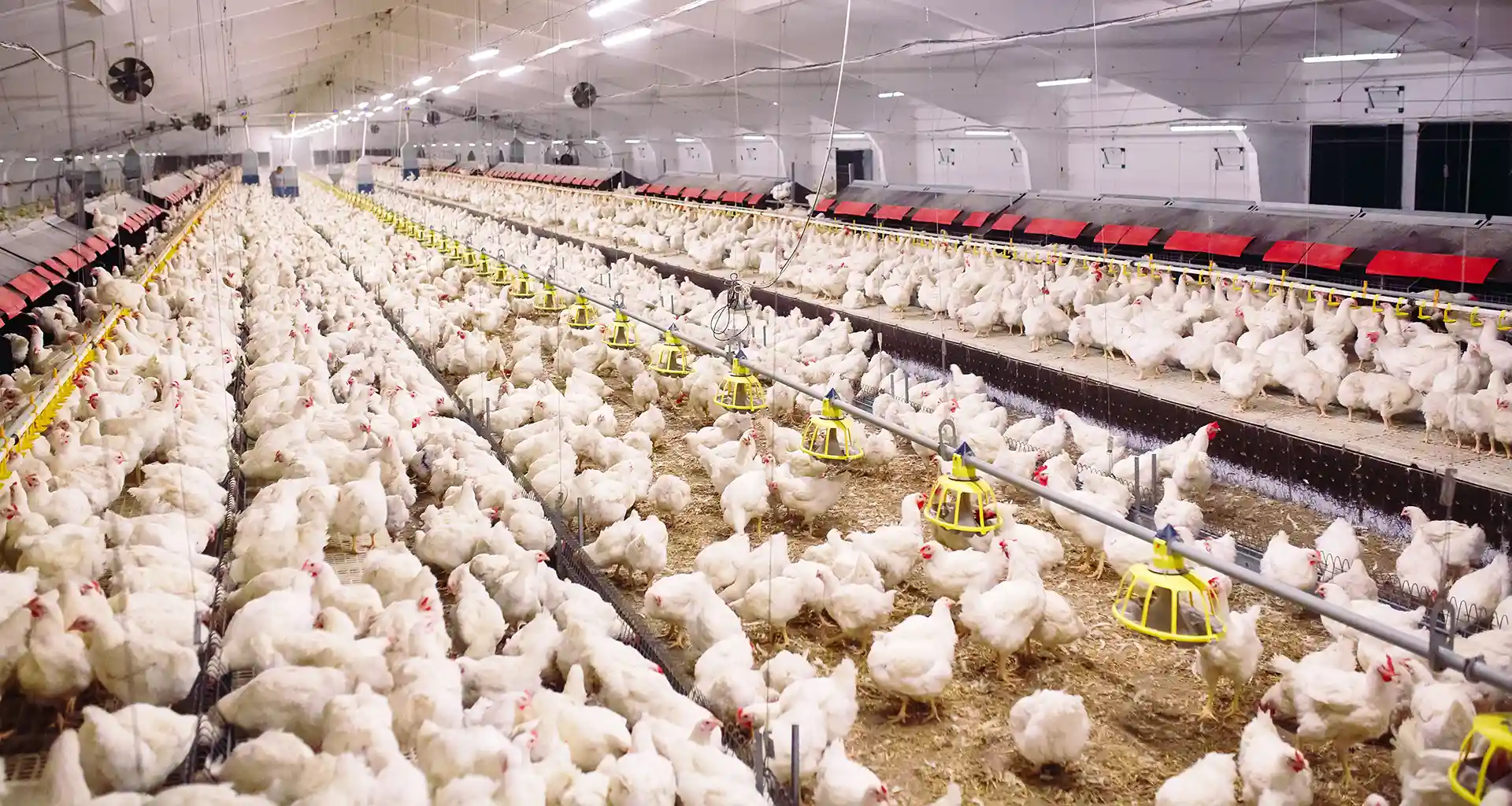
Climate management is one of the most decisive factors in successful poultry production. Poultry are extremely sensitive to their environment, particularly temperature, air quality, and airflow. Because birds have a high metabolic rate and limited ability to regulate body temperature, even small deviations from optimal conditions can quickly lead to heat stress, reduced feed intake, poor growth, higher mortality, and uneven flock performance. Automated climate and ventilation systems play a critical role in maintaining stable conditions and supporting efficient, modern poultry production.

Why Climate Control Is Essential in Poultry Houses

Unlike mammals, poultry do not sweat. They regulate body temperature mainly through respiration and behavior, making them highly dependent on ventilation and air movement. Inadequate climate control can result in:

  • Heat stress during warm periods
  • Chilling and uneven growth during cold conditions
  • Wet litter due to poor moisture removal
  • Elevated ammonia levels that damage respiratory health and footpads

High stocking densities further increase heat and moisture production, especially in broiler houses. Manual climate adjustments are often too slow and imprecise to respond to rapid changes in bird age, body weight, or outside weather conditions.

Automated systems continuously monitor and regulate critical environmental parameters such as:

  • Temperature and relative humidity
  • Ammonia and carbon dioxide levels
  • Air velocity and pressure
  • Outside climate conditions

Based on real-time data, ventilation rates, heating, cooling, and air inlets are adjusted automatically to match the birds’ needs at every stage of production.

Selected Sensors

Documents

English
Leaflet
SmartAdjust Leaflet
English
Leaflet
Capacitive Brochure

Join our newsletter

Stay ahead in livestock production.

Join our newsletter and get industry insights, expert perspectives, and practical strategies for optimizing performance and efficiency.