
SmartAdjust

Simple adjustment of your sensors with your smartphone

The SmartAdjust App helps you control all your sensors’ functions in an intuitive way using only your smartphone.

SmartAdjust works with all iDOL sensors and gives you precise adjustments without having to remove the sensors.

Easy installation

With the SmartAdjust App you can copy settings to multiple sensors and thus adjust all your sensors at once prior to installation. There is no need for powering the sensors before adjusting them with the app.

You can also save configuration setting for later or share them with others.

Do more with one sensor

The app makes it possible to do more with one sensor. For example, you can configure your iDOL sensors to have on/off delay and Max Run Time at the same time.

Adjust Sensors with Ease
Use SmartAdjust to configure, save, and share sensor settings quickly from your smartphone.

Smart features

iDOL sensors and SmartAdjust can be used without parring the sensors.

Configurations can be saved and shared amongst your staff to be used in other livestock houses.

In-reach configuration ensures excellent security and eliminates the risk of configuring other sensors than the one intended.

Avoid guessing and get more accurate readings as SmartAdjust makes it configure sensor settings exactly the way you want them to be.

With SmartAdjust you can:

  • Easily and intuitively configure all iDOL sensors with no power applied
  • Preconfigure sensors before installation in your production
  • Copy settings to multiple sensors
  • Save the configuration for later use or documentation
  • Share sensor configurations with others
  • Do more with one sensor making it more flexible than any other sensor

With the SmartAdjust app it is much easier to operate and understand your sensors.  The setup of parameters is done in a user-friendly interface, which is easy to understand.

SmartAdjust is now available in the following sensors from dol-sensors a/s:

Capacitive Sensor With Heat
Learn how continuous monitoring helps producers identify developing production challenges through changes in water consumption, growth performance and other key production indicators.

Capacitive Sensor with Built-In Heating

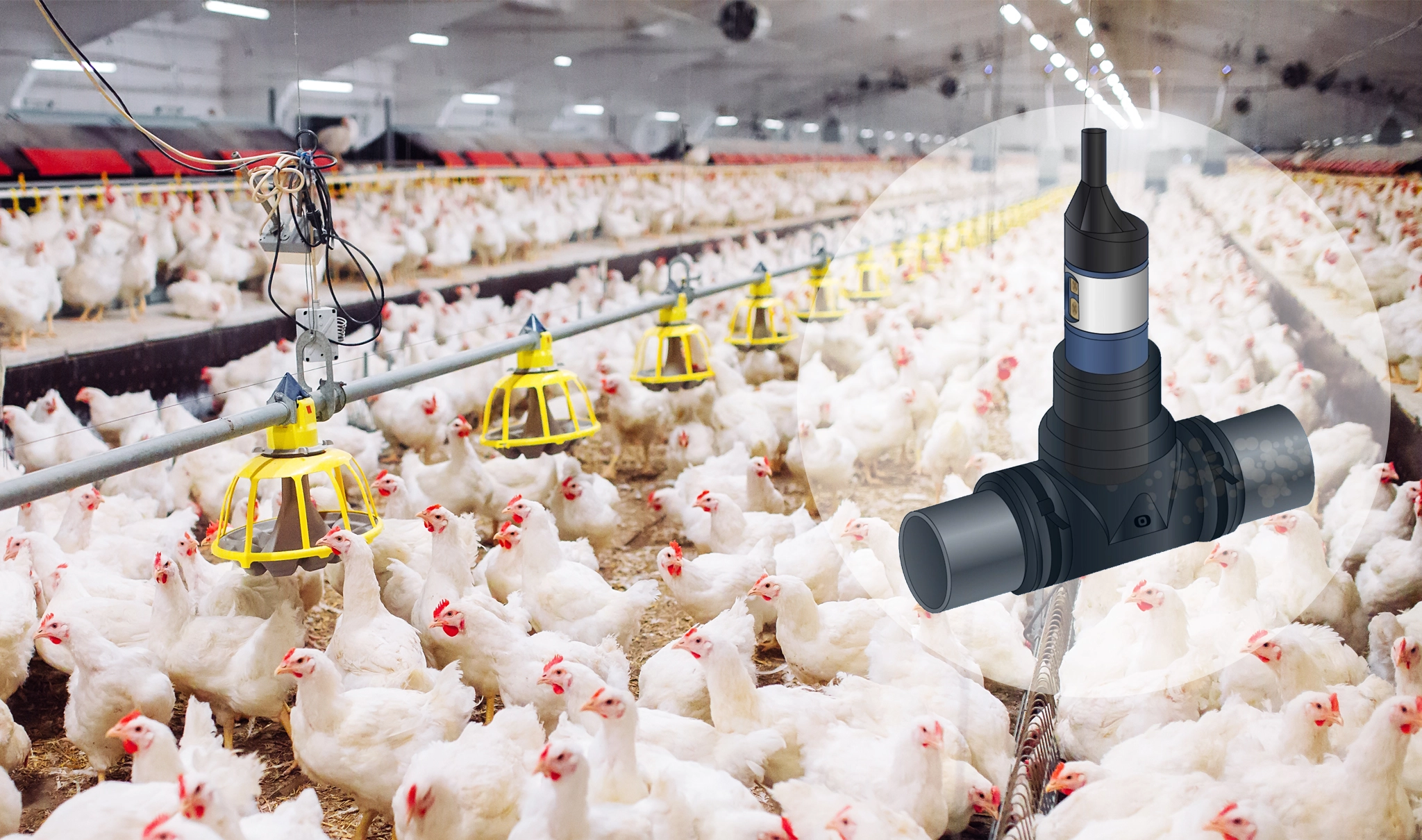
In environments where temperature fluctuations and high humidity pose a challenge to sensor reliability, the DOL 44 Capacitive Relay Sensor stands out as a robust solution. This advanced sensor features an integrated heating element, specifically designed to prevent condensation and ice buildup — a common problem in very cold or damp settings that can impair sensor accuracy and longevity.

Capacitive sensors operate by detecting changes in capacitance caused by the presence of materials, making them ideal for monitoring levels of grain, feed, and solids. However, in environments with condensation and cold temperatures, moisture and ice can interfere with sensor readings. The DOL 44 counters this issue by maintaining a stable internal temperature, ensuring consistent performance regardless of external conditions.

The built-in heating function not only increases the reliability of the sensor but also extends its operational life in demanding agricultural, industrial, or outdoor applications.

Mechanical Switches Vs Capacitive Sensors
Learn how continuous monitoring helps producers identify developing production challenges through changes in water consumption, growth performance and other key production indicators.

Damaged Mechanical Switches Cause Problems in Livestock Feed Lines

In the world of livestock production, efficient and reliable feed delivery systems are crucial. These systems often rely on sensors to regulate and monitor feed flow.

Among the most commonly used are mechanical switches and capacitive sensors. While each has its advantages, there are some distinct problems associated with mechanical switches compared to capacitive sensors.

Mechanical Switches: Prone to Wear and Tear

Mechanical switches function through physical contact, which inherently makes them prone to wear and tear. In a livestock feed line, these switches are subjected to constant movement and abrasive feed materials, leading to a gradual degradation of their components. Over time, this can result in:

Increased Maintenance

Frequent replacements and adjustments become necessary as parts wear out. This means more work and more unwanted disturbances to the livestock.

Inaccuracy

Worn-out switches may fail to accurately detect feed levels, leading to overfilling or underfeeding. Every farm manager knows that this will have a huge effect on the production since it increases the risk of mold formation in the litter, leads to feed spill, and influences the growth of the livestock significantly.

Downtime

Failure of a mechanical switch can halt the feeding process, leading to downtime in operations. As with inaccuracy, downtime will influence the growth of the livestock and in extreme conditions lead to a large production loss.

Consistent And Reliable Feed Supply In Poultry Production
Learn how continuous monitoring helps producers identify developing production challenges through changes in water consumption, growth performance and other key production indicators.

Feed supply involves the delivery of raw materials, ingredients, or mixed feed to production sites like factories, plants, or animal farming operations. Maintaining a steady and dependable supply of feed is essential for the efficient functioning of any production site and for the well-being of animals in farming contexts.

Incorporating Capacitive Sensors into Feed Supply Management

Enhancing the feed supply chain’s effectiveness can be achieved by integrating capacitive sensors. Capacitive sensors are electronic devices that measure the capacity or amount of electrical charge stored in a material. They work by detecting changes in capacitance, which is the ability of a material to store an electrical charge.

Capacitive sensors have a wide range of applications in managing feed supplies. For instance, they are effective in gauging the quantity of raw materials in storage facilities like bins, silos, or tanks. This monitoring helps in averting material shortages and guarantees uninterrupted production due to sufficient raw material or compound feed availability.

Monitoring The Flow Rate

Capacitive sensors can also be used to monitor the flow rate of raw materials being transported through pipes or conveyor belts. This can help to optimize the rate at which materials are supplied to the production process, ensuring that there is neither an excess nor a deficiency of raw materials.

Overall, the use of capacitive sensors in the feed supply process can help to improve efficiency, reduce costs, and prevent disruptions in production. They offer a reliable and cost-effective means of monitoring and controlling the flow of raw materials, ensuring that production can be maintained at optimal levels.

Selected Sensors

No items found.

Documents

English
Leaflet
SmartAdjust Leaflet

Join our newsletter

Stay ahead in livestock production.

Join our newsletter and get industry insights, expert perspectives, and practical strategies for optimizing performance and efficiency.