
Eggs are not only a staple in diets worldwide but also a significant source of income for poultry farmers. Understanding how to maximize your hens’ egg-laying potential is crucial for both economic gains and meeting the nutritional needs of your community.
Laying hens, distinct breeds of chickens specifically chosen for their high egg production rates, are responsible for producing eggs. These breeds differ significantly from broilers, which are raised primarily for meat. Laying hens tend to be smaller in size with less muscle mass compared to broilers. Their body structure is more conducive to egg laying, often with wider pelvises.
Proper lighting is essential as it influences the laying cycles of the hens and helps regulating the reproductive hormone levels that affect egg laying. Approximately 14-16 hours of light per day can stimulate hens to lay more eggs, but the intensity of light matters too. To ensure an optimum light plan, farm managers can use data from reliable sensors like DOL 16 light intensity sensor.
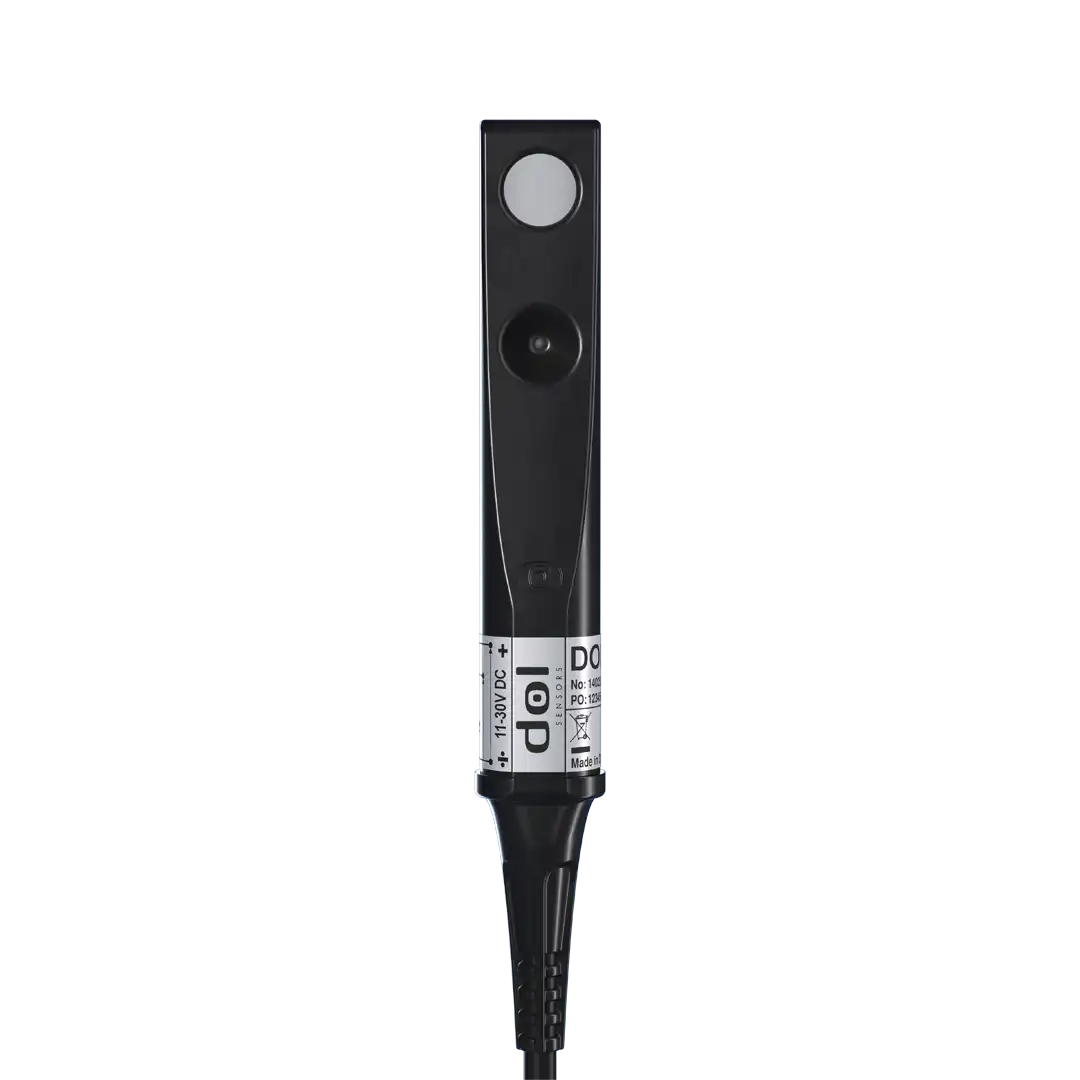
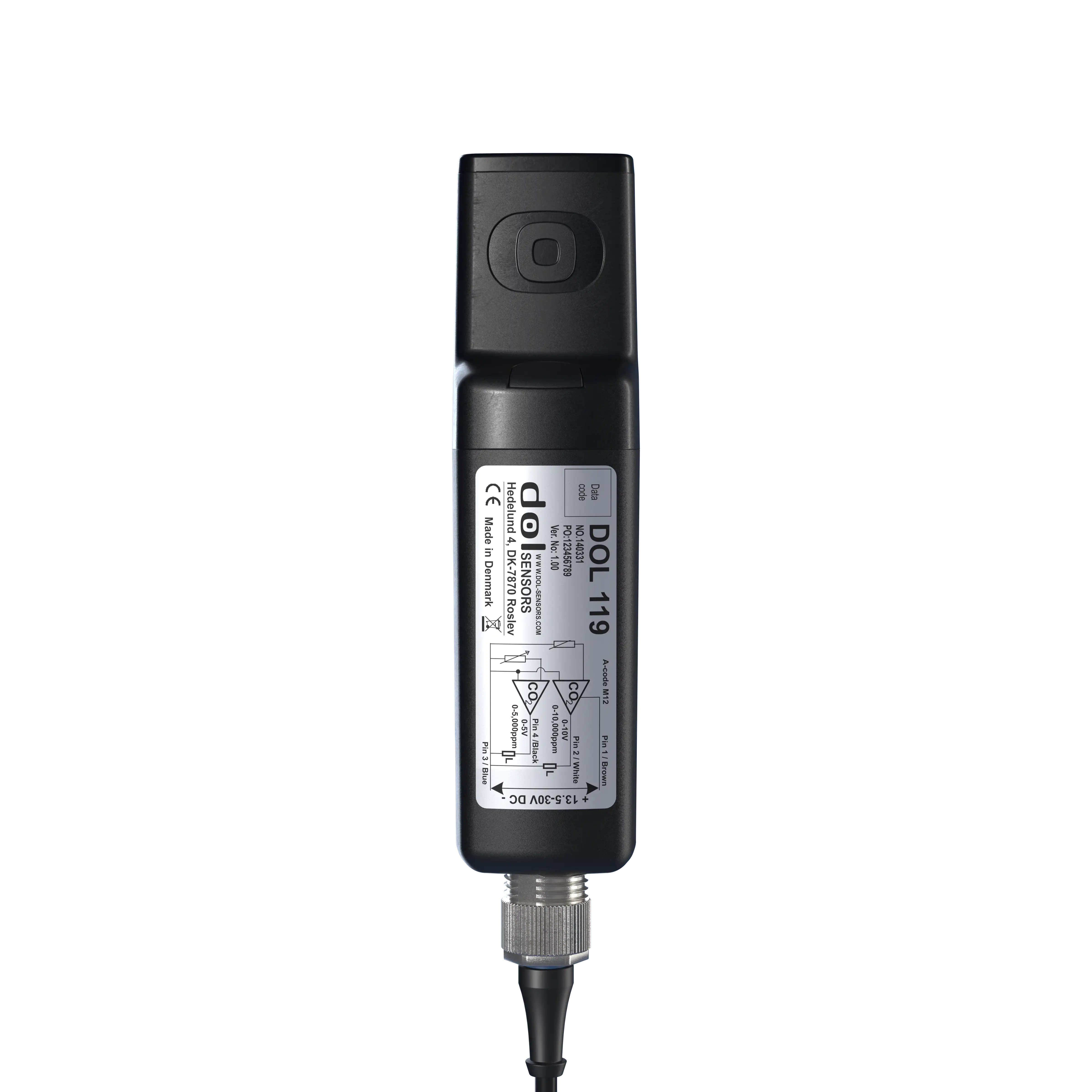
Equally important is the living conditions. Hens require a clean, stress-free, and comfortable environment to lay eggs consistently. Overcrowding, poor ventilation, and unhygienic conditions can lead to a decrease in egg production and a higher risk of diseases. Monitoring the temperature and humidity, the CO2 level, and the ammonia level in the barn is therefore vital factors in ensuring an optimum environment in the barn.
The cornerstone of high egg production is a balanced diet specifically formulated for layers. Layers require a diet rich in proteins, essential vitamins (like A, D, and E), and minerals (especially calcium and phosphorus) to consistently produce eggs. Incorporating feed additives like enzymes and probiotics can further enhance digestion and nutrient absorption, leading to better egg production. In most layer houses, the hens can feed whenever they like. That means that a reliable feed supply is essential, since lack of feed can result in less productivity.
Water is as important as food. Layers need a constant supply of clean, fresh water to maintain egg production. Any compromise in water quality or availability can quickly lead to a drop in egg numbers.
Understanding the lifecycle of your hens is vital too. Laying hens have a longer lifespan in production settings than broilers, as their value is in sustained egg production over several months to years. They start laying eggs at about 18-22 weeks of age and can continue for several years, though their peak production is usually in the first year.
Egg production and egg quality peak at around 30 weeks of age and then gradually declines as hens age, so managing the flock composition over time is necessary for sustained production.