Adequate Ventilation
Proper ventilation is crucial in a pig environment. It helps to remove excess moisture, ammonia, and other harmful gases, and supplies fresh air, reducing the risk of respiratory problems. The design of the housing should allow for adequate air circulation without creating drafts.
Humidity Control
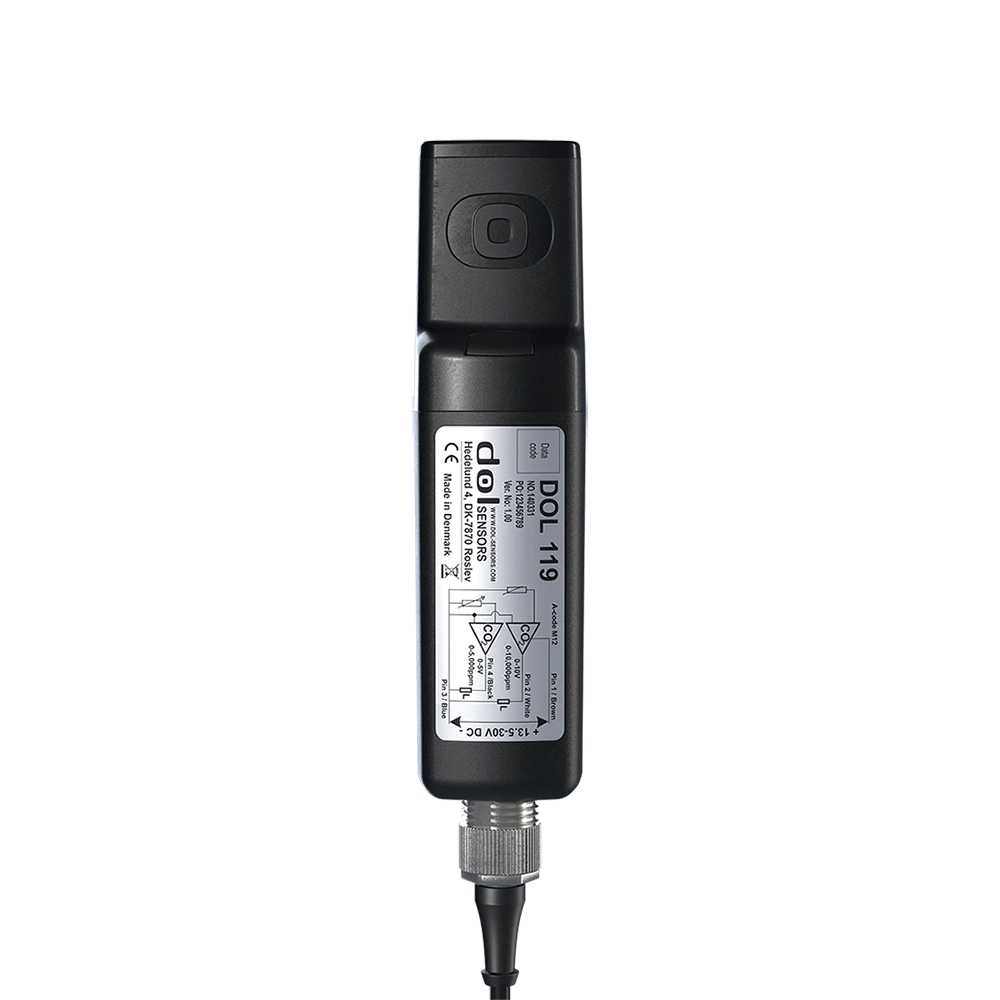
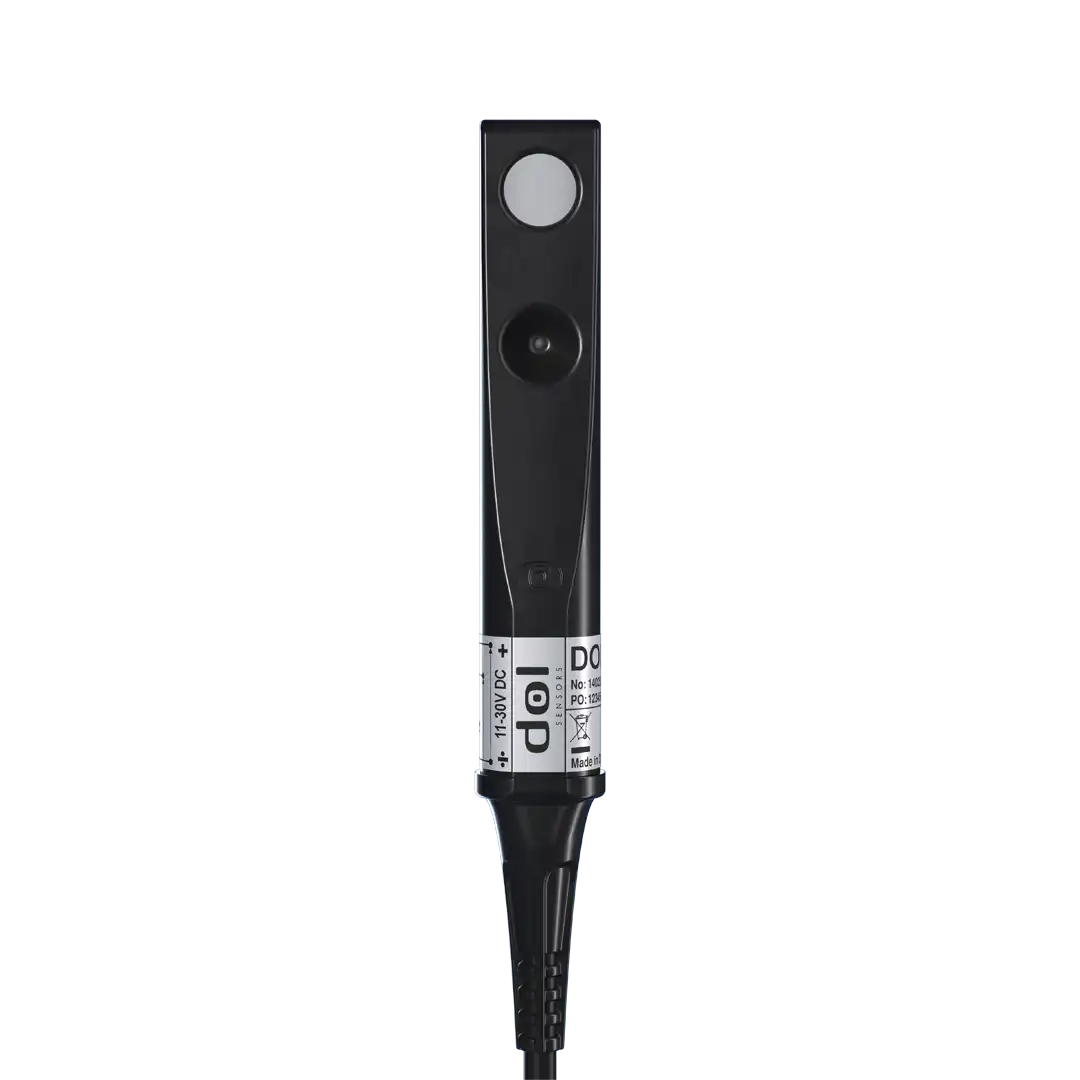
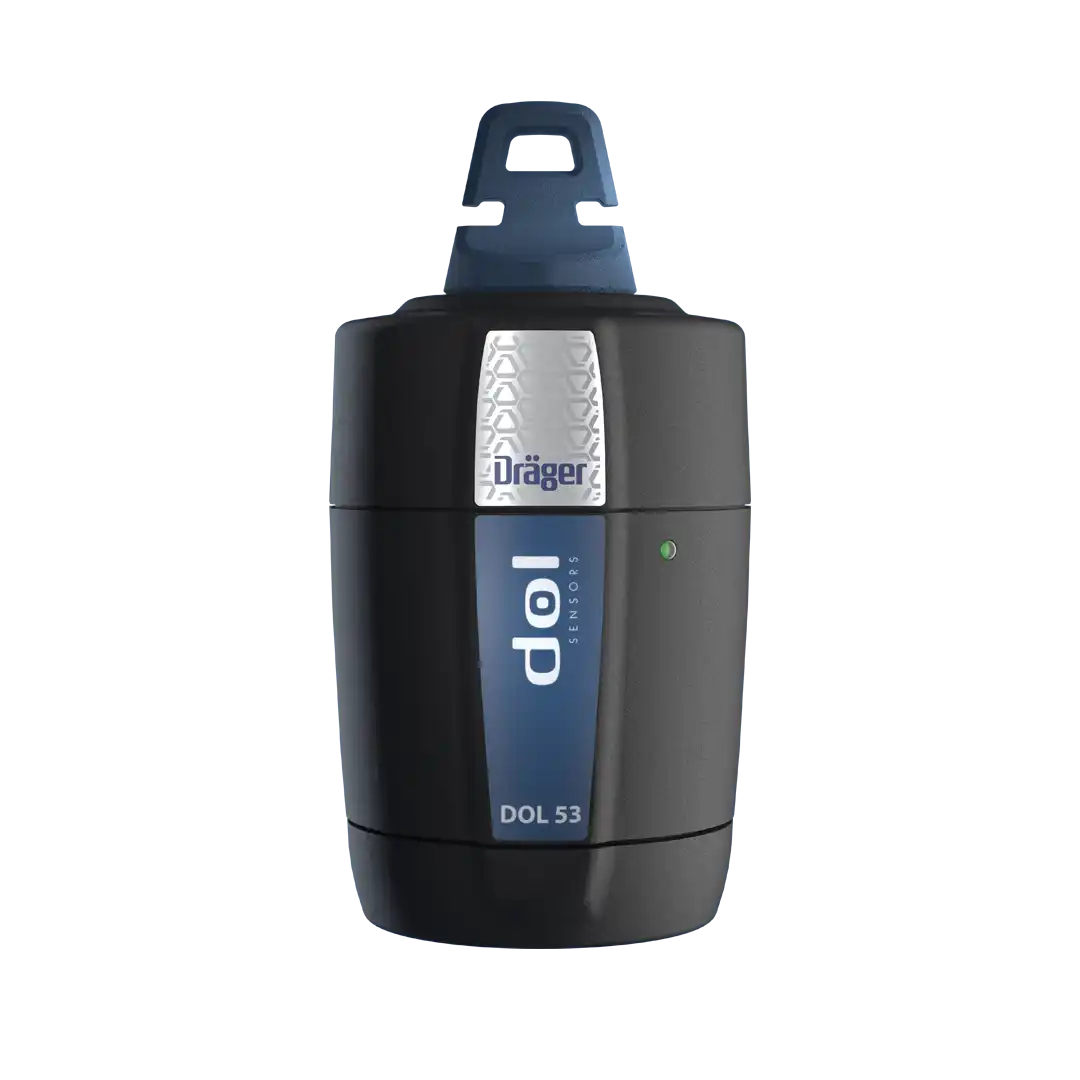
High humidity levels can lead to the development of diseases and affect the comfort levels of pigs. A balance must be struck to maintain humidity levels that are neither too high nor too low. Automated farm systems combined with accurate humidity sensors can help monitor and control the humidity in pig housing.
Space Requirements
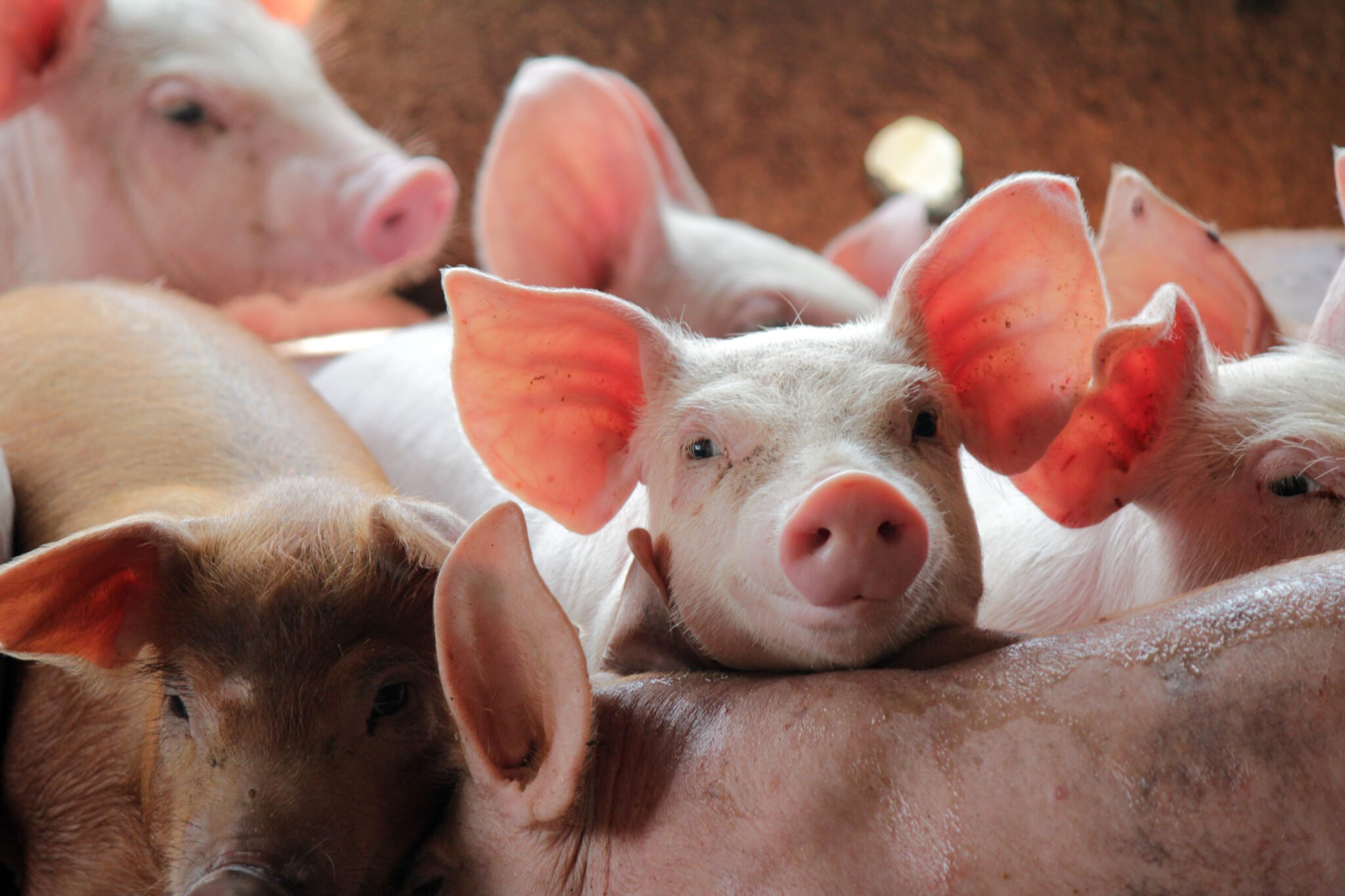
Overcrowding can lead to stress, aggression, and increased risk of disease among pigs. Ensuring adequate space is critical. This includes sufficient room in sleeping areas, feeding spaces, and exercise yards.
Regular Cleaning and Maintenance
Regular cleaning and disinfecting of the pig housing prevent the buildup of pathogens and ensure a healthy living space.
Stress Reduction
Stress can weaken the immune system of pigs. Therefor it is extremely important not to desturb them more than necessary. A tool to this can be ustilising prober equipment in the barn that is robust and well-tested, to minimize the need for service.