Capacitive Sensors For Modern Poultry Production

Reliable feed monitoring is essential in modern poultry production. Feed sensors help ensure that feed is delivered when needed, preventing empty feed lines, reducing waste, and supporting efficient flock management. Among the available sensor technologies, capacitive sensors are a popular choice due to their high reliability and ability to detect a wide range of materials without the need for mechanical moving parts.

Why Choose Capacitive Sensors for Poultry Feed Lines?

Capacitive sensors detect material by sensing changes in capacitance. This allows them to identify the presence of feed, grain, pellets, and other bulk materials without direct mechanical contact.

For poultry houses, capacitive sensors offer several advantages:

  • Reliable feed level detection
  • No moving parts prone to wear
  • Low maintenance requirements
  • Resistance to dust and harsh environments
  • Compatibility with automated feeding systems

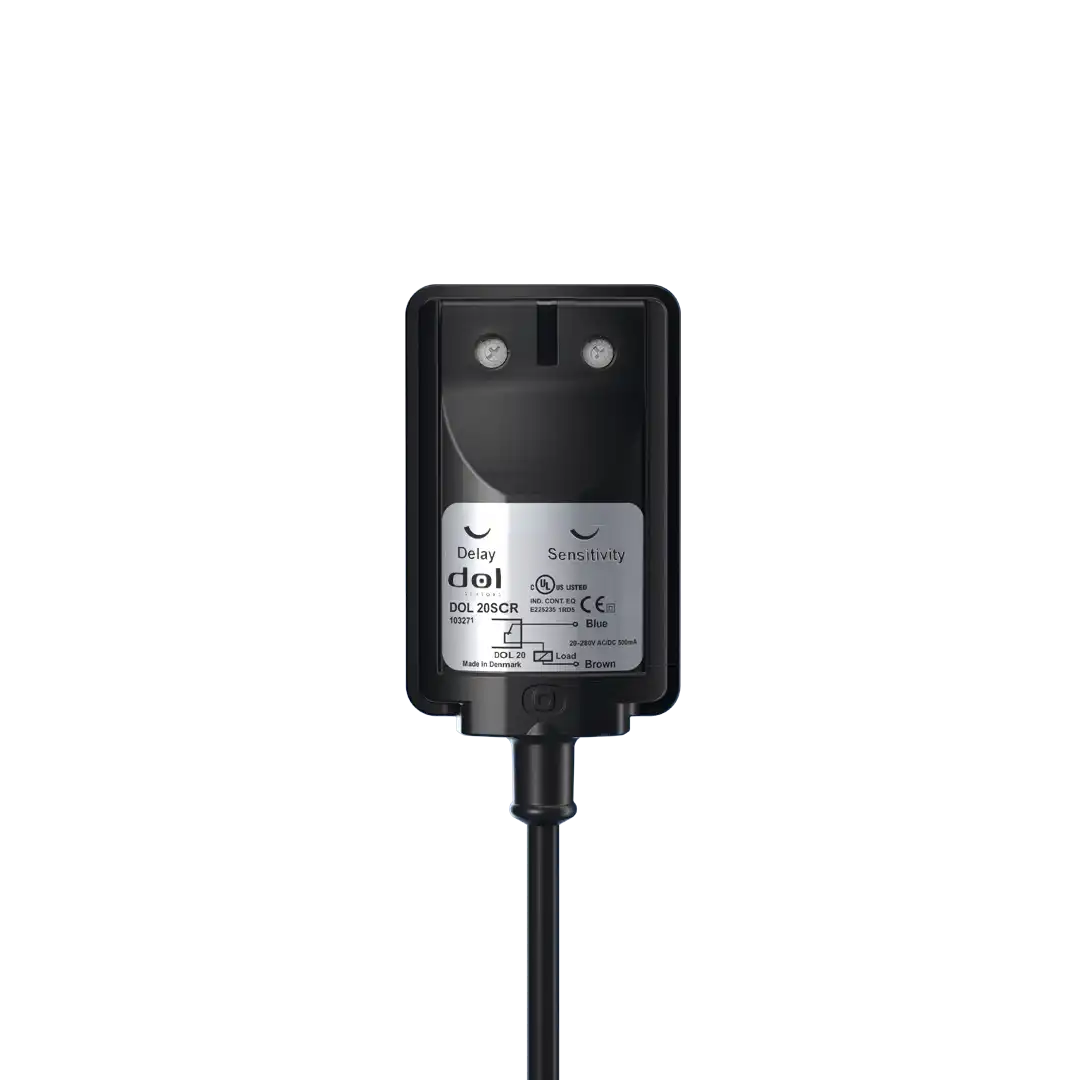
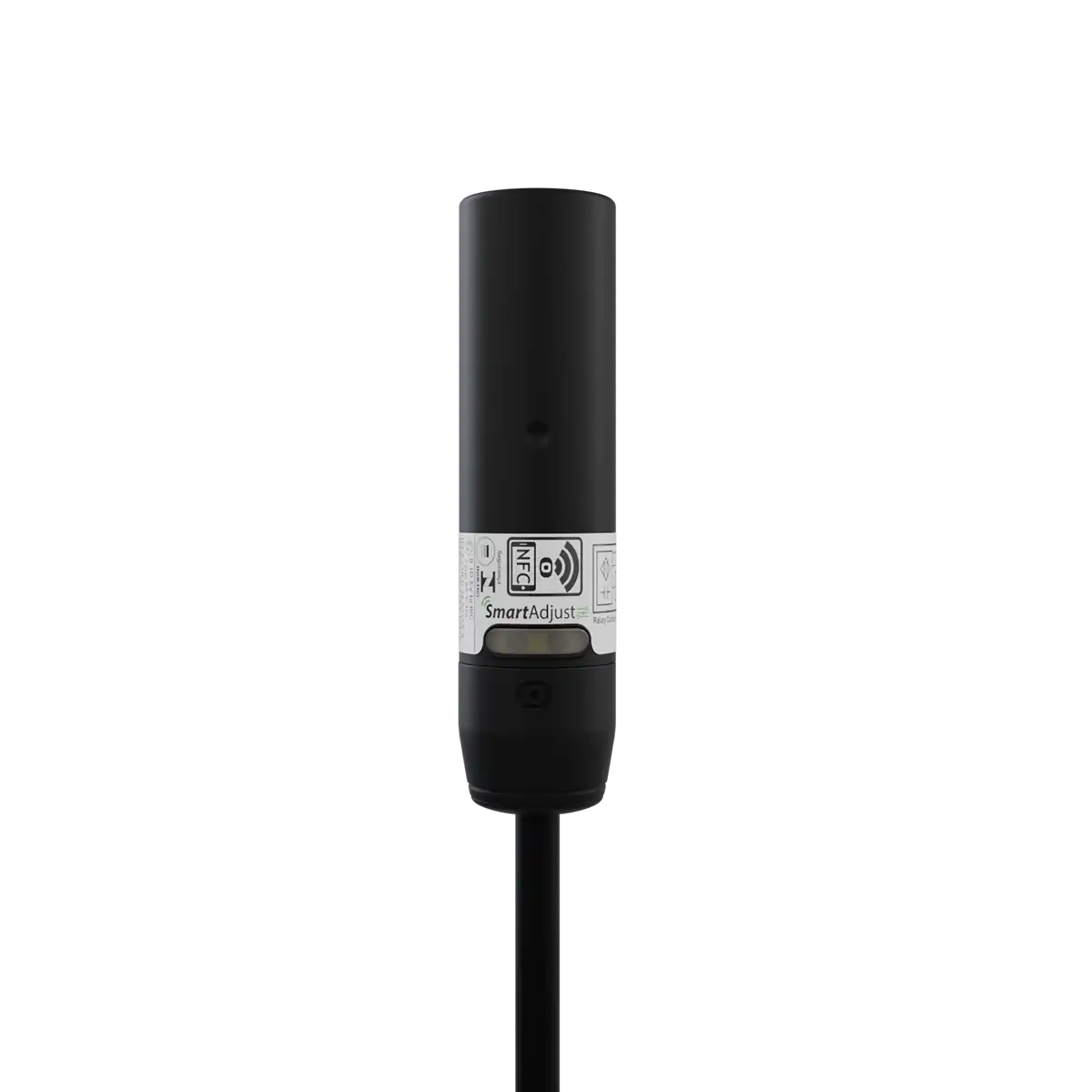
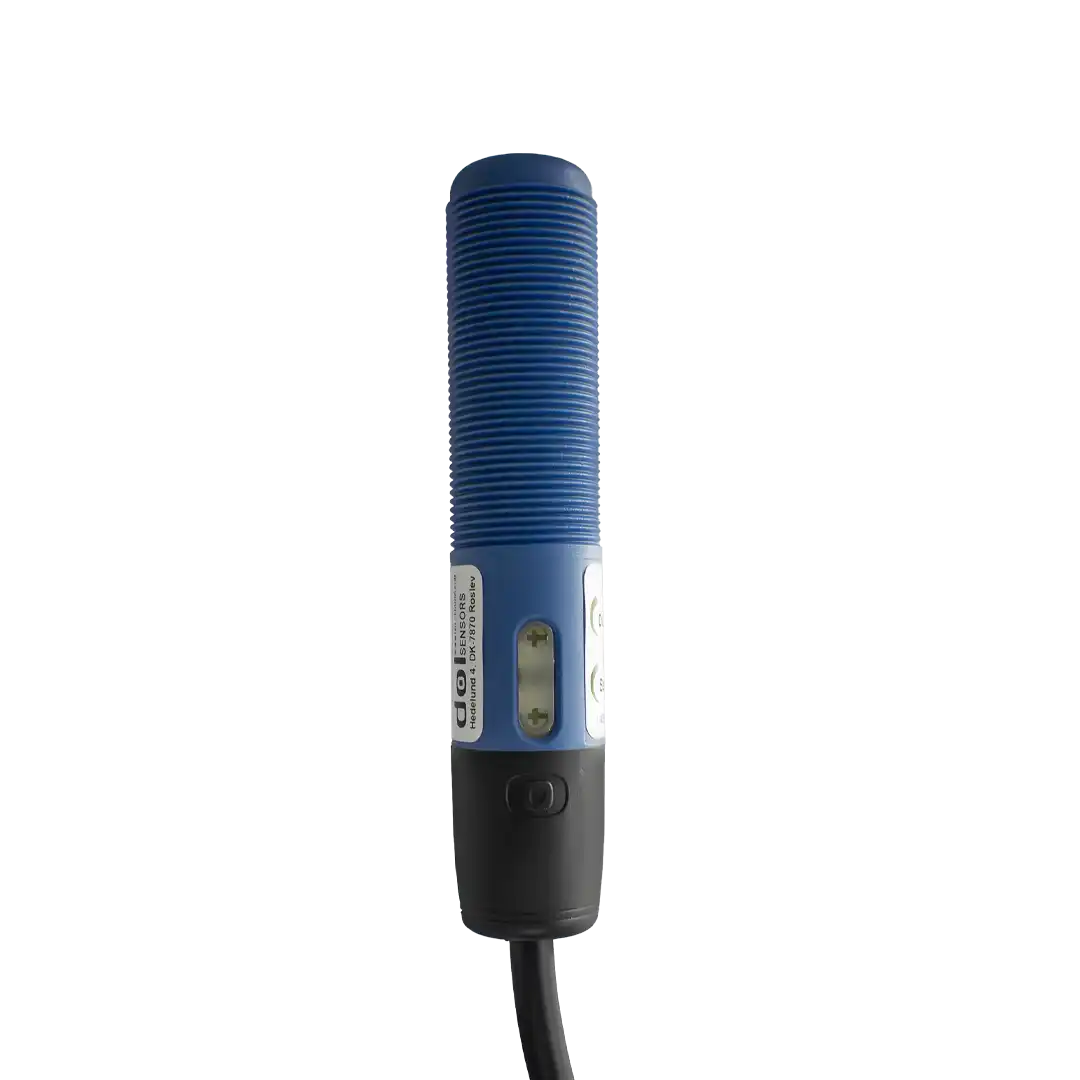
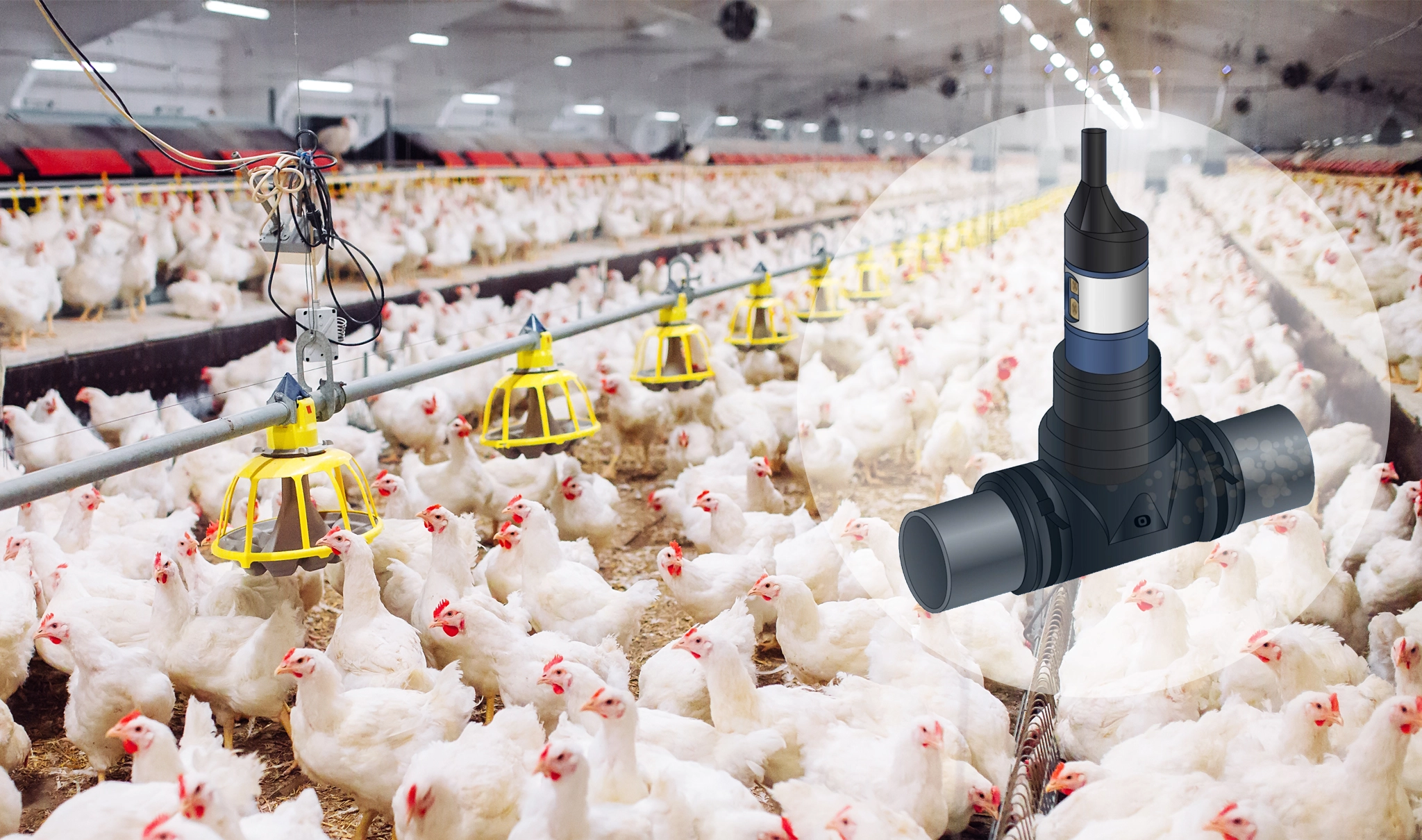
These benefits make capacitive sensors well suited for continuous operation in poultry production. Sensors such as the DOL 44 is developed for demanding livestock environments, while the iDOL 46 combines capacitive sensing technology with modern connectivity for advanced farm monitoring.

How Do Capacitive Sensors Detect Grain and Feed?

Capacitive sensors generate an electrical field around the sensing surface. When feed or grain enters this field, the electrical properties change, and the sensor detects the material's presence.

Because they detect differences in dielectric properties rather than physical contact, capacitive sensors can reliably monitor feed movement and feed levels in automated feeding systems.

How To Automate Livestock Feeding with Sensors
Discover how feed sensors automate auger control, prevent feed shortages, and improve feeding efficiency in poultry and pig production.

Can Capacitive Sensors Detect Grain Through Plastic Walls?

Yes. One of the major advantages of capacitive sensors is their ability to detect materials through non-metallic surfaces such as plastic containers, hoppers, and feed tubes.

This enables flexible installation options while protecting the sensor from direct contact with feed and reducing exposure to dust and wear.

Do Capacitive Sensors Work with Wood Pellets?

Capacitive sensors can detect many bulk materials, including wood pellets, grain, animal feed, powders, and similar products. Their versatility makes them suitable for a wide range of agricultural and industrial level detection applications.

However, sensor sensitivity may need to be adjusted depending on the material's density and composition.

What Materials Can Capacitive Level Sensors Detect?

Capacitive level sensors can detect a broad range of materials, including:

  • Poultry feed
  • Pig feed
  • Grain
  • Wood pellets
  • Seeds
  • Fertilizers
  • Liquids

This flexibility makes them an ideal solution for producers seeking a reliable sensor that can be used across multiple applications.

Accurate Feed Monitoring with Capacitive Sensors

Capacitive sensors provide reliable feed detection in demanding agricultural environments. Their ability to detect feed, grain, and other materials without moving parts helps reduce maintenance while improving feeding automation and operational efficiency.

Mechanical Switches Vs Capacitive Sensors
In the world of livestock production, efficient and reliable feed delivery systems are crucial. These systems often rely on sensors to regulate and monitor feed flow.
Capacitive Sensor With Heat
Learn how continuous monitoring helps producers identify developing production challenges through changes in water consumption, growth performance and other key production indicators.

Capacitive Sensor with Built-In Heating

In environments where temperature fluctuations and high humidity pose a challenge to sensor reliability, the DOL 44 Capacitive Relay Sensor stands out as a robust solution. This advanced sensor features an integrated heating element, specifically designed to prevent condensation and ice buildup — a common problem in very cold or damp settings that can impair sensor accuracy and longevity.

Capacitive sensors operate by detecting changes in capacitance caused by the presence of materials, making them ideal for monitoring levels of grain, feed, and solids. However, in environments with condensation and cold temperatures, moisture and ice can interfere with sensor readings. The DOL 44 counters this issue by maintaining a stable internal temperature, ensuring consistent performance regardless of external conditions.

The built-in heating function not only increases the reliability of the sensor but also extends its operational life in demanding agricultural, industrial, or outdoor applications.

Mechanical Switches Vs Capacitive Sensors
Learn how continuous monitoring helps producers identify developing production challenges through changes in water consumption, growth performance and other key production indicators.

Damaged Mechanical Switches Cause Problems in Livestock Feed Lines

In the world of livestock production, efficient and reliable feed delivery systems are crucial. These systems often rely on sensors to regulate and monitor feed flow.

Among the most commonly used are mechanical switches and capacitive sensors. While each has its advantages, there are some distinct problems associated with mechanical switches compared to capacitive sensors.

Mechanical Switches: Prone to Wear and Tear

Mechanical switches function through physical contact, which inherently makes them prone to wear and tear. In a livestock feed line, these switches are subjected to constant movement and abrasive feed materials, leading to a gradual degradation of their components. Over time, this can result in:

Increased Maintenance

Frequent replacements and adjustments become necessary as parts wear out. This means more work and more unwanted disturbances to the livestock.

Inaccuracy

Worn-out switches may fail to accurately detect feed levels, leading to overfilling or underfeeding. Every farm manager knows that this will have a huge effect on the production since it increases the risk of mold formation in the litter, leads to feed spill, and influences the growth of the livestock significantly.

Downtime

Failure of a mechanical switch can halt the feeding process, leading to downtime in operations. As with inaccuracy, downtime will influence the growth of the livestock and in extreme conditions lead to a large production loss.

Avoid High Mortality In Poultry Production
Learn how continuous monitoring helps producers identify developing production challenges through changes in water consumption, growth performance and other key production indicators.

One of the most concerning challenges faced by poultry producers is high mortality rates, which not only affect profits but also indicate underlying issues in management, disease control, and environmental conditions. However, with proper planning, management, and proactive measures, it’s possible to mitigate mortality rates and sustain a healthy poultry operation.

Adequate Ventilation

Create a comfortable and stress-free environment for your poultry by providing well-ventilated housing that protects them from extreme weather conditions. Proper ventilation helps remove excess moisture, CO2, and ammonia from the air, reducing the risk of respiratory diseases.

Exposure to excessive heat or cold stress can weaken the immune system, making birds more susceptible to diseases and increasing mortality rates. Thus, adequate ventilation is vital to ensure the right temperature in the poultry house.

Climate sensors provide your ventilation system with data on humidity, CO2, and ammonia levels ad well as the temperature in different reas of the house.

Selected Sensors

Documents

English
Leaflet
Capacitive Brochure

Join our newsletter

Stay ahead in livestock production.

Join our newsletter and get industry insights, expert perspectives, and practical strategies for optimizing performance and efficiency.