How To Automate Livestock Feeding With Sensors

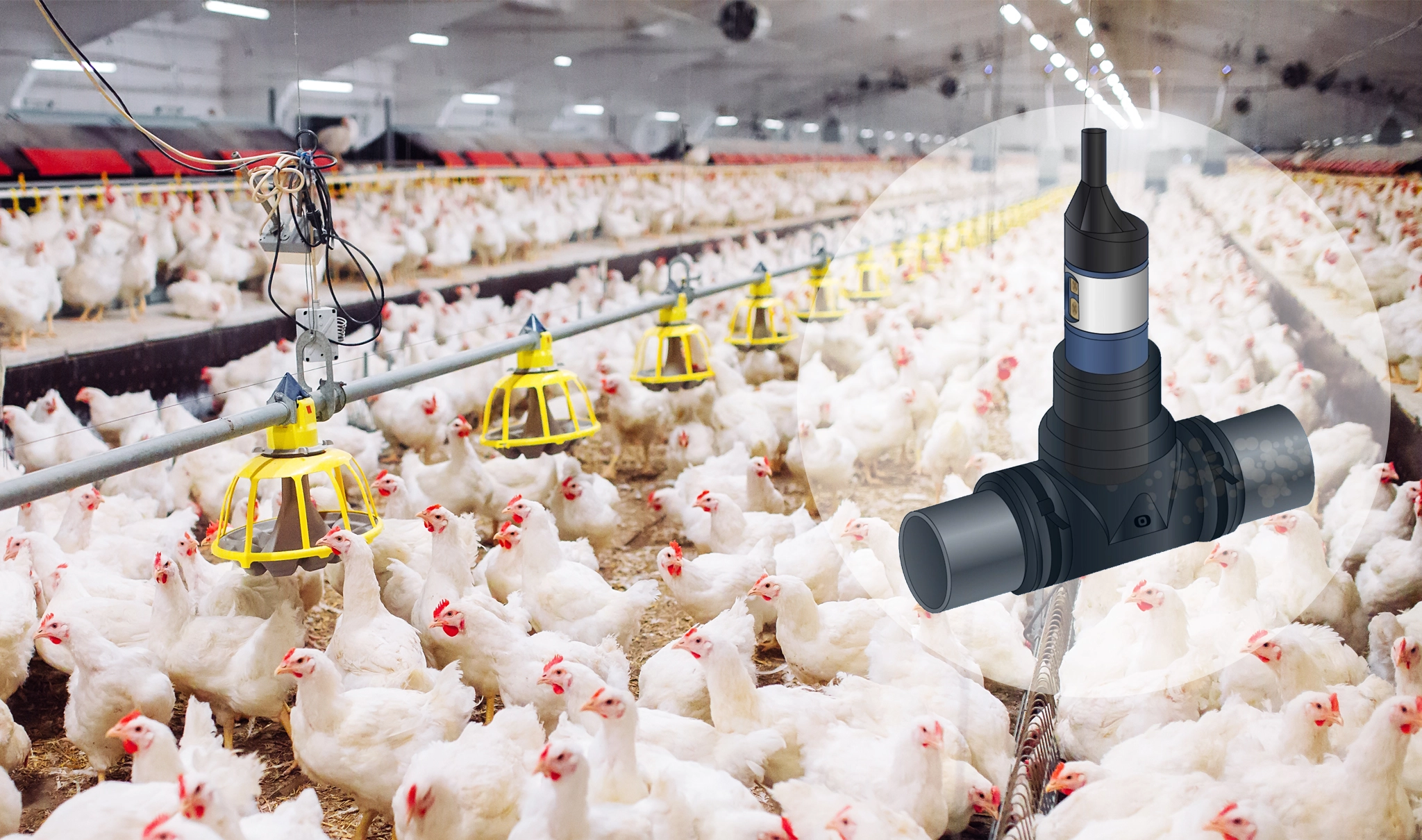
Reliable feed delivery is essential for achieving optimal animal performance and reducing labor in modern livestock production. By using feed sensors, producers can automate feeding processes, ensure consistent feed availability, and minimize feed waste.

Best Sensor For Detecting Empty Feed Lines

One of the most critical components of an automated feeding system is the feed sensor responsible for detecting when a feed line becomes empty.

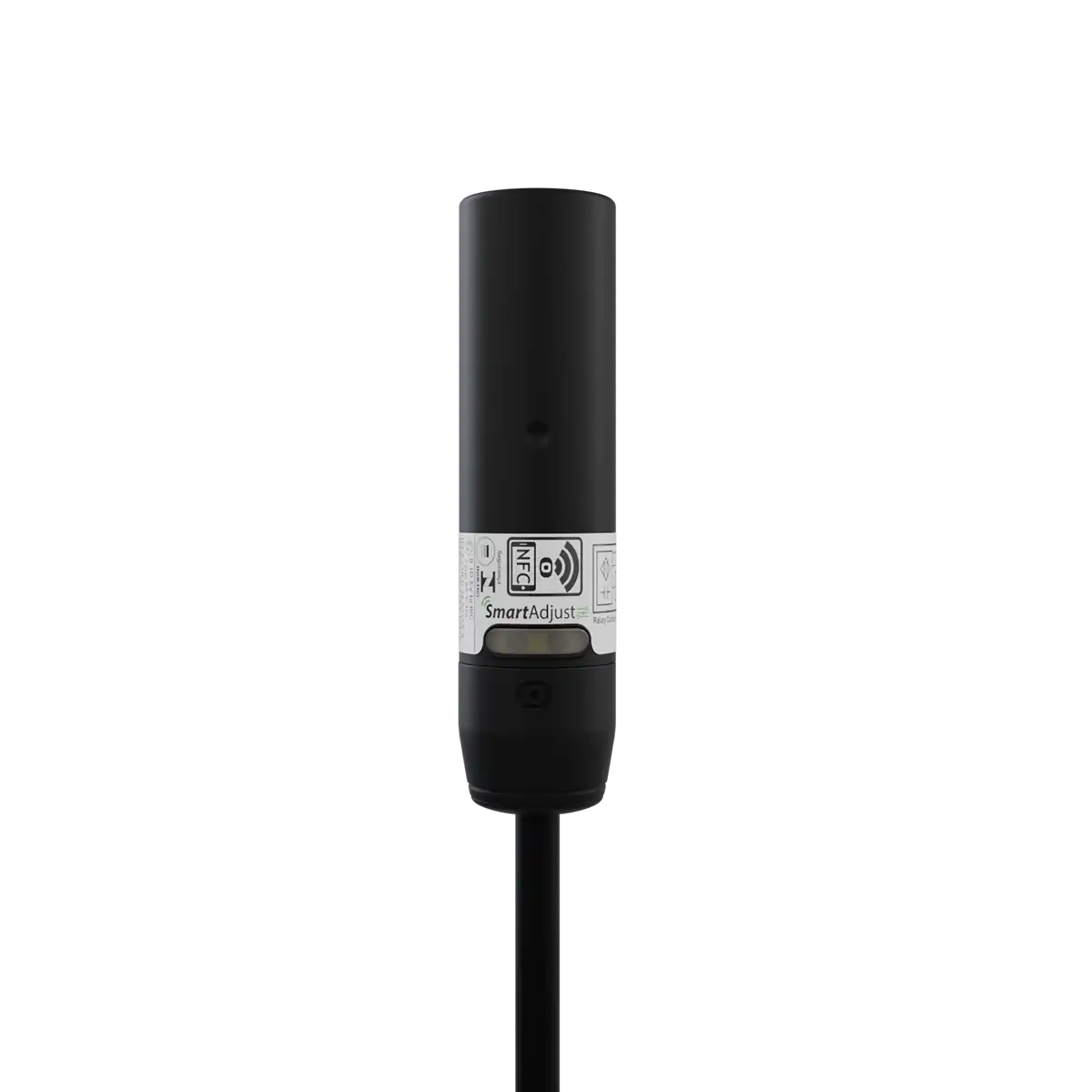
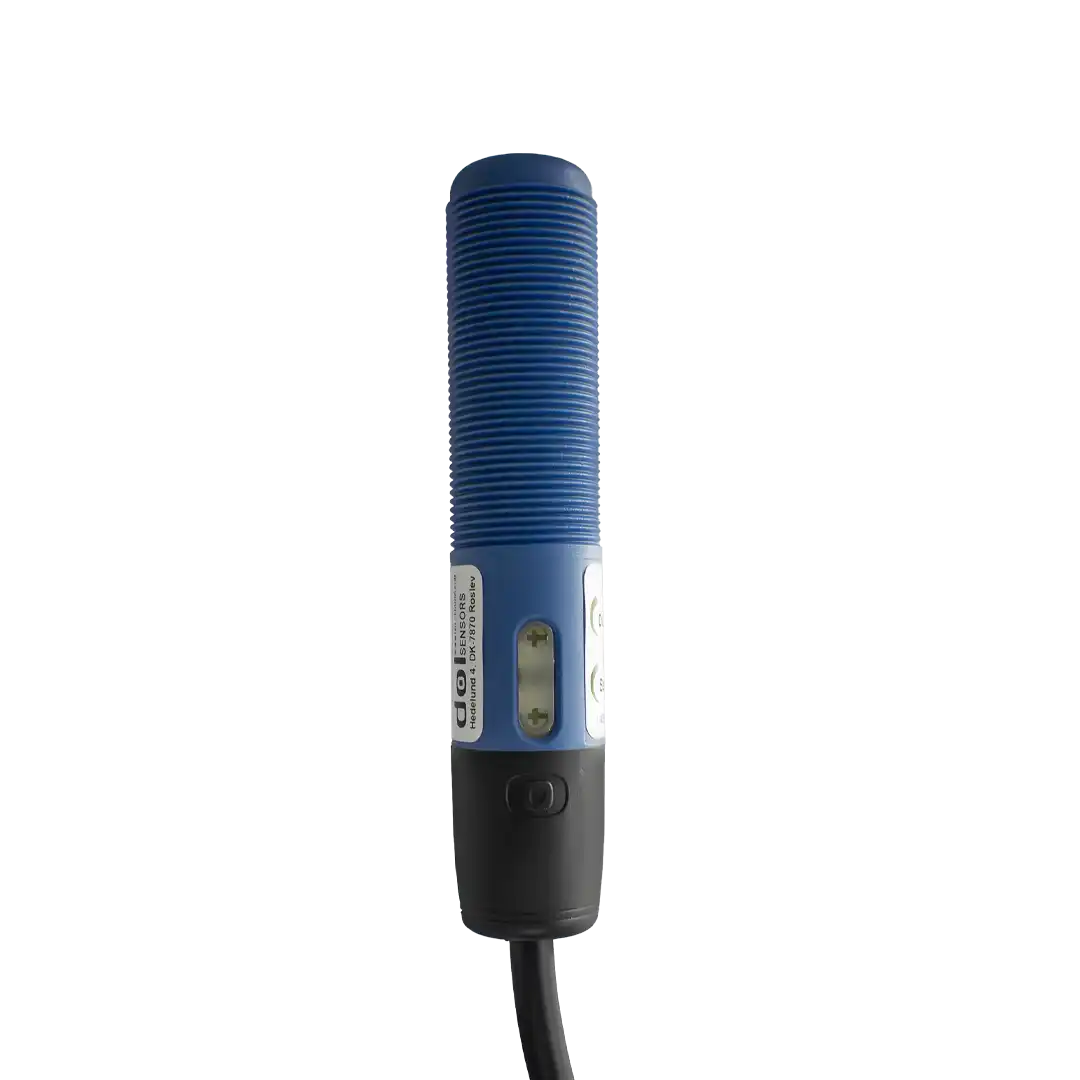
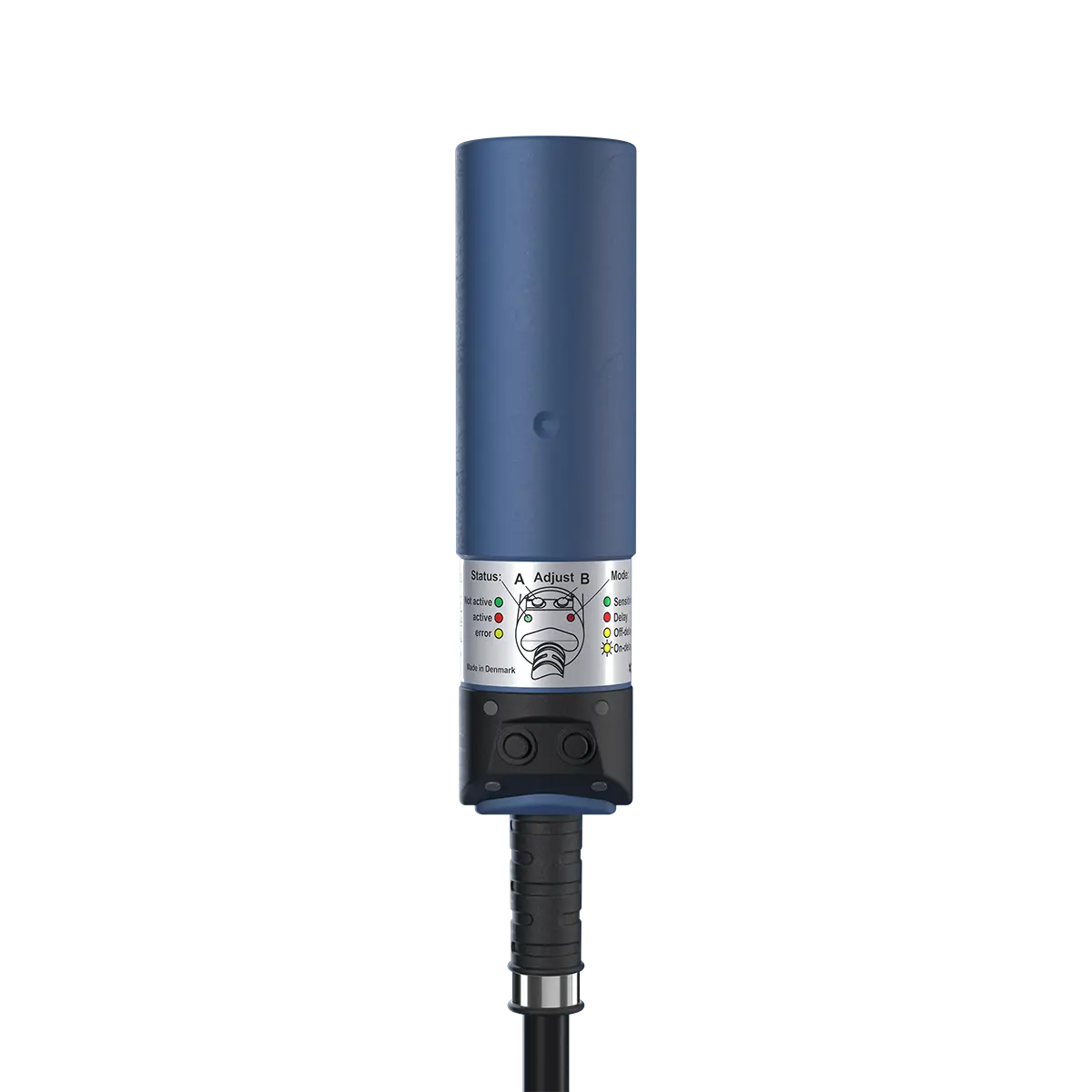
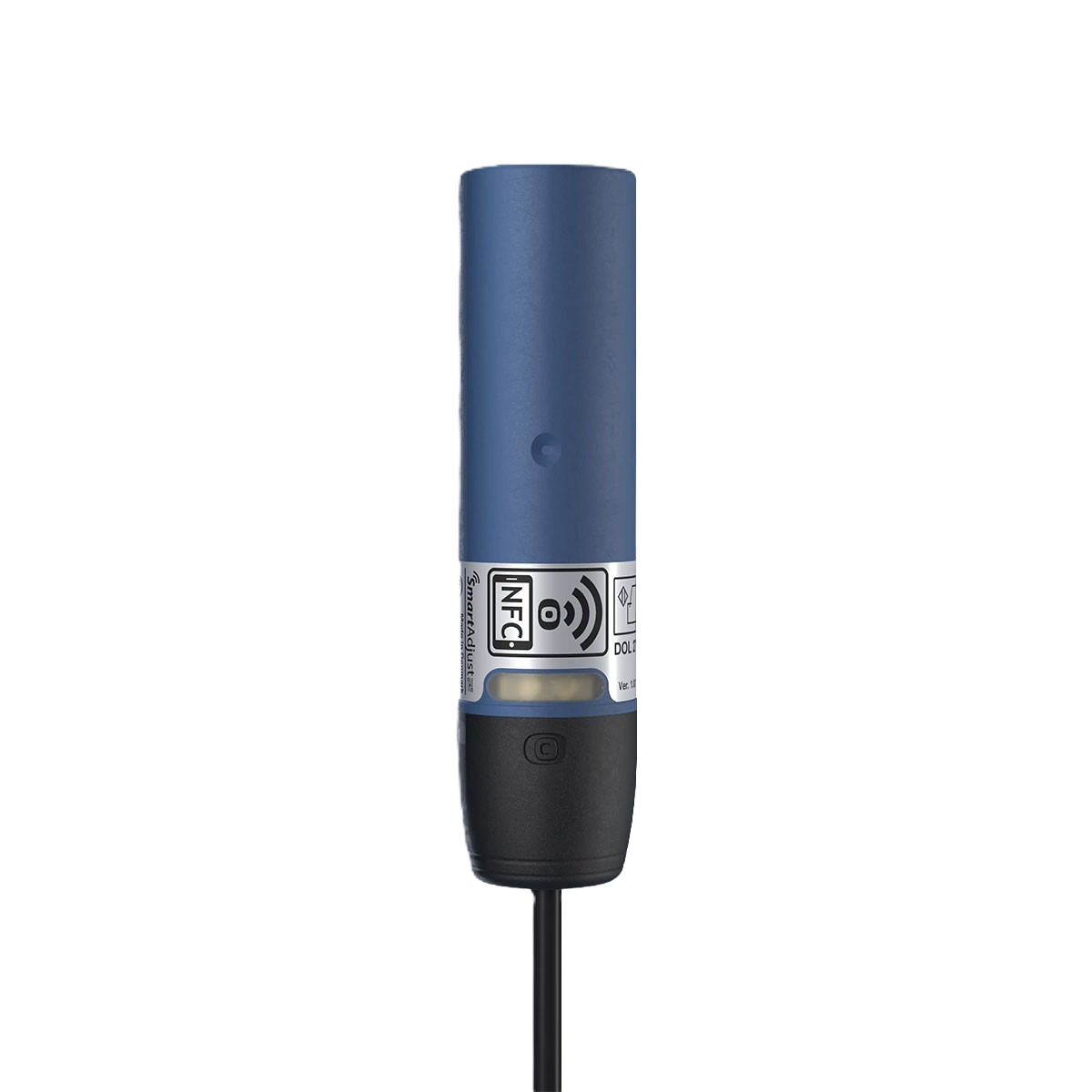
Capacitive feed sensors such the DOL 44 and iDOL 46, are widely regarded as one of the most reliable solutions for livestock production. Unlike mechanical switches that rely on moving parts, capacitive sensors detect the presence or absence of feed electronically. This design reduces wear and minimizes maintenance requirements in harsh agricultural environments.

Key advantages of capacitive feed sensors include:

  • Reliable empty feed line detection
  • No moving mechanical parts
  • High durability in dusty environments
  • Long sensor lifetime
  • Fast response times

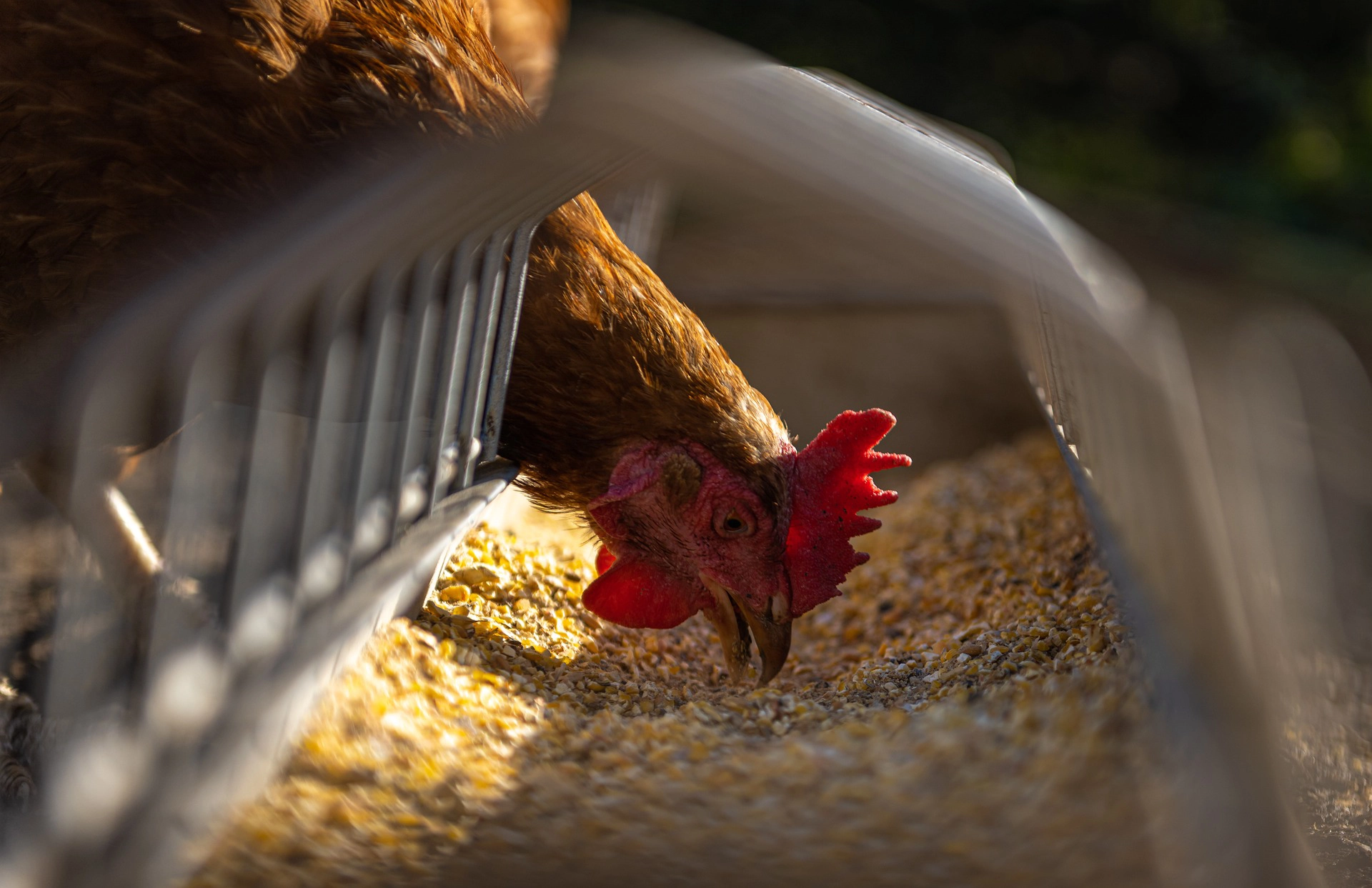
For poultry and pig production, capacitive feed sensors provide accurate feed level monitoring throughout the feeding system, helping maintain continuous feed availability.

→ Read: Improve Feed Conversion Ratio in Poultry

How to Detect Empty Feed Lines and Trigger Augers

Sensors are typically installed at various points throughout the feed line, depending on the monitoring requirements and feeding system design. When feed levels drop below the sensor, it sends a signal to the controller, which automatically activates the auger to refill the line. Once feed reaches the sensor again, the auger stops.

This automation ensures animals have continuous access to feed while reducing the need for manual monitoring.

→ Read: Consistent And Reliable Feed Supply

Reliable Feed Monitoring for Livestock Production
Discover how feed sensors improve feed distribution, reduce waste, and support efficient livestock production.

How to Prevent Feed Overflow in Automated Systems

Accurate feed sensors not only prevent empty feed lines but also help avoid overfilling. By continuously monitoring feed levels, sensors signal the controller when sufficient feed is present, preventing unnecessary feed transport and reducing waste. They also protect Max Run Timer functions, helping controllers detect irregular feed flow and stop augers automatically if feed does not reach the sensor within the expected time.

Watch → Max Run Timer Explained

Best Feed Dispensing Sensors for Industrial Poultry Farms

Industrial poultry farms require durable and precise sensors that can operate reliably around the clock. Capacitive feed sensors offer high accuracy, low maintenance requirements, and strong resistance to dust and humidity, making them a popular choice for automated feeding systems.

How to Wire Multiple Sensors in a Feeding Line

Larger feeding systems may use multiple sensors to improve control and monitoring. These sensors can be connected to a farm controller to supervise different areas of the feeding line, helping ensure even feed distribution and quick detection of any feeding issues.

DOL 26 and DOL 27 can be connected in series, allowing multiple sensors to communicate efficiently with the control system. This solution os particularly beneficial in large poultry houses, where several feed lines need to be monitored simultaneously.

Watch → DOL 26 and 27 Series Explained | Precision Monitoring for Modern Farming

Improve Feeding Efficiency with Automated Sensors

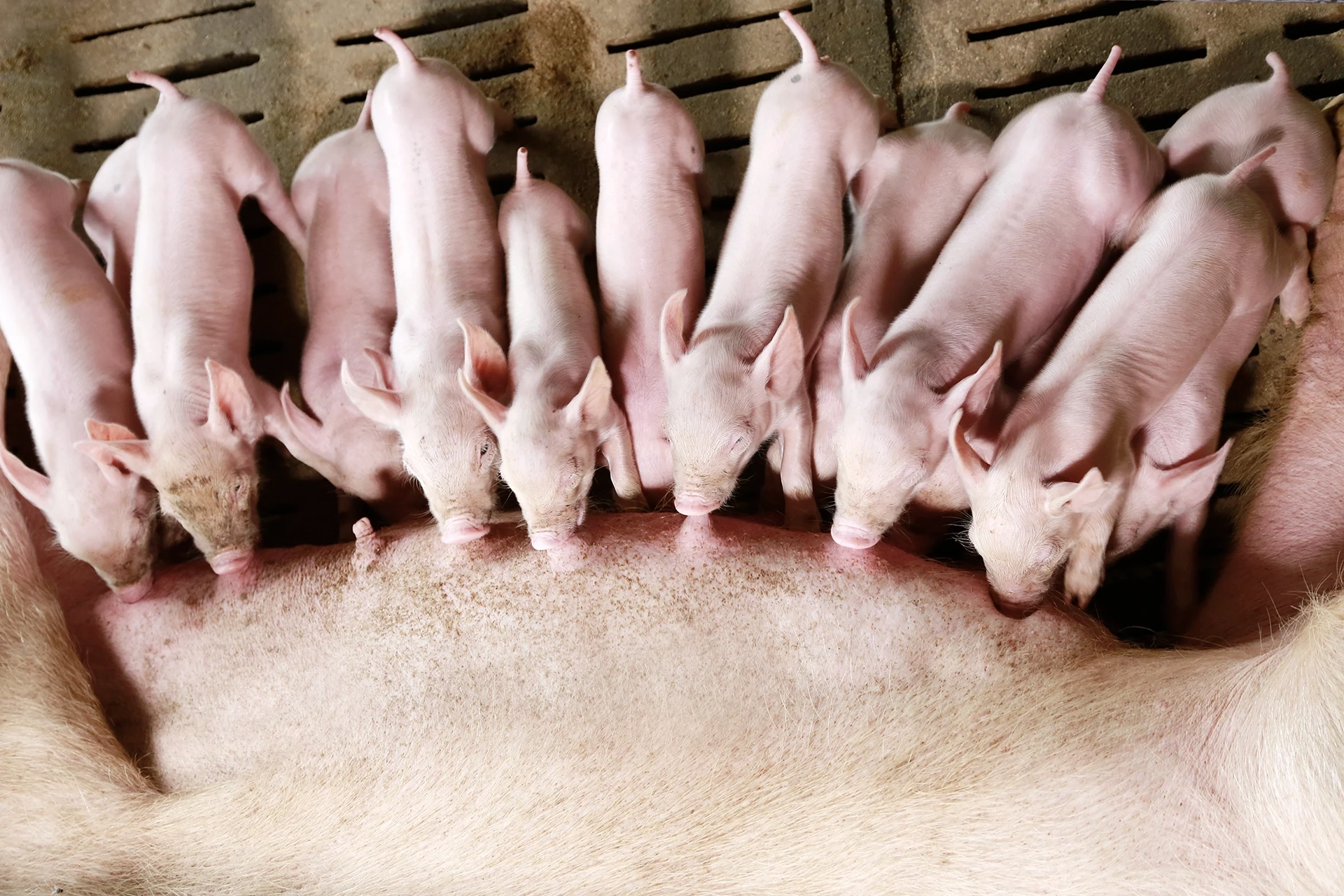
Automated feed sensors help livestock producers maintain consistent feed availability, reduce labor requirements, and minimize feed waste. Combined with modern farm controllers, they support a more efficient and reliable feeding process for both poultry and pig production.
Read → Consistent And Reliable Feed Supply

From Sensor Data to Smarter Farm Management
Learn how continuous monitoring helps producers identify developing production challenges through changes in water consumption, growth performance and other key production indicators.

Modern pig farms generate enormous amounts of data - but data alone doesn't create value. The real impact comes from integrating climate, feed, water, and weight data into one unified system.

What Integration Enables

Cross-parameter Insights

Correlating multiple data streams highlights trends that would remain hidden if viewed separately. For example, rising temperatures with declining feed intake can reveal early signs of heat stress before it comes visible in animal behavior.

Automated Reporting

Integrated data flows simplify documentation for audits, sustainability reporting, and compliance requirements - saving hours of manual work.

Predictive Analytics

Historical patterns support forecasting, allowing the system to alert before a potential issue escalates. This enables early interventions that protect both animal health and performance.

Benchmarking and Comparison

With all data in one place, farm managers can easily compare barns, batches, production cycles, or even farm locations. This visibility highlights improvement opportunities and supports more consistent results across operations.

Practical Examples

  • Detecting ventilation malfunction before pigs show symptoms of stress
  • Identifying feed system irregulates through water-feed correlation
  • Improving batch uniformity by adjusting climate based on growth data
  • Reducing labor time spent on manual checks
  • Identify issues in the barn online without being in the house
Capacitive Sensor With Heat
Learn how continuous monitoring helps producers identify developing production challenges through changes in water consumption, growth performance and other key production indicators.

Capacitive Sensor with Built-In Heating

In environments where temperature fluctuations and high humidity pose a challenge to sensor reliability, the DOL 44 Capacitive Relay Sensor stands out as a robust solution. This advanced sensor features an integrated heating element, specifically designed to prevent condensation and ice buildup — a common problem in very cold or damp settings that can impair sensor accuracy and longevity.

Capacitive sensors operate by detecting changes in capacitance caused by the presence of materials, making them ideal for monitoring levels of grain, feed, and solids. However, in environments with condensation and cold temperatures, moisture and ice can interfere with sensor readings. The DOL 44 counters this issue by maintaining a stable internal temperature, ensuring consistent performance regardless of external conditions.

The built-in heating function not only increases the reliability of the sensor but also extends its operational life in demanding agricultural, industrial, or outdoor applications.

Mechanical Switches Vs Capacitive Sensors
Learn how continuous monitoring helps producers identify developing production challenges through changes in water consumption, growth performance and other key production indicators.

Damaged Mechanical Switches Cause Problems in Livestock Feed Lines

In the world of livestock production, efficient and reliable feed delivery systems are crucial. These systems often rely on sensors to regulate and monitor feed flow.

Among the most commonly used are mechanical switches and capacitive sensors. While each has its advantages, there are some distinct problems associated with mechanical switches compared to capacitive sensors.

Mechanical Switches: Prone to Wear and Tear

Mechanical switches function through physical contact, which inherently makes them prone to wear and tear. In a livestock feed line, these switches are subjected to constant movement and abrasive feed materials, leading to a gradual degradation of their components. Over time, this can result in:

Increased Maintenance

Frequent replacements and adjustments become necessary as parts wear out. This means more work and more unwanted disturbances to the livestock.

Inaccuracy

Worn-out switches may fail to accurately detect feed levels, leading to overfilling or underfeeding. Every farm manager knows that this will have a huge effect on the production since it increases the risk of mold formation in the litter, leads to feed spill, and influences the growth of the livestock significantly.

Downtime

Failure of a mechanical switch can halt the feeding process, leading to downtime in operations. As with inaccuracy, downtime will influence the growth of the livestock and in extreme conditions lead to a large production loss.

Selected Sensors

Documents

English
Leaflet
Capacitive Brochure

Join our newsletter

Stay ahead in livestock production.

Join our newsletter and get industry insights, expert perspectives, and practical strategies for optimizing performance and efficiency.