Farming

Welcome to the Future of Farming Sensors!

At dol-sensors, we are passionate about revolutionizing agriculture through the use of cutting-edge technology. Our farming sensors are designed to help farmers and farm managers to optimize their production, lower their costs, lower FCR and mortality, increase animal welfare, and reduce ammonia emmission.

Imagine being able to monitor the climate in your livestock house, controlling the filling and emptying of silos, automate the ventilation, heating, and cooling of the farm house, and make informed decisions on how to manage your production. Combined with a farm controller, that’s exactly what our sensors can do for you. Whether you’re a small-scale farmer or a large agribusiness, our sensors can help you improve your production and increase your profits.

Vast experience within farming

dol-sensors has more than 50 years of experience in the farming industry. We strive to be the leading supplier through innovation of climate and capacitive sensors for food production and other industries.

Our mission is to provide intelligent sensor solutions to contribute to global efficient and sustainable food production.

Smart Sensors for Modern Farming
Discover how farming sensors help automate ventilation, monitor barn conditions, manage feed systems, and improve productivity across agricultural operations.

Climate Farming Sensors Help Automating Ventilation

Our temperature sensors can help farmers and farm managers detect temperature swings in the farm house. The temperature sensors provide data to a farm controller, which can automate the ventilation in the barn.

Our humidity sensors helps controlling the air humidity, to ensure optimum climate conditions for the animals. The level of humudity in the air is crusial to animal welfare and the performance of the production, since a too high humidity can cause formation of mold and too low humidity can cause eye and skin irritations.

Improving animal welfare

Controlling the level of ammonia in the farm house is essential to the animals’ welfare. We provide two different ammonia sensors. One of air cleaning and an award winning one specially designed for the harsch environment in livestock farming.

dol-sensors’ light sensor measures the intensity of light and helps controlling when the light should be turned on or off to ensure the right amount of ligth during the day and during the animals’ day-and-night cycle. The light schema has an enormous effect on the animals’ mobility, immune system, and growth.

Controlling the filling and emptying of silos, is possible with the use of our capacitive sensors that come in many different variants with threaded og smooth housing and in different shapes and sizes to fit the different needs for different applications.

The benefits of using our sensors in farming are immense. You can increase your productivity, reduce your labor costs, and improve your meet quality. With our sensors, you can manage your production with precision.
Climate Sensors Poultry
Learn how continuous monitoring helps producers identify developing production challenges through changes in water consumption, growth performance and other key production indicators.

In many countries around the world, environmental regulations are made in the poultry industry. According to The Poultry Site, poultry producers in Australia must offer environmental enrichment for meat chicken breeders. The guidelines also include changes to the minimum light intensity and required periods of darkness, ventilation, and temperature parameters for all species.

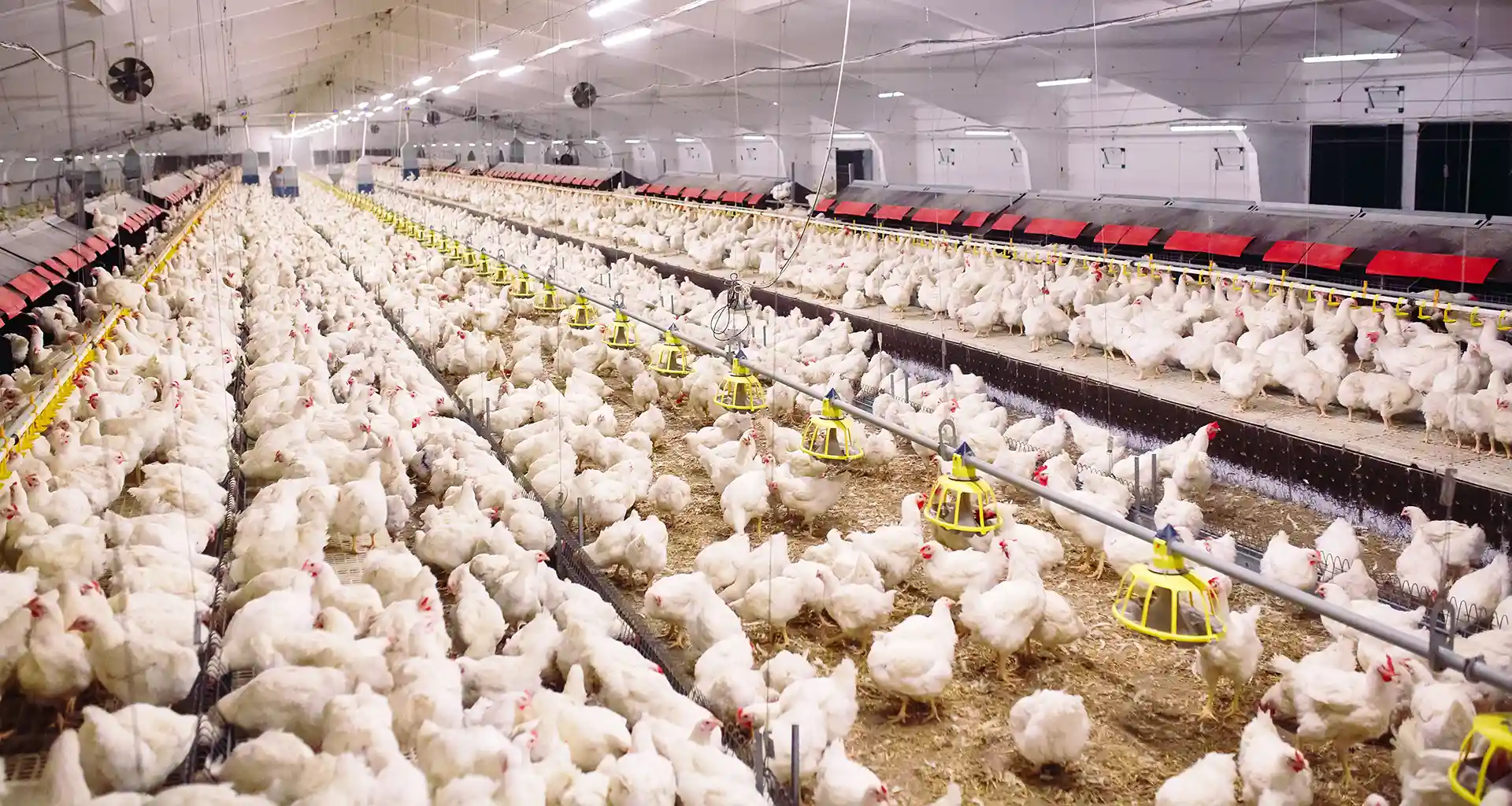
To ensure the required environmental enrichments, farmers and farm managers can take advantage of climate sensors for poultry. These are sensors that are specially designed to with-stand the harsh environment in livestock production, where dust, high humidity, temperature swings, as well as high levels of ammonia can harm the sensors and affect their performance.

Climate sensors for poultry comes in various versions, and can monitor the light intensity, level of humidity, CO2, and ammonia, and the temperature. In combination with a farm controller these climate sensors can help the farmer and farm manager controlling the ventilation system and the amount of light automatically. Furthermore, the data from the sensors can be shared with others for documentation purposes or for analysis.

Vital data from climate sensors in poultry

The data from the sensors is vital to the production. By controlling the ventilation system and light intensity automatically, the farmer or farm manager has full control of the environment and thus the animals’ welfare. In poultry, the light intensity can have a huge impact on how the animals grow, the FCR (Feed Consumption Rate), and egg laying.

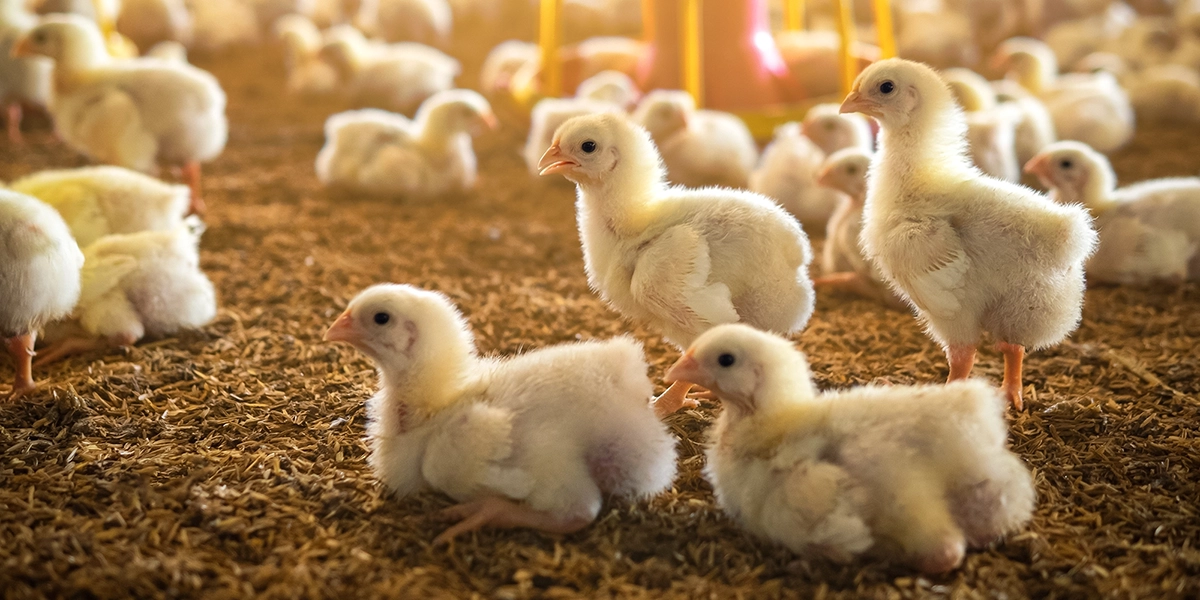
The temperature is also an important factor in poultry production. A too low temperature will increase the mortality and make the birds clutch together to keep warm. They will most likely start eating more without gaining any weight due to the energy they use to keep warm.

During their life cycle, chickens require different temperatures. This is why an automatic regulation of the temperature is crusial.

Consistent And Reliable Feed Supply In Poultry Production
Learn how continuous monitoring helps producers identify developing production challenges through changes in water consumption, growth performance and other key production indicators.

Feed supply involves the delivery of raw materials, ingredients, or mixed feed to production sites like factories, plants, or animal farming operations. Maintaining a steady and dependable supply of feed is essential for the efficient functioning of any production site and for the well-being of animals in farming contexts.

Incorporating Capacitive Sensors into Feed Supply Management

Enhancing the feed supply chain’s effectiveness can be achieved by integrating capacitive sensors. Capacitive sensors are electronic devices that measure the capacity or amount of electrical charge stored in a material. They work by detecting changes in capacitance, which is the ability of a material to store an electrical charge.

Capacitive sensors have a wide range of applications in managing feed supplies. For instance, they are effective in gauging the quantity of raw materials in storage facilities like bins, silos, or tanks. This monitoring helps in averting material shortages and guarantees uninterrupted production due to sufficient raw material or compound feed availability.

Monitoring The Flow Rate

Capacitive sensors can also be used to monitor the flow rate of raw materials being transported through pipes or conveyor belts. This can help to optimize the rate at which materials are supplied to the production process, ensuring that there is neither an excess nor a deficiency of raw materials.

Overall, the use of capacitive sensors in the feed supply process can help to improve efficiency, reduce costs, and prevent disruptions in production. They offer a reliable and cost-effective means of monitoring and controlling the flow of raw materials, ensuring that production can be maintained at optimal levels.

Five Practical Ways to Strengthen Bird Welfare in Modern Poultry Production
Learn how continuous monitoring helps producers identify developing production challenges through changes in water consumption, growth performance and other key production indicators.

Improving bird welfare doesn’t always require major changes - often, the biggest gains come from understanding how the barn environment shapes behavior, health, and performance. With better climate control, smarter monitoring, and thoughtful management, producers can create conditions where birds stay healthier, more active, and more uniform.

1. Keep Airflow Consistent from Day One

Young birds depend on fresh air just as much as warmth. When ventilation is too limited, CO₂ rises quickly, oxygen drops, and chicks become inactive, eat less, and grow unevenly. Opening inlets early and ensuring steady airflow helps distribute heat, reduce moisture, and maintain a healthier environment. Even in winter, controlled ventilation supports stronger starts and better long‑term performance.

2. Use Enrichment Strategically - and rotate it

Birds are naturally curious and motivated to forage, scratch, and peck. Enrichment items like straw bales, pecking blocks, or ramps help direct this behavior in positive ways. But enrichment only works when it stays interesting. Rotating items, adjusting placement, and choosing tools that match the flock’s needs - such as promoting activity in heavier birds - helps maintain engagement and reduce unwanted behaviors like feather pecking.

3. Support Gut Health from the Beginning

A healthy digestive system is the foundation for growth, immunity, and feed efficiency. Early-life challenges - humidity, litter moisture, coccidiosis pressure - can disrupt gut function and lead to long-term performance losses. Working with nutrition and veterinary teams to support gut health from placement onward helps birds absorb nutrients better, maintain stronger immunity, and stay on track throughout the cycle.

Selected Sensors

No items found.

Documents

No items found.

Join our newsletter

Stay ahead in livestock production.

Join our newsletter and get industry insights, expert perspectives, and practical strategies for optimizing performance and efficiency.