Farm Sensor Output and Controller Integration Guide

Understanding Capacitive Sensor Outputs in Feed Systems

Capacitive sensors are widely used in livestock feeding systems to detect the presence or absence of feed and automatically control feed delivery.

Unlike advanced communication devices, capacitive sensors typically provide a simple output signal that indicates whether feed is present or not:

  • ON = Feed demand, start feed supply
  • OFF = Feed detected, stop feed supply

In most feeding installations, the sensor operates as part of the feeding system and does not require connection to a farm controller. This simple and reliable operating principle has made capacitive sensors a preferred solution for automated feed management.

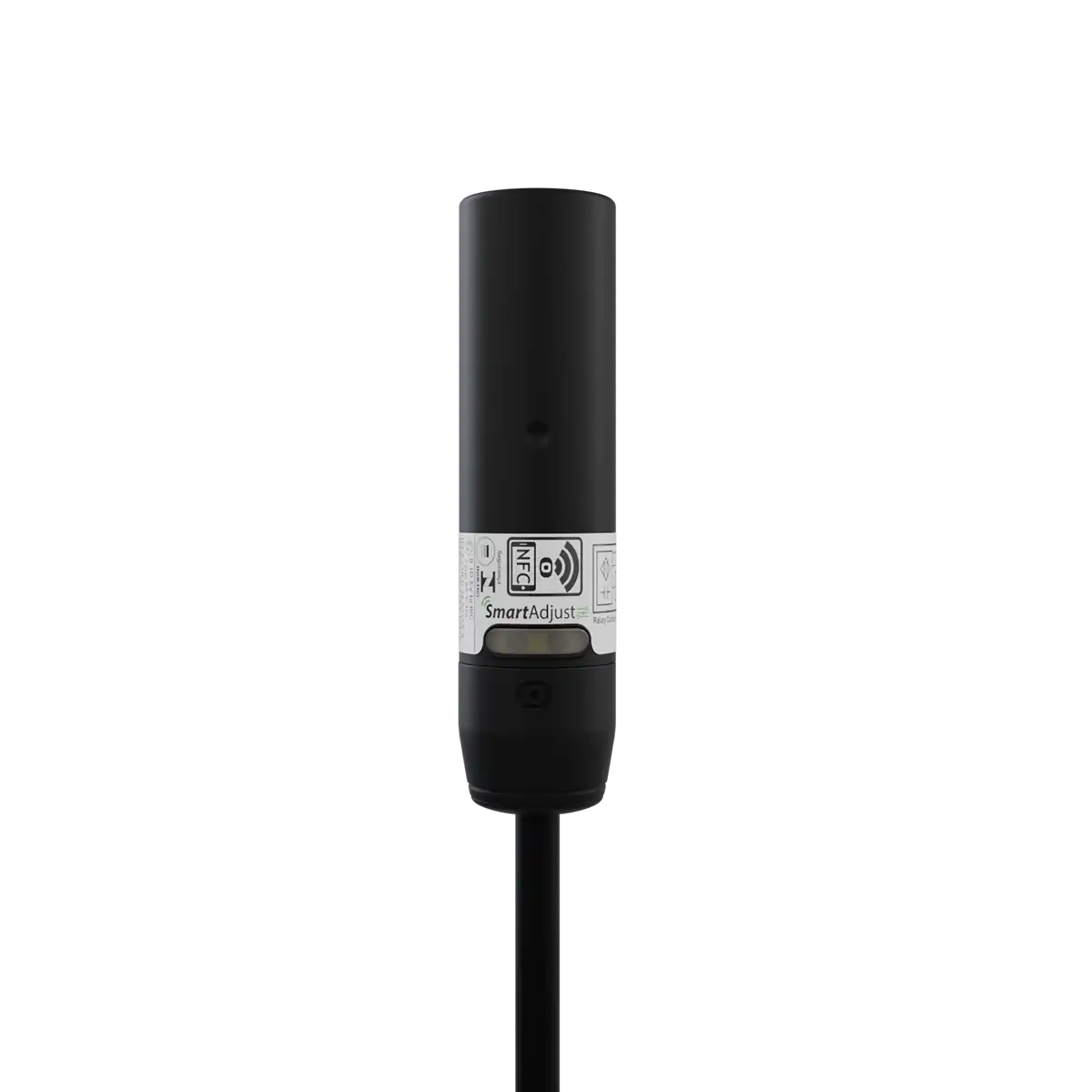
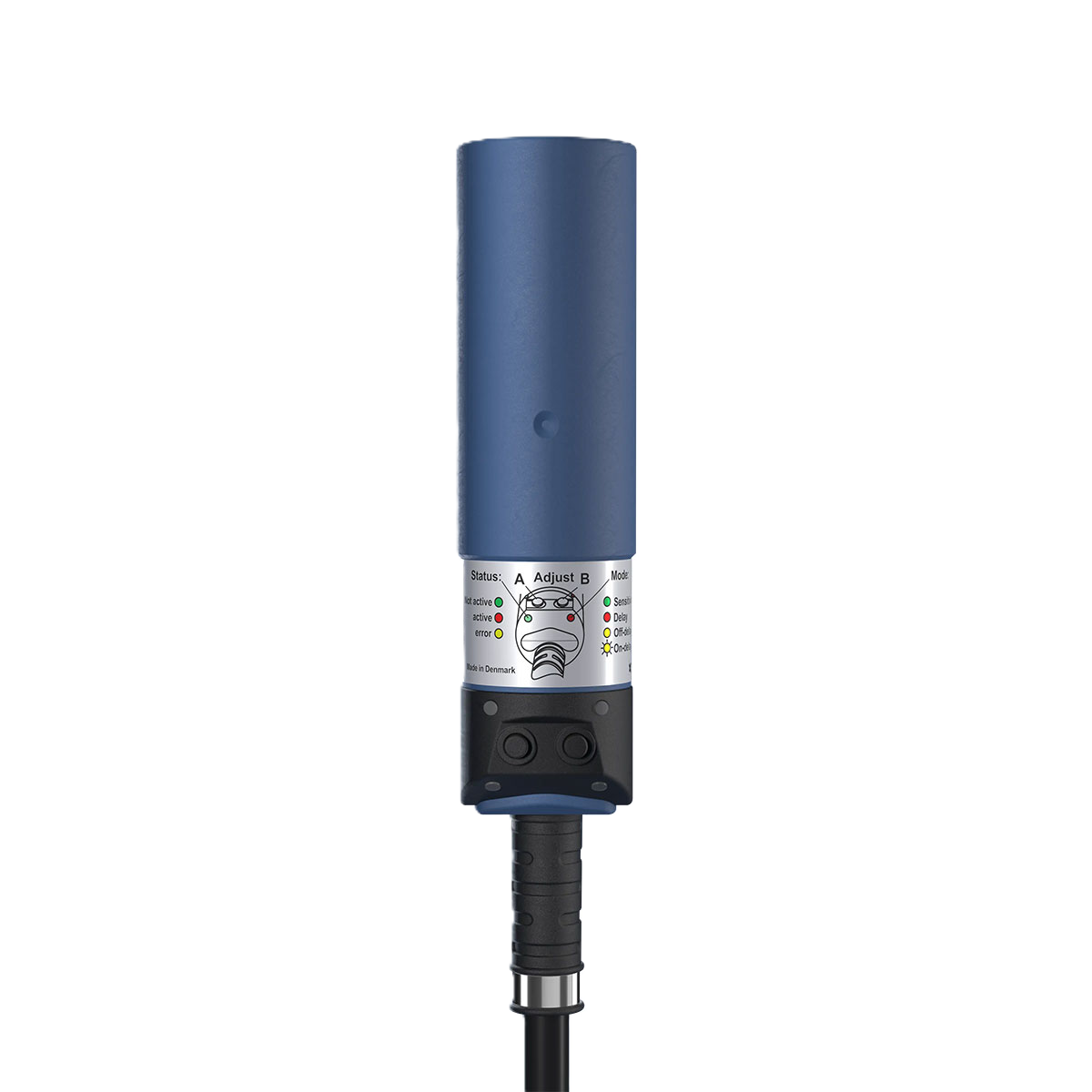
Examples include the DOL 44, DOL 41, and iDOL 46, which are designed to detect feed levels and control feeding processes with high reliability in demanding agricultural environments.

Choosing the Right Sensor Output

Selecting the appropriate sensor output is important when integrating a sensor into exisiting equipment.

Common output types include:

PNP Output

PNP sensors are commonly used when equipment requires a positive switching signal. They can be connected to control systems that support PNP inputs and are frequently used in industrial automation applications.

NPN Output

NPN sensors provide a negative switching signal and are used where control equipment is designed for NPN inputs.

SCR Output

SCR outputs are widely used in agricultural feeding systems because they can directly control leads and feeding equipment without requiring additional control electronics.

Relay Output

Relay outputs offer excellent flexibility and compatibility with a wide range of equipment. They provide electrical isolation and are often preferred when connecting to motors, contactors, or existing feeding installations.

Standard and Customized Sensor Solutions

While many applications can be solved using standard sensor configurations, equipment manufacturers often require specific electrical or mechanical adaptations.

dol-sensors offers both standard products and customized solutions designed to match:

  • Existing equipment architecture
  • Required output type
  • Installation constraints
  • Environmental conditions
  • OEM-specific requirements

This flexibility enables OEMs and system manufacturers to integrate sensor technology into their equipment while maintaining their preferred control strategy.

Consistent And Reliable Feed Supply
Learn more about the importance of consistent and reliable feed supply - crucial for smooth operation of any production facility and for animal welfare in livestock production.

Which Capacitive Sensor Is Best for OEM Integration?

The optimal sensor depends on the application, operating environment, and electrical requirements.

OEMs typically consider:

  • Output type compatibility (PNP, NPN, SCR, or Relay)
  • Supply voltage requirements
  • Mechanical mounting options
  • Environmental resistance
  • Ease of configuration and installation

For applications with unique requirements, dol-sensors can develop customized solutions based on proven capacitive sensing technology.

Reliable Automation for Modern Feeding Systems

Capacitive sensors provide a simple and dependable way to automate feed management. By delivering reliable ON/OFF control signals and offering multiple output options, they can be adapted to a wide variety of feeding equipment and OEM applications.

Whether using standard products or customized solutions, choosing the right sensor ensures stable operation, reduced manual supervision, and reliable feed availability throughout the production cycle.

Protecting Sensors in Poultry Houses
Learn how continuous monitoring helps producers identify developing production challenges through changes in water consumption, growth performance and other key production indicators.

Accurate sensor measurements are essential for maintaining the optimal climate in poultry houses. Temperature and humidity sensors provide the data needed to control ventilation, heating, cooling, and humidity levels. However, the harsh conditions inside broiler and layer houses can challenge sensor performance over time.

Dust, feathers, ammonia, and daily farm activity create a demanding environment for climate monitoring equipment. Choosing sensors designed specifically for agricultural applications helps ensure reliable measurements and stable climate control.

Why Sensor Maintenance Matters

Modern poultry production relies heavily on accurate environmental monitoring. Climate control systems use temperature and humidity measurements to make automatic adjustments that directly impact bird welfare and performance.

When sensors become contaminated with dust or debris, the risk of inaccurate readings increases. This can lead to:

  • Poor ventilation decisions
  • Uneven house temperatures
  • Incorrect humidity levels
  • Increased energy consumption
  • Reduced animal comfort
  • Lower production performance

Regular maintenance helps ensure that climate control systems continue to operate as intended.

Preventing Sensor Drift Due to Dust in Broiler Barns

Sensor drift occurs when measurements gradually become less accurate over time. Dust buildup is one of the most common causes in poultry production.

Producers can reduce the risk of drift by:

  • Selecting sensors designed for agricultural environments
  • Installing sensors in representative locations with good airflow
  • Performing regular inspections
  • Replacing damaged sensors when necessary

Reliable measurements support better ventilation control, improved animal welfare, and consistent production results.

Accurate Measurements
Learn how continuous monitoring helps producers identify developing production challenges through changes in water consumption, growth performance and other key production indicators.

Accurate Measurements

In the modern age of agriculture, precision and efficiency are paramount to ensure sustainable production and animal welfare. Our sensors play a crucial role in monitoring and managing various parameters, ranging from temperature and humidity to air quality and feed consumption. The accuracy of measurements from these sensors is of utmost importance, as it directly impacts the well-being of animals, operational efficiency, and overall farm productivity.

Enhancing Animal Welfare

The well-being of animals is a top priority for ethical and efficient livestock farming. Accurate sensor measurements help maintain optimal environmental conditions within livestock houses. Our DOL 114 temperature and humidity sensor, for instance, ensure that animals are kept in a comfortable climate, reducing stress and minimizing the risk of diseases. Animals that are exposed to extreme temperature fluctuations are more susceptible to illnesses, and this can lead to economic losses for farmers or farm managers as well. By continuously monitoring these conditions and making necessary adjustments, farmers can ensure the comfort and health of their livestock.

Why Feed Sensors Fail in Dusty Environments
Learn how continuous monitoring helps producers identify developing production challenges through changes in water consumption, growth performance and other key production indicators.

Dust is an unavoidable challenge in livestock production. Poultry houses and pig facilities contain feed particles, bedding material, and other airborne contaminants that can affect equipment performance over time. Understanding why feed sensors fail in dusty environments can help producers choose more reliable solutions and reduce maintenance requirements.

Why Do Feed Sensors Fail in Dusty Environments?

One of the most common causes of feed sensor failure is dust accumulation on the sensing surface or mechanical components.

Mechanical feed sensors may be particularly vulnerable because dust can accumulate around moving parts and affect sensor activation. In contrast, capacitive sensors operate without mechanical components, helping maintain reliable detection even when exposed to feed dust and airborne particles.

Other common causes include:

  • Build-up of feed dust around the sensor
  • Wear on mechanical components
  • Improper sensor placement
  • Moisture combined with dust contamination

In automated feeding systems, inaccurate sensor signals can result in empty feed lines, uneven feed distribution, or feed overflow.

Selected Sensors

Documents

English
Leaflet
Capacitive Brochure

Join our newsletter

Stay ahead in livestock production.

‍Join our newsletter and get industry insights, expert perspectives, and practical strategies for optimizing performance and efficiency.