How Sensors Are Elevating Animal Welfare in Modern Farming
The agricultural industry is continuously evolving, and one of the most important innovations in the mix is sensors. Not only have these devices optimized farming operations and improved productivity, but they also play a significant role in advancing animal welfare.
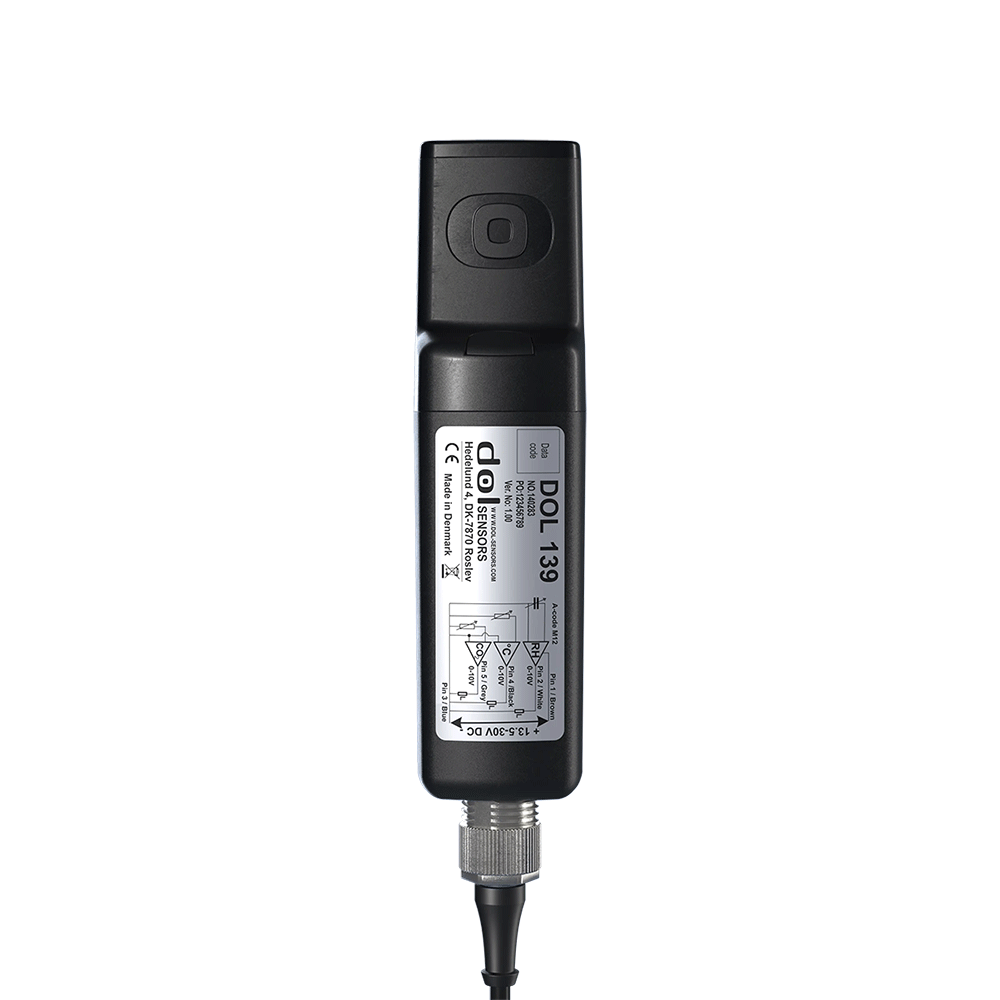
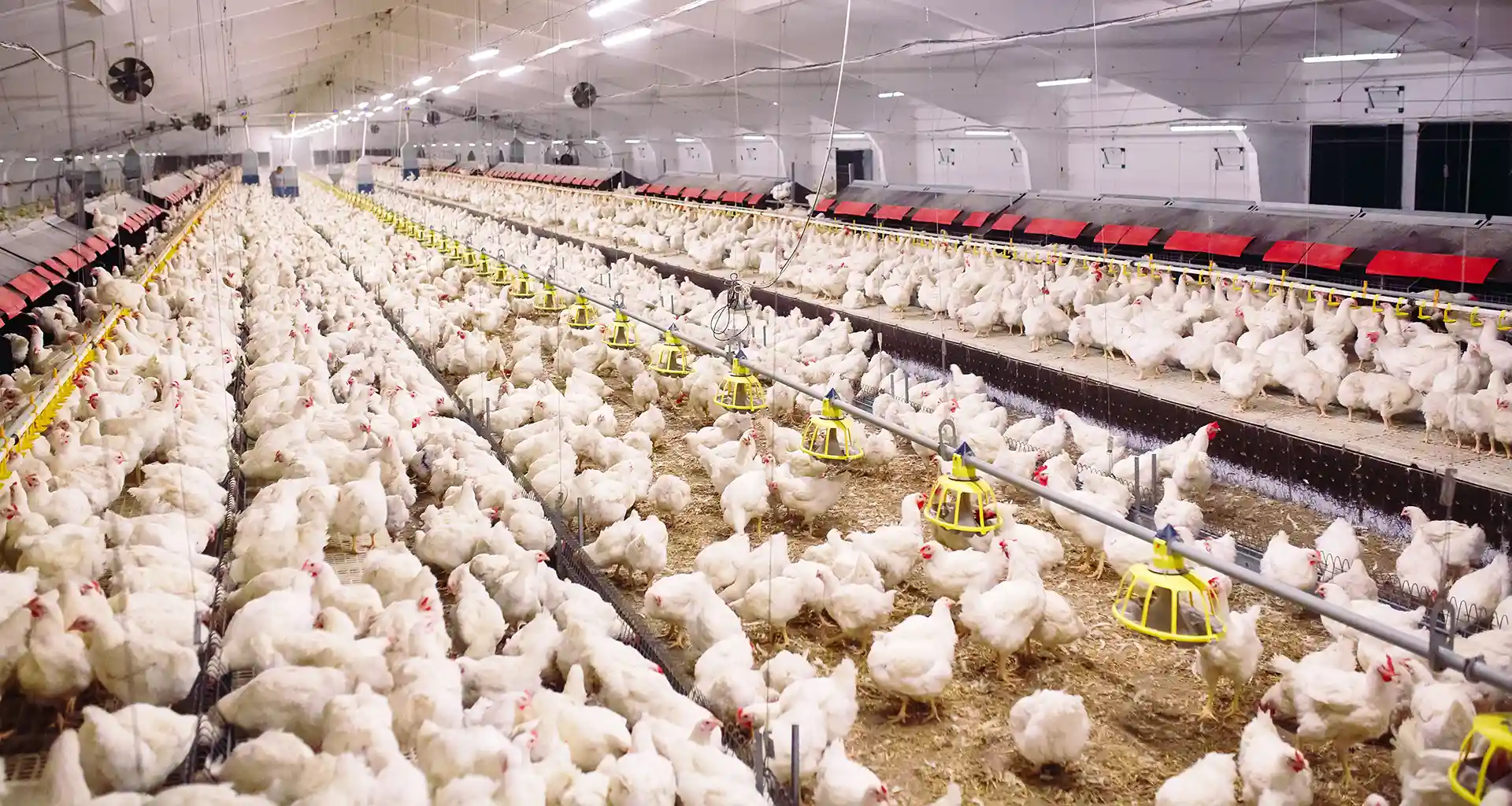
One of the core features of livestock sensors is their ability to monitor the climate factors in the barn in real-time. Whether it’s tracking temperature swings, level of humidity, CO2, and ammonia, or monitoring feed supply and feed consumprtion, these sensors offer immediate insights. Such timely data means farmers and farm managers can act swiftly, ensuring that the environment and feed supply are optimum, preventing prolonged suffering and enhancing overall animal welfare.
Types of Data Obtained From Livestock Sensors
With technology seamlessly integrating into the agricultural domain, sensors are steadily becoming indispensable for modern farmers and farm managers. These devices are not just about tracking temperature swings; they offer a goldmine of data that can revolutionize farming practices.
Livestock sensors can provide data on:
- Temperature swings
- Humidity level
- Ammonia level
- CO2 level
- Feed supply and feed consumption
- Wind direction, wind speed, air pressure, and air temperature
- Rain
- Light intensity
- Pressure
Are Sensors Cost-Effective for Small-Scale Farmers?
In the rapidly modernizing world of agriculture, livestock sensors have emerged as a game-changing tool for large-scale farmers. However, for small-scale farmers operating on tighter budgets and narrower margins, the upfront costs of livestock sensors can seem significant. But the effect of using sensors is much more worth.
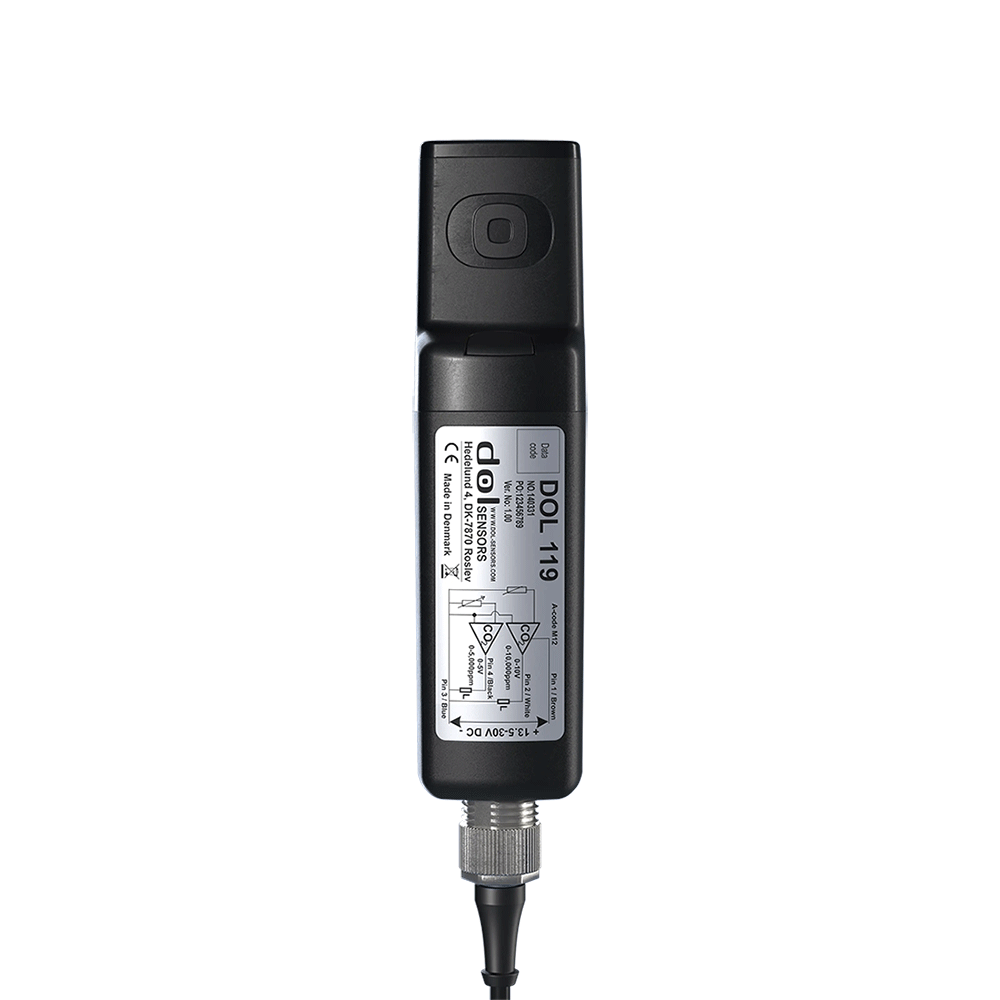
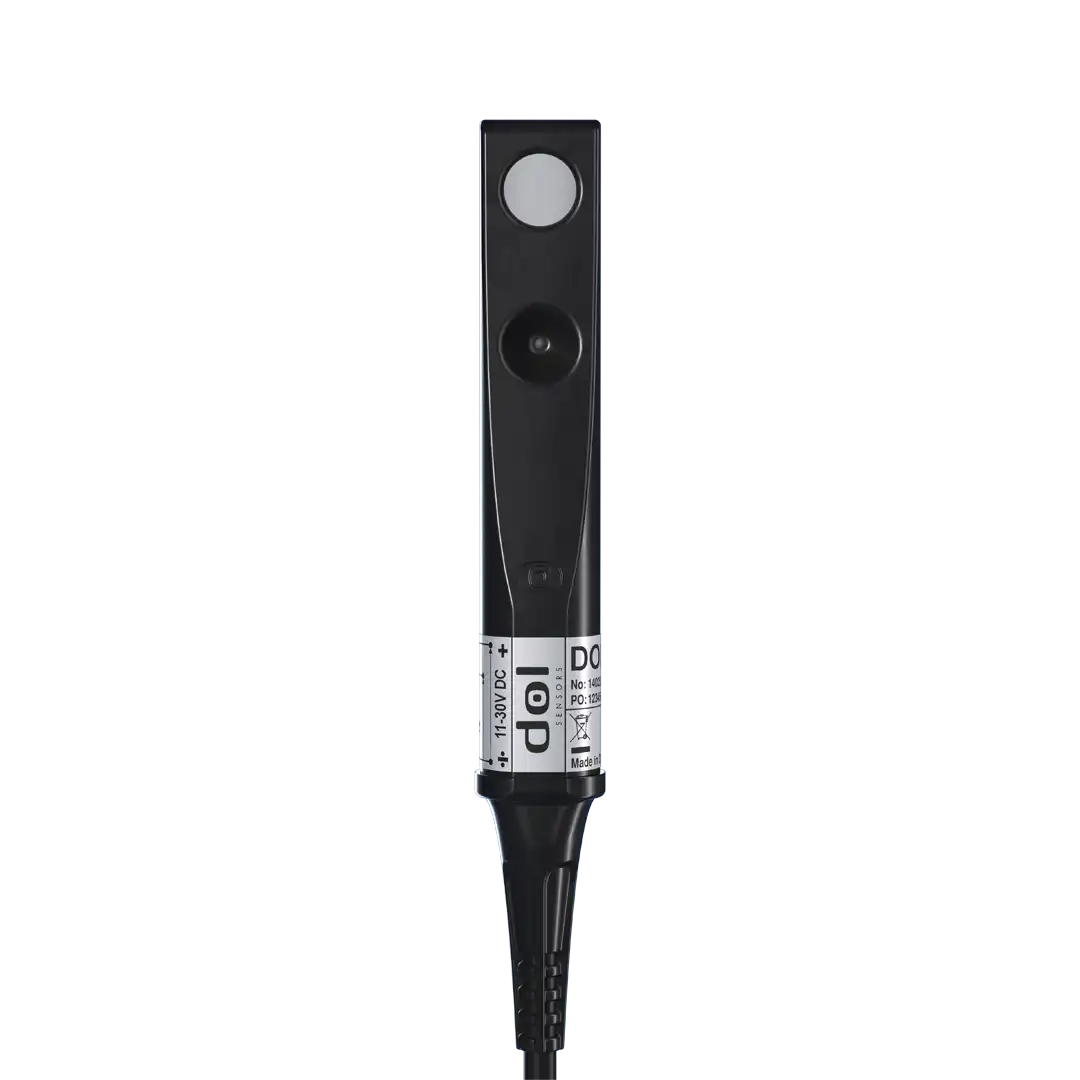
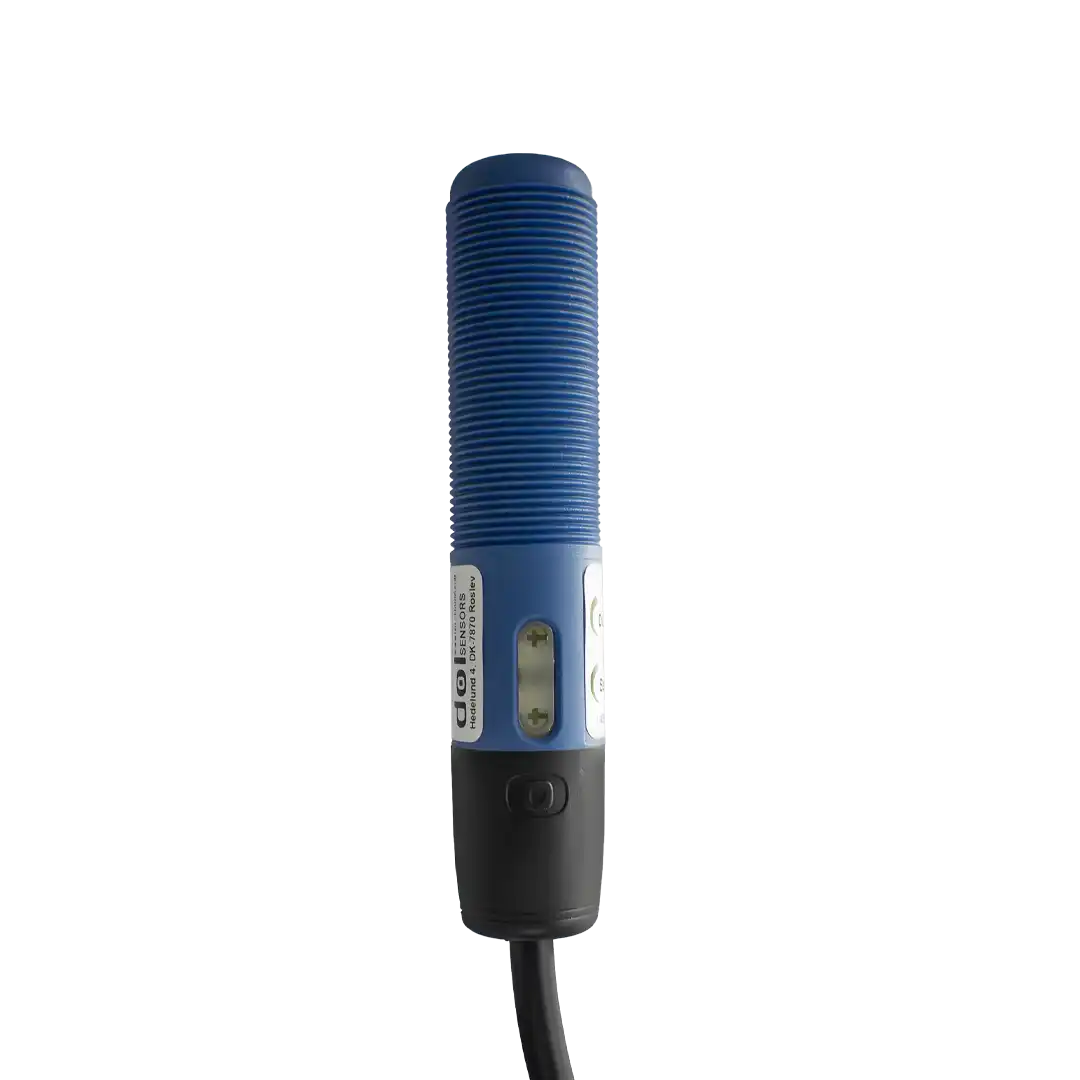
For example, using a sensor like DOL 112-PT100 or DOL112-PT1000 Temperature Sensor to monitor temperature can help automating ventilation and ensuring more stable temperatures in the barn. The temperature data can reveal areas in the with lower or higher temperatures. This important knowledge can then help the farmer act in time before the animals start suffering and before mortality raises and production decreases.
Monitoring CO2 level can help alarming the farmer of malfunctioning ventilation systems avoiding loss of livestock.