Poultry A Global Industry In Transformation

Since the 1970s, the poultry industry has undergone one of the most dramatic transformations in the global food system. What was once a relatively small sector of agriculture has become the world’s fastest-growing source of animal protein. In fact, between 1970 and 2020, global chicken meat production increased by more than 800 percent, reflecting sweeping changes in farming practices, consumer demand, and international trade.

A Shift in Global Protein Preferences

For much of the twentieth century, red meat dominated diets in many parts of the world. Poultry, however, has steadily overtaken beef and pork in several key markets. This shift has been fueled by affordability, as chicken production requires less feed, water, and land compared to cattle and pigs. It has also been influenced by health perceptions, since consumers increasingly regard poultry as a leaner and healthier alternative to red meat. Its adaptability in cuisine has further cemented its global rise, as chicken fits naturally into diverse cooking traditions and dietary restrictions.

Trends and Preferences Among Consumers
Discover how innovation, efficiency, and shifting consumer preferences are reshaping poultry production around the world.
No items found.

Regional Growth Patterns

The story of poultry is also one of regional variety. In North America and Europe, the industry has become highly industrialized, with large-scale operations and vertically integrated supply chains. Chicken is now the most consumed meat in the United States, surpassing beef in the 1990s. In Europe, affordability continues to drive consumption, while demand for organic and free-range products has grown alongside rising consumer awareness of sustainability and welfare issues.

In Asia, rapid urbanization and income growth have fueled a surge in poultry consumption, particularly in China and India, while in Southeast Asia, chicken is firmly rooted in street food culture and home cooking alike. Latin America has emerged as a powerhouse in production, with Brazil ranking among the top exporters of chicken worldwide thanks to its abundant grain supplies and strong infrastructure. Africa’s poultry market, by contrast, tells a more complex story. Consumption is expanding, but local production often struggles to meet demand, leading to significant imports, especially of frozen chicken. At the same time, many African countries are investing in the development of domestic industries to reduce reliance on imports and strengthen food security.

The Role of Technology and Innovation

Technology and innovation have played a crucial role in the expansion of poultry worldwide. Advances in breeding, feed efficiency, and veterinary care have transformed productivity, allowing farmers to raise more birds with fewer resources. Modern poultry operations are far removed from their 1970s counterparts, relying on genetics, automation, and precision farming techniques that reduce costs while ensuring consistency. These improvements have enabled producers to keep pace with population growth and the rising demand for affordable protein.

Challenges and Future Directions

Yet the industry’s success is accompanied by challenges. Environmental sustainability has become a pressing concern, with greater scrutiny on greenhouse gas emissions, water use, and waste management. Animal welfare is increasingly shaping both regulation and consumer expectations, with many buyers opting for products labeled cage-free, free-range, or organic. Looking further ahead, the rise of alternative proteins, from plant-based substitutes to lab-grown chicken, suggests that competition in the protein market will only intensify.

Ammonia Sensor Poultry
Learn how continuous monitoring helps producers identify developing production challenges through changes in water consumption, growth performance and other key production indicators.

Ammonia is one of the most common causes of low animal welfare in chicken farms. It is also a major cause of respiratory problems, sores on feet and breasts as well as lower gain.

What is Ammonia?

Ammonia is a chemical compound between the elements nitrogen (N) and hydrogen (H), and has the formula NH3. The substance is found everywhere in nature and occurs naturally in manure and urine.

The smell of ammonia is known, among other things, from the pungent smell of manure or in the environment of a chicken farm.

Ammonia is formed in humans and animals by the breakdown of proteins (albumin) from the diet, or in connection with the ongoing remodeling of all tissues in the body. A part is also formed in the intestine from the breakdown of proteins and other nitrogenous compounds by bacteria.

Ammonia in Poultry Houses

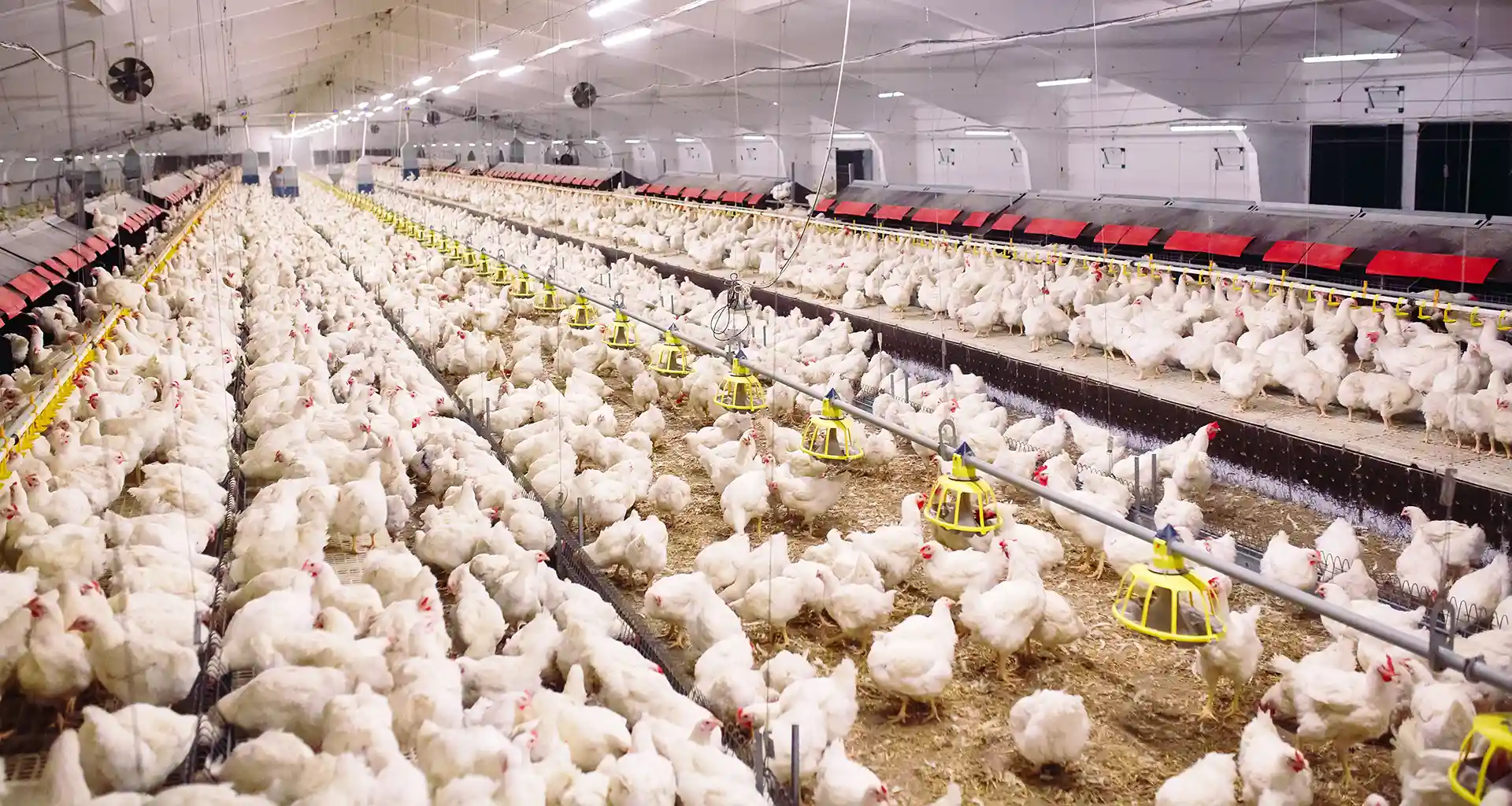
In poultry houses ammonia is a byproducts of manure. When nitrogen compounds are decomposed the result is formation of ammonia (NH3+) and ammonium (NH4-). Ammonia is lighter than air and therefor it floats into the air causing respiration problems and bad smell. Ammonia formation is nurtured by low pH in the litter, high temperatures, and high humidity inside the poultry house.

Consistent And Reliable Feed Supply In Poultry Production
Learn how continuous monitoring helps producers identify developing production challenges through changes in water consumption, growth performance and other key production indicators.

Feed supply involves the delivery of raw materials, ingredients, or mixed feed to production sites like factories, plants, or animal farming operations. Maintaining a steady and dependable supply of feed is essential for the efficient functioning of any production site and for the well-being of animals in farming contexts.

Incorporating Capacitive Sensors into Feed Supply Management

Enhancing the feed supply chain’s effectiveness can be achieved by integrating capacitive sensors. Capacitive sensors are electronic devices that measure the capacity or amount of electrical charge stored in a material. They work by detecting changes in capacitance, which is the ability of a material to store an electrical charge.

Capacitive sensors have a wide range of applications in managing feed supplies. For instance, they are effective in gauging the quantity of raw materials in storage facilities like bins, silos, or tanks. This monitoring helps in averting material shortages and guarantees uninterrupted production due to sufficient raw material or compound feed availability.

Monitoring The Flow Rate

Capacitive sensors can also be used to monitor the flow rate of raw materials being transported through pipes or conveyor belts. This can help to optimize the rate at which materials are supplied to the production process, ensuring that there is neither an excess nor a deficiency of raw materials.

Overall, the use of capacitive sensors in the feed supply process can help to improve efficiency, reduce costs, and prevent disruptions in production. They offer a reliable and cost-effective means of monitoring and controlling the flow of raw materials, ensuring that production can be maintained at optimal levels.

Free-Range vs. Cage Systems in Poultry Production
Learn how continuous monitoring helps producers identify developing production challenges through changes in water consumption, growth performance and other key production indicators.

Free-Range vs. Cage Systems in Poultry Production: Benefits and Pitfalls

Few topics in poultry farming spark as much debate as housing systems. Should chickens be raised in cages or in free-range environments?

Both approaches have advantages and challenges, and the choice often depends on how farmers weigh efficiency, animal welfare, food safety, and consumer expectations.

Cage Systems: Efficient but Controversial

Cage systems, whether conventional or enriched, became the global standard for egg production in the mid-20th century. They were designed to maximize efficiency and food safety, allowing large numbers of hens to be managed in a controlled environment. This consistency led to high egg output and reliable feed conversion, while the reduced contact with litter helped lower the risk of some diseases and parasites. Mortality rates in well-managed cage systems are often lower than in alternative systems, and daily tasks such as feeding, watering, and egg collection are easier to manage.

Despite these strengths, cage systems remain highly controversial. By design, cages restrict birds’ natural behaviors such as dust bathing, wing flapping, foraging, and nesting. This lack of behavioral freedom has become a central welfare concern, particularly as consumers grow more aware of how their food is produced. Limited movement also affects bone strength and can lead to higher rates of osteoporosis. In many markets, conventional battery cages are being phased out altogether, replaced either by enriched cages with perches and scratching areas, or by alternative housing systems.

Free-Range Systems: Welfare and Consumer Appeal

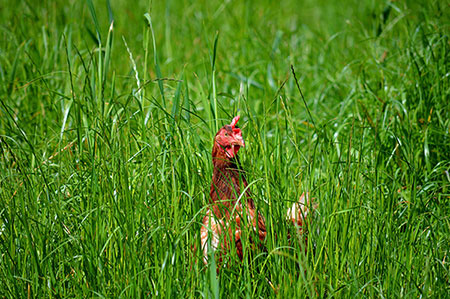
Free-range production presents a very different image, one that appeals strongly to consumers. Birds have greater freedom of movement and outdoor access, allowing them to express natural behaviors such as scratching, foraging, and dust bathing. This generally improves welfare and reduces stress, while more activity supports stronger muscles and bones. Free-range eggs are often marketed as healthier or more sustainable, and products from these systems can command a premium price in the marketplace.

For producers, however, free-range is not without challenges. Outdoor access increases the risk of exposure to predators, parasites, and pathogens such as avian influenza. Biosecurity is harder to maintain, and mortality rates are generally higher than in cage systems. Feed efficiency is often reduced, as birds spend more energy on activity and foraging. In addition, if outdoor areas are not carefully managed, manure accumulation can lead to soil degradation and nutrient pollution.

Selected Sensors

No items found.

Documents

No items found.

Join our newsletter

Stay ahead in livestock production.

Join our newsletter and get industry insights, expert perspectives, and practical strategies for optimizing performance and efficiency.