
At dol-sensors, we have specialized in agriculture for over 50 years.
We innovate, design, and produce intelligent sensor solutions for the agricultural industry worldwide to improve livestock production and animal welfare. Due to our expertise in agriculture, we are aware of the different needs of farmers and farm managers around the world and in different livestock facilities.
We aim at providing unparalleled customer experiences by collaborating with our customers on designing customized sensor solutions that meet their specific needs. Some of these collaborations have led to the development of sensors with threaded and smooth housing, sensors with straight and return cables, small capacitive sensors, and water-proof climate sensors.
In livestock houses, sensors are affected by high humidity levels, lots of dust particles, high levels of ammonia, and temperature swings. This is why our sensors are designed with robust housing and filters that with stand these harsh conditions. Most of our sensors are IP 67 og IP 69k protected against dust and water and many of our climate sensors come with protections caps to protect their filter against high-pressure cleaning.
Our sensors are all well-tested and the majority of them are certified with CE an UKCA certifications to ensure a longer life time.
Livestock production and animal welfare are paramount in the agricultural industry. Farmers and farm managers need reliable and accurate data to make informed decisions that will optimize their production processes and ensure the welfare of their animals.
At dol-sensors, we understand this need and are committed to developing intelligent sensor solutions that deliver real-time data on critical parameters such as temperature, humidity, CO2, ammonia levels, and feed intake. This data helps farmers and farm managers to optimize their production processes, monitor animal welfare, and take proactive measures to prevent potential issues.
Animal welfare is a crucial aspect of livestock production. Our sensors are designed to help farmers and farm managers create comfortable and safe environments for their animals. For instance, our temperature sensors help to regulate the temperature in livestock houses, ensuring that the animals are neither too hot nor too cold. Our humidity sensors help to regulate humidity levels, preventing mold growth and promoting a healthy environment for the animals.
Furthermore, our CO2 sensors help to maintain optimal air quality, which is essential for the health of the animals. By monitoring feed intake, our sensors provide valuable insights into the nutritional status of the animals, helping farmers to adjust their feeding regimes accordingly.
Feed management is a critical aspect of livestock production. Efficient feed management requires accurate data on feed intake, which our sensors can provide. Our sensors monitor feed intake in real-time, providing farmers and farm managers with data on the amount of feed consumed by their animals. This data helps to optimize feed management and reduce wastage, ultimately leading to cost savings for the farmer.
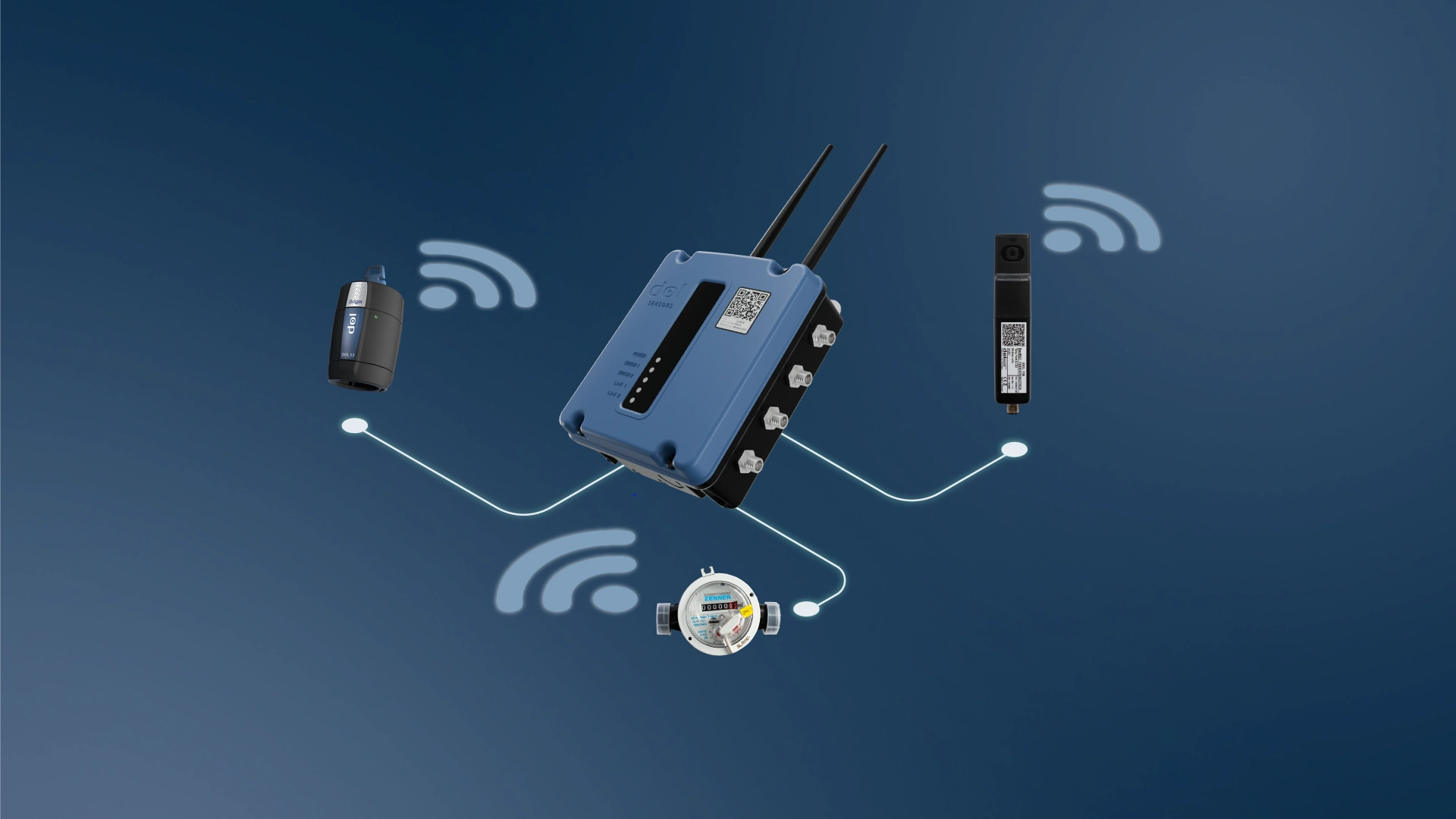
Managing sensors across large or remote agricultural sites just got simpler. The iDOL 64 LoRa Gateway is built for farms and greenhouses where cables need to be kept at the minimum.
The iDOL 64 LoRa Gateway solves this by connecting all your sensors wirelessly via LoRaWAN. The only cables you need are power cables — everything else happens over the air. An integrated modem with a data SIM card handles all communication between your sensors and the dol-sensors Cloud, so continuous data flows straight to your server through our API. No internet connection on-site needed.
The gateway is designed to support both connection types simultaneously. You can connect sensors directly via cable alongside wireless LoRaWAN sensors — giving you full flexibility for your specific setup. Up to 12 analog 0–10V sensors can be connected to a single gateway via wire.
The number of wireless LoRa sensors you can add depends on several factors specific to your environment.
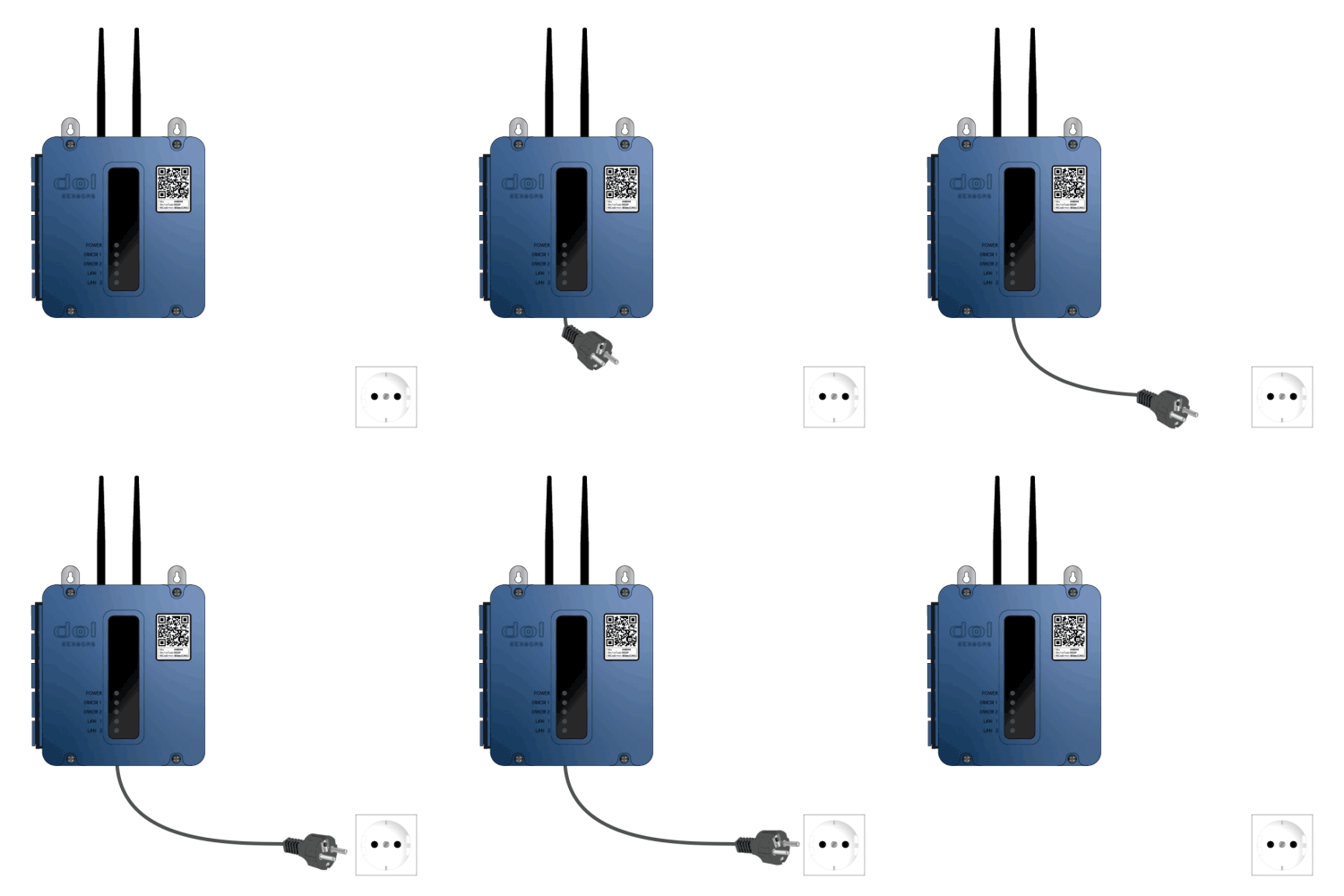
The iDOL 64 LoRa Gateway is designed for fast, hassle-free installation.
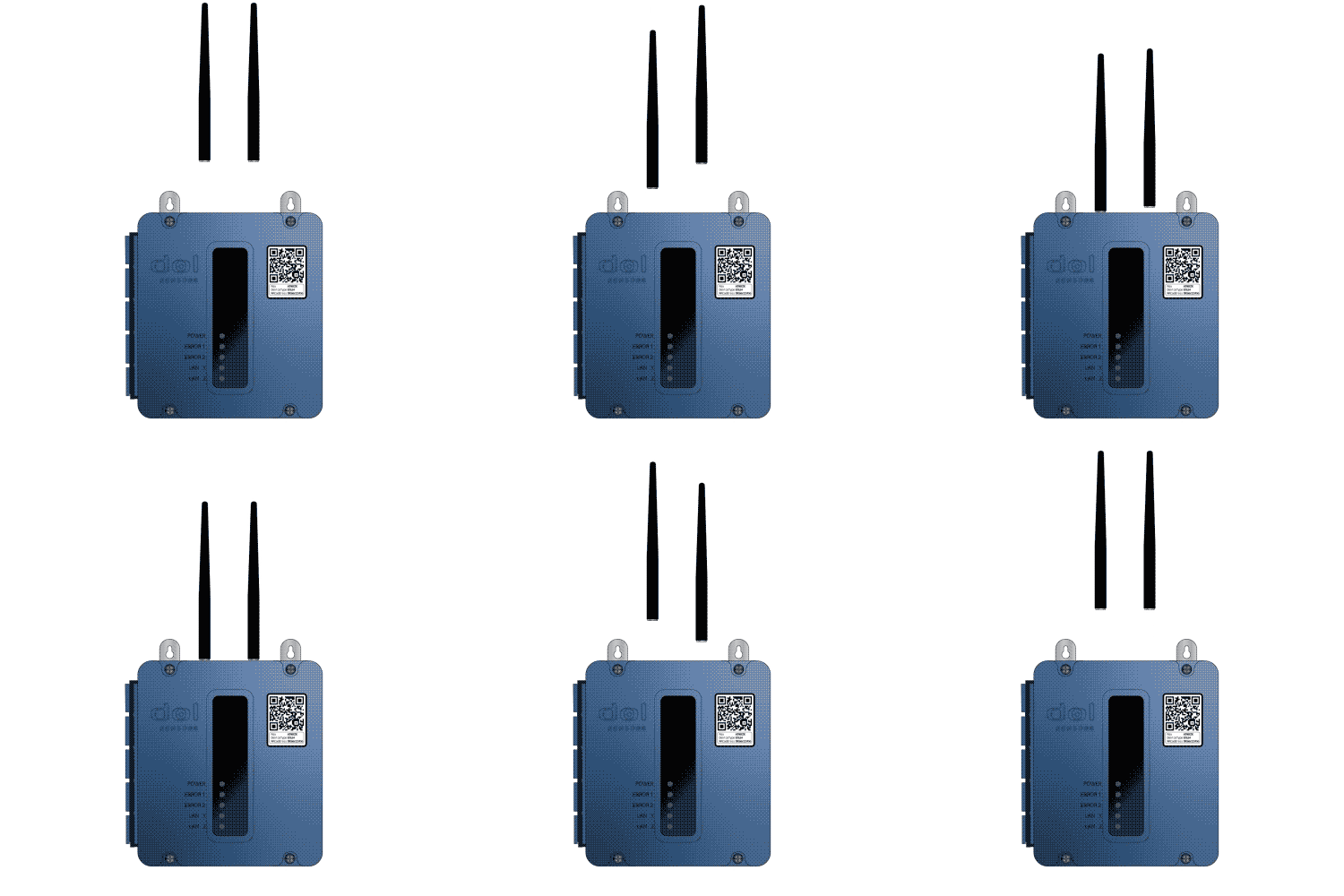
Mount the antennas attached with the iDOL 64
Install the gateway on the wall. Ensure that the gateway is as high as possible in order to have the best connection.
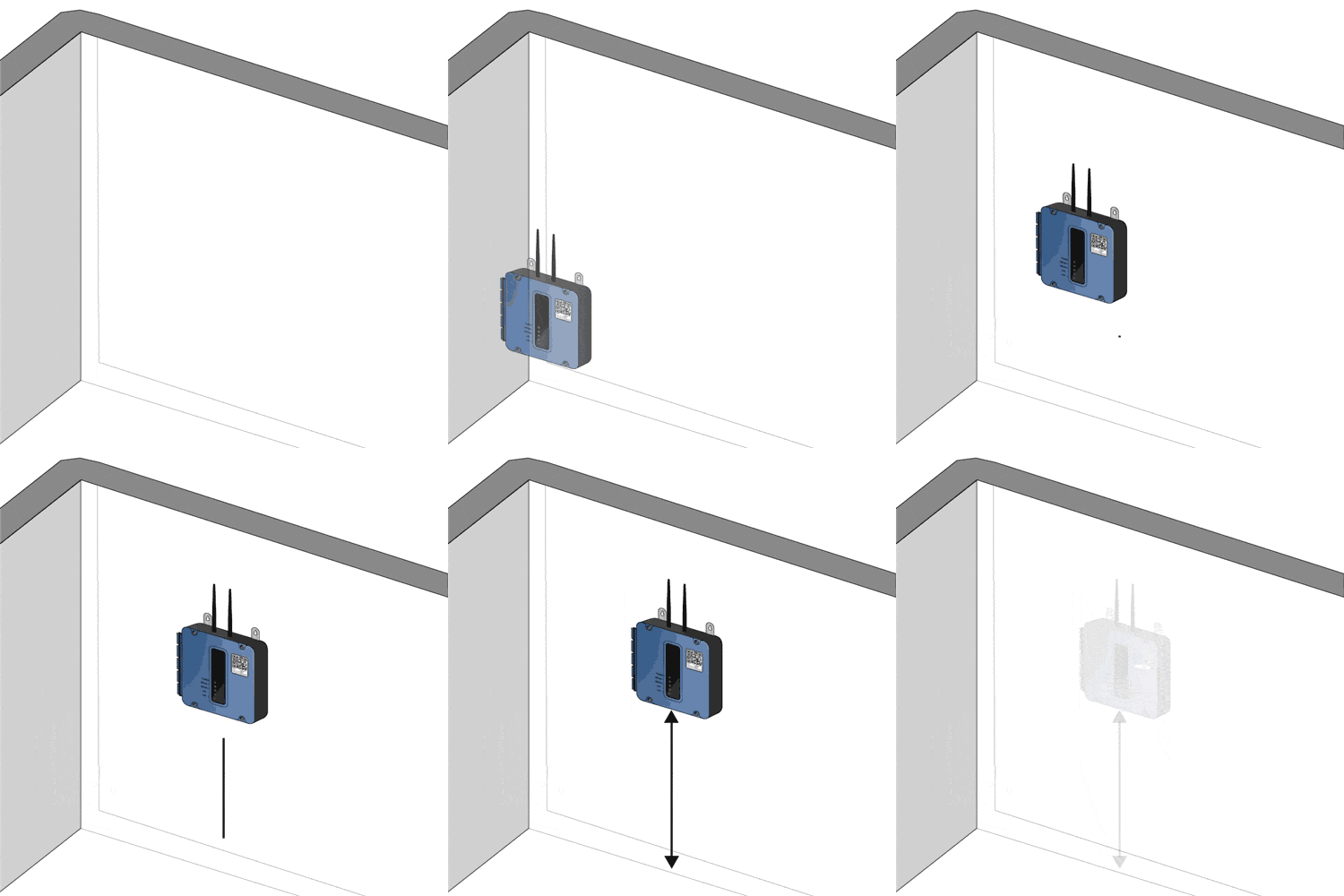
Connect device to power. iDOL 64 is going to turn on automatically, it's that easy
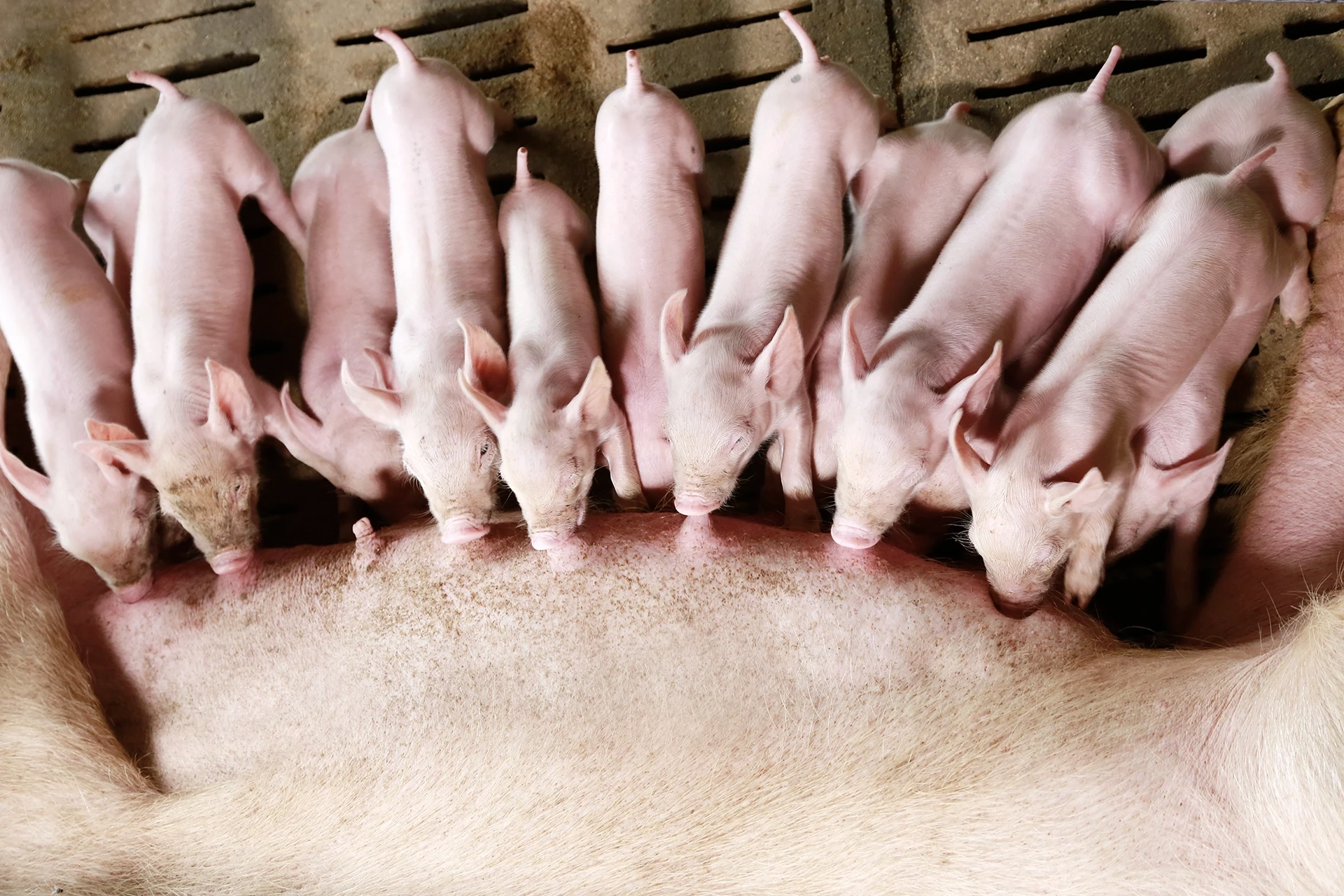
Modern pig farms generate enormous amounts of data - but data alone doesn't create value. The real impact comes from integrating climate, feed, water, and weight data into one unified system.
Correlating multiple data streams highlights trends that would remain hidden if viewed separately. For example, rising temperatures with declining feed intake can reveal early signs of heat stress before it comes visible in animal behavior.
Integrated data flows simplify documentation for audits, sustainability reporting, and compliance requirements - saving hours of manual work.
Historical patterns support forecasting, allowing the system to alert before a potential issue escalates. This enables early interventions that protect both animal health and performance.
With all data in one place, farm managers can easily compare barns, batches, production cycles, or even farm locations. This visibility highlights improvement opportunities and supports more consistent results across operations.
The use of technology in agriculture has greatly advanced in recent years, resulting in increased efficiency, improved yields, and reduced labor costs. One area where technological advancements have made a significant impact is in the use of sensors to monitor and control various aspects of farming operations. Among the latest innovations in this area are capacitive sensors, which have been approved by ATEX for use in agriculture; so-called ATEX sensors.
ATEX (ATmosphères EXplosibles) is a European Union directive that sets out the requirements for equipment used in potentially explosive atmospheres. The directive aims to ensure that equipment used in such environments is designed and manufactured to prevent explosions and limit their impact on the surrounding area.
Capacitive sensors are sensors that measures changes in capacitance, which is the ability of a material to store an electric charge. In agriculture, capacitive sensors are used for general detection of feed, grain, and solids among other things. A capacitive relay sensor is typically used as empty, full, and level indicator in tanks, silos, and containers during the emtying and filling process.
ATEX approval of capacitive sensors for use in agriculture is significant because it means that these sensors meet the safety standards required for use in potentially explosive environments. This is particularly important in the case of installation where dust poses an imminent explosion risk classified according to Zone 20 and 21. Examples of this kind of environment could be in broiler houses or in flour production.
The image here shows iDOL 46 ATEX Proximity Sensor mounted.
Stay ahead in livestock production.
Join our newsletter and get industry insights, expert perspectives, and practical strategies for optimizing performance and efficiency.