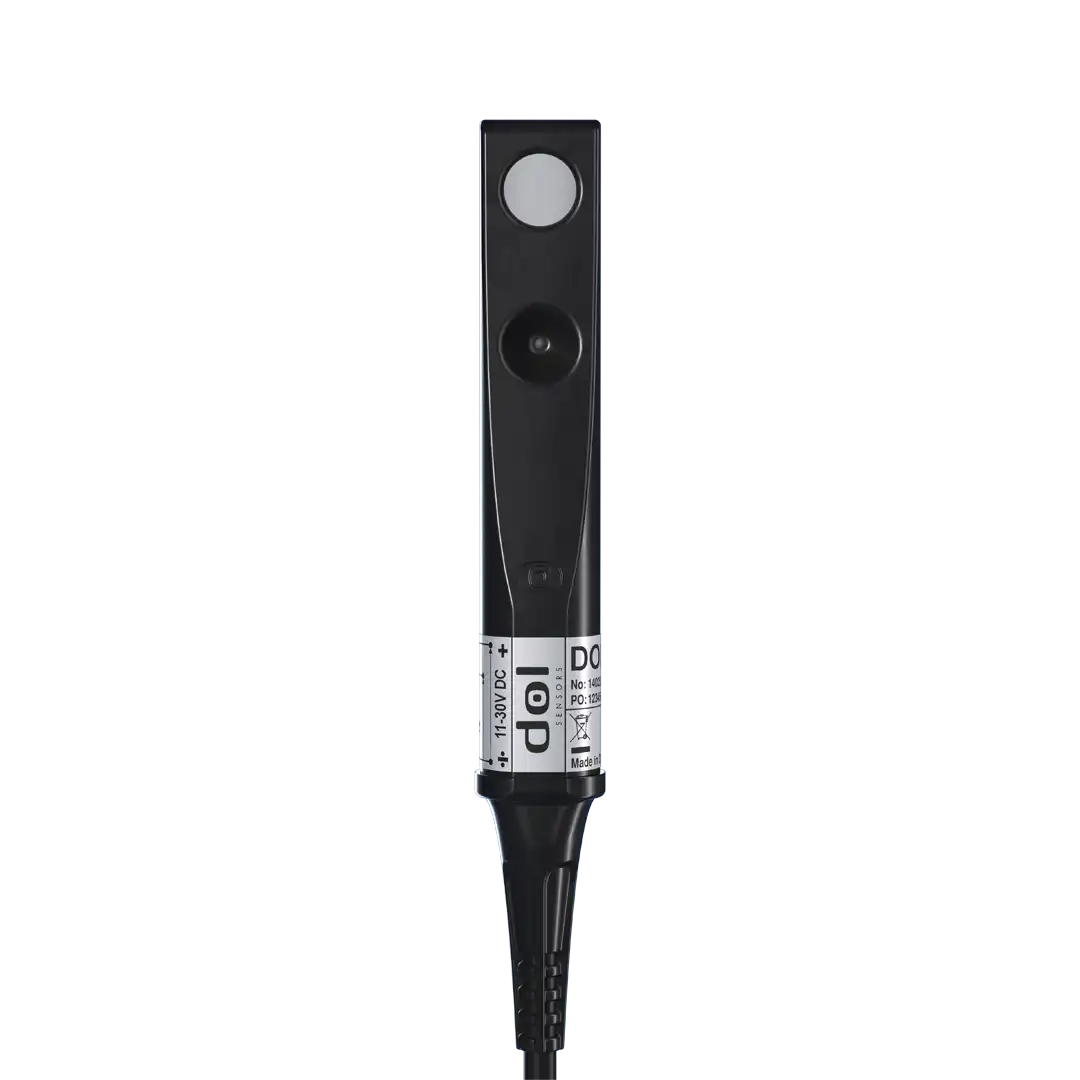
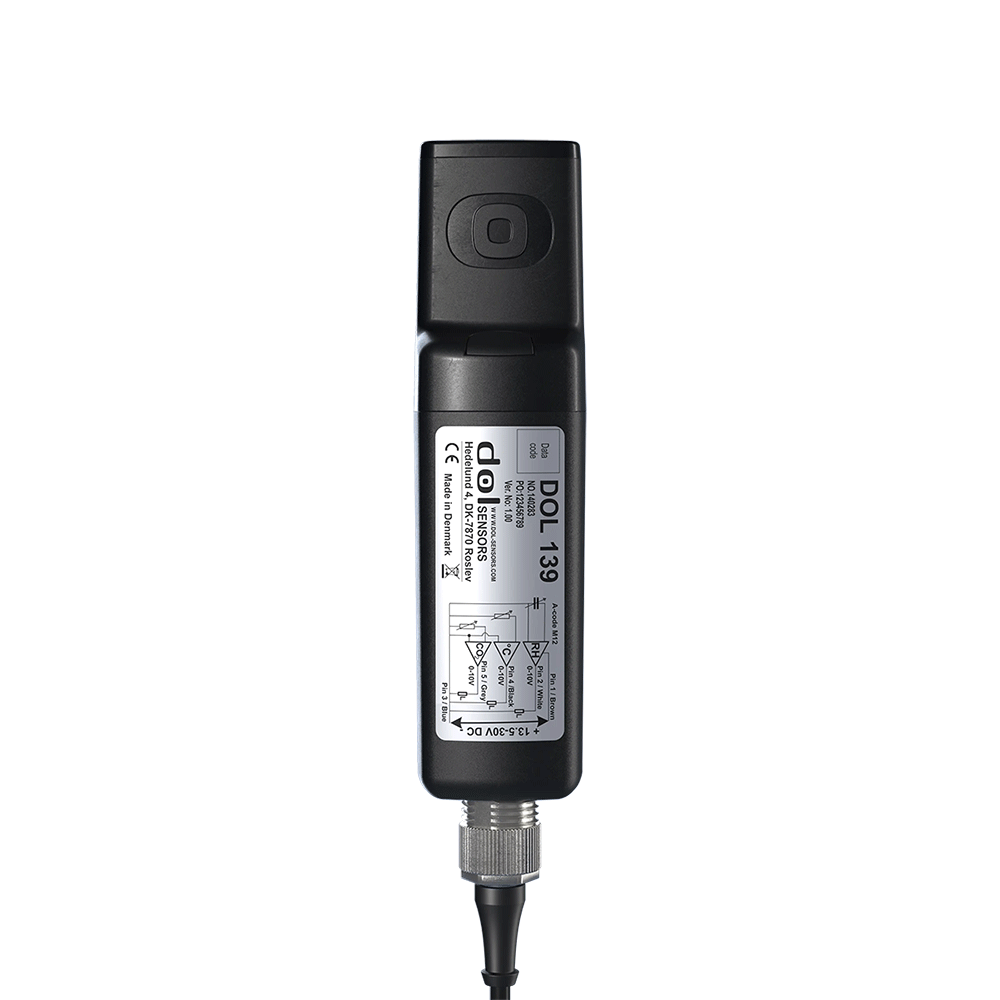
Learn how continuous monitoring helps producers identify developing production challenges through changes in water consumption, growth performance and other key production indicators.
The demand for a more sustainable food production increases every year. To live up to this, food producers must keep enhancing their production and make sure that the animals have the best living conditions possible in order to avoid mortality, enhanced FCR, and poor meat quality. This calls for accurate real-time data.
Accurate Real-time Data
Constantly monitoring the climate in livestock houses is essential to create optimal animal welfare and the most efficient production. It is no longer enought to measure the temperature, humidity, CO2, and ammonia once in a while. Climate sensors of the future provide accurate real-time data allowing for more timely and effective decision-making, when it comes to managing the production, since the farmer or farm manager get an up-to-date picture of the production.
The Importance of Accurate Data
One of the key benefits of using climate sensors in poultry houses is that they can help prevent the spread of disease. Poultry are particularly susceptible to respiratory infections, which can be exacerbated by poor air quality. By monitoring the levels of carbon dioxide, ammonia, and humidity, you can make sure that the air inside the poultry house is fresh and free from harmful gases.
In a poultry production, the temperature and humidity play an important role during the entire life of the chicken from hatchery and hatching until they are sent to slaughter. Chickens are very sensitive to temperature changes. If it is too cold, the chickens might eat more and stick together to keep warm, meaning they produce more fat than meat due to the combination of high feed consumption and low movement. A low temperature might also cause egg laying problems.
Whether the data from the climate sensors is accurate or not has a huge impact on the production. As mentioned, temperature and humidity have a great effect on the production and animal welfare which makes it vital that the measurements are accurate. Accurate data can lead to less stress on birds and thus greater productivity.