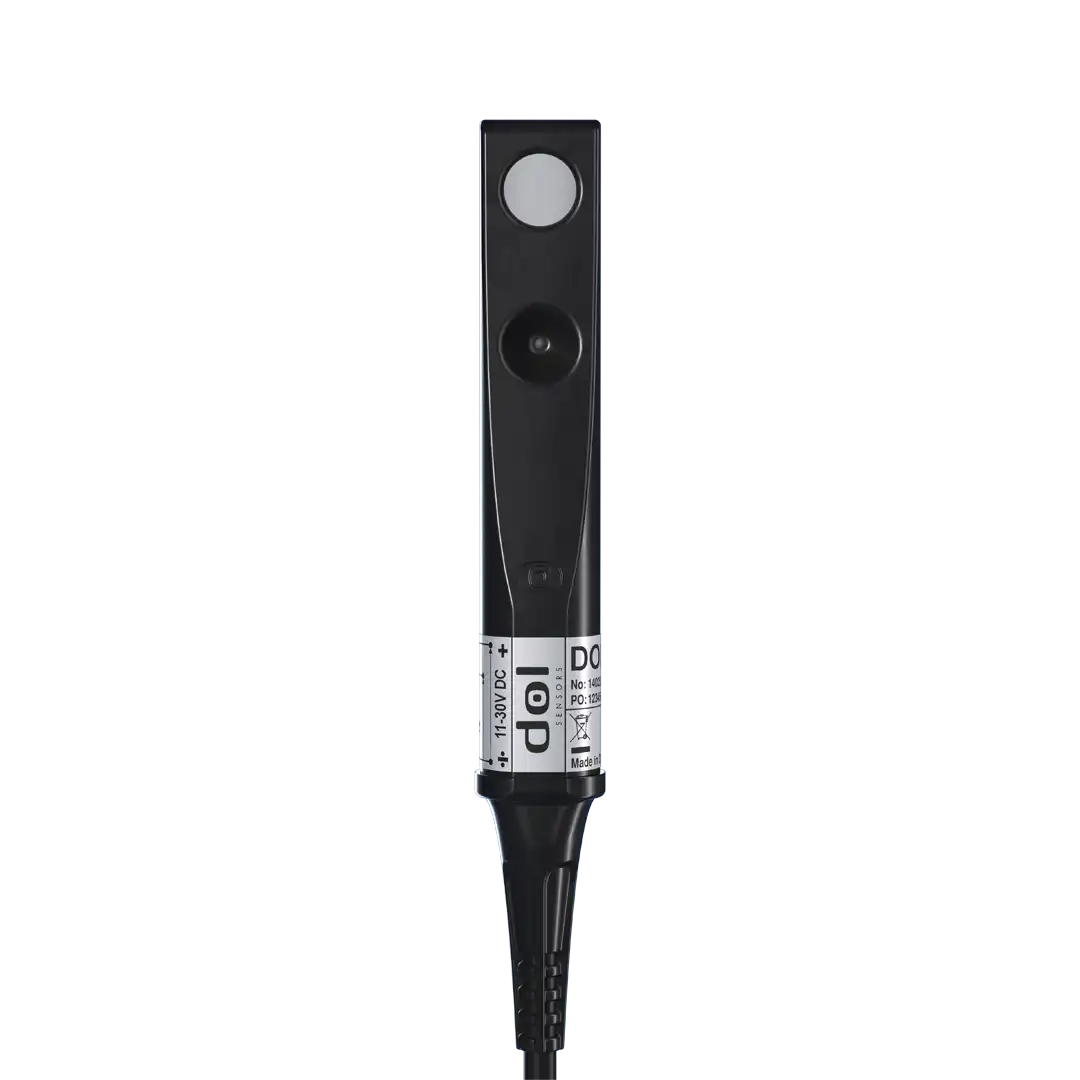
IP67 Protected Sensors

For Harsh Environment in Livestock Houses

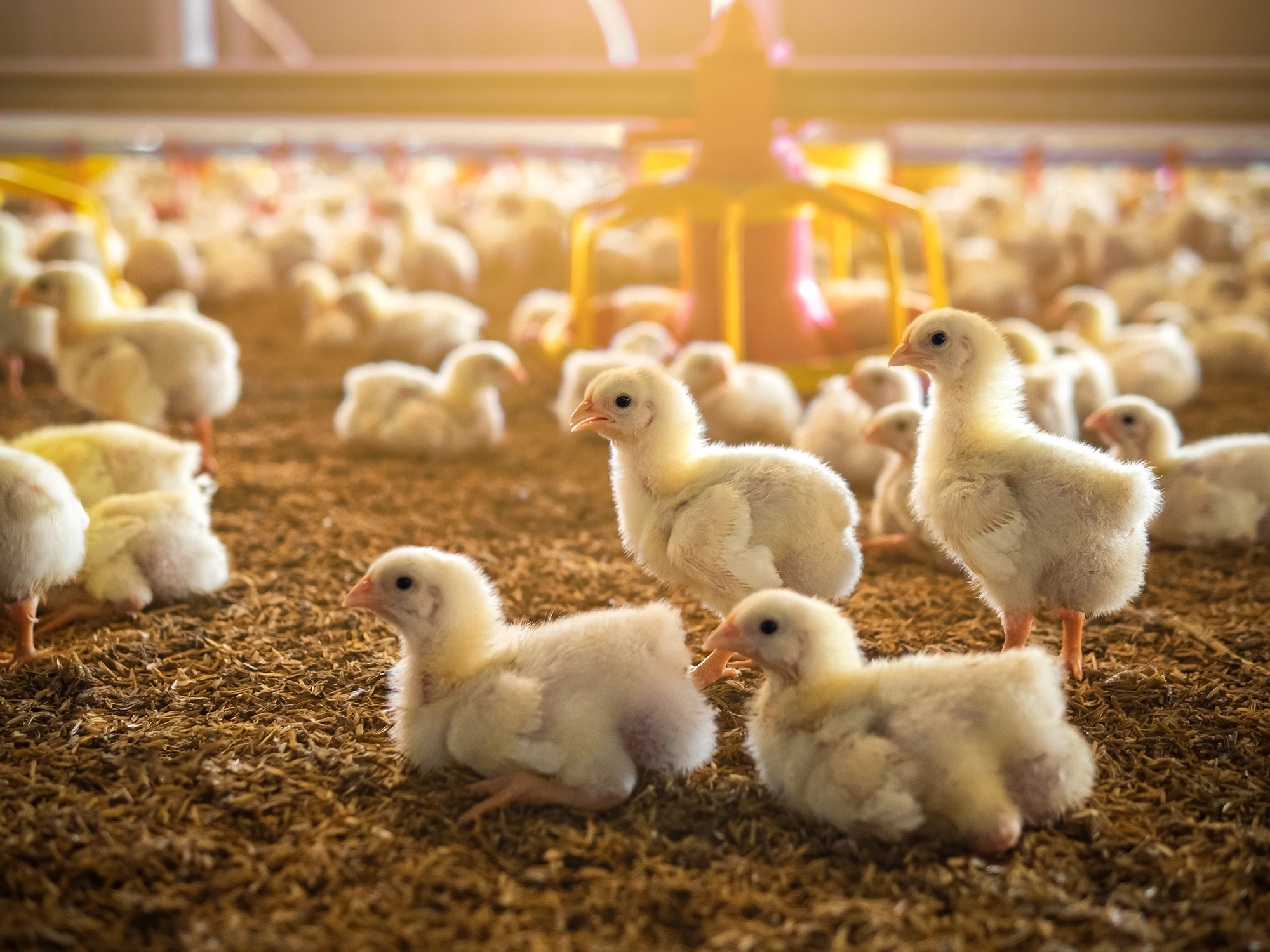
Livestock facilities often present challenging environments that require robust and reliable technology to ensure the well-being of animals and optimize operations. These facilities are characterized by demanding conditions including temperature fluctuations, humidity, dust, and potential exposure to water. These factors can compromise the functionality of traditional sensors, leading to inaccuracies in data collection and suboptimal control of critical parameters such as temperature, ventilation, and feeding systems. This is where the importance of IP67 protected sensors comes into play.

What is IP67 Protection?

IP67 is an Ingress Protection code that signifies the level of protection a sensor offers against solid particles (first digit) and liquids (second digit). The first digit “6” indicates complete protection against dust, preventing any ingress that could affect the sensor’s performance. The second digit “7” signifies the sensor’s ability to withstand immersion in water up to one meter depth for up to 30 minutes without sustaining damage. This level of protection ensures that IP67 sensors can withstand the harshest of conditions prevalent in livestock houses.

Benefits of IP67 Protected Sensors

Durability and Longevity

IP67 protected sensors are engineered to withstand the challenges of livestock environments. Their robust construction ensures they can endure mechanical impacts, vibrations, and extreme environmental conditions, resulting in a longer lifespan and reduced maintenance costs.

Accurate Data Collection

Precise data collection is essential for informed decision-making. IP67 sensors maintain their accuracy even in the presence of dust, moisture, and other environmental factors, ensuring that the collected data remains reliable for effective livestock management.

Real-time Monitoring

Livestock houses require real-time monitoring to promptly identify any irregularities. IP67 protected sensors enable continuous data transmission, facilitating immediate responses to changes in environmental conditions and ensuring animal welfare.

Easy Integration

Most IP67 sensors can seamlessly integrate into existing farm management systems. These sensors often come with various output options, making it easier to connect them to central monitoring systems, controllers, or other devices.

Reduced Downtime

Traditional sensors often face downtime due to environmental stressors, leading to operational disruptions. With IP67 protection, sensors remain operational even during adverse conditions, minimizing downtime and optimizing livestock house efficiency.

Livestock Sensors For Harsh Environments
Sensors that deliver reliable operation, accurate data, and long service life in harsh agricultural environments.

Applications of IP67 Sensors in Livestock Houses

Temperature Monitoring

Temperature control is critical for maintaining animal health. IP67 temperature sensors can accurately monitor ambient temperature, allowing timely adjustments to heating or cooling systems for optimal conditions.

Humidity Regulation

High humidity levels can promote the growth of harmful mycotoxins. IP67 humidity sensors help maintain an ideal environment by providing real-time data for effective humidity regulation.

Ventilation Control

Proper ventilation is crucial to prevent the accumulation of noxious gases and maintain air quality. IP67 sensors can monitor air quality parameters and facilitate automatic adjustments in the ventilation system to ensure a healthy environment for livestock.

Feed Management

IP67 sensors can monitor feed availability, ensuring that livestock have access to essential resources. By maintaining accurate data on feed consumption rates, it is possible to optimize feeding schedules and reduce wastage.

Waterproof and dust protected sensors

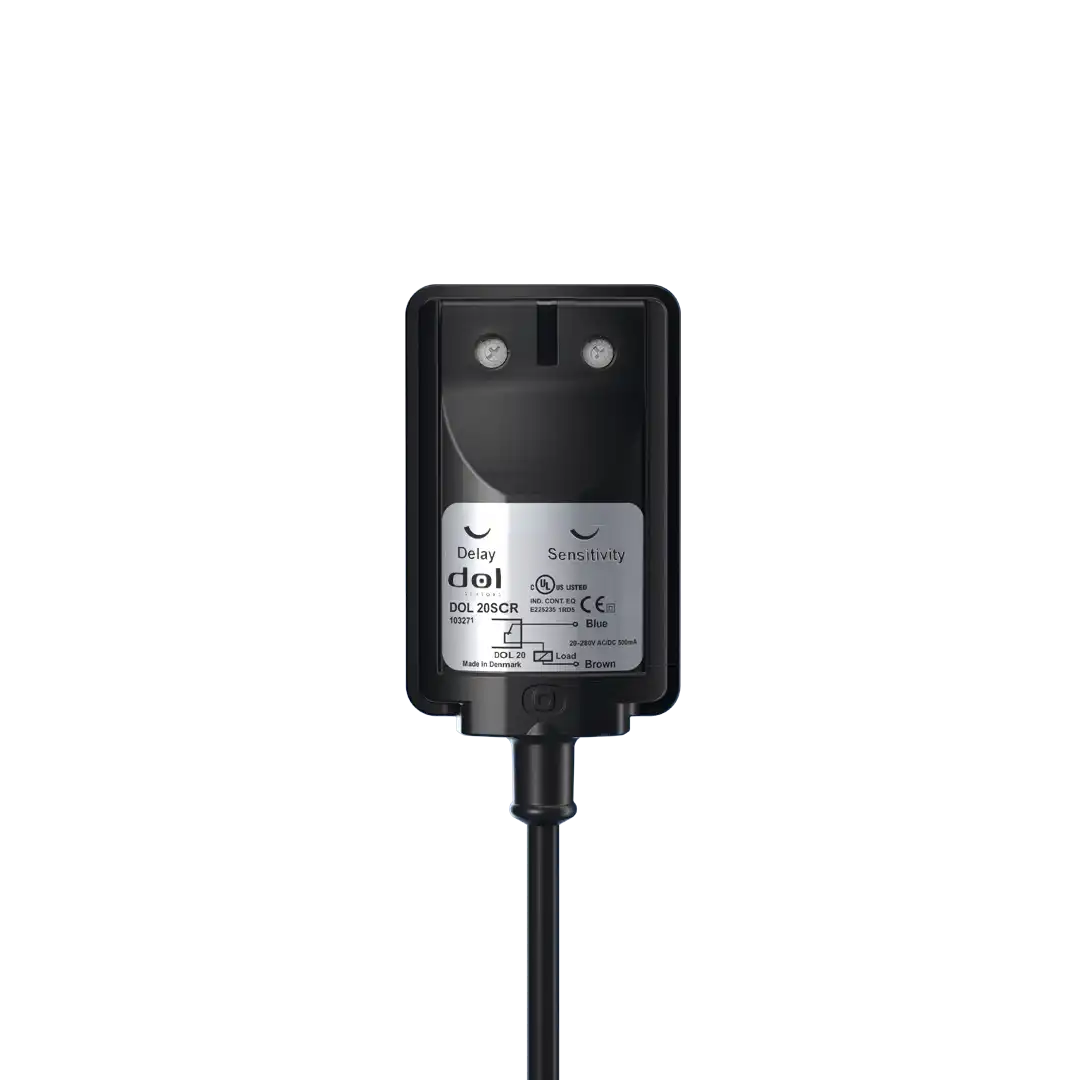
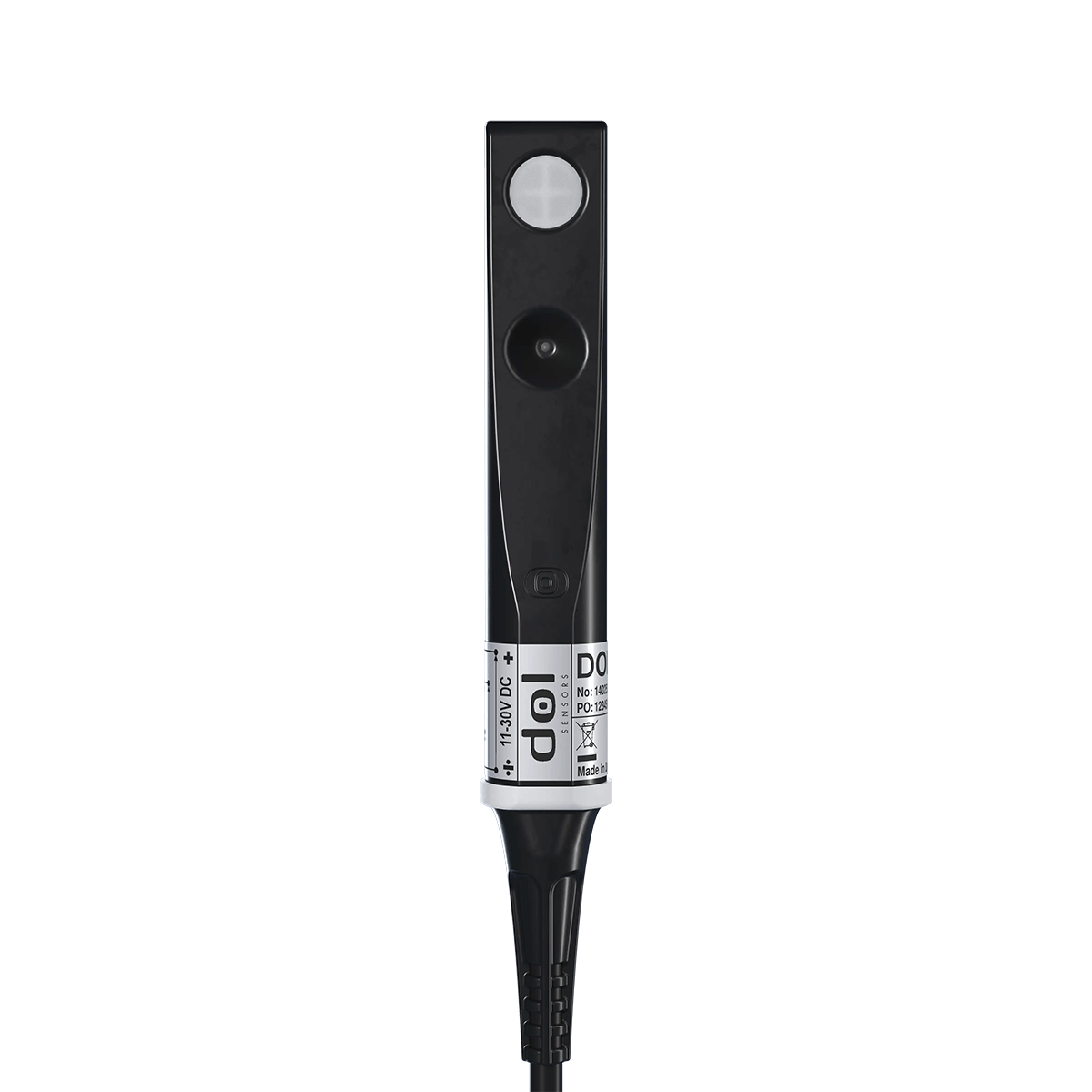
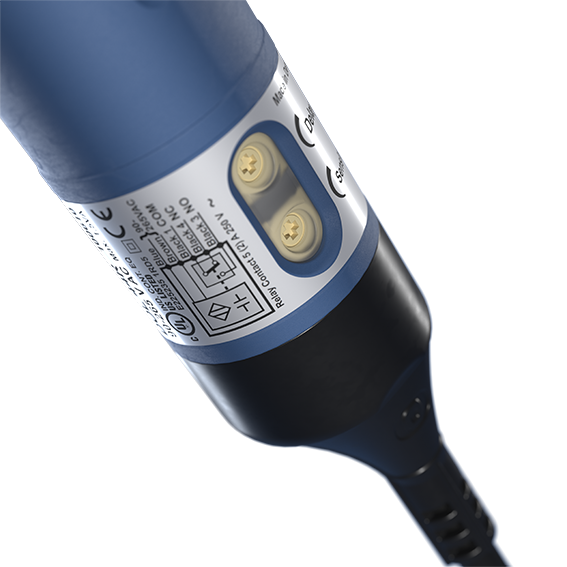
A lot of dol-sensors’ sensor solutions are IP67 protected which give them a longer service live and make them more robust.

In our product range of IP67 protected sensors, you will find:

The Key Environmental Factors Every Poultry Barn Should Get Right
Learn how continuous monitoring helps producers identify developing production challenges through changes in water consumption, growth performance and other key production indicators.

A strong flock begins with a stable environment. Modern poultry barns are sensitive systems where small climate shifts can influence comfort, growth, and welfare. Getting the core environmental factors right is essential for predictable, efficient production.

Temperature

Temperature sets the baseline for bird comfort. Even small deviations affect feed intake, movement, and growth. Birds struggle when it's too warm or too cold, and uneven temperatures create uneven flocks. Consistent, well-distributed heat is the foundation of a smooth production cycle.

Humidity

Humidity shapes litter quality and respiratory health. High humidity leads to wet litter and rising ammonia levels, while low humidity dries the air and irritates the birds' respiratory system. Keeping humidity stable helps maintain a dry litter and reduces disease pressure.

Ventilation & Airflow

Ventilation does far more than regulating temperature. It removes moisture, gases, and dust while supplying fresh oxygen. Proper airflow prevents CO₂ and ammonia buildup and keeps conditions even across the barn.

Air Quality

Birds are highly sensitive to what they breathe. Elevated CO₂ slows growth, ammonia irritates the respiratory system, and dust carries pathogens. Clean air supports stronger immunity, better comfort, and more consistent performance.

Light

Lighting influences behavior, activity, and growth. Proper intensity and distribution encourage movement and feeding, while correct day-length support natural rhythms and welfare. Good lighting helps keep flocks balanced and active. In breeders it also plays a key role in regulating reproduction and ovulation by guiding the birds’ natural hormonal cycles.

Avoid High Mortality In Poultry Production
Learn how continuous monitoring helps producers identify developing production challenges through changes in water consumption, growth performance and other key production indicators.

One of the most concerning challenges faced by poultry producers is high mortality rates, which not only affect profits but also indicate underlying issues in management, disease control, and environmental conditions. However, with proper planning, management, and proactive measures, it’s possible to mitigate mortality rates and sustain a healthy poultry operation.

Adequate Ventilation

Create a comfortable and stress-free environment for your poultry by providing well-ventilated housing that protects them from extreme weather conditions. Proper ventilation helps remove excess moisture, CO2, and ammonia from the air, reducing the risk of respiratory diseases.

Exposure to excessive heat or cold stress can weaken the immune system, making birds more susceptible to diseases and increasing mortality rates. Thus, adequate ventilation is vital to ensure the right temperature in the poultry house.

Climate sensors provide your ventilation system with data on humidity, CO2, and ammonia levels ad well as the temperature in different reas of the house.

Data Doesn't Replace Experience. It Strengthens It.
Learn how continuous monitoring helps producers identify developing production challenges through changes in water consumption, growth performance and other key production indicators.

Livestock production has always depended on experience.

Whether managing a poultry house or a pig facility, experienced producers develop a strong understanding of animal behavior, environmental conditions, and daily operations. These insights are built over years of observation and hands-on management.

As monitoring technologies become more common in modern livestock production, some producers wonder whether data is replacing experience.

The reality is quite the opposite.

Experience Still Matters Most

No sensor can replace the knowledge that comes from working with animals every day.

Experienced producers can often spot subtle changes in behavior, identify unusual patterns, and recognize early signs of developing challenges before they become serious problems. That expertise remains one of the most valuable resources on any farm. However, even the most experienced manager cannot be everywhere at once.

The Need for Greater Visibility

Modern poultry and pig production is becoming increasingly complex.

Environmental conditions can change throughout the day, often without obvious signs. Ventilation performance, temperature, humidity, CO₂ levels, and water consumption may shift gradually before they become noticeable during routine inspections. This is where continuous monitoring adds value.

Rather than replacing human expertise, monitoring technologies provide an additional layer of visibility that helps producers better understand what is happening inside the house or barn.

→ Read: They Key Environmental Factors Every Poultry Barn Should Get Right

Better Information Supports Better Decisions

Reliable data helps producers make decisions based on facts rather than assumptions.

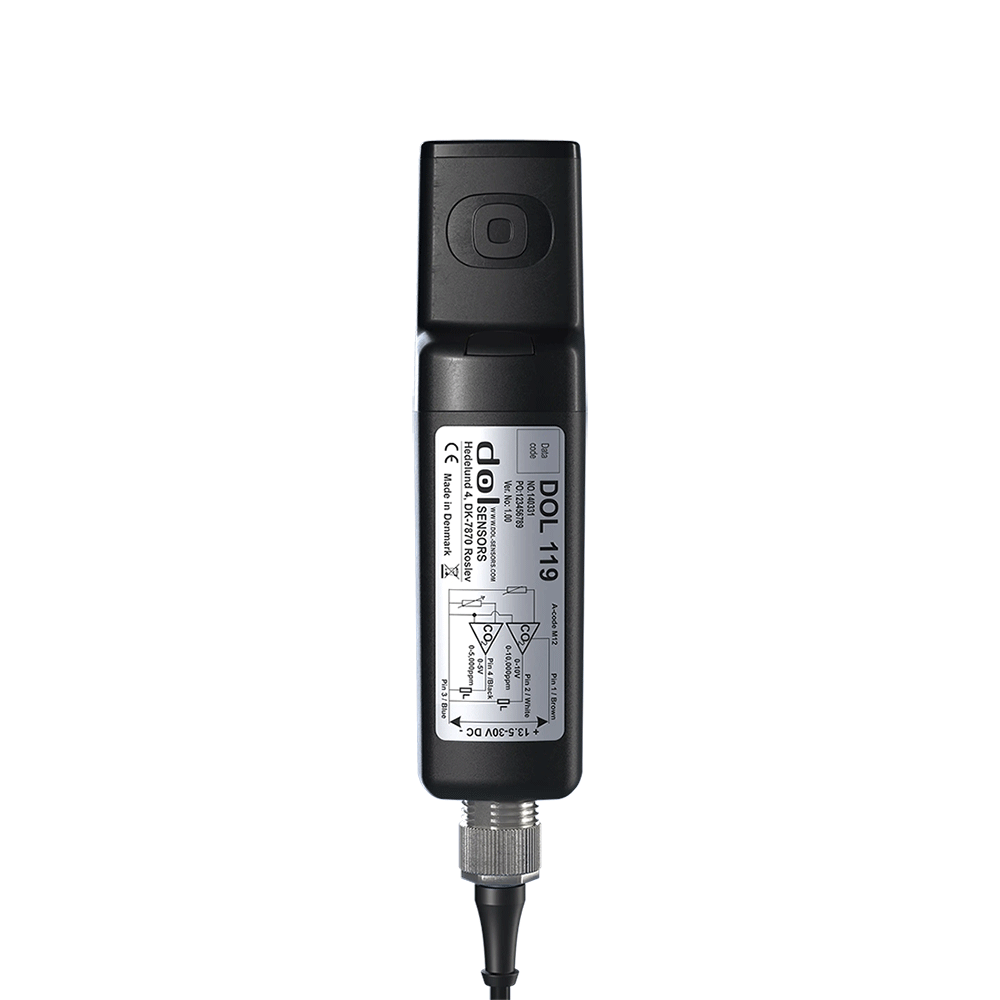
For example, the DOL 119 CO₂ Sensor provides insight into ventilation performance and indoor air quality, while the DOL 114 Humidity & Temperature Sensor helps monitor environmental conditions that influence animal welfare and productivity.

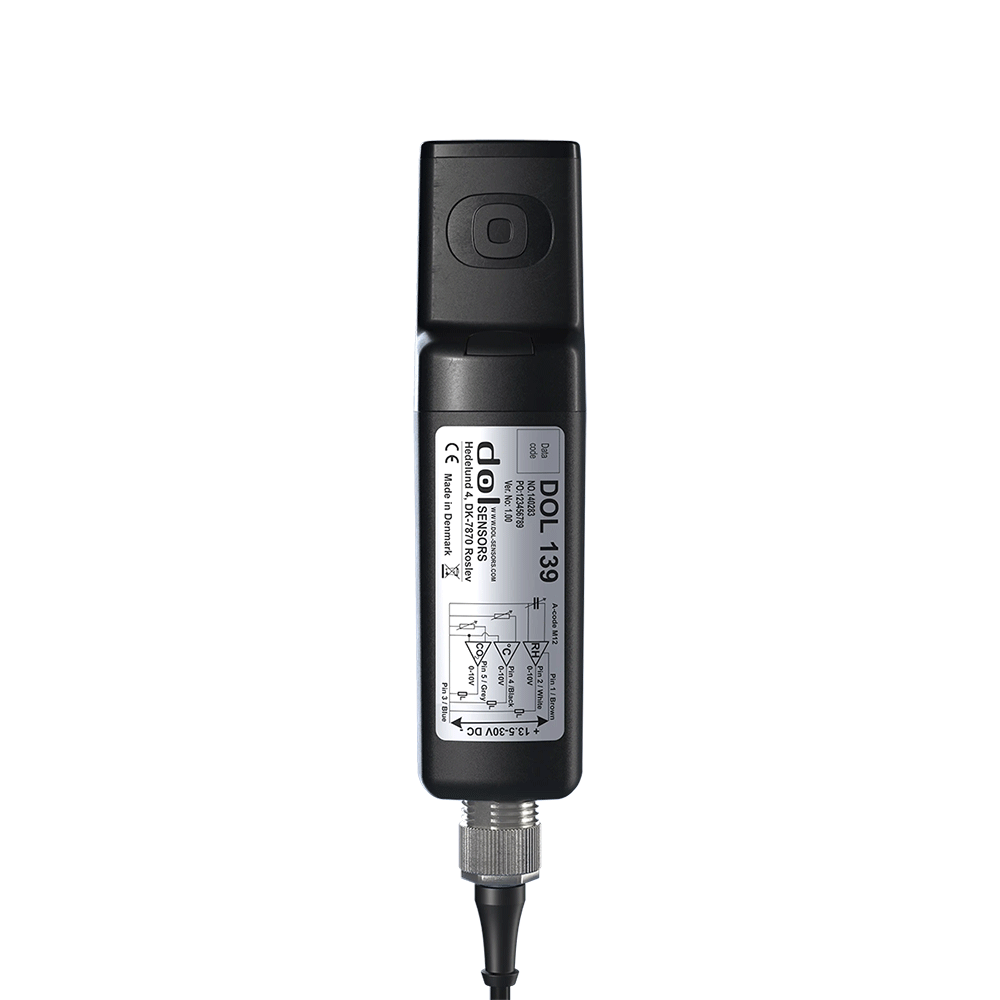
For producers seeking a broader environmental overview, the DOL 139 combines temperature, humidity, and CO₂ monitoring in a single sensor.

Production indicators are just as important. The DOL 90 Water Meter continuously monitors water consumption, often one of the earliest signs that something within the livestock house has changed. Together, these measurements provide valuable information that supports daily management decisions.

Selected Sensors

Documents

English
Leaflet
Climate Brochure
English
Leaflet
Capacitive Brochure

Join our newsletter

Stay ahead in livestock production.

Join our newsletter and get industry insights, expert perspectives, and practical strategies for optimizing performance and efficiency.