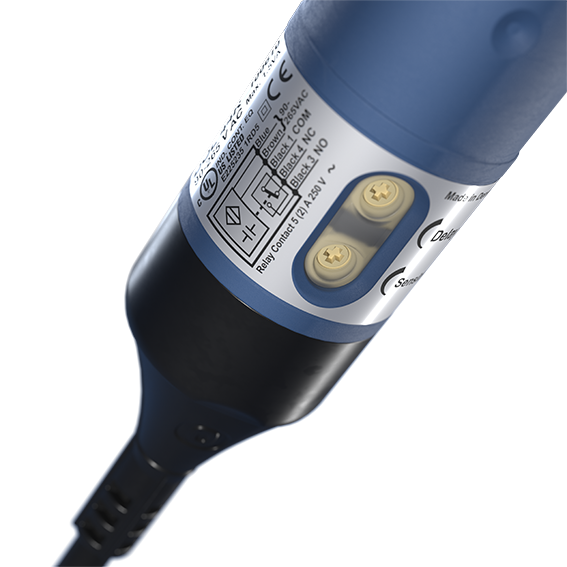
Proximity Sensors

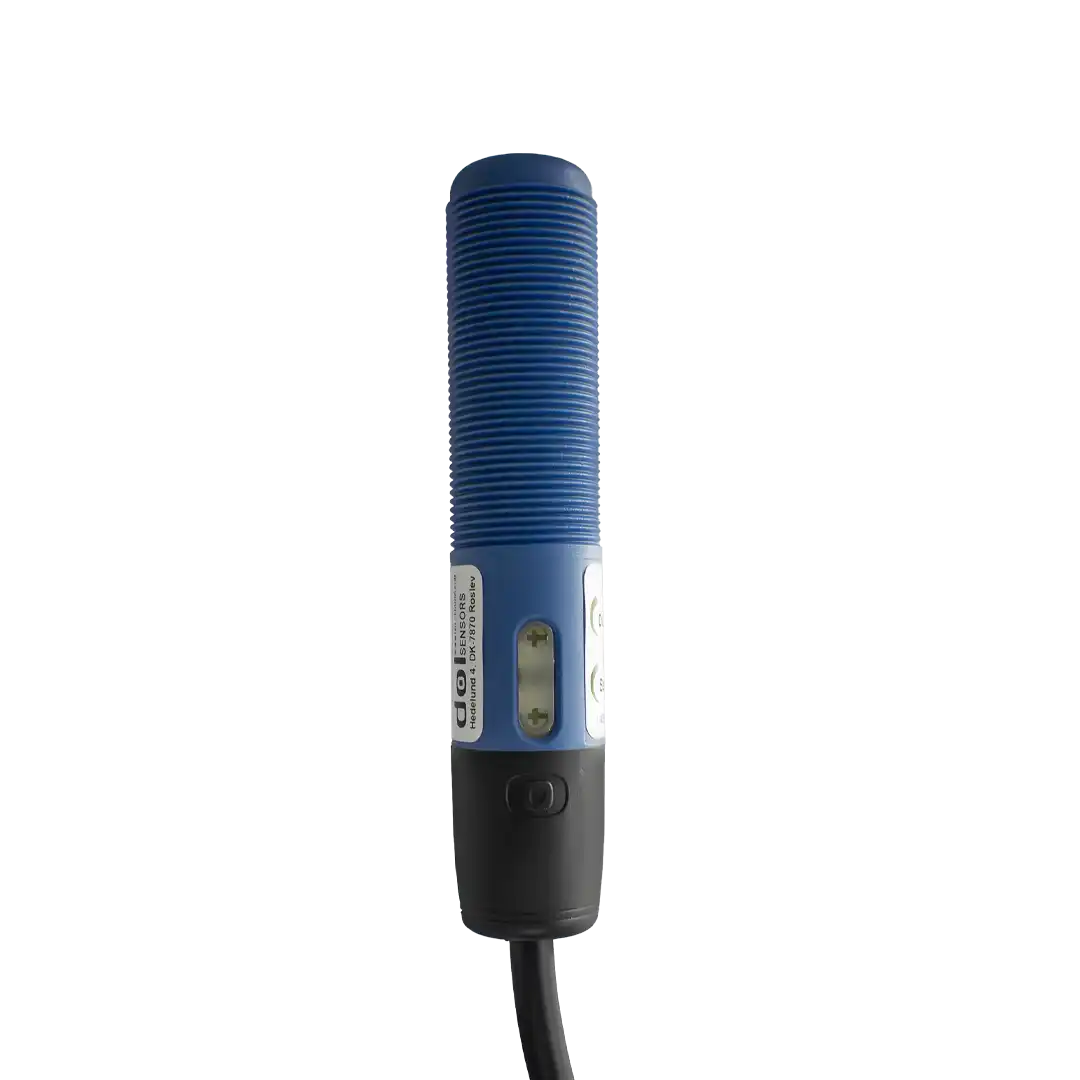
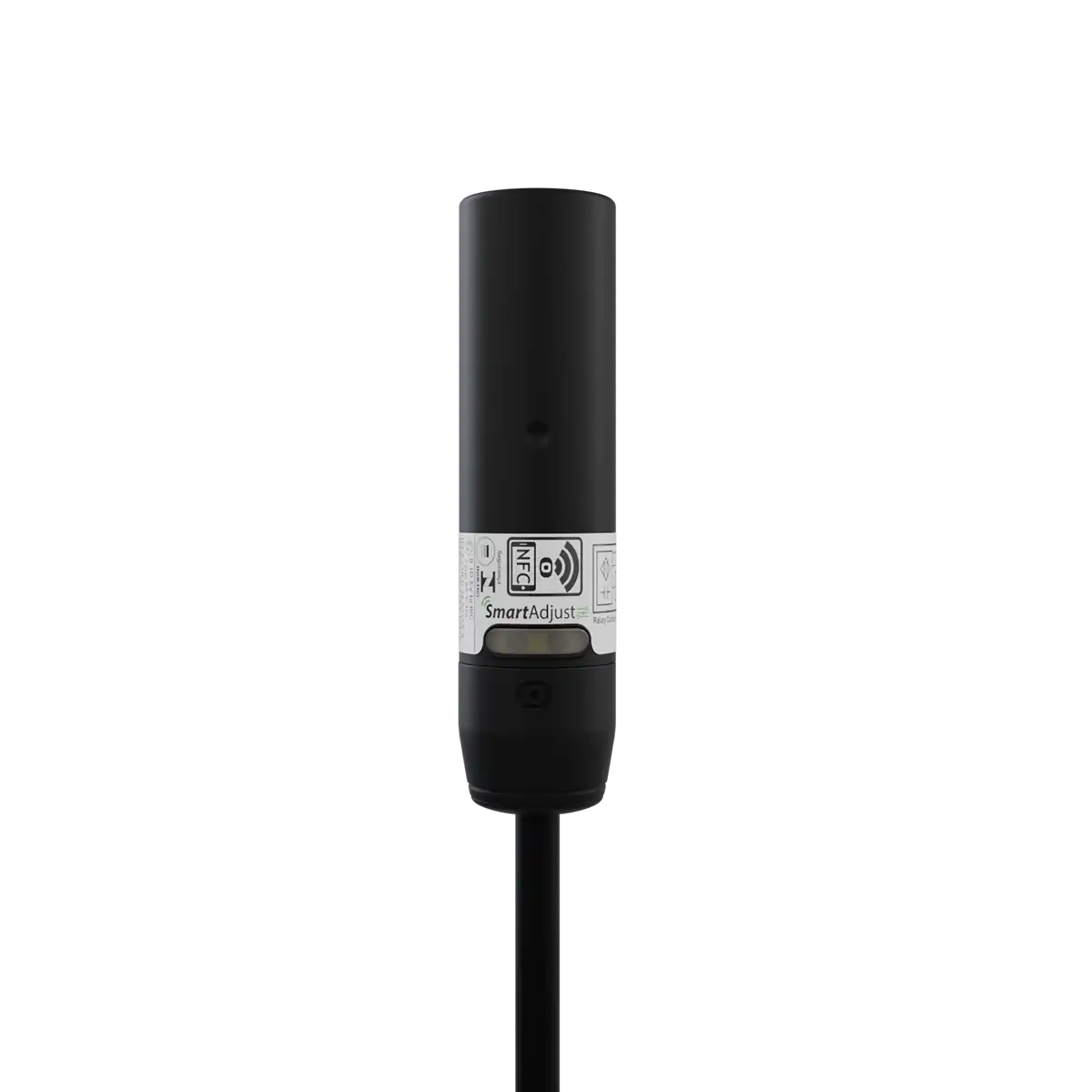
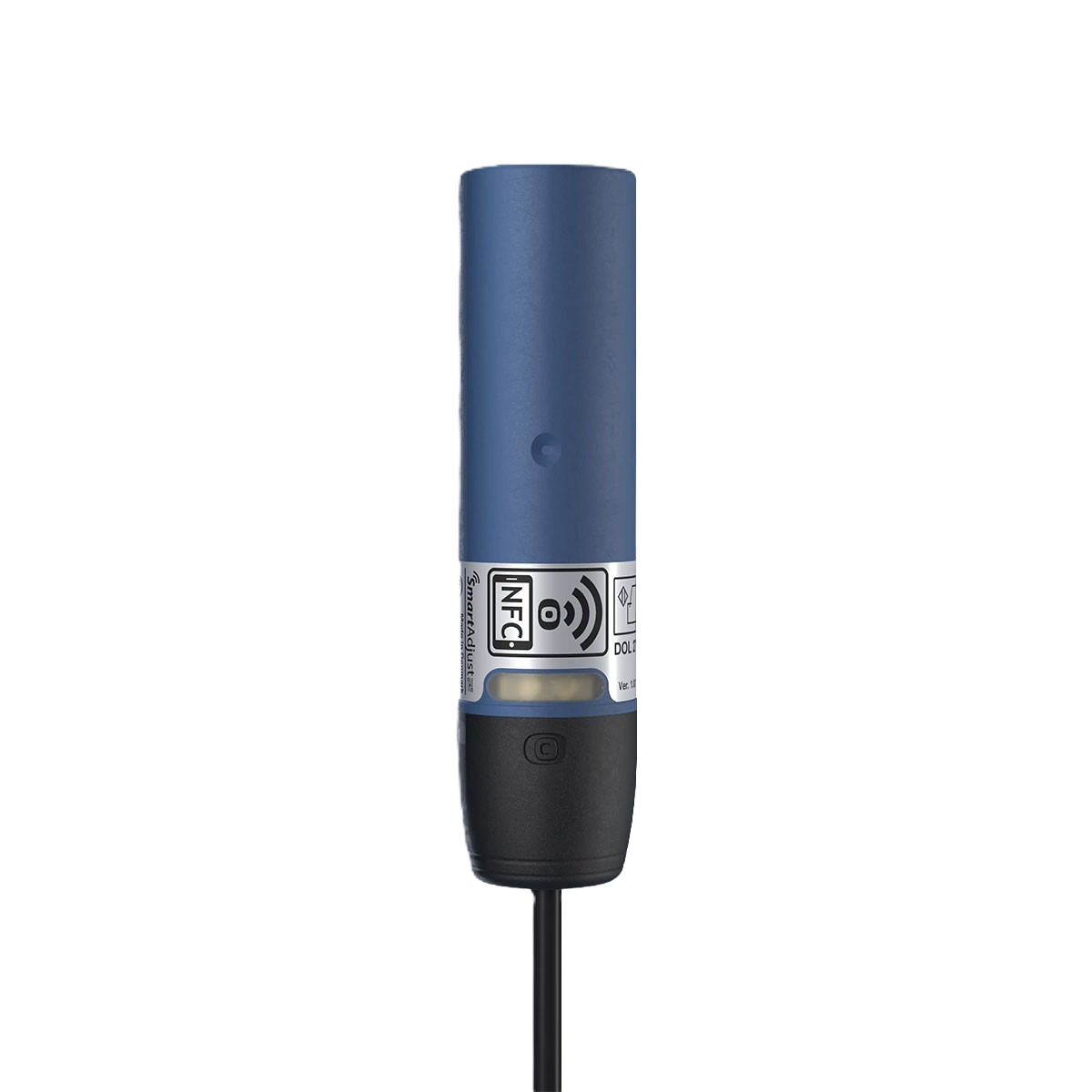
Our proximity sensors are accurate and robust sensors specially designed for the harsh environment in livestock farming and other industrial purposes.

Applications of Proximity Sensors in Agriculture

Proximity sensors play an important role in modern agricultural automation. They are commonly used to detect feed, grain, bedding material, pellets, and other loose or solid materials throughout livestock and industrial systems. By providing reliable detection, proximity sensors help automate processes and reduce the need for manual monitoring.

In livestock production, proximity sensors are often used in feed supply systems, silos, augers, and feed pans. They help ensure that animals receive feed at the right time and in the right amount while preventing interruptions caused by empty bins or blocked conveying systems.

Designed For Harsh Environments
Discover robust sensors designed for accurate material detection and reliable performance in harsh agricultural environments.
→ Read:
Robust Sensors
No items found.

Why Reliability Matters

Agricultural environments expose sensors to dust, humidity, temperature fluctuations, and constant daily operation. A reliable proximity sensor must continue to deliver accurate detection despite these conditions. Robust sensor designs help reduce maintenance requirements, prevent unexpected downtime, and support more efficient farm operations.

By combining accurate detection with a durable construction, proximity sensors contribute to a more stable production process, improved feed management, and better overall operational efficiency.

This addition fits naturally below the introduction and before the product section, while keeping the page aligned with the style of the newer dol-sensors content pages.

Functional features

dol-sensors innovates, designs and produces high-quality proximity sensors which have different functional feautures such as:

Avoid High Mortality In Poultry Production
Learn how continuous monitoring helps producers identify developing production challenges through changes in water consumption, growth performance and other key production indicators.

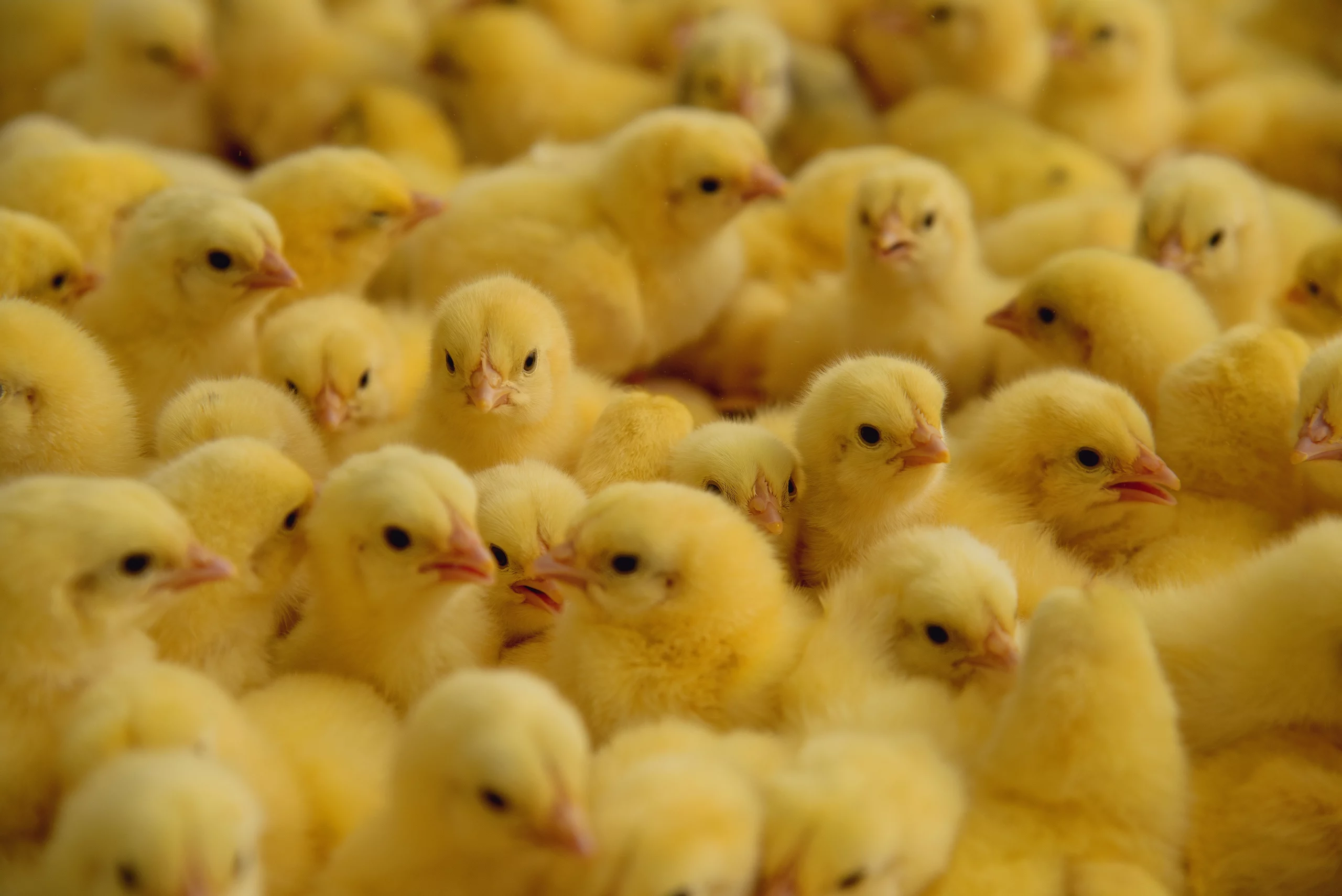
One of the most concerning challenges faced by poultry producers is high mortality rates, which not only affect profits but also indicate underlying issues in management, disease control, and environmental conditions. However, with proper planning, management, and proactive measures, it’s possible to mitigate mortality rates and sustain a healthy poultry operation.

Adequate Ventilation

Create a comfortable and stress-free environment for your poultry by providing well-ventilated housing that protects them from extreme weather conditions. Proper ventilation helps remove excess moisture, CO2, and ammonia from the air, reducing the risk of respiratory diseases.

Exposure to excessive heat or cold stress can weaken the immune system, making birds more susceptible to diseases and increasing mortality rates. Thus, adequate ventilation is vital to ensure the right temperature in the poultry house.

Climate sensors provide your ventilation system with data on humidity, CO2, and ammonia levels ad well as the temperature in different reas of the house.

Customized Solutions
Learn how continuous monitoring helps producers identify developing production challenges through changes in water consumption, growth performance and other key production indicators.

Customized Sensor Solutions

At dol-sensors, we understand that every farm and industry has its own needs and therefor aim at providing unparalleled customer experiences. With a commitment to providing customized sensor solutions, we offer a wide range of sensors that can be tailored to meet the specific requirements of our customers.

Get a customized offer

To get an offer that suits your needs, please contact our Global Sales Manager.

Jan Jensen
Global Sales Manager

Ext.: +45 72 17 58 49
Mobile: +45 52 13 58 49
Email: [email protected]

How Continuous Monitoring Enables Earlier Detection of Production Problems
Learn how continuous monitoring helps producers identify developing production challenges through changes in water consumption, growth performance and other key production indicators.

Production problems rarely appear overnight.

Whether the outcome is declining growth, reduced performance or increasing mortality, production losses are often the result of small changes that began much earlier.

Animals continuously respond to changes in their environment by drinking, eating, growing and behaving differently.

The challenge is recognising these changes before they begin affecting production performance.

As livestock production becomes larger and more complex, many producers are looking for better ways to identify developing challenges earlier.

Continuous monitoring helps improve visibility into these early changes by providing ongoing insight into production conditions throughout the day.

Why Production Problems Are Often Difficult To Detect

Many factors can influence production performance.

Examples include:

  • Changes in water consumption
  • Reduced growth rates
  • Environmental stress
  • Ventilation issues
  • Emerging health challenges

Initially, these changes may be small and difficult to observe.

When production teams manage multiple barns or large numbers of animals, subtle deviations can easily go unnoticed until performance has already been affected.

Continuous monitoring is valuable because it reveals trends that are difficult to identify through routine inspections alone.

Why Are Small Production Changes So Important?

Learn how early production changes can provide valuable insight before performance begins to decline.

→ Read: How to Detect Health Problems Earlier in Pig Production and How to Detect Health Problems Earlier in Poultry Production

Selected Sensors

Documents

No items found.

Join our newsletter

Stay ahead in livestock production.

Join our newsletter and get industry insights, expert perspectives, and practical strategies for optimizing performance and efficiency.