Climate Control Sensor

How To Choose The Right Climate Control Sensor for Your Farm

A climate control sensor is an important component of a livestock house. It helps regulate temperature and humidity levels and improve the air quality to enhance animal welfare.

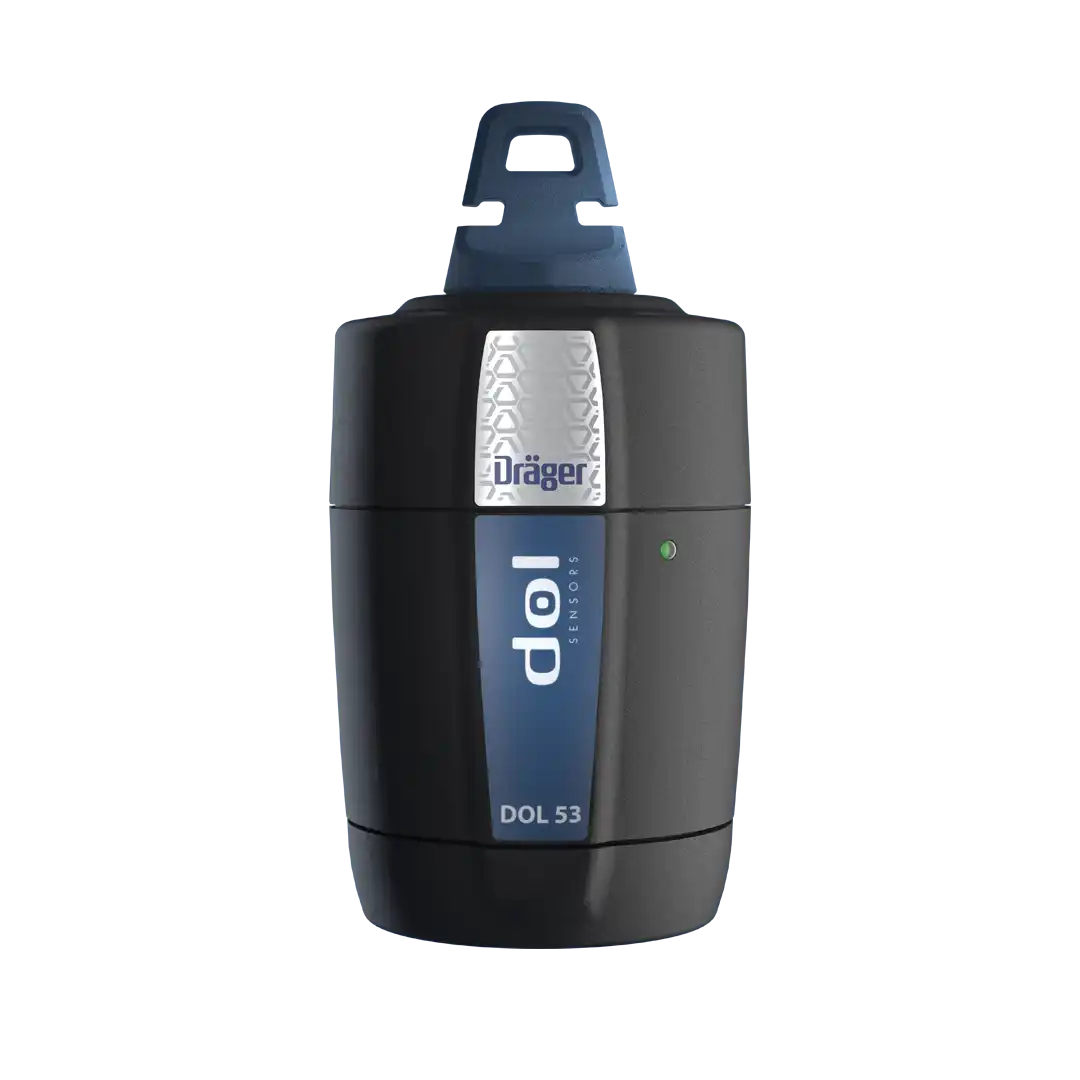
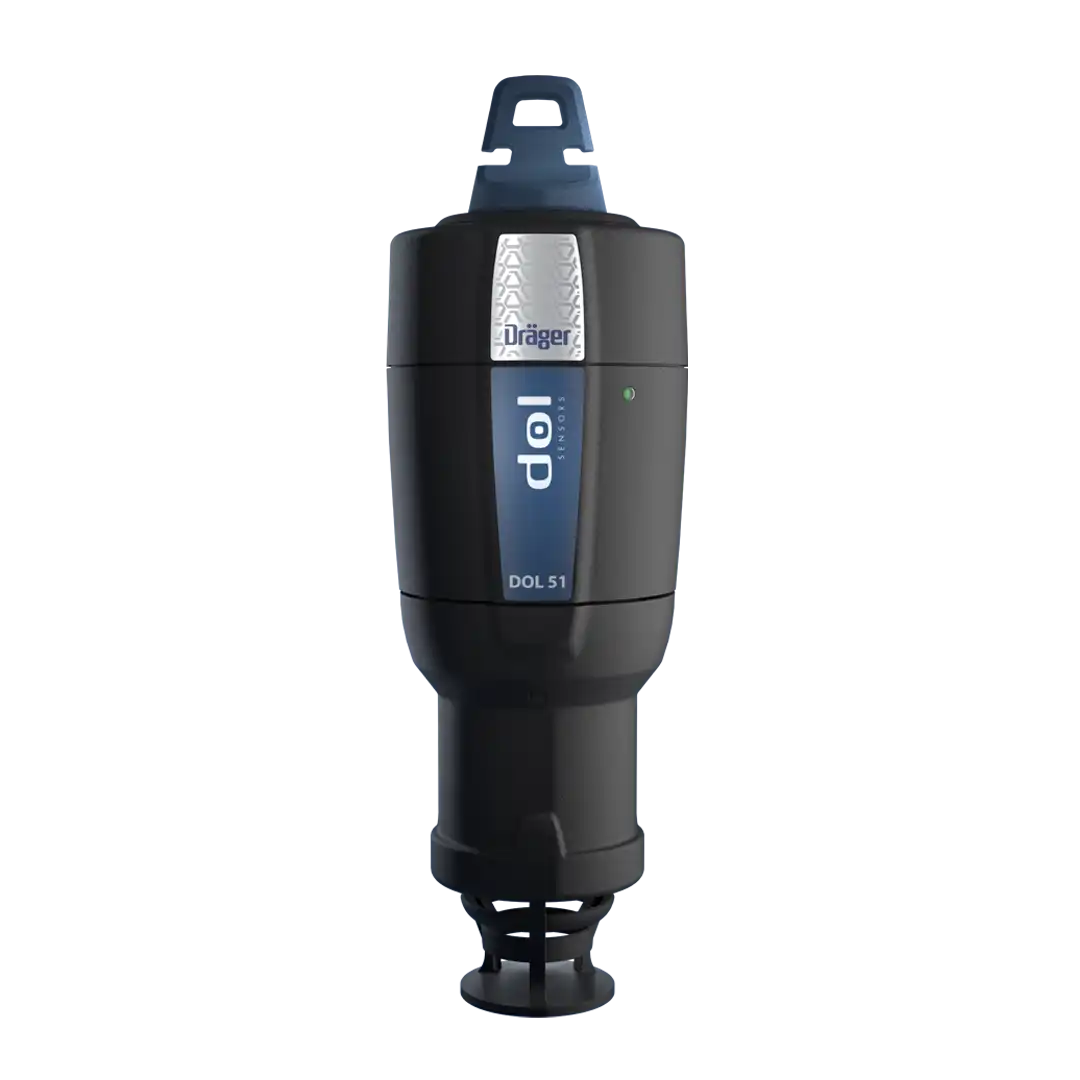
Climate control sensors are used in livestock houses to maintain optimal conditions for the animals. The most common types of climate control sensors are temperature sensors, relative humidity sensors, ammonia sensors, and carbon dioxide sensors. These sensors are connected to farm controllers to regulate ventilation and heat.

Choose the Right Climate Control Sensor
Learn how climate control sensors support ventilation, air quality, and environmental monitoring to create optimal conditions for livestock production.

Know What Type of Sensor You Need

What type of sensor you need depends on what you would like to monitor and what farm controller you have. dol-sensors’ climate sensors fit all farm controllers.

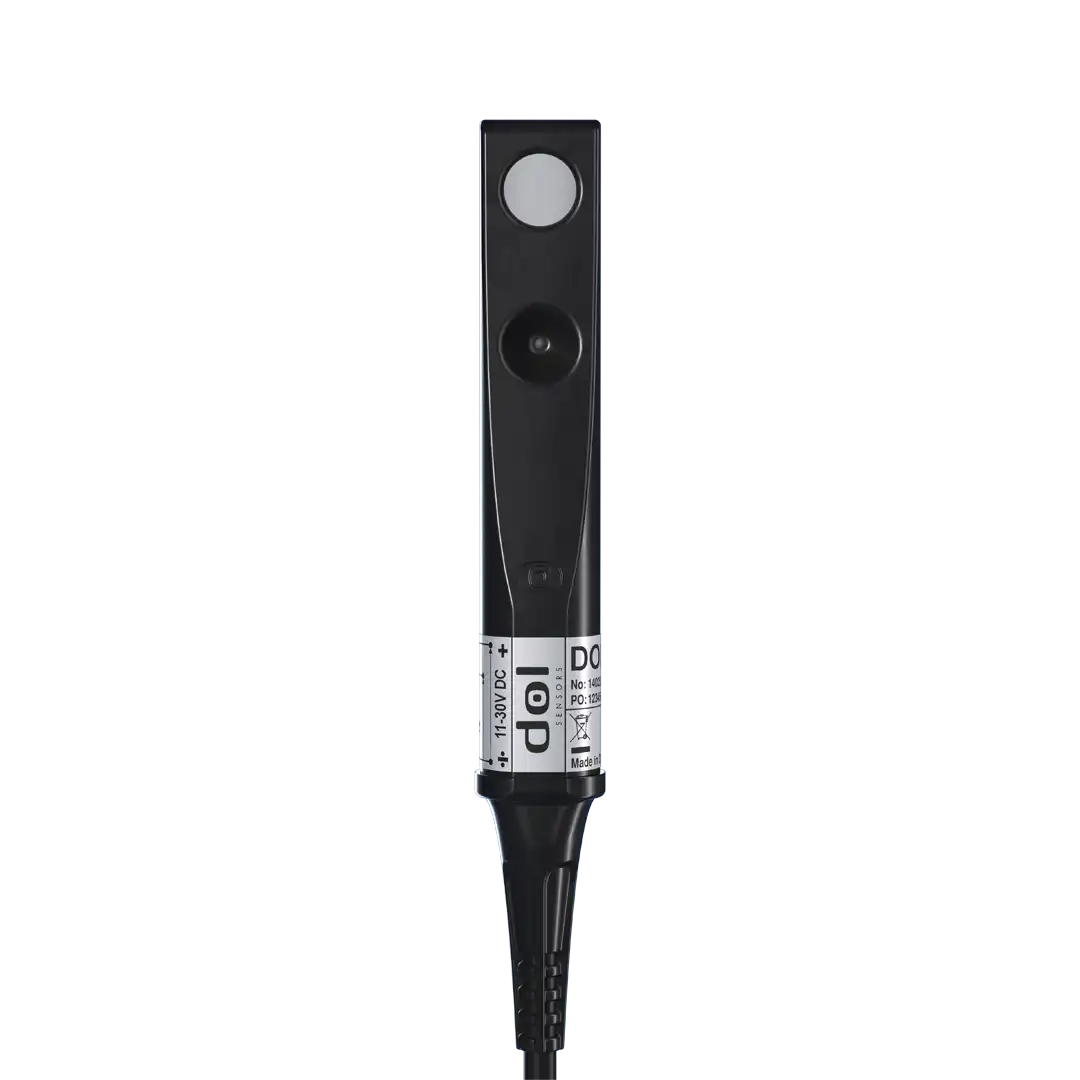
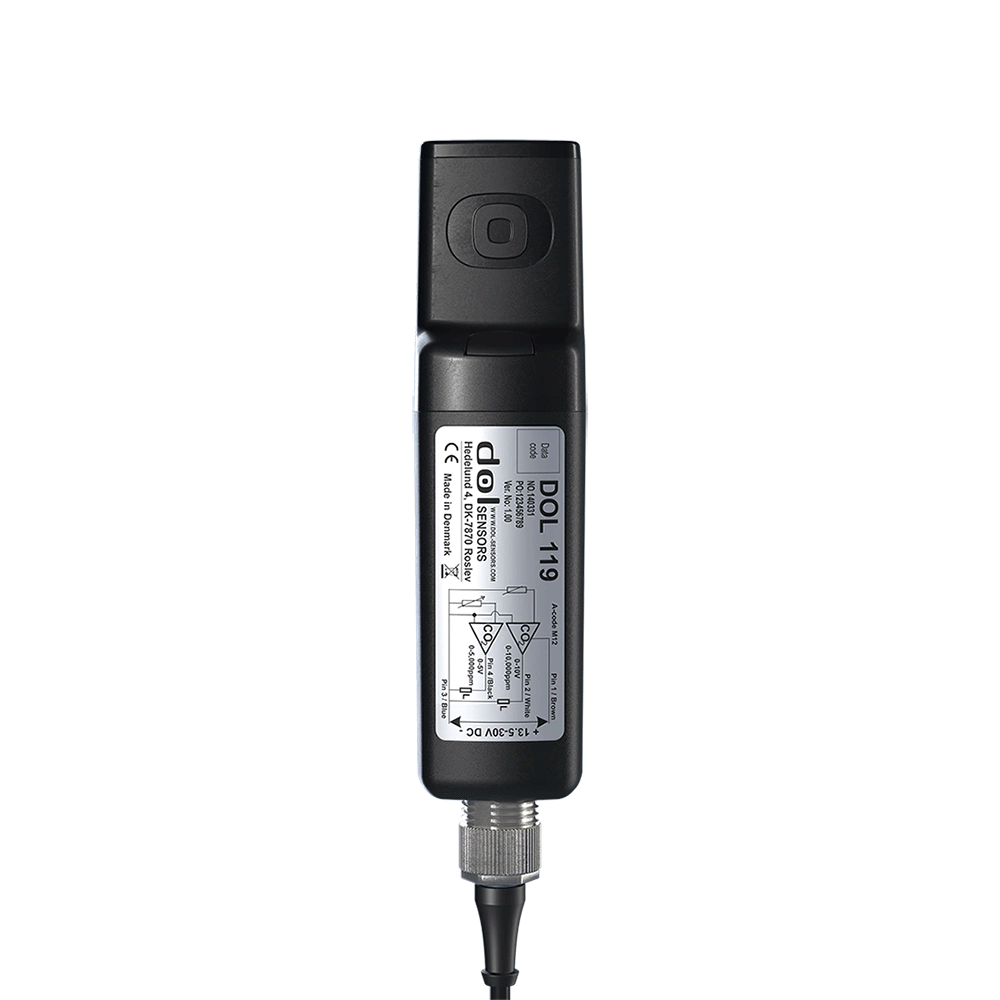
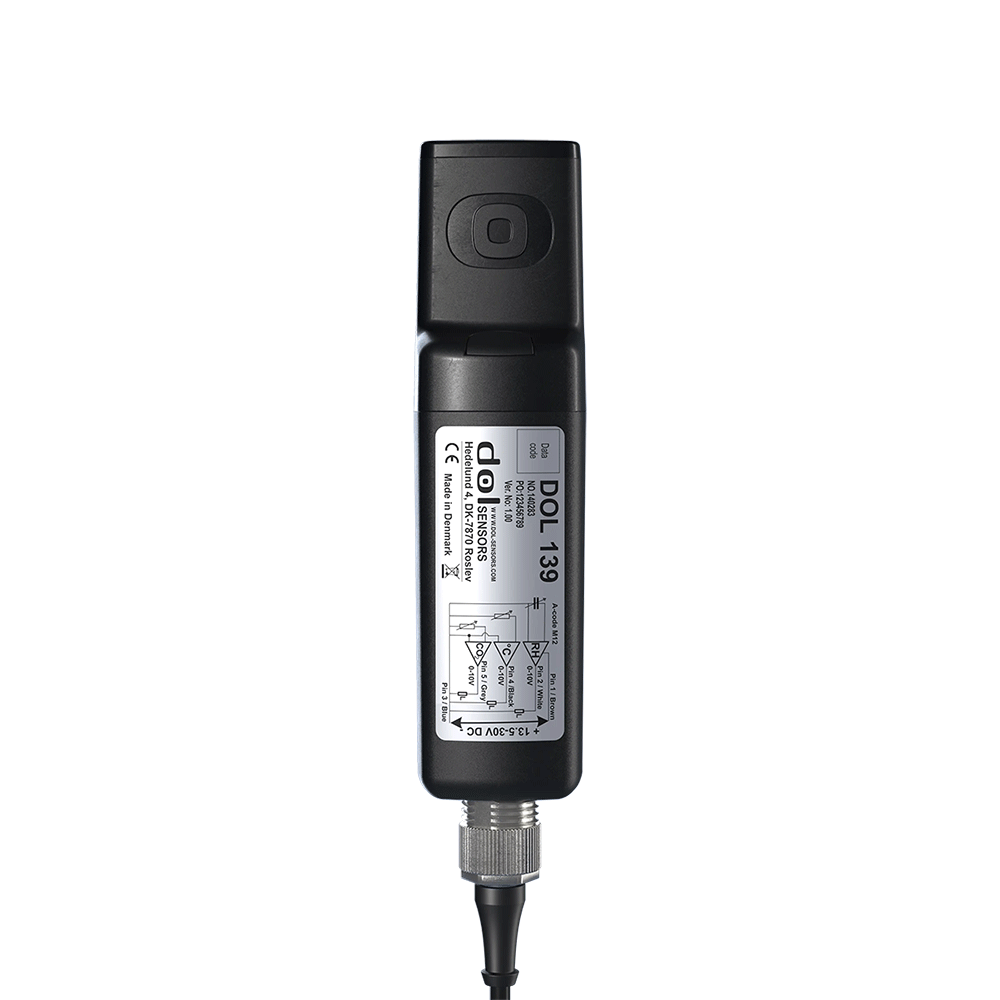
There are sensors that measure only one thing and sensors that can measure two or even three different things. For example the DOL 114 is a 2-in-1 sensor, that measures both temperature and relative humidity. DOL 139 is a 3-in-1 sensor that measures both temperature, relative humidity, and CO2.

Ask your farm management partner what sensors you will need in your livestock houses.

Understand How it Works

A climate control sensor can e.g. have a sensor element and a filter through which it measures for example humidity or temperature and an analogue output.

The sensors are connected to a farm controller that show the measurements.

Robust Climate Control Sensors Designed For Livestock Farming

dol-sensors design and produce robust climate control sensors that are specially designed for the harsh environment in livestock farming. The sensors are protected against dust, high levels of humidity and ammonia, temperature swings, and water.

In our climate control sensor range you will find:

You can read more about our climate sensors here.
From Sensor Data to Smarter Farm Management
Learn how continuous monitoring helps producers identify developing production challenges through changes in water consumption, growth performance and other key production indicators.

Modern pig farms generate enormous amounts of data - but data alone doesn't create value. The real impact comes from integrating climate, feed, water, and weight data into one unified system.

What Integration Enables

Cross-parameter Insights

Correlating multiple data streams highlights trends that would remain hidden if viewed separately. For example, rising temperatures with declining feed intake can reveal early signs of heat stress before it comes visible in animal behavior.

Automated Reporting

Integrated data flows simplify documentation for audits, sustainability reporting, and compliance requirements - saving hours of manual work.

Predictive Analytics

Historical patterns support forecasting, allowing the system to alert before a potential issue escalates. This enables early interventions that protect both animal health and performance.

Benchmarking and Comparison

With all data in one place, farm managers can easily compare barns, batches, production cycles, or even farm locations. This visibility highlights improvement opportunities and supports more consistent results across operations.

Practical Examples

  • Detecting ventilation malfunction before pigs show symptoms of stress
  • Identifying feed system irregulates through water-feed correlation
  • Improving batch uniformity by adjusting climate based on growth data
  • Reducing labor time spent on manual checks
  • Identify issues in the barn online without being in the house
Livestock Sensors
Learn how continuous monitoring helps producers identify developing production challenges through changes in water consumption, growth performance and other key production indicators.

Sensors for Livestock

dol-sensors innovates, designs, and produces intelligent livestock monitoring sensors for agriculture and other industries.

Our product range contains capacitive sensors and climate sensors.

All of our sensors for livestock are specially designed for lasting a lifetime and to withstand the harsh environment in livestock houses.

What Are Livestock Sensors?

Livestock sensors are devices designed to monitor and gather data related to the environment in the barn and feed supply and consumption. They can be seen as the nexus where technology meets livestock management, providing farmers and farm managers with a detailed insight that was previously inaccessible or hard to obtain.

The primary drive behind the development of these sensors was the increasing need for real-time, accurate data to optimize farming operations. Traditionally, farmers and farm managers relied on periodic checks, intuition, sense of smell, or visible signs to assess the health and productivity of their livestock. However, such methods are often reactive rather than proactive. With sensors, farmers can now detect potential issues before they escalate, ensuring timely intervention and reducing losses.

Reducing Antibiotic Use In Broiler Production
Learn how continuous monitoring helps producers identify developing production challenges through changes in water consumption, growth performance and other key production indicators.

Reducing Antibiotic Use in Broiler Production with Smarter Climate Management

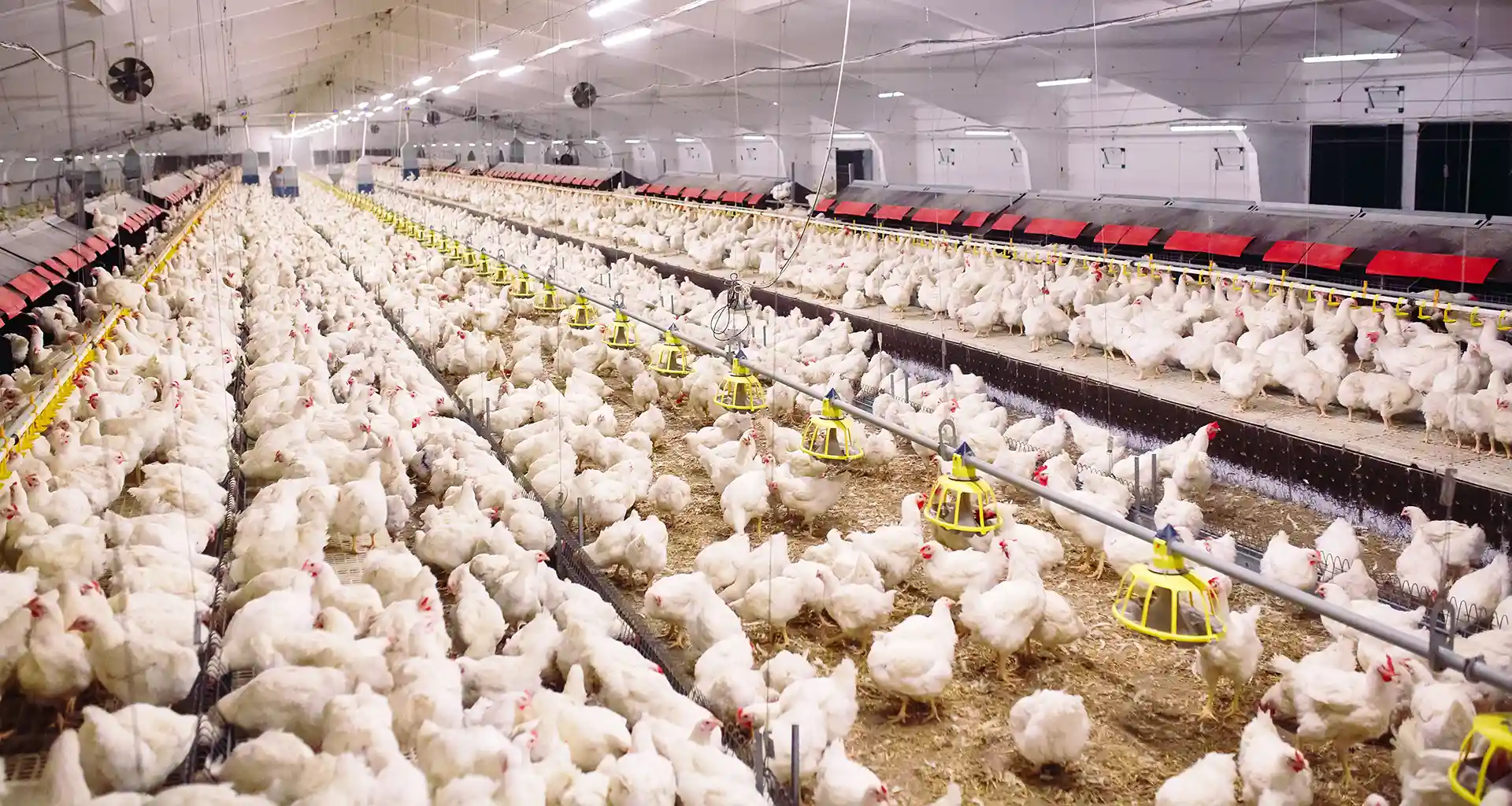
Antibiotic use in broiler production has long been a topic of debate. While antibiotics have historically been used to treat and prevent disease, growing concerns over antimicrobial resistance (AMR) have made reducing their use a top priority for both the poultry industry and society at large. Consumers, retailers, and regulators increasingly expect poultry to be raised with minimal or no antibiotics, placing pressure on producers to find alternatives that protect both bird health and farm profitability.

One of the most effective ways to reduce reliance on antibiotics is through better environmental control—and this is where climate sensors play a crucial role.

Why Antibiotic Use Needs to Be Reduced

Excessive or preventive antibiotic use in livestock contributes to AMR, a global health challenge that reduces the effectiveness of antibiotics in both animals and humans. For poultry producers, overuse also poses challenges such as:

  • Market restrictions: Many markets demand reduced- or antibiotic-free production.
  • Consumer trust: Growing demand for antibiotic-free poultry affects purchasing choices.
  • Production costs: Resistant infections can lead to longer treatments, higher mortality, and reduced efficiency.

Reducing antibiotic use not only addresses these concerns but also supports a more sustainable, competitive production model.

The Link Between Environment and Antibiotic Use

Most health challenges in broiler production are linked to environmental stressors. Poor air quality, high ammonia, CO₂ buildup, and incorrect temperature or humidity all weaken birds’ immune systems. Stressed birds are more prone to respiratory infections, digestive problems, and poor growth—often leading to higher antibiotic use.

By minimizing these stress factors, producers can improve flock resilience and lower the need for treatments.

Selected Sensors

Documents

English
Leaflet
Onepager DOL 53 Ammonia sensor

Join our newsletter

Stay ahead in livestock production.

Join our newsletter and get industry insights, expert perspectives, and practical strategies for optimizing performance and efficiency.