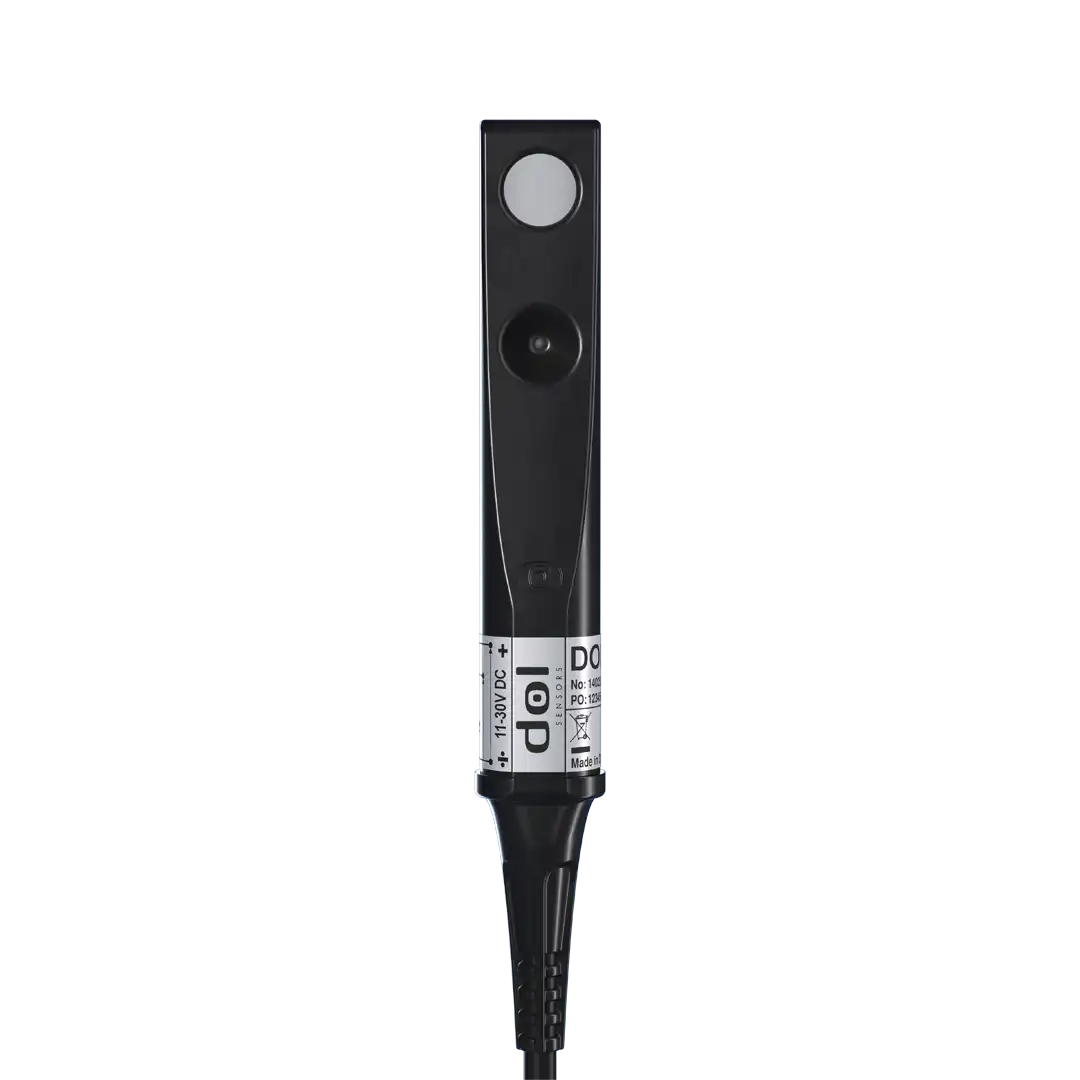
Sensors For Agriculture

dol-sensors innovates, designs, and produces intelligent sensors for agriculture and other industries. We have more than 50 years of experience within the agricultural industry.

We understand that the agricultural industry is a challenging and demanding environment, and our agricultural sensors are specially designed for lasting a lifetime and to withstand these conditions. This means that they have steardy housing and protection against dust, water, high humidity, temperature swings, high levels of ammonia among other things. Thus, our robust sensors for agriculture have a long service life and need les maintenance than normal sensors.

Sensors for Modern Agriculture
Discover how robust agricultural sensors help farmers optimize production, improve animal welfare, and make data-driven decisions.

Saving Time and Money With Agricultural Sensors

With robust and long-lasting sensors for agriculture, there is less need for labour and less maintenance costs.

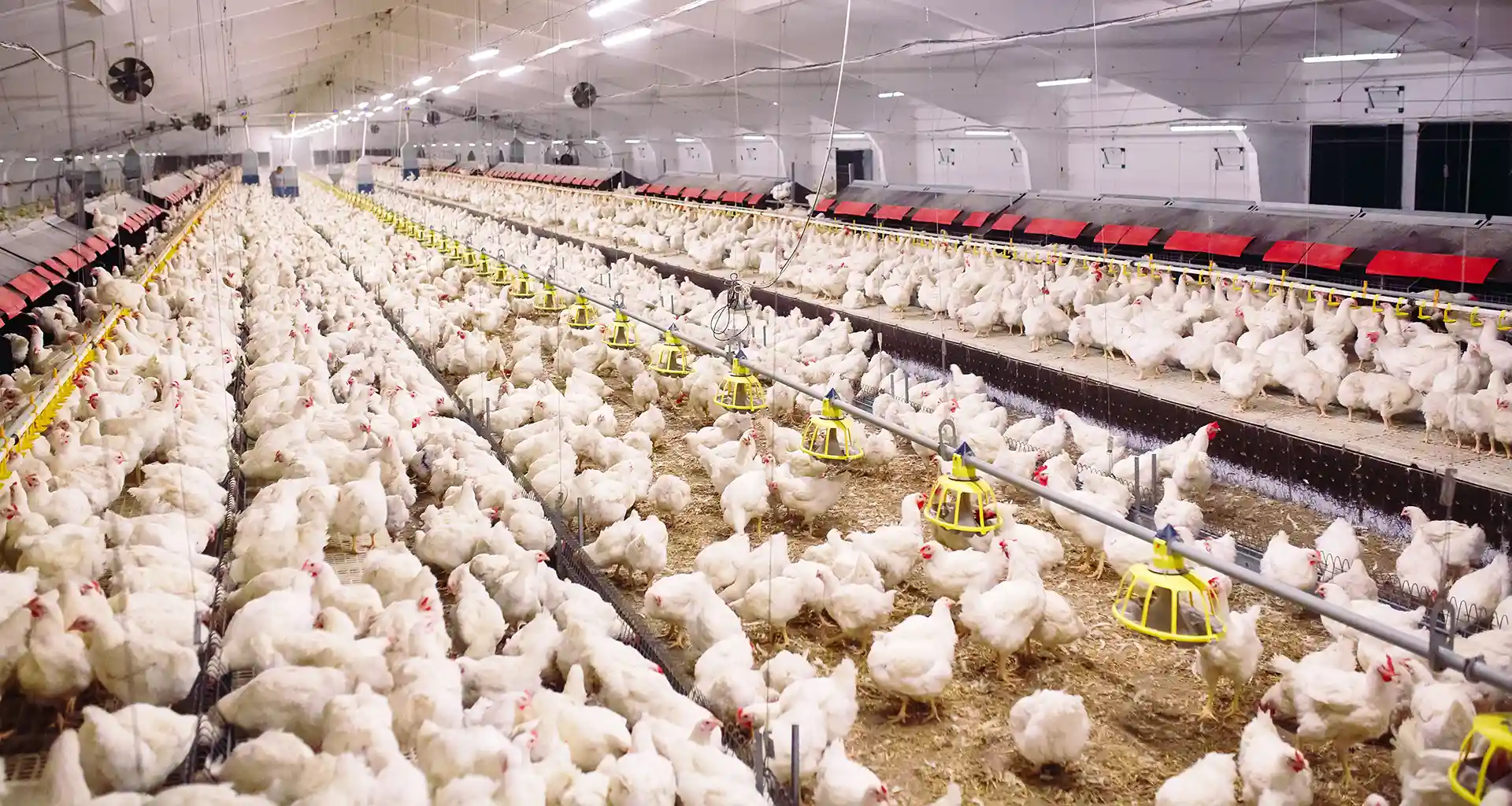
One of the key benefits of our sensors for agriculture is their ability to provide real-time data on the climate in the livestock house. Our sensors can monitor key parameters such as temperature, humidity, air quality, and ammonia levels, providing farmers and farm managers with the information they need to ensure that their animals are healthy and comfortable. By monitoring these parameters, farmers can quickly identify any potential health issues and take action to prevent the spread of disease or other problems. This can help to reduce the use of antibiotics and other medications, which can be harmful to both animals and the environment.

Monitoring Feed Supply

Another key benefit of our sensors for agriculture is their ability to control the filling and emptying process of silos and monitoring the feed supply chain. By monitoring these processes, farmers can keep an eye on the feeding process and feed consumption and make sure that the animels are fed at the right time and with the right amount of feed. Also, reordering feed in time is made even more easy.

At dol-sensors, we are committed to providing farmers with innovative sensor solutions for agriculture, to contribute to global efficient and sustainable food production.

We aim at providing unparalleled customer experience by providing tailor-made sensor solutions for specific needs.

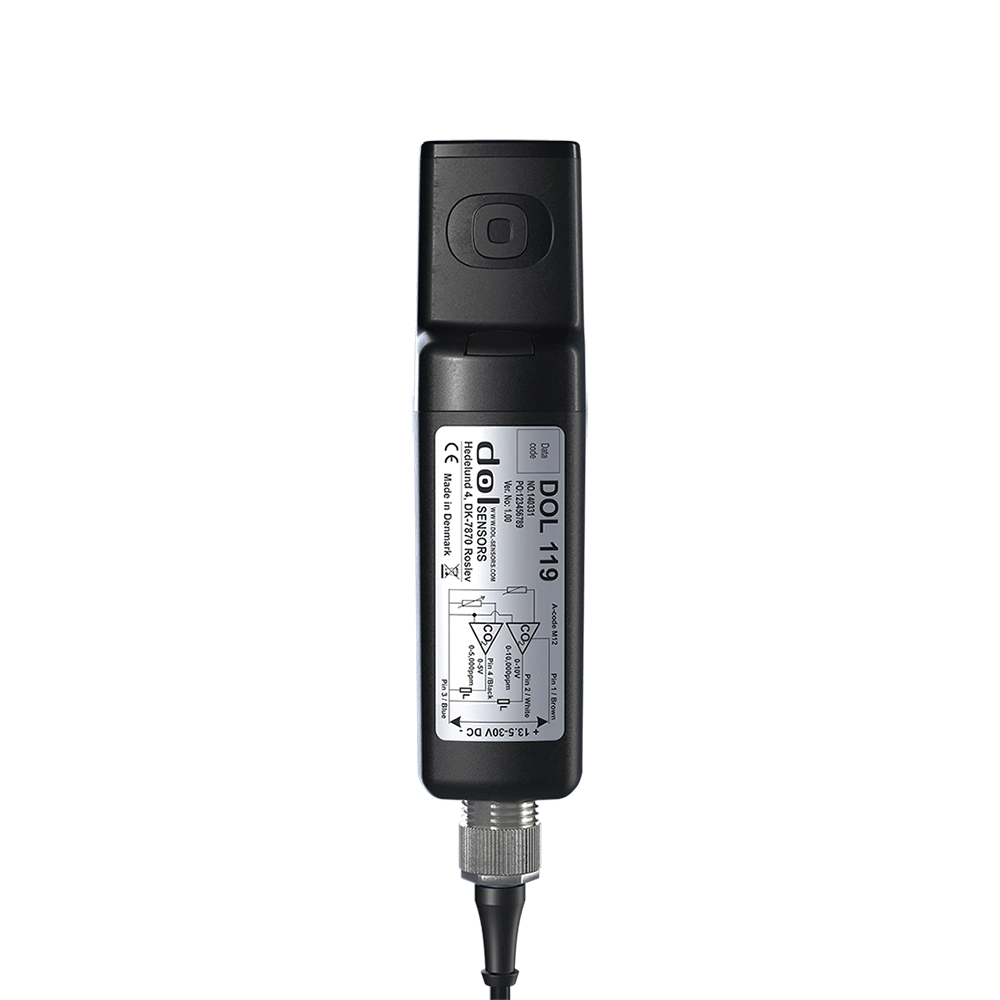
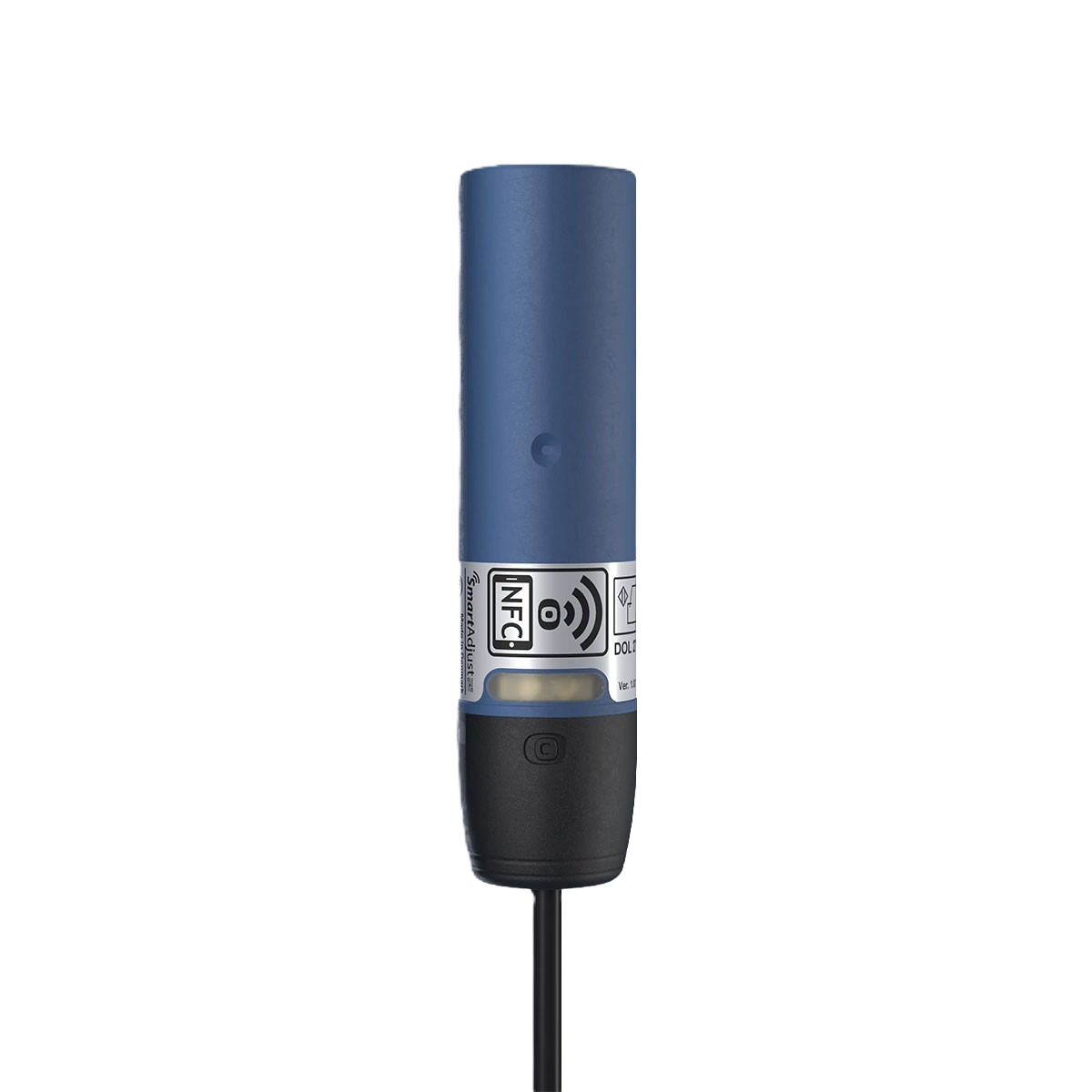
Our range of sensors for agriculture contains capacitive sensors, climate sensors and management sensors.

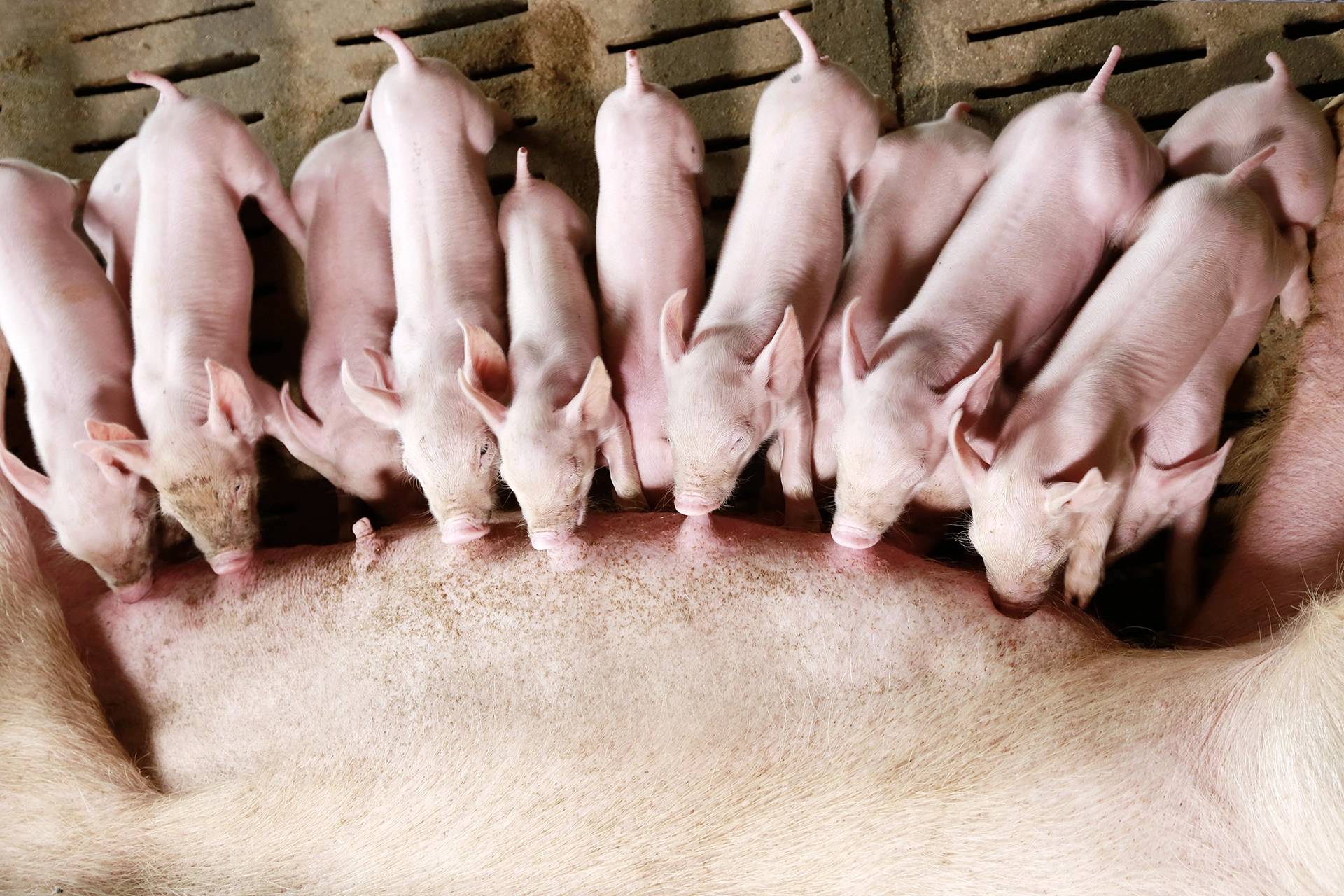
Early Warnings in Pig Production Help Prevent Costly Losses
Learn how continuous monitoring helps producers identify developing production challenges through changes in water consumption, growth performance and other key production indicators.

Pig production is currently under significant pressure across most regions of the world. Volatile pig prices and increasing requirements for animal welfare and sustainability are steadily eroding margins. At the same time, producers are expected to deliver consistent performance under conditions that are becoming more complex and less predictable.

For OEMs supplying equipment, systems and technology to the pig production industry, this creates a clear challenge: how to help customers maintain profitability and stability in an environment where small deviations in performance can quickly turn into substantial financial losses.

Disease pressure has reshaped global pig production

Disease outbreaks have been one of the most disruptive forces in pig production over the past decade. African Swine Fever (ASF), PRRS and other endemic diseases have had a measurable impact on global pork supply due to the sheer scale of production losses.

Between 2023 and 2025, global losses of slaughter pigs are estimated at 23–40 million animals annually, corresponding to approximately 1.8–2.8 percent of total global pig production. During the peak crisis period from 2019 to 2021, when ASF spread widely across Asia, annual losses rose dramatically to 45–70 million slaughter pigs, equivalent to 3.5–5.0 percent of global production.

These figures illustrate why disease prevention and early detection have moved from being operational concerns to becoming strategic priorities. Production losses on this scale have not only reduced supply but also contributed to increased price volatility, making revenue planning and long-term investment decisions significantly more difficult for producers.

Economic pressure amplifies the cost of late reactions

When margins are tight, the cost of reacting too late becomes disproportionately high. Disease, stress, suboptimal climate or feed changes rarely appear overnight. In most cases, performance deterioration starts gradually, through reduced feed intake, slower growth, increased variation or subtle behavioral changes.

However, these early signals are often missed in traditional production setups. Problems are typically detected only once mortality increases, feed conversion worsens or veterinary intervention becomes necessary. At that point, the financial damage has already occurred.

For OEMs, this raises a fundamental question: how can technology provide earlier insight into performance deviations, so corrective actions can be taken before losses accumulate?

Higher welfare expectations and reduced antibiotic use raise the bar

Consumer expectations are also changing rapidly. Across key markets, demand is growing for pork produced with higher animal welfare standards and minimal use of antibiotics. Retailers, processors and regulators increasingly require documentation to prove that welfare targets are being met and that antibiotic use is justified and controlled.

This development places additional pressure on producers to manage health proactively rather than reactively. Good welfare outcomes depend on stable environments, early intervention and consistent management, all of which benefit from better visibility into daily production performance.

For OEMs, the ability to support customers with data-driven insights that link welfare, health and productivity is becoming a critical differentiator.

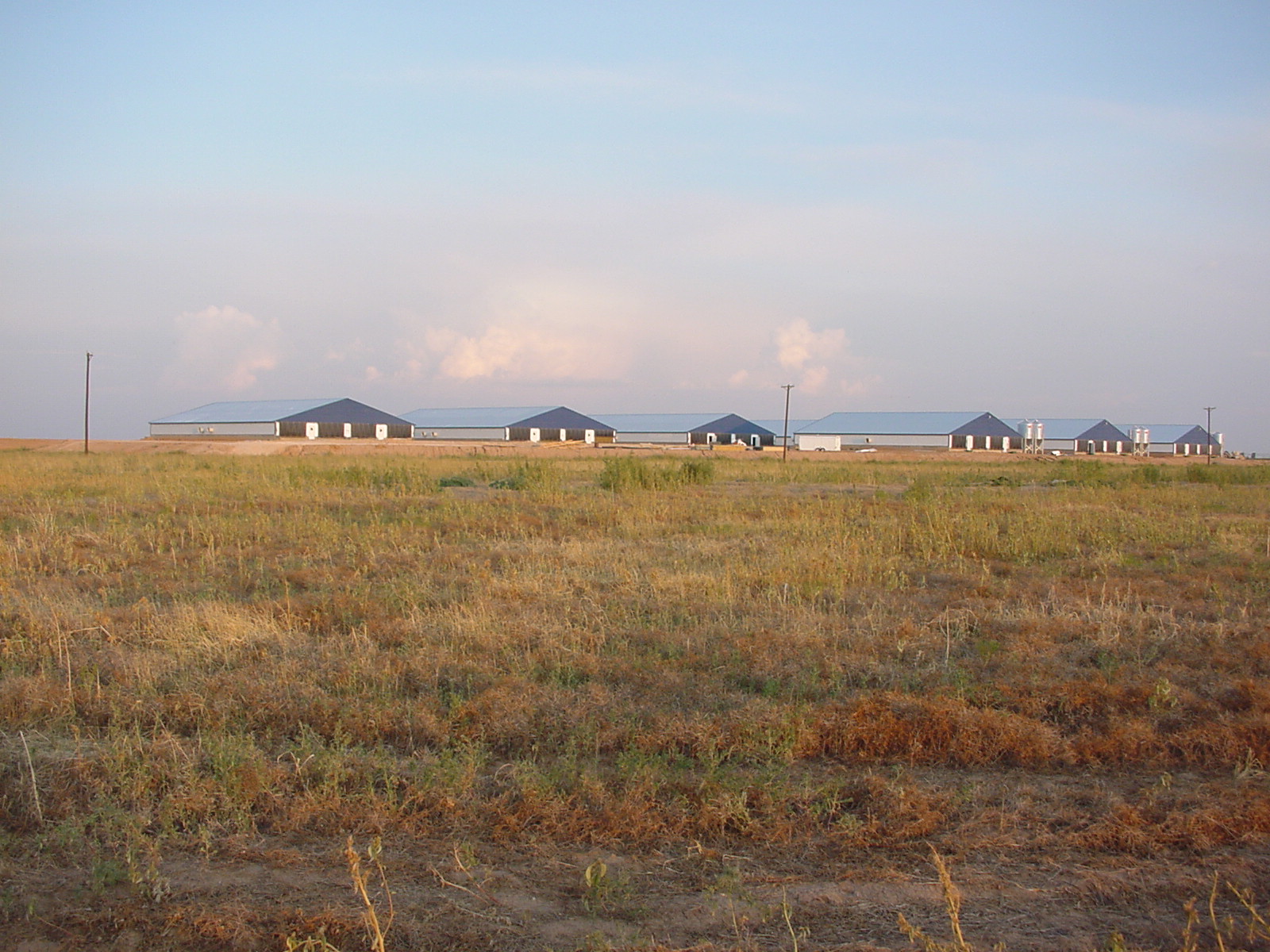
Livestock Sensors
Learn how continuous monitoring helps producers identify developing production challenges through changes in water consumption, growth performance and other key production indicators.

Sensors for Livestock

dol-sensors innovates, designs, and produces intelligent livestock monitoring sensors for agriculture and other industries.

Our product range contains capacitive sensors and climate sensors.

All of our sensors for livestock are specially designed for lasting a lifetime and to withstand the harsh environment in livestock houses.

What Are Livestock Sensors?

Livestock sensors are devices designed to monitor and gather data related to the environment in the barn and feed supply and consumption. They can be seen as the nexus where technology meets livestock management, providing farmers and farm managers with a detailed insight that was previously inaccessible or hard to obtain.

The primary drive behind the development of these sensors was the increasing need for real-time, accurate data to optimize farming operations. Traditionally, farmers and farm managers relied on periodic checks, intuition, sense of smell, or visible signs to assess the health and productivity of their livestock. However, such methods are often reactive rather than proactive. With sensors, farmers can now detect potential issues before they escalate, ensuring timely intervention and reducing losses.

Sensor For Humidity
Learn how continuous monitoring helps producers identify developing production challenges through changes in water consumption, growth performance and other key production indicators.

Humidity sensors are used in a variety of applications, from measuring the moisture content in soil to monitoring the humidity levels in buildings. Humidity sensors are an essential part of many devices, including air conditioners, dehumidifiers, and humidifiers.

Types of Humidity Sensors

There are two main types of humidity sensors: capacitive and resistive.

  1. Capacitive Humidity Sensors

Capacitive humidity sensors work on the principle of measuring the capacitance changes in a material due to the absorption or release of water vapor. A typical capacitive humidity sensor consists of two electrodes separated by a moisture-sensitive dielectric material. The dielectric material absorbs or releases moisture from the environment, which changes the dielectric constant of the material and hence the capacitance of the sensor.

Capacitive humidity sensors are preferred over resistive sensors because they are more accurate, have a faster response time, and are less affected by temperature changes. They are commonly used in applications where high accuracy and fast response time are critical, such as in climate-controlled environments like livestock houses, laboratories, and research facilities.

  1. Resistive Humidity Sensors

Resistive humidity sensors work on the principle of measuring the electrical resistance changes in a material due to the absorption or release of water vapor. A typical resistive humidity sensor consists of a thin-film or thick-film polymer material that changes its resistance in the presence of moisture. The change in resistance is proportional to the humidity level in the environment.

Resistive humidity sensors are less expensive than capacitive sensors and are commonly used in applications where cost is a significant factor, such as in consumer electronics and industrial applications.

Working Principle of Humidity Sensors

Humidity sensors work by measuring the water vapor present in the environment. The most common method used to measure humidity is by using a humidity-sensitive material that changes its electrical properties in response to the moisture level in the environment.

The humidity-sensitive material used in the sensor absorbs or releases moisture from the environment, causing a change in its electrical properties. This change is then measured and used to determine the humidity level in the environment.

Selected Sensors

Documents

English
Leaflet
Climate Brochure
English
Leaflet
Corporate Brochure Poultry
English
Leaflet
Capacitive Brochure

Join our newsletter

Stay ahead in livestock production.

Join our newsletter and get industry insights, expert perspectives, and practical strategies for optimizing performance and efficiency.