Why Precise Climate Monitoring Is Essential for Modern Greenhouses

Successful greenhouse production depends on maintaining stable and optimized growing conditions. Temperature, humidity, and CO2 levels influence plant health, crop quality, and production efficiency. Even small fluctuations can affect growth rates and yield potential.

Turning Climate Data Into Better Growing Conditions

Modern climate control relies on accurate and continuous measurements. Sensors provide real-time insights that enable growers and automated climate systems to regulate ventilation, heating, cooling, and CO₂ enrichment.

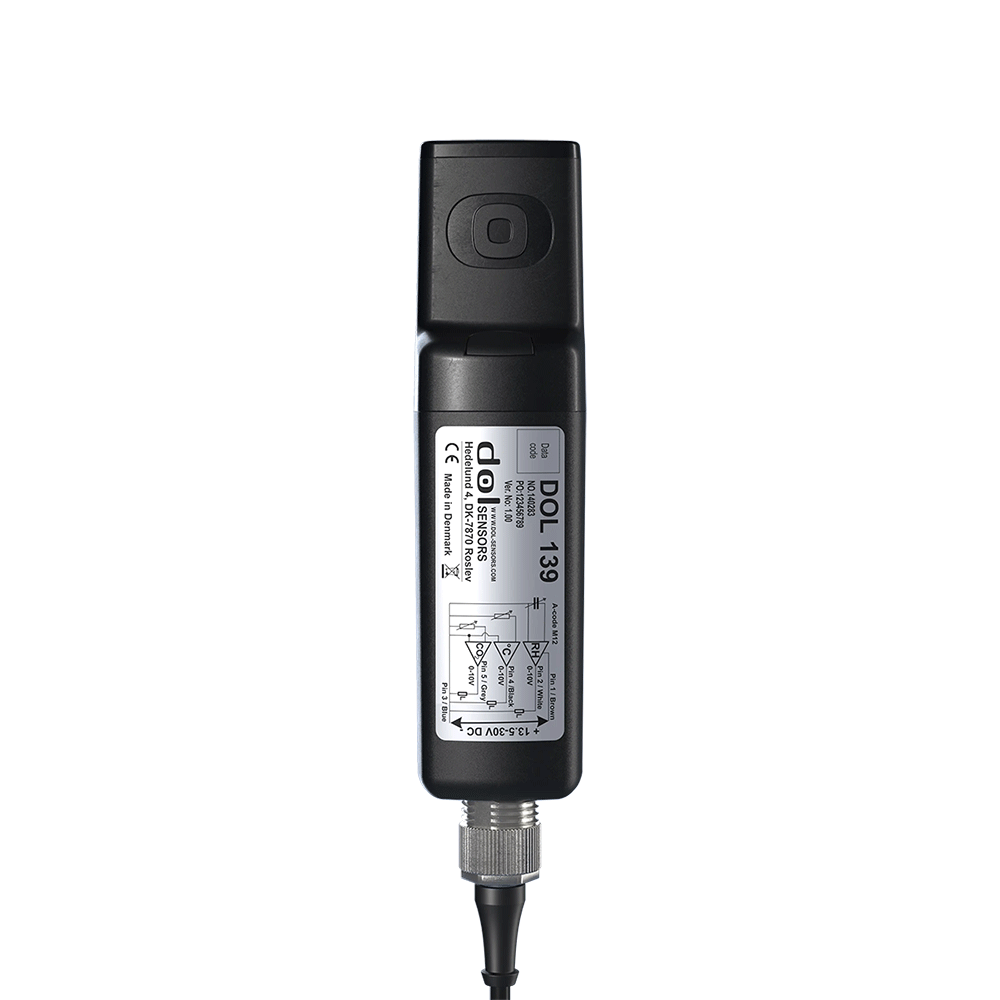
The DOL 139 Humidity, Temperature & CO₂ Sensor combines three critical climate measurements in a single device, giving greenhouse operators a comprehensive overview of their growing environment. By monitoring multiple parameters simultaneously, growers can make faster decisions and simplify installation and maintenance.

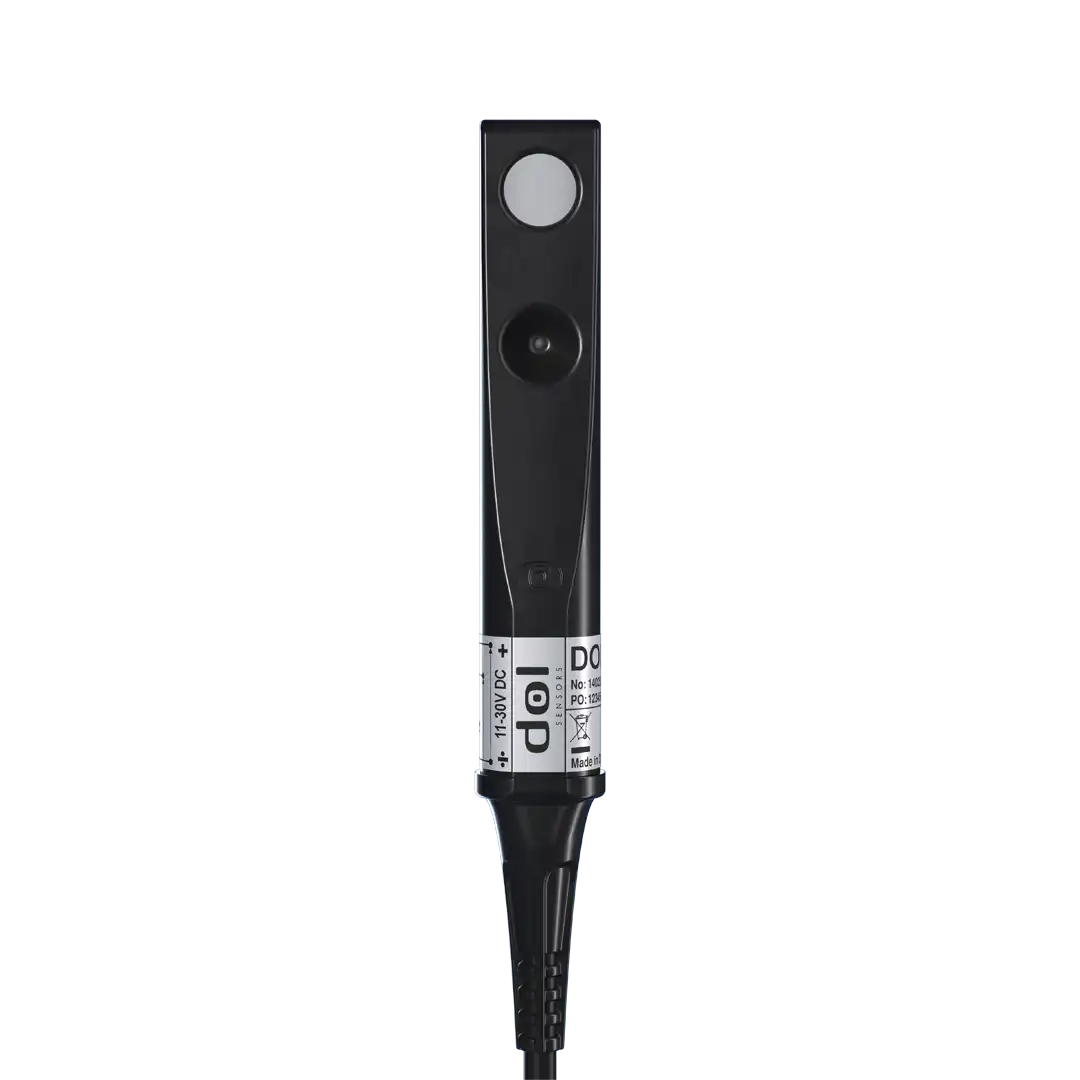
For operations focused on temperature and humidity control, the DOL 114 Humidity & Temperature Sensor delivers precise environmental measurements that help create stable conditions throughout the growing cycle.

The Importance of Reliable Measurements

Sensor accuracy is only valuable if it remains stable over time. Greenhouse environments expose equipment to condensation, high humidity, temperature fluctuations, and demanding operating conditions throughout the year.

Reliable sensors provide confidence in climate decisions and reduce the need for maintenance, calibration, and sensor replacement.

Consistent measurements also allow growers to identify long-term trends that can improve cultivation strategies and operational planning.

Learn More About the Importance of Accurate Data
The demand for a more sustainable food production increases every year. To live up to this, food producers must keep enhancing their production and make sure that the animals have the best living conditions.

Reliable Sensors for Demanding Environments

Greenhouses expose equipment to constant humidity, condensation, and temperature changes.

Originally designed for demanding agricultural environments, dol-sensors are built for long service life and reliable performance, helping growers maintain confidence in their climate data year after year.

→ Read: Increased Production With Robust Sensors

Building the Greenhouse of the Future

As labor costs rise and sustainability becomes an increasingly important goal, greenhouse operators are looking for solutions that improve efficiency without compromising crop quality.

Accurate climate monitoring forms the foundation of modern greenhouse automation.

By investing in reliable sensor technology, growers can optimize growing conditions, reduce resource consumption, and create a more predictable production system capable of meeting future demands.

Agricultural CO2 Sensors
Learn how continuous monitoring helps producers identify developing production challenges through changes in water consumption, growth performance and other key production indicators.

Understanding Agricultural CO2 Sensors

Agricultural CO2 sensors are pivotal tools in the realm of modern farming. These devices measure the concentration of carbon dioxide in the atmosphere, providing invaluable data for farmers and farm managers.

Plants absorb carbon dioxide during photosynthesis, a process that fuels their growth. Monitoring CO2 levels in a closed environment such as a greenhouse ensures that crops have an optimal environment to thrive, leading to better yields and healthier produce.

For animals, it is extremely important to maintain a low CO2 level in the atmosphere inside the livestock house. Animals are dependent on oxygen and carbon dioxide in high concentrations can give them difficulty breathing, descrease production and even raise mortality.

The Evolution of CO2 Monitoring in Agriculture

The journey of CO2 monitoring in agriculture is a testament to human ingenuity. In the early days, farmers relied on rudimentary methods and intuition to gauge the health of their crops and livestock. However, as technology advanced, so did the methods of monitoring. The introduction of CO2 sensors revolutionized farming, allowing for precision agriculture. These advancements meant that farmers could now get real-time data, leading to more informed decisions and improved crop yields and production outcomes.

Installing and Maintaining Your Agricultural CO2 Sensors

Proper installation and maintenance of agricultural CO2 sensors are crucial for accurate readings.

How to install your sensor depends on the sensors, but normally the sensor needs to be placed away from direct sunlight or any artificial light sources. Ensure the area around the sensor is well-ventilated to avoid skewed readings.

Maintaining your CO2 sensor also depends on which sensor you choose, but most sensors will need calibration and cleaning from dust and debris once in a while.

Interpreting Data and Making Informed Decisions

Data from CO2 sensors can be a treasure trove of insights, but understanding and interpreting this data correctly is paramount for its effective utilization.

To see the data from your CO2 sensor you will most likely have to connect it to some kind of controller. In livestock production the CO2 sensors are connected to a farm controller that show the farm manager updated and historical data from the sensor.

Climate Sensors That Fit All Farm Controllers
Learn how continuous monitoring helps producers identify developing production challenges through changes in water consumption, growth performance and other key production indicators.

Easy Integration Across Different Systems

One of the challenges many farmers face is integrating new sensors into existing farm management systems. When climate sensors are compatible with all major farm controllers, upgrades and replacements become much simpler. This gives producers greater flexibility when expanding facilities, replacing aging equipment, or standardizing sensor solutions across multiple farms.

Our climate sensors fit all farm controller, which makes it easy to install them no matter what controller you are using. They easily replace other climate sensors as well.

Climate sensors from dol-sensors are specially designed for the harsh environment in livestock houses. They are robust and last longer since they are protected against dust, high humidity, temperature swings and high levels of ammonia.

Read more about our different climate sensors.

Locate a dealer.

Consequences of Insufficient Climate Monitoring in Poultry Houses
Learn how continuous monitoring helps producers identify developing production challenges through changes in water consumption, growth performance and other key production indicators.

Environmental stability is essential for maintaining health, welfare, and uniform growth in poultry production. When temperature, air quality, and airflow are not monitored continuously, deviations often develop gradually and remain unnoticed until they have already affected flock performance. These changes influence bird behavior and overall productivity.

Temperature Drift and Uneven Growth

Temperature variation is one of the earliest consequences of inadequate monitoring. Birds respond by clustering in warmer areas and avoiding cooler zones, which alters feed access and increases competition. Over time, these behavioral adjustments lead to measurable differences in body weight and feed conversion. Because temperature drift develops slowly, it is rarely detected through periodic checks alone.

Humidity Rise and Litter Stagnation

Humidity increases rapidly when ventilation is reduced, especially during nighttime or cold weather. Without monitoring, these fluctuations remain unnoticed until litter becomes wet or compacted. Elevated humidity accelerates ammonia release and reduces resting comfort. Birds avoid wet areas, concentrating stocking density in drier zones and reinforcing uneven growth patterns.

Air Quality Decline: CO₂ and Ammonia Accumulation

CO₂ and ammonia are invisible and cannot be reliably assessed through sensory cues. When ventilation weakens, CO₂ accumulates quickly, reducing bird activity and suppressing feed intake. Ammonia rises as litter moisture increases, irritating the respiratory tract and compromising immune defenses. Manual checks detect air quality problems too late, because CO₂ and ammonia can reach harmful levels long before they become noticeable to humans.

Ammonia levels have a direct impact on animal welfare, growth, and feed efficiency in poultry production. Explore how accurate ammonia measurement can help you maintain optimal conditions and improve overall results.

Selected Sensors

Documents

English
Leaflet
DOL 139 Humidity, Temperature and CO2 Sensor
English
Leaflet
DOL 114 Humidity and Temperature Sensor_Onepager
English
Leaflet
DOL 104 Humidity Sensor_Onepager
English
Leaflet
Climate brochure Horticulture

Join our newsletter

Stay ahead in livestock production.

Join our newsletter and get industry insights, expert perspectives, and practical strategies for optimizing performance and efficiency.