
Why Water Consumption Is an Early Indicator of Poultry Health

Water is one of the most important resources in poultry production.

Every bird depends on consistent access to water to support growth, feed intake and overall health. Because birds drink frequently throughout the day, changes in water consumption often occur before visible clinical symptoms appear.

For this reason, water consumption is widely recognised as one of the earliest production indicators of developing challenges within a flock.

Understanding these changes can help producers investigate potential issues before they begin affecting flock performance.

Water Consumption Reflects Flock Behaviour

Healthy flocks typically follow predictable drinking patterns.

Although water intake naturally varies depending on bird age, temperature, feed composition and production stage, significant deviations from normal patterns may indicate that conditions inside the house have changed.

Rather than focusing on a single day's water consumption, producers gain more valuable insight by observing trends over time.

Small changes that continue for several hours or days often provide earlier warning than isolated measurements.

How does continuous monitoring improve visibility into flock performance?
Discover how continuous monitoring helps identify developing production challenges earlier.
No items found.

Why Does Water Consumption Change?

Many production challenges influence drinking behaviour before they affect mortality or visible health.

Examples include:

  • Emerging health challenges
  • Heat stress
  • Changes in environmental conditions
  • Feed-related issues
  • Water system interruptions

Birds often respond to these changes by drinking more or less than expected.

Although changes in water consumption do not explain the underlying cause, they provide an important signal that production conditions may have changed.

Trends Provide More Insight Than Individual Measurements

Daily water consumption figures are valuable.

However, trends often provide a much better understanding of flock development.

Questions producers may ask include:

  • Is water consumption gradually decreasing?
  • Has drinking behaviour changed after a feed adjustment?
  • Are multiple houses showing similar patterns?
  • Are deviations temporary or continuing?

Monitoring trends makes it easier to distinguish between normal variation and meaningful production changes.

Discover how production trends help identify potential risks earlier.

→ Read: How Continuous Monitoring Enables Earlier Detection of Production Problems

Water Consumption Is Only Part of The Picture

Although water consumption is an important production indicator, it should never be evaluated in isolation.

A more complete understanding of flock performance comes from combining water data with other production indicators such as:

  • Environmental conditions
  • Feed intake
  • Bird behaviour
  • Mortality trends

Looking at multiple indicators together helps producers build a clearer picture of flock health and production performance.

Earlier Insight Supports Earlier Investigation

Changes in water consumption should not automatically be interpreted as disease.

Instead, they provide an opportunity to investigate production conditions before visible symptoms begin affecting flock performance.

Earlier insight allows producers to:

  • Inspect birds
  • Check environmental conditions
  • Verify water availability
  • Review management practices
  • Identify developing issues sooner

The objective is not simply to collect water data.

The objective is to improve decision-making by recognising meaningful changes earlier.

Want to explore how water consumption fits into an earlier detection strategy?

→ Explore: Which Production Indicators Can Help Detect Health Problems Earlier?

Conclusion

Water consumption is one of the earliest indicators that something within the production environment may have changed.

By focusing on trends rather than individual measurements, producers gain earlier visibility into changes that may influence flock health, welfare and production performance.

While water consumption alone cannot explain every production challenge, it provides valuable insight into when conditions should be investigated further.

Understanding how water consumption fits together with other production indicators is an important step towards more proactive poultry production management.
Continue Reading: Which Production Indicators Can Help Detect Health Problems Earlier?
Discover how monitoring water consumption, growth performance, environmental conditions and other production indicators can provide earlier insight into potential health challenges.
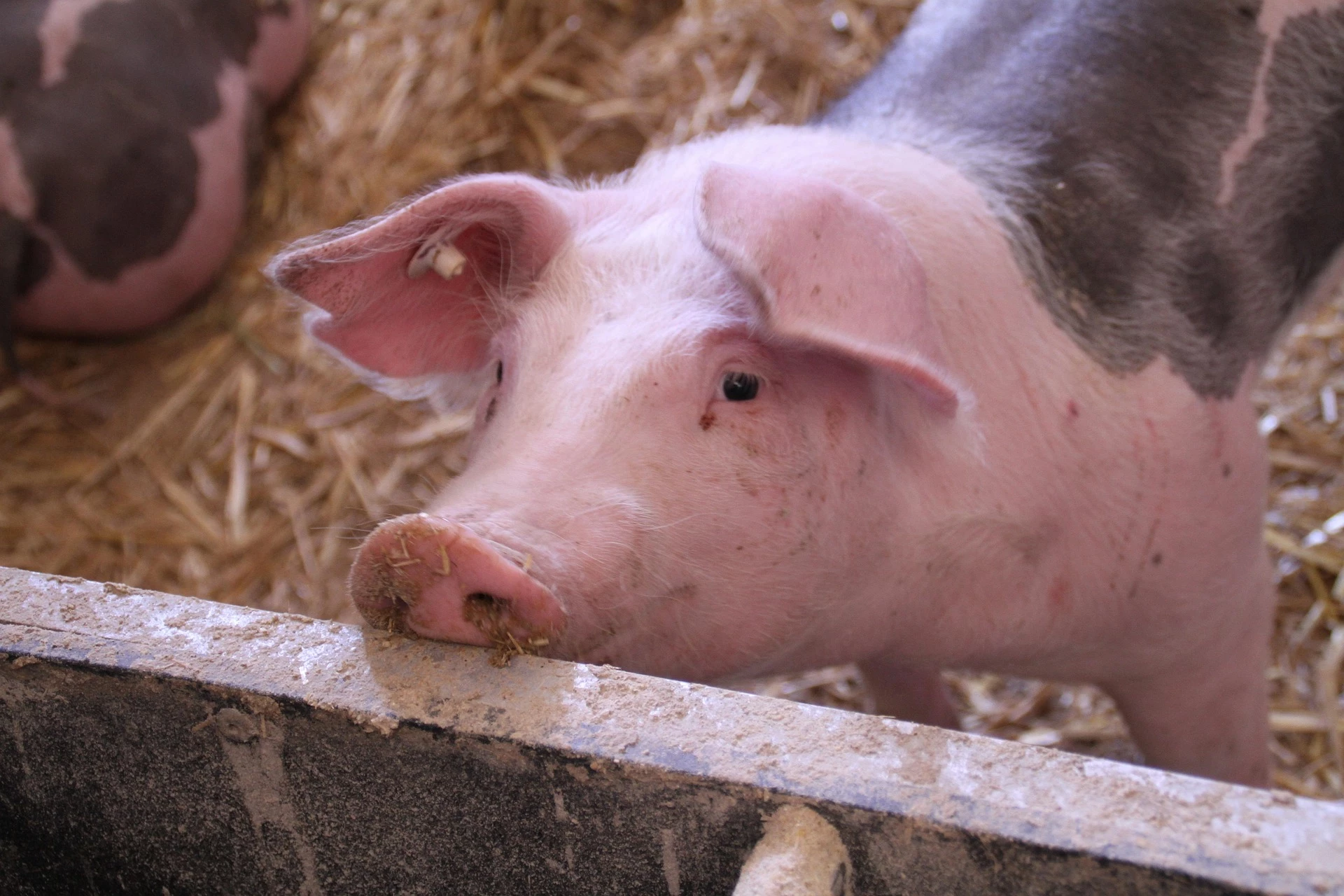
Using Water Intake to Spot Health Issues in Pig Production
Learn how continuous monitoring helps producers identify developing production challenges through changes in water consumption, growth performance and other key production indicators.

Water is often called the "forgotten nutrient", yet it's one of the most sensitive indicators of pig health. Changes in water consumption often appear 24-48 hours before visible symptoms of illness, stress, or feed and water system problems, making it a powerful early-warning tool.

What Abnormal Water Patterns Can Reveal

  • Reduced intake may signal fever, feed issues, or water system blockages
  • Sudden spikes can indicate leaks or behavioral stress
  • Individual pen deviations highlight localized problems

Benefits of Automated Water Monitoring

Immediate Detection of System Failures

Automated alerts flag sudden drops or spikes in water flot, helping staff quickly identify blockages, leaks or equipment malfunctions before they affect animal health.

Better Disease Management Through Early Intervention

Changes in water intake often appear before visible symptoms such as illness or system issues. Early detection helps farm managers respond faster, reducing the spread of illness and improving treatment outcomes.

Improved Welfare Through Consistent Water Access

Continuous monitoring ensures pigs always have access to clean, fresh water. Anu irregularities in supply or quality are identified quickly, helping maintain stable welfare conditions.

Optimized Feed Strategies

Since water and feed intake are closely linked, tracking both provides valuable insight into feeding behavior. Sudden changes can reveal feed system issues, or diet problems, enabling more precise adjustments.

Waterproof CO2 Sensor
Learn how continuous monitoring helps producers identify developing production challenges through changes in water consumption, growth performance and other key production indicators.

In the agricultural industry, CO2 or carbon dioxide plays a vital role, since it affects the animal welfare and thus the performance of the production. This is why CO2 sensors are crucial instruments in livestock production.

CO2 sensors measure the level of carbon dioxide in the livestock house and combined with at farm controller it can help controlling the ventilation system automatically, ensuring optimum climate conditions for the animals.

Designed For Reliable CO2 Monitoring

In the agricultural industry, CO2 or carbon dioxide plays a vital role, since it affects the animal welfare and thus the performance of the production. This is why CO2 sensors are crucial instruments in livestock production.

CO2 sensors measure the level of carbon dioxide in the livestock house and combined with at farm controller it can help controlling the ventilation system automatically, ensuring optimum climate conditions for the animals.

Climate Sensors Of The Future
Learn how continuous monitoring helps producers identify developing production challenges through changes in water consumption, growth performance and other key production indicators.

The demand for a more sustainable food production increases every year. To live up to this, food producers must keep enhancing their production and make sure that the animals have the best living conditions possible in order to avoid mortality, enhanced FCR, and poor meat quality. This calls for accurate real-time data.

Accurate Real-time Data

Constantly monitoring the climate in livestock houses is essential to create optimal animal welfare and the most efficient production. It is no longer enought to measure the temperature, humidity, CO2, and ammonia once in a while. Climate sensors of the future provide accurate real-time data allowing for more timely and effective decision-making, when it comes to managing the production, since the farmer or farm manager get an up-to-date picture of the production.

The Importance of Accurate Data

One of the key benefits of using climate sensors in poultry houses is that they can help prevent the spread of disease. Poultry are particularly susceptible to respiratory infections, which can be exacerbated by poor air quality. By monitoring the levels of carbon dioxide, ammonia, and humidity, you can make sure that the air inside the poultry house is fresh and free from harmful gases.

In a poultry production, the temperature and humidity play an important role during the entire life of the chicken from hatchery and hatching until they are sent to slaughter. Chickens are very sensitive to temperature changes. If it is too cold, the chickens might eat more and stick together to keep warm, meaning they produce more fat than meat due to the combination of high feed consumption and low movement. A low temperature might also cause egg laying problems.

Whether the data from the climate sensors is accurate or not has a huge impact on the production. As mentioned, temperature and humidity have a great effect on the production and animal welfare which makes it vital that the measurements are accurate. Accurate data can lead to less stress on birds and thus greater productivity.

Selected Sensors

No items found.

Documents

No items found.

Join our newsletter

Stay ahead in livestock production.

Join our newsletter and get industry insights, expert perspectives, and practical strategies for optimizing performance and efficiency.