Automatic Climate Control In Greenhouses Increases Yield

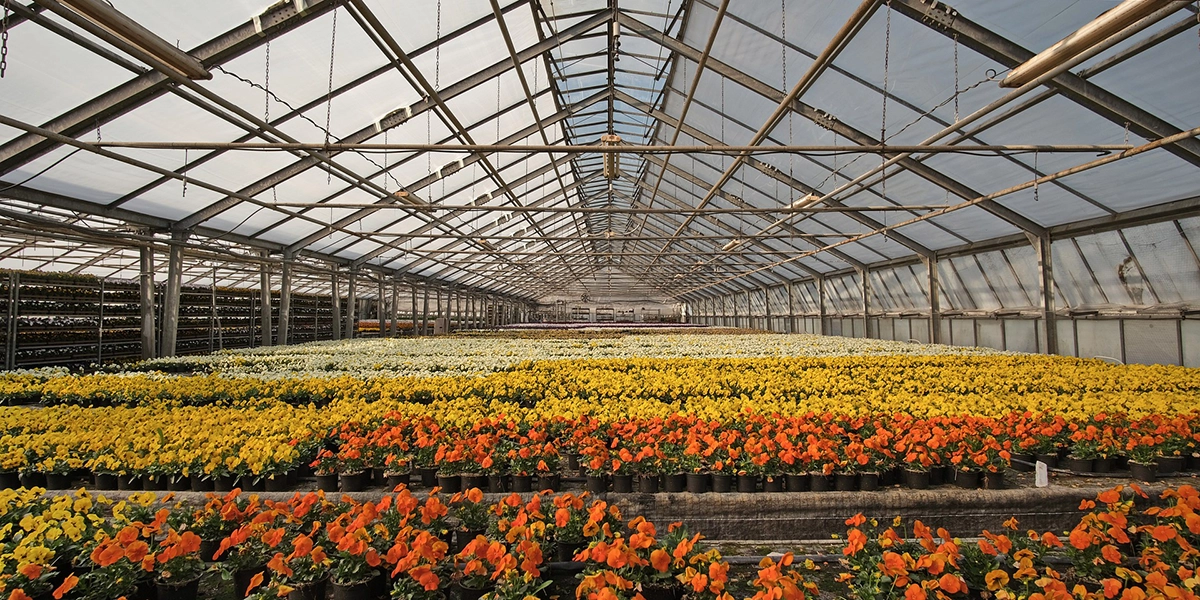
Automatic climate control in greenhouses has been shown to significantly increase production by creating a more optimal growing environment for plants.

Maintain Stable Temperature and Humidity

One of the primary benefits of automatic climate control is the ability to maintain a consistent temperature and humidity level within the greenhouse. This helps to reduce stress on plants and allows them to grow more efficiently, resulting in higher yields. Accurate monitoring of CO₂ levels is an important part of greenhouse climate management and can help optimize plant growth and yield.

Learn more about agricultural CO₂ sensors.

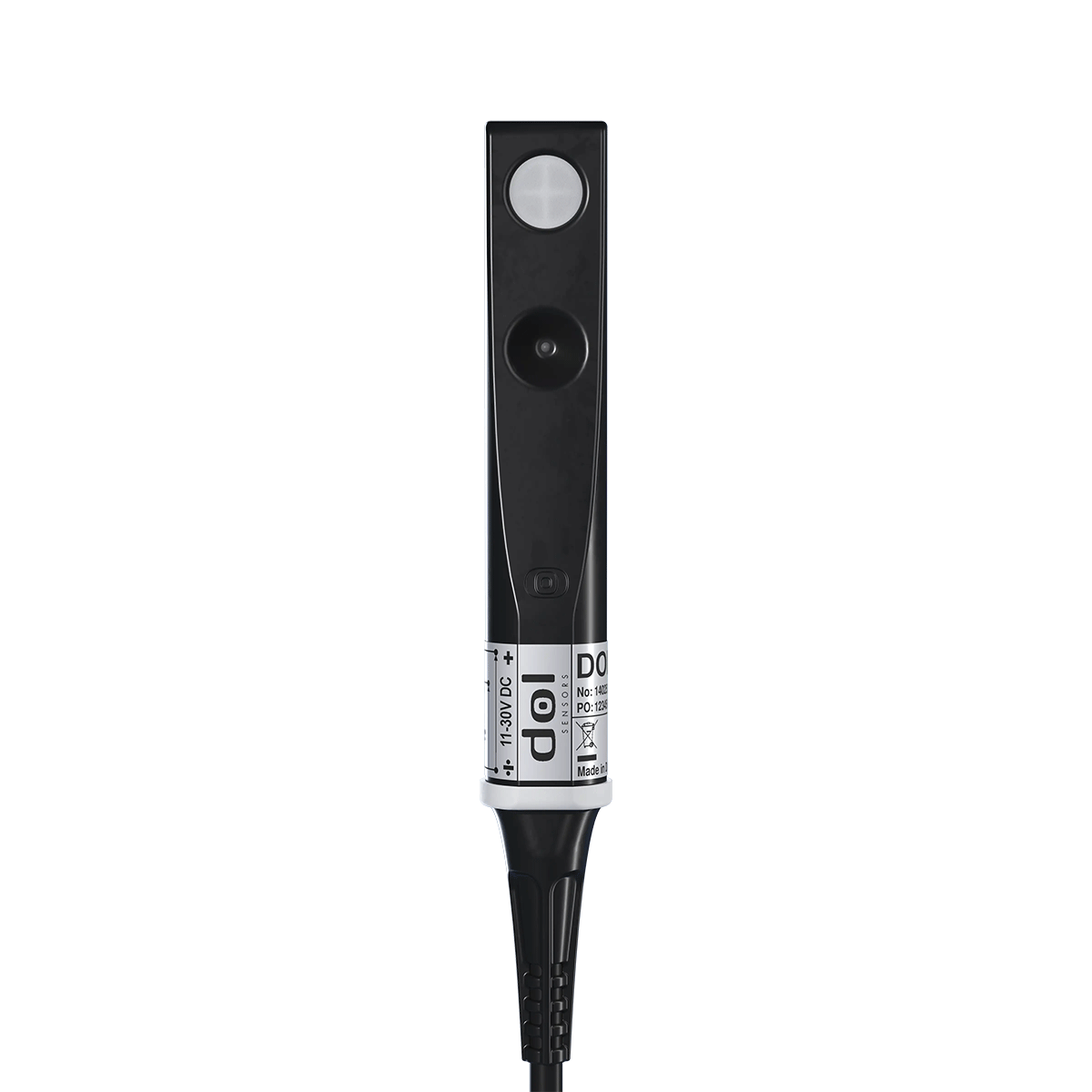
Using accurate temperature and humidity sensors such as DOL 104 and DOL 114 in connection with a controller that regulates the climate system automatically will help you getting the optimum climate in your greenhouse.

Optimize Light and CO₂ Levels

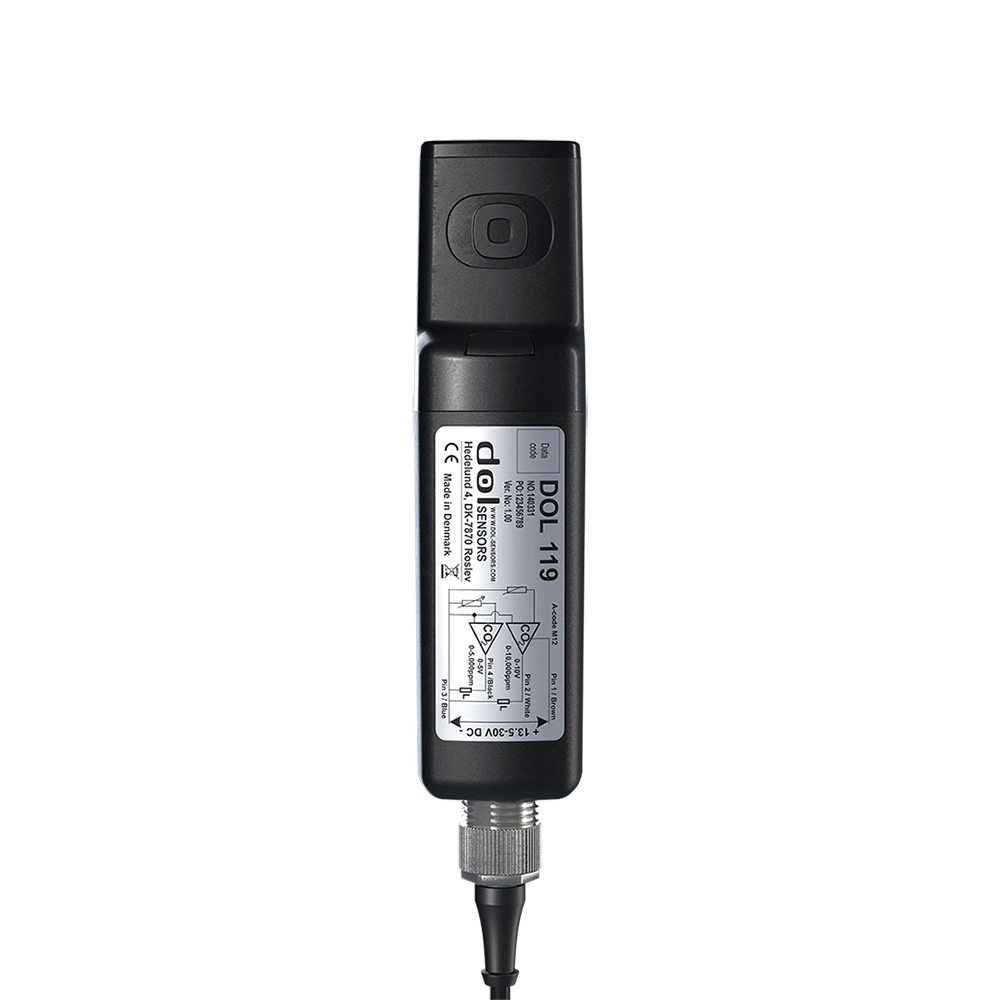
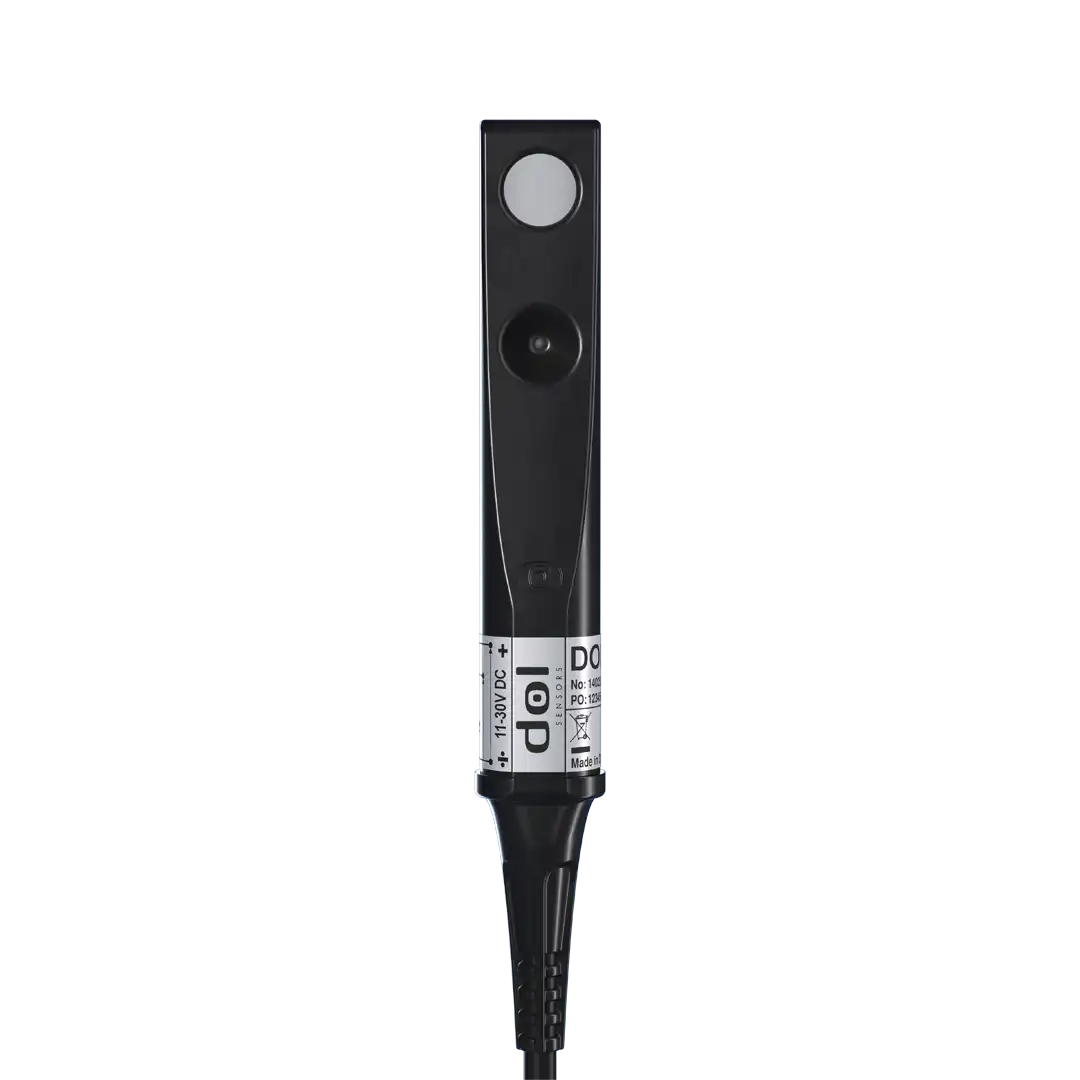
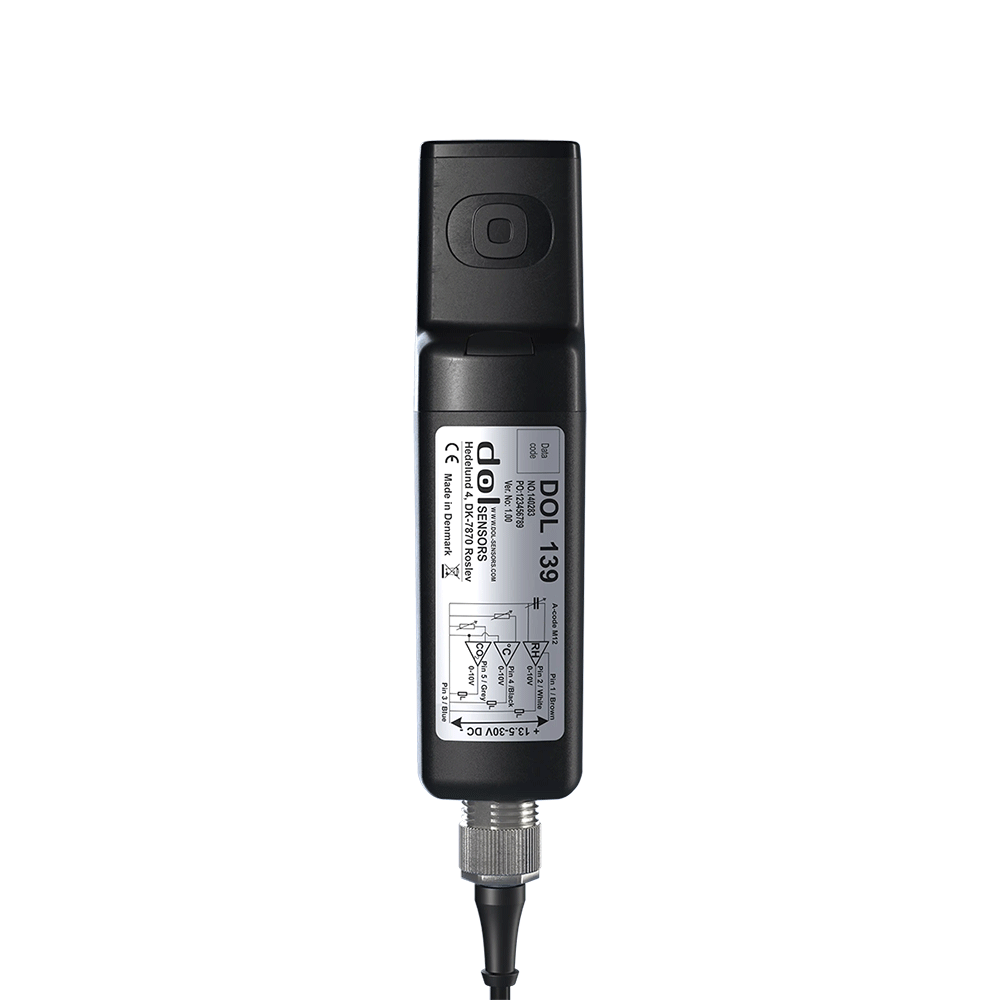
In addition to temperature and humidity control, automatic climate control systems can also be used to regulate the amount of light that plants receive with use of e.g. DOL 16 light sensor, as well as the levels of CO2 (e.g. with DOL 119 or DOL 139)and other gases in the air. By optimizing these factors, farmers can create a more conducive environment for plant growth and increase production.

Climate and Ventilation
Discover how automatic climate control systems optimize greenhouse conditions, improve crop growth, and provide real-time insights for more productive and efficient operations.
No items found.

Real-Time Monitoring for Faster Decisions

Another advantage of automatic climate control is the ability to monitor and track conditions within the greenhouse in real-time. This allows farmers to quickly identify and address any issues that may arise, helping to minimize any disruptions to the growing process. The collected real-time data can be saved, shared, and compared to data from earlier or from other greenhouses.

A Smarter Way to Grow

Overall, the use of automatic climate control in greenhouses has been shown to significantly improve the growth and productivity of crops, making it an essential tool for modern greenhouse operations.

Environmental Sensors
Learn how continuous monitoring helps producers identify developing production challenges through changes in water consumption, growth performance and other key production indicators.

5 Benefits of Environmental Sensors in Livestock Houses

An environmental sensor is a device that measures the environment around us. It can be used to monitor air quality, temperature, humidity, etc. In livestock houses environmental sensors or climate sensors are used to ensure an optimum environment.

Get Better Animal Welfare With a High Air Quality

There are several ways to use environmental sensors in livestock farming. One way is to use them to measure air quality by using a carbon dioxide sensor and an ammonia sensor. Connected to a controller and your farm management system these sensors will provide data for alarms or for starting the ventilation in the house.

CO2 and ammonia are both to blame for the animals not thriving optimally. To high levels of CO2 and ammonia causes problems with breathing, corrosion damage on feed and skin, as well as irritation of the mucous membranes in the eyes and mouth. The high levels reduce the air quality thus increasing mortality and reducing production.

You can measure the level of ammonia with the award-winning DOL 53 Ammonia Sensor and keep track of the CO2 level with the robust DOL 119 CO2 Sensor or the 3-in-1 sensor DOL 139 that measures humidity, temperature and CO2.

How Poultry Perceive Light
Learn how continuous monitoring helps producers identify developing production challenges through changes in water consumption, growth performance and other key production indicators.

How Poultry Perceive Light: A Hidden World of Vision and Biology

Light is one of the most powerful regulators of life. For poultry, it is more than just a way to see—it shapes their physiology, behavior, and productivity. Unlike humans, who mainly rely on vision through their eyes, poultry experience light in a surprisingly complex way, involving not only their eyes but also special light-sensitive structures deep within their brains.

A Vision Beyond Ours

Chickens, turkeys, and other poultry species see the world quite differently from humans. While our vision is based on three types of cone cells in the retina (red, green, and blue sensitivity), poultry have four to five types of cones, including one tuned to ultraviolet (UV) light. This means they see a richer, more vibrant spectrum than we do, detecting subtle markings on feathers and food that are completely invisible to humans.

Each cone cell in poultry is also paired with a colored oil droplet that acts like a filter, sharpening color discrimination. Imagine seeing the world through built-in polarizing sunglasses—poultry have that advantage every day.

More Than Eyes: The “Extra-Retinal” Pathways

Here’s where poultry differ most from humans: they can perceive light not just through their eyes, but through specialized photoreceptors in their pineal gland and hypothalamus.

  • Pineal gland: Sometimes called the “third eye,” it can directly sense light, helping regulate daily biological rhythms.
  • Hypothalamus: Light penetrates through the skull and stimulates receptors here, influencing hormones tied to growth, reproduction, and behavior.

This is why the color and duration of artificial lighting in poultry houses can affect egg production, fertility, and even stress levels.

Optimize Your Profit With Sensors
Learn how continuous monitoring helps producers identify developing production challenges through changes in water consumption, growth performance and other key production indicators.

One of the most important things in farm management, when it comes to profit, is that the data you collect from your farms are accurate and easily withdrawn from the farms. Our climate sensors fit all farm controllers and can be customized for your specific needs. In this way you can collect, share, and compare data from all your farms in one system.

Identify the course of abnormal behaviour

Monitoring the level of ammonia and CO2 can reveal the course of abnormal behaviour at your farm.

Ammonia is a byproduct of animal urine and feces, and high levels of ammonia in the air can irritate the respiratory tract and cause coughing, sneezing, and other respiratory problems in animals. High levels of ammonia can also lead to reduced appetite and weight gain, as well as an increased risk of respiratory infections.

CO2 is a gas produced by the breathing of animals and the decomposition of organic matter. High levels of CO2 in the air can lead to respiratory problems and reduced productivity in animals. It can also be harmful to humans, causing symptoms like headache, dizziness, and fatigue.

Selected Sensors

Documents

No items found.

Join our newsletter

Stay ahead in livestock production.

Join our newsletter and get industry insights, expert perspectives, and practical strategies for optimizing performance and efficiency.