The Global Poultry Industry

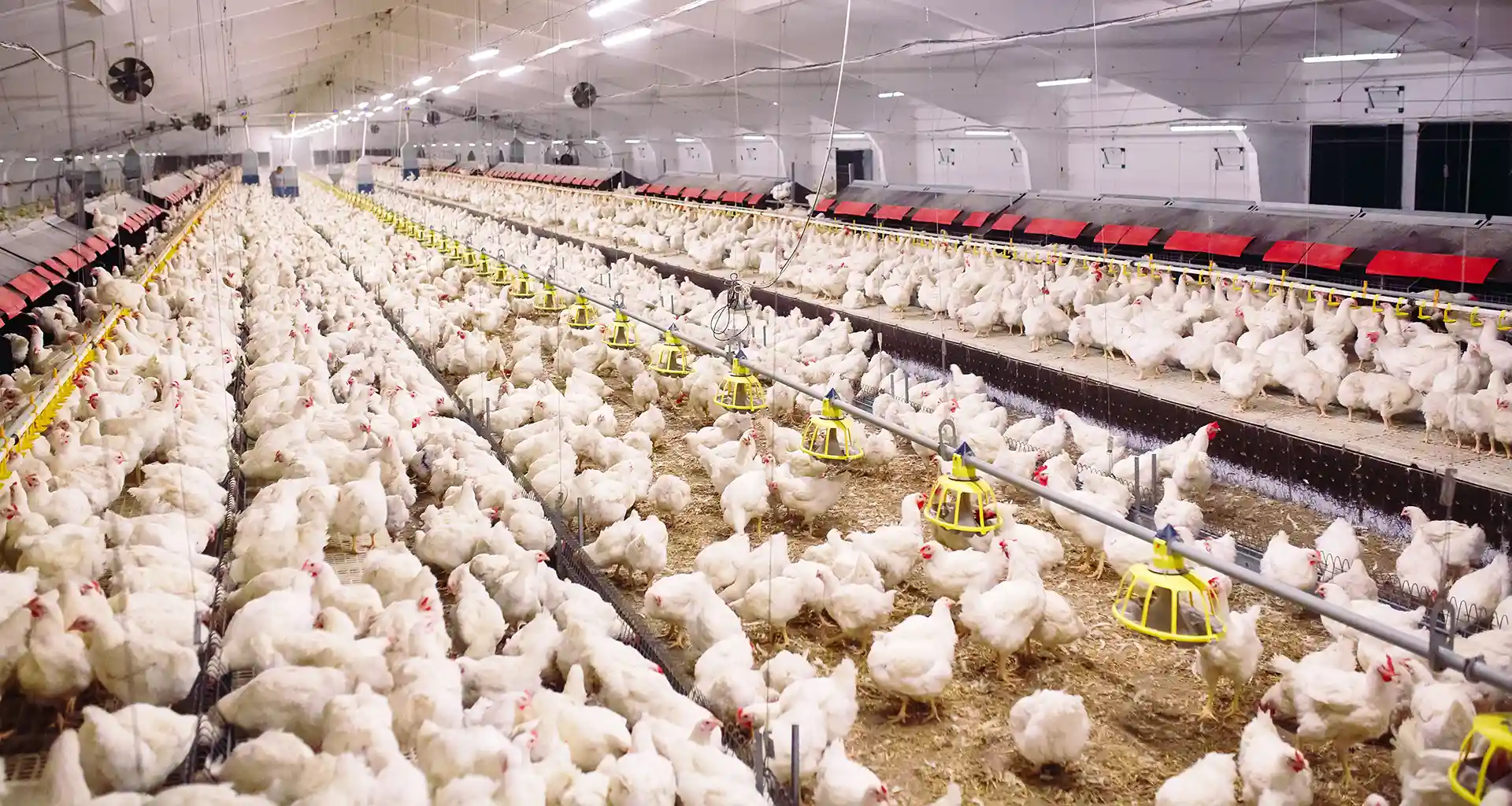
Poultry meat production is an increasing industry which is spread all over the world. The poultry industry includes production of meat from chicken, duck, geese, and turkey.

This industry plays a crucial role in meeting the dietary needs of billions, providing a source of high-quality protein and other nutrients. The sector has witnessed substantial growth and transformation over the years, driven by technological advancements, changing consumer preferences, and the increasing global demand for meat.

In 2020, the top poultry-producing countries included Asia, Northern America, Central and Southern America, and Europe. The industry employs millions worldwide and is a vital part of rural economies.

A changing industry

Since the 1970’s the poultry industry has changed significantly. In fact, the global production of poultry meat has increased over 800% from 1970 til 2020 to a production of around 137,000,000 tonnes of poultry meat, according to this article.

Looking at the different continents, the numbers shows that increase in production of poultry meat was highest in Central and South America – around 2000%!! The lowest increase was in Europe where the increase was at around 300% going from around 5,300,000 tonnes to around 17,000,000 tonnes.

Learn How to Save Energy in Your Production
Explore how poultry production has evolved into one of the world’s largest and fastest-growing food industries.

Big changes in the chicken industry in Asia

In Asia, the change in production of chicken meat is huge. Back in 1970, the production was around 2,700,000 tonnes. In 2020 the number was almost 50,700,000 tonnes which is an impressive increase of 1,876 %.

Before 1990, production of chicken meat in Europe exceeded the production in Asia, but ever since, Asia has exceeded Europe and since 2000, Asia has been the leading producer of poultry meat in the world.

The share of turkey meat has fluctuated

The global increase in poultry production is mainly due to production of chicken meat which stands for 88% of the entire production. The share of turkey meat fluctuated from 8,1% of the total poultry production in 1970 to 4,4% in 2020.

Busting the Most Common Poultry Myths
Learn how continuous monitoring helps producers identify developing production challenges through changes in water consumption, growth performance and other key production indicators.

Poultry farming is full of ideas that have been repeated for years, but not all of them hold up in modern production. As genetics, housing, and management practices evolve, it becomes increasingly important to challenge old assumptions and understand what truly drives flock health and performance.

Myth 1: The Birds Will Show You When Something Is Wrong

Poultry are prey animals, and they instinctively hide early signs of stress or illness. By the time symptoms become visible, the issues have often been developing for quite some time.

  • Early changes in behavior or environment are easy to miss
  • Relying only on visual checks often leads to late reactions
  • Continuous monitoring helps catch problems long before they escalate

Myth 2: Ventilation Is Only a Winter Concern

Many believe barns should be closed in colder weather to keep birds warm, but poor air exchange quickly creates new problems.

  • Humidity, ammonia, and CO₂ rise fast when airflow drops
  • These invisible changes affect growth, comfort, and respiratory health
  • Good ventilation is essential all year - not just in winter

Myth 3: More Feed Means Better Growth

Modern birds don't grow better simply because more feed is available.

Decrease The Need For Labour In Poultry Production
Learn how continuous monitoring helps producers identify developing production challenges through changes in water consumption, growth performance and other key production indicators.

How to Decrease the Need for Labour in Poultry Production

With rising costs, staff shortages, and growing demands for efficiency, producers are increasingly looking for ways to streamline operations without compromising animal welfare or productivity. The good news is that advances in management practices and technology are making it possible to reduce labour needs while maintaining—or even improving—flock performance.

The Challenge of Labour in Poultry Farming

Traditional poultry production requires a high level of manual work: feeding, monitoring climate conditions, checking water lines, collecting data, maintaining equipments, cleaning, and inspecting flock health. These repetitive and time-consuming tasks not only require manpower but also increase the risk of human error. By reducing the need for manual intervention, producers can save time, cut costs, and create a more consistent production flow.

Livestock Sensors
Learn how continuous monitoring helps producers identify developing production challenges through changes in water consumption, growth performance and other key production indicators.

Sensors for Livestock

dol-sensors innovates, designs, and produces intelligent livestock monitoring sensors for agriculture and other industries.

Our product range contains capacitive sensors and climate sensors.

All of our sensors for livestock are specially designed for lasting a lifetime and to withstand the harsh environment in livestock houses.

What Are Livestock Sensors?

Livestock sensors are devices designed to monitor and gather data related to the environment in the barn and feed supply and consumption. They can be seen as the nexus where technology meets livestock management, providing farmers and farm managers with a detailed insight that was previously inaccessible or hard to obtain.

The primary drive behind the development of these sensors was the increasing need for real-time, accurate data to optimize farming operations. Traditionally, farmers and farm managers relied on periodic checks, intuition, sense of smell, or visible signs to assess the health and productivity of their livestock. However, such methods are often reactive rather than proactive. With sensors, farmers can now detect potential issues before they escalate, ensuring timely intervention and reducing losses.

Selected Sensors

Documents

English
Leaflet
DOL 51 Ammonia Sensor for Air Cleaning_Onepager
English
Leaflet
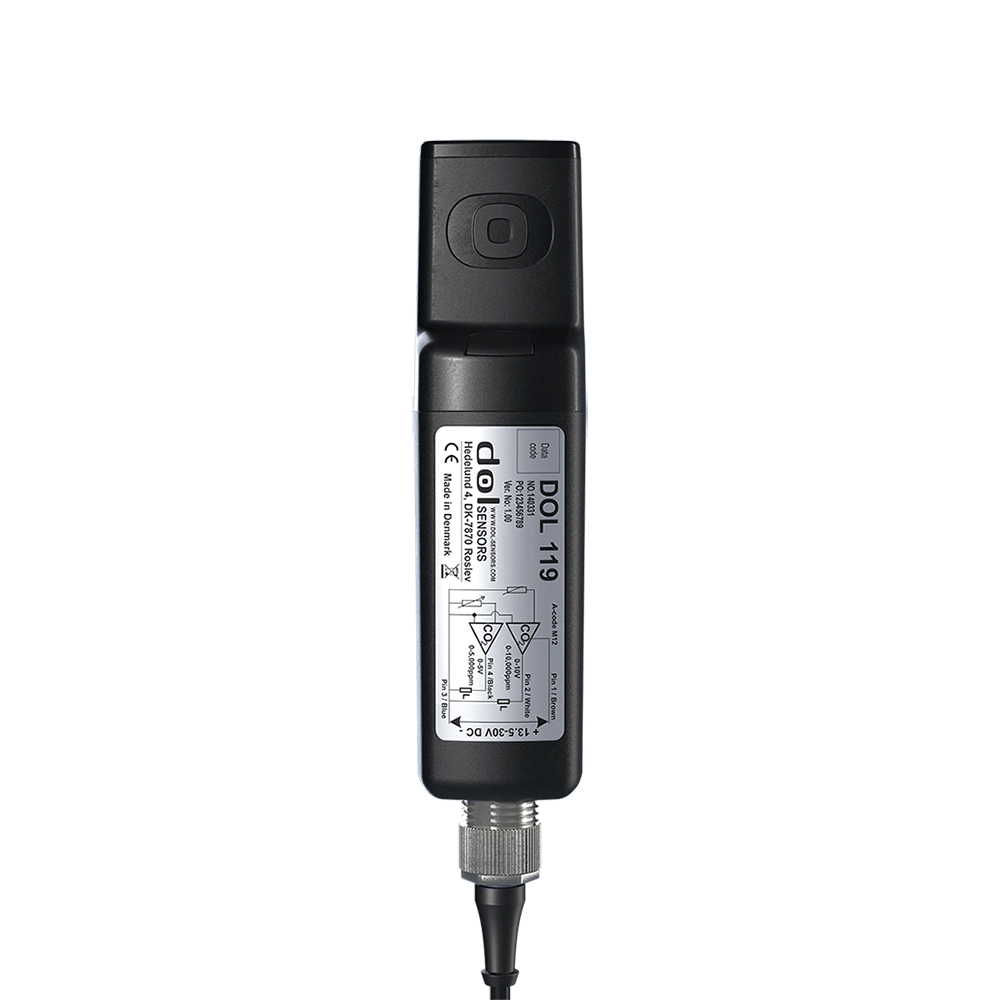
DOL 119 One pager

Join our newsletter

Stay ahead in livestock production.

Join our newsletter and get industry insights, expert perspectives, and practical strategies for optimizing performance and efficiency.