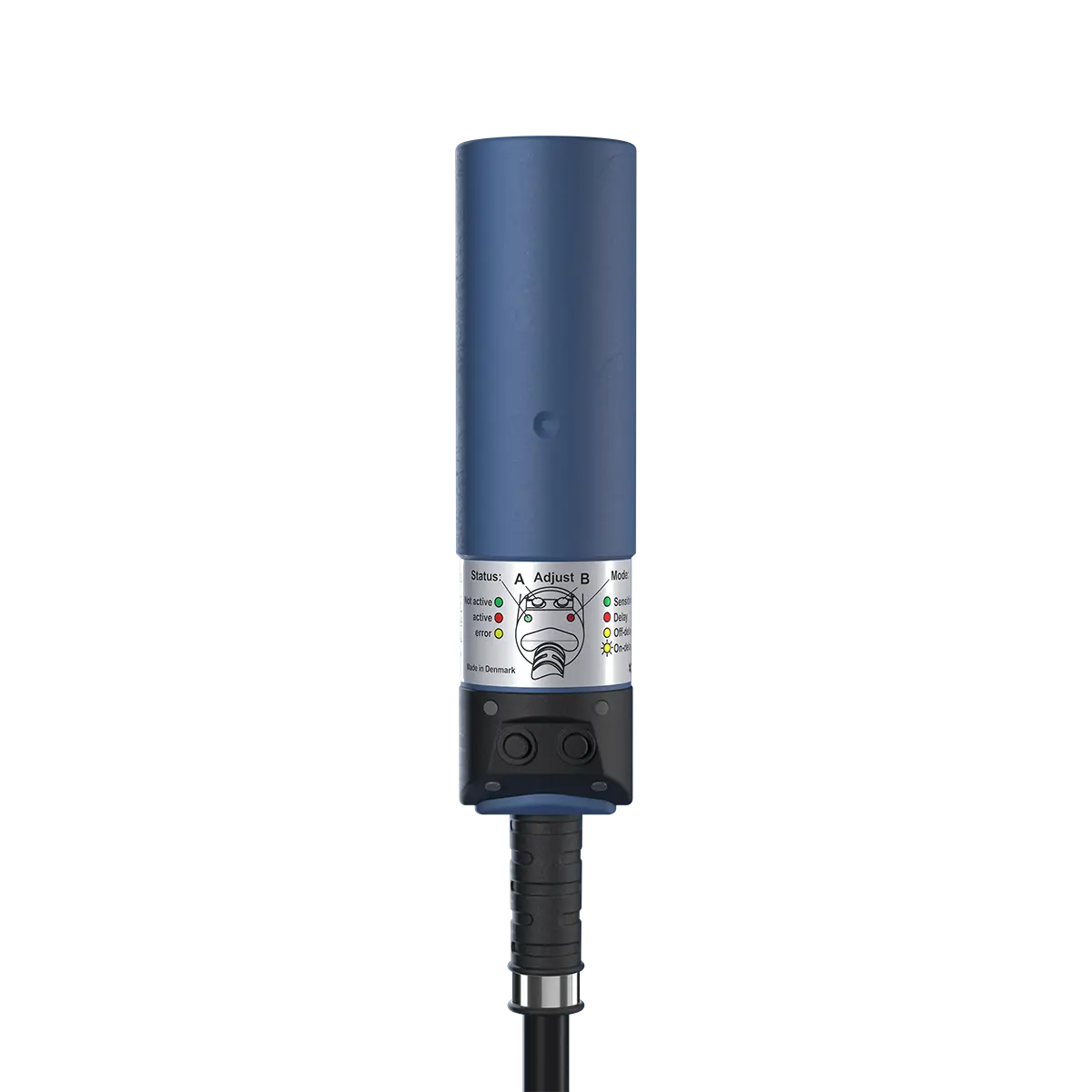
Tired Of Burned Off Sensors

Switch to sensors that are designed for the harsh environment in livestock houses

Longer Service Life

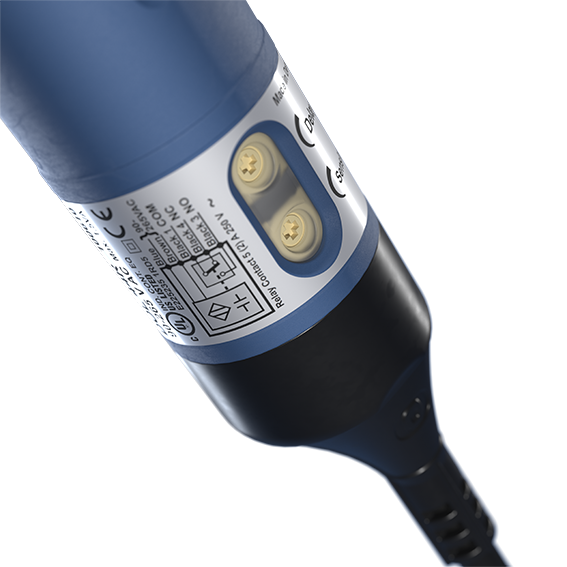
Sensor mounted inside a lifestock house has a hard life due to the environment.

Dust from birds and bedding, temperature swings, high levels of humidity, CO2, and ammonia are all factors that put the senors to the test.

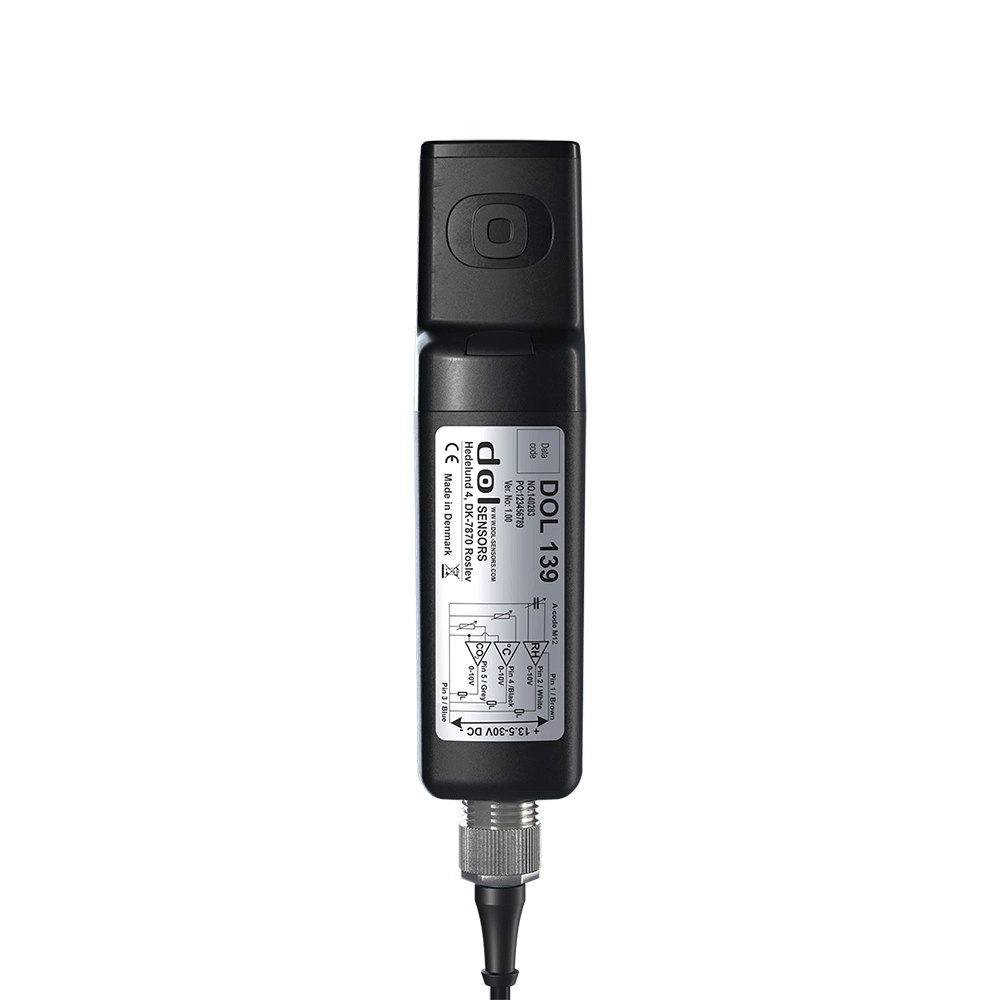
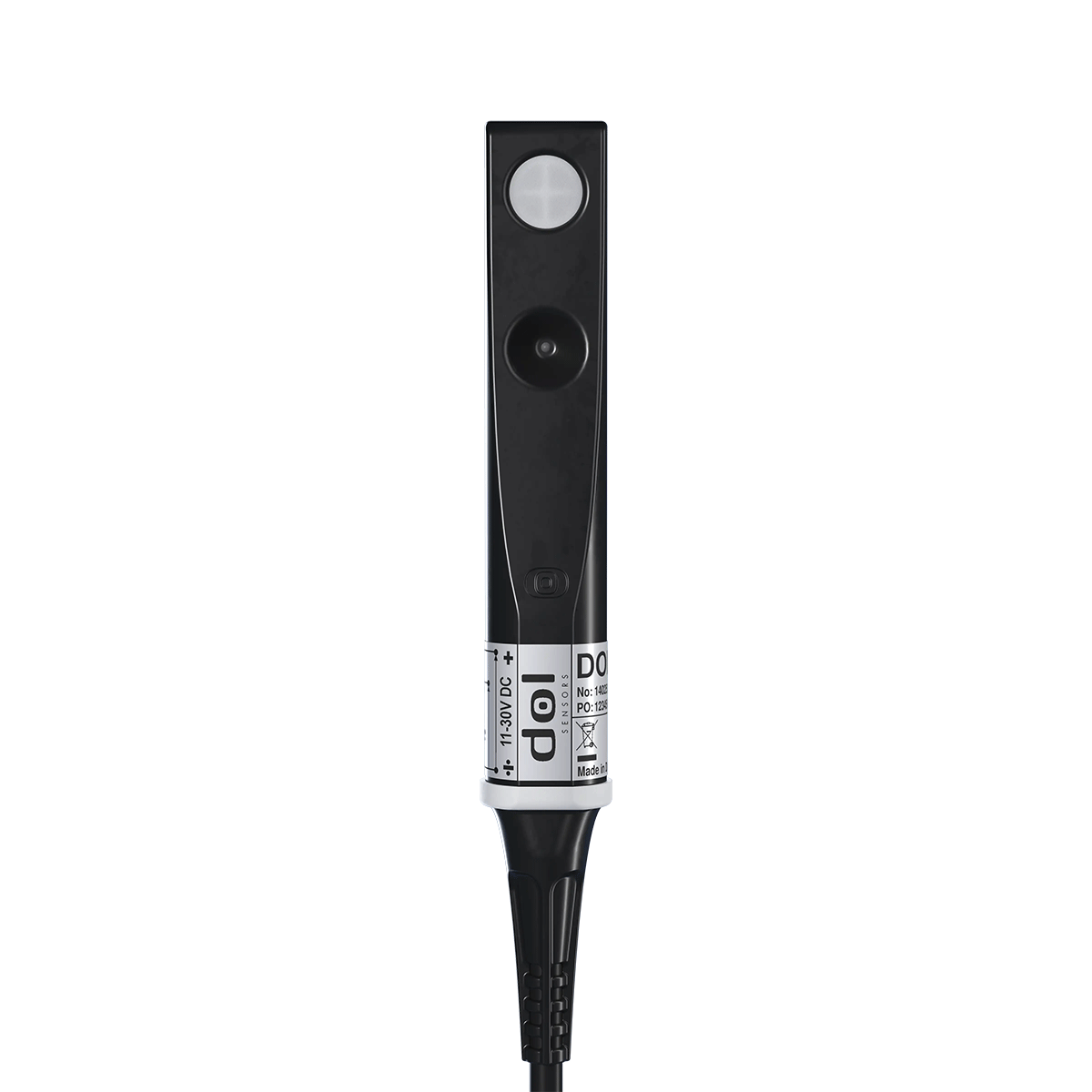
At dol-sensors, we design and produce sensors that with-stand these conditions andt therefore have a longer service life.

IP67 Protected

Most of our sensors are IP67 protected, which means that their are completed protected against dust and withstand immersion in water up to one meter depth for up to 30 minutes without sustaining damage.

Built To Least In Barns
Discover sensors designed to withstand dust, humidity, high-pressure cleaning, and demanding livestock conditions.
→ Read:
Robust Sensors

Well Tested

Our sensors are designed, produced, and tested at the same facility. This ensures a thorough testing of our sensors and a constant control of the high quality.

Withstand High-pressure Cleaning

Many of our climate sensors are protected by a silicone cap to protect the sensors against high-pressure cleaning. Thus, the sensors do not need to be uninstalled during cleaning of the livestock house.

Short Circuit Protection

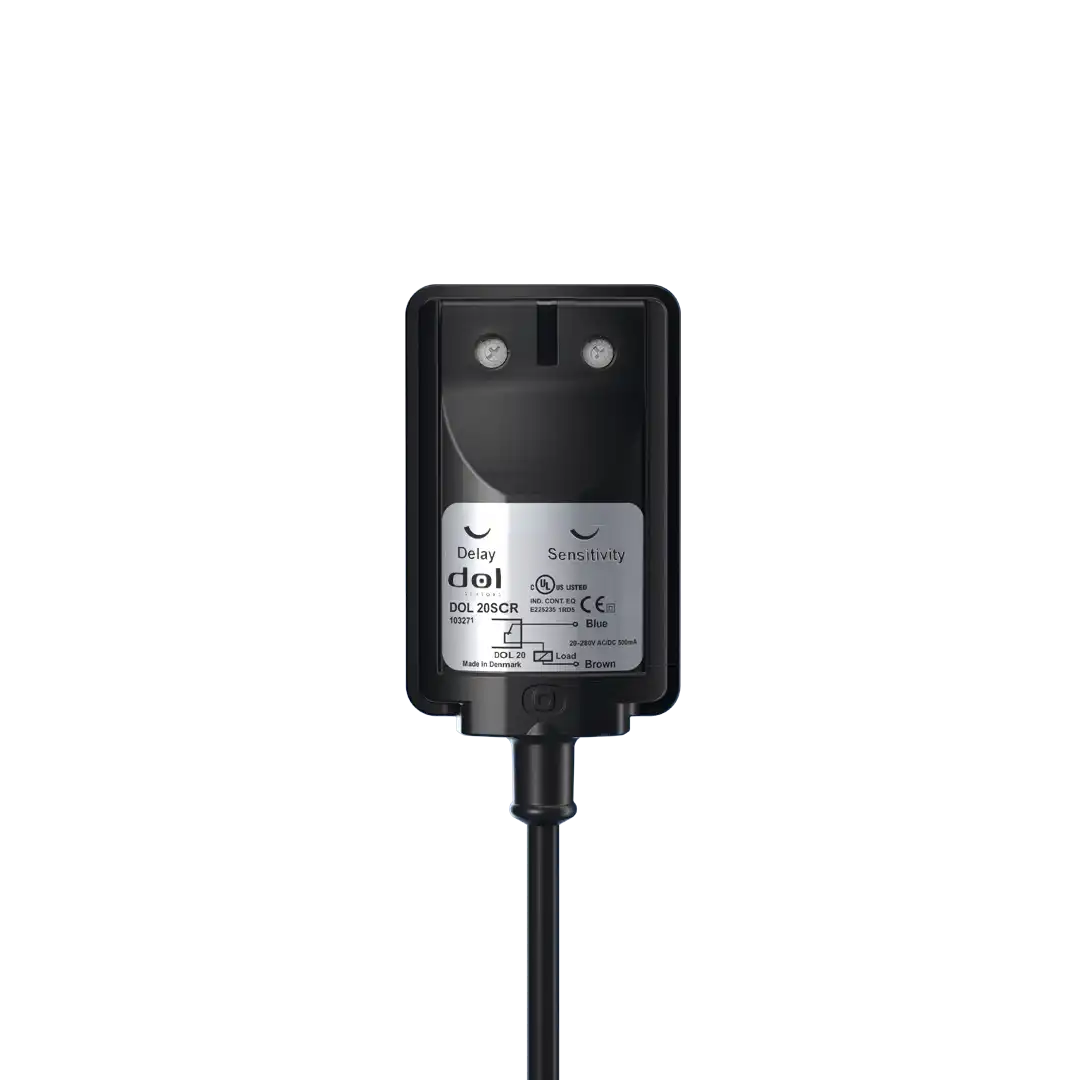
To protect our sensors from burning off due to installation mistakes, they are immune to EMI and short circuit.

Agricultural CO2 Sensors
Learn how continuous monitoring helps producers identify developing production challenges through changes in water consumption, growth performance and other key production indicators.

Understanding Agricultural CO2 Sensors

Agricultural CO2 sensors are pivotal tools in the realm of modern farming. These devices measure the concentration of carbon dioxide in the atmosphere, providing invaluable data for farmers and farm managers.

Plants absorb carbon dioxide during photosynthesis, a process that fuels their growth. Monitoring CO2 levels in a closed environment such as a greenhouse ensures that crops have an optimal environment to thrive, leading to better yields and healthier produce.

For animals, it is extremely important to maintain a low CO2 level in the atmosphere inside the livestock house. Animals are dependent on oxygen and carbon dioxide in high concentrations can give them difficulty breathing, descrease production and even raise mortality.

The Evolution of CO2 Monitoring in Agriculture

The journey of CO2 monitoring in agriculture is a testament to human ingenuity. In the early days, farmers relied on rudimentary methods and intuition to gauge the health of their crops and livestock. However, as technology advanced, so did the methods of monitoring. The introduction of CO2 sensors revolutionized farming, allowing for precision agriculture. These advancements meant that farmers could now get real-time data, leading to more informed decisions and improved crop yields and production outcomes.

Installing and Maintaining Your Agricultural CO2 Sensors

Proper installation and maintenance of agricultural CO2 sensors are crucial for accurate readings.

How to install your sensor depends on the sensors, but normally the sensor needs to be placed away from direct sunlight or any artificial light sources. Ensure the area around the sensor is well-ventilated to avoid skewed readings.

Maintaining your CO2 sensor also depends on which sensor you choose, but most sensors will need calibration and cleaning from dust and debris once in a while.

Interpreting Data and Making Informed Decisions

Data from CO2 sensors can be a treasure trove of insights, but understanding and interpreting this data correctly is paramount for its effective utilization.

To see the data from your CO2 sensor you will most likely have to connect it to some kind of controller. In livestock production the CO2 sensors are connected to a farm controller that show the farm manager updated and historical data from the sensor.

Climate Sensors Of The Future
Learn how continuous monitoring helps producers identify developing production challenges through changes in water consumption, growth performance and other key production indicators.

The demand for a more sustainable food production increases every year. To live up to this, food producers must keep enhancing their production and make sure that the animals have the best living conditions possible in order to avoid mortality, enhanced FCR, and poor meat quality. This calls for accurate real-time data.

Accurate Real-time Data

Constantly monitoring the climate in livestock houses is essential to create optimal animal welfare and the most efficient production. It is no longer enought to measure the temperature, humidity, CO2, and ammonia once in a while. Climate sensors of the future provide accurate real-time data allowing for more timely and effective decision-making, when it comes to managing the production, since the farmer or farm manager get an up-to-date picture of the production.

The Importance of Accurate Data

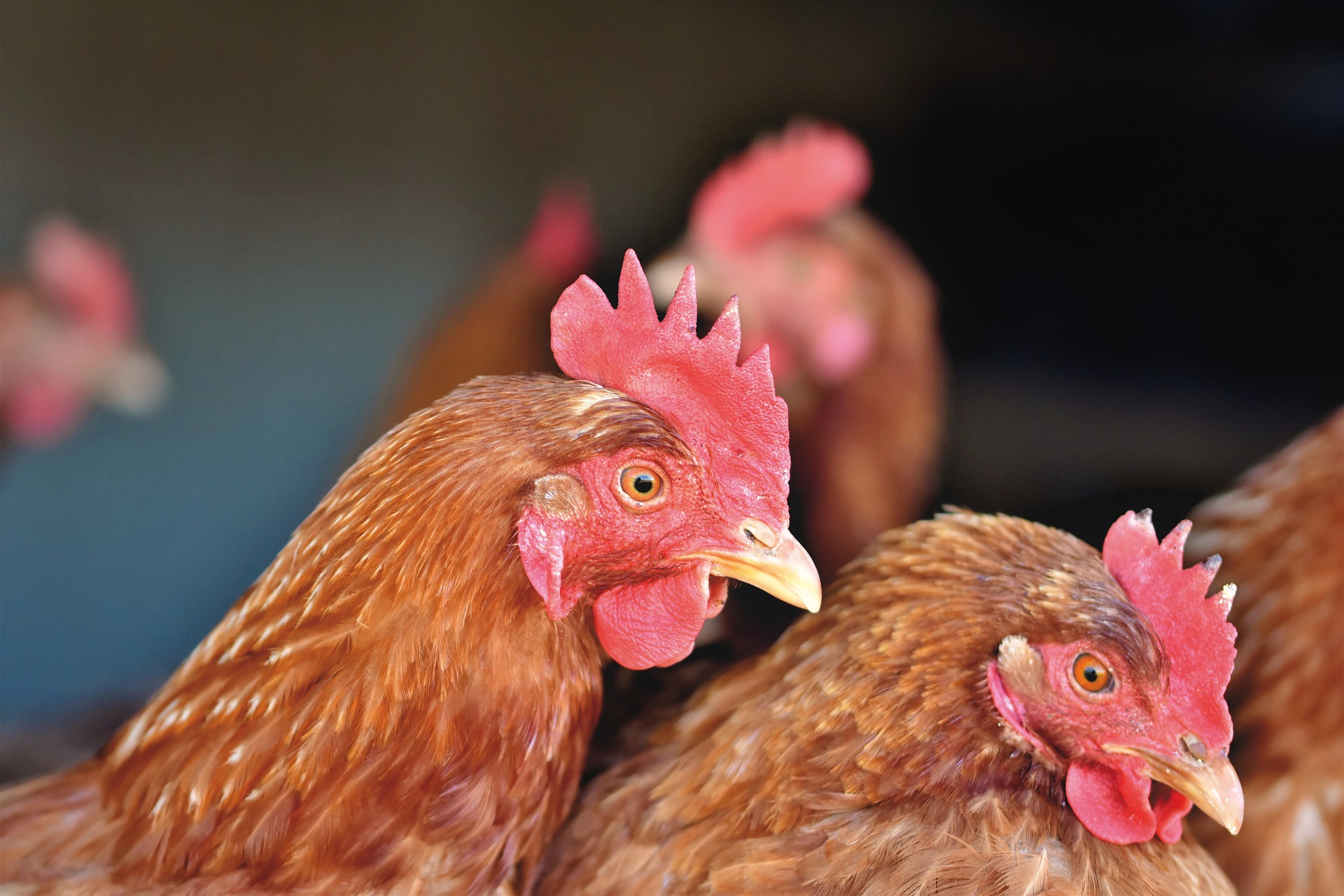
One of the key benefits of using climate sensors in poultry houses is that they can help prevent the spread of disease. Poultry are particularly susceptible to respiratory infections, which can be exacerbated by poor air quality. By monitoring the levels of carbon dioxide, ammonia, and humidity, you can make sure that the air inside the poultry house is fresh and free from harmful gases.

In a poultry production, the temperature and humidity play an important role during the entire life of the chicken from hatchery and hatching until they are sent to slaughter. Chickens are very sensitive to temperature changes. If it is too cold, the chickens might eat more and stick together to keep warm, meaning they produce more fat than meat due to the combination of high feed consumption and low movement. A low temperature might also cause egg laying problems.

Whether the data from the climate sensors is accurate or not has a huge impact on the production. As mentioned, temperature and humidity have a great effect on the production and animal welfare which makes it vital that the measurements are accurate. Accurate data can lead to less stress on birds and thus greater productivity.

IP67 Protected Sensors
Learn how continuous monitoring helps producers identify developing production challenges through changes in water consumption, growth performance and other key production indicators.

For Harsh Environment in Livestock Houses

Livestock facilities often present challenging environments that require robust and reliable technology to ensure the well-being of animals and optimize operations. These facilities are characterized by demanding conditions including temperature fluctuations, humidity, dust, and potential exposure to water. These factors can compromise the functionality of traditional sensors, leading to inaccuracies in data collection and suboptimal control of critical parameters such as temperature, ventilation, and feeding systems. This is where the importance of IP67 protected sensors comes into play.

What is IP67 Protection?

IP67 is an Ingress Protection code that signifies the level of protection a sensor offers against solid particles (first digit) and liquids (second digit). The first digit “6” indicates complete protection against dust, preventing any ingress that could affect the sensor’s performance. The second digit “7” signifies the sensor’s ability to withstand immersion in water up to one meter depth for up to 30 minutes without sustaining damage. This level of protection ensures that IP67 sensors can withstand the harshest of conditions prevalent in livestock houses.

Benefits of IP67 Protected Sensors

Durability and Longevity

IP67 protected sensors are engineered to withstand the challenges of livestock environments. Their robust construction ensures they can endure mechanical impacts, vibrations, and extreme environmental conditions, resulting in a longer lifespan and reduced maintenance costs.

Accurate Data Collection

Precise data collection is essential for informed decision-making. IP67 sensors maintain their accuracy even in the presence of dust, moisture, and other environmental factors, ensuring that the collected data remains reliable for effective livestock management.

Real-time Monitoring

Livestock houses require real-time monitoring to promptly identify any irregularities. IP67 protected sensors enable continuous data transmission, facilitating immediate responses to changes in environmental conditions and ensuring animal welfare.

Easy Integration

Most IP67 sensors can seamlessly integrate into existing farm management systems. These sensors often come with various output options, making it easier to connect them to central monitoring systems, controllers, or other devices.

Reduced Downtime

Traditional sensors often face downtime due to environmental stressors, leading to operational disruptions. With IP67 protection, sensors remain operational even during adverse conditions, minimizing downtime and optimizing livestock house efficiency.

Selected Sensors

Documents

English
Leaflet
Climate Brochure
English
Leaflet
Corporate Brochure Poultry
English
Leaflet
Capacitive Brochure

Join our newsletter

Stay ahead in livestock production.

Join our newsletter and get industry insights, expert perspectives, and practical strategies for optimizing performance and efficiency.