Learn how continuous monitoring helps producers identify developing production challenges through changes in water consumption, growth performance and other key production indicators.
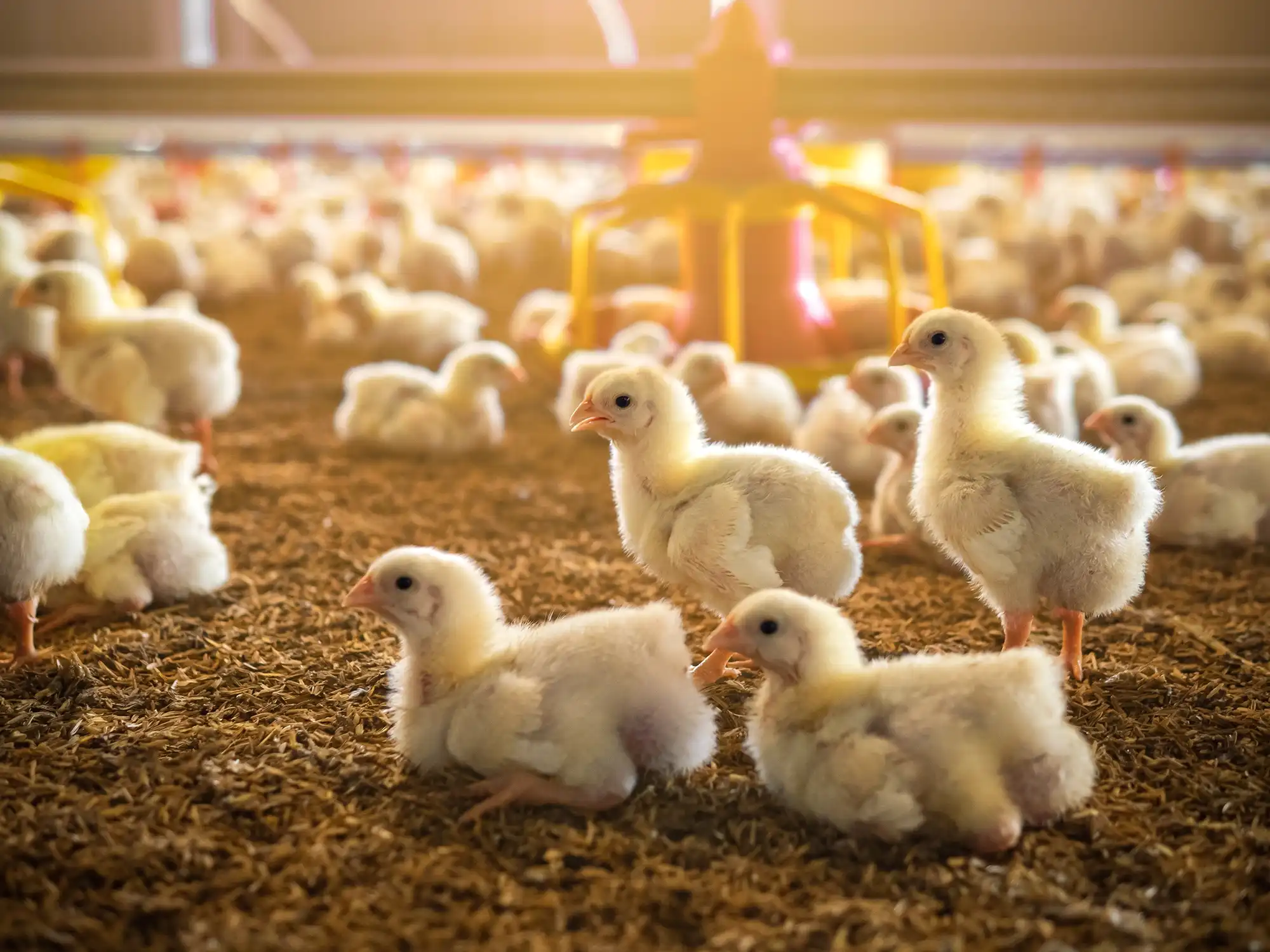
Birds are constantly communicating through their movement. Where they choose to rest, how actively they explore the barn, and when they cluster or avoid certain areas all provide valuable clues about comfort, climate, and welfare. While producers often rely on visual checks, many early warning signs are subtle - and easy to miss without understanding what bird traffic is telling you.
A closer look at movement patterns can reveal hidden climate issues, equipment problems, or welfare risks long before they show up in performance data.
How Climate Shapes Bird Movement
Birds respond immediately to changes in temperature, humidity, airflow, and air quality. Even small deviations can shift their behavior.
- Temperature gradients cause birds to cluster in warm zones or avoid cold drafts.
- Humidity pockets lead to wet litter, which birds avoid - creating uneven distribution.
- CO₂ buildup makes birds sleepy and reduces activity in affected areas.
- Poor airflow creates "dead zones" where birds rest more and eat less.
Movement patterns often reveal these issues before sensors or staff detect them visually.
Clustering as an Early Warning Sign
Clustering is one of the largest indicators that something is off in the barn environment.
- Birds may cluster under heaters if temperatures are too low.
- They may crowd away from walls if drafts or cold air leaks are present.
- Uneven light distribution can also cause birds to avoid darker areas.
Understanding why clustering occurs helps producers correct the underlying issue quickly.
Flock uniformity
Uniform flocks grow better and are easier to manage. Birds need the same climate conditions - temperature, humidity, and air velocity - to stay aligned. Any variation creates hot spots, drafts, or wet areas that shift behavior and growth. Consistent daily access to feed and water is just as important, ensuring every bird develops at the same pace.