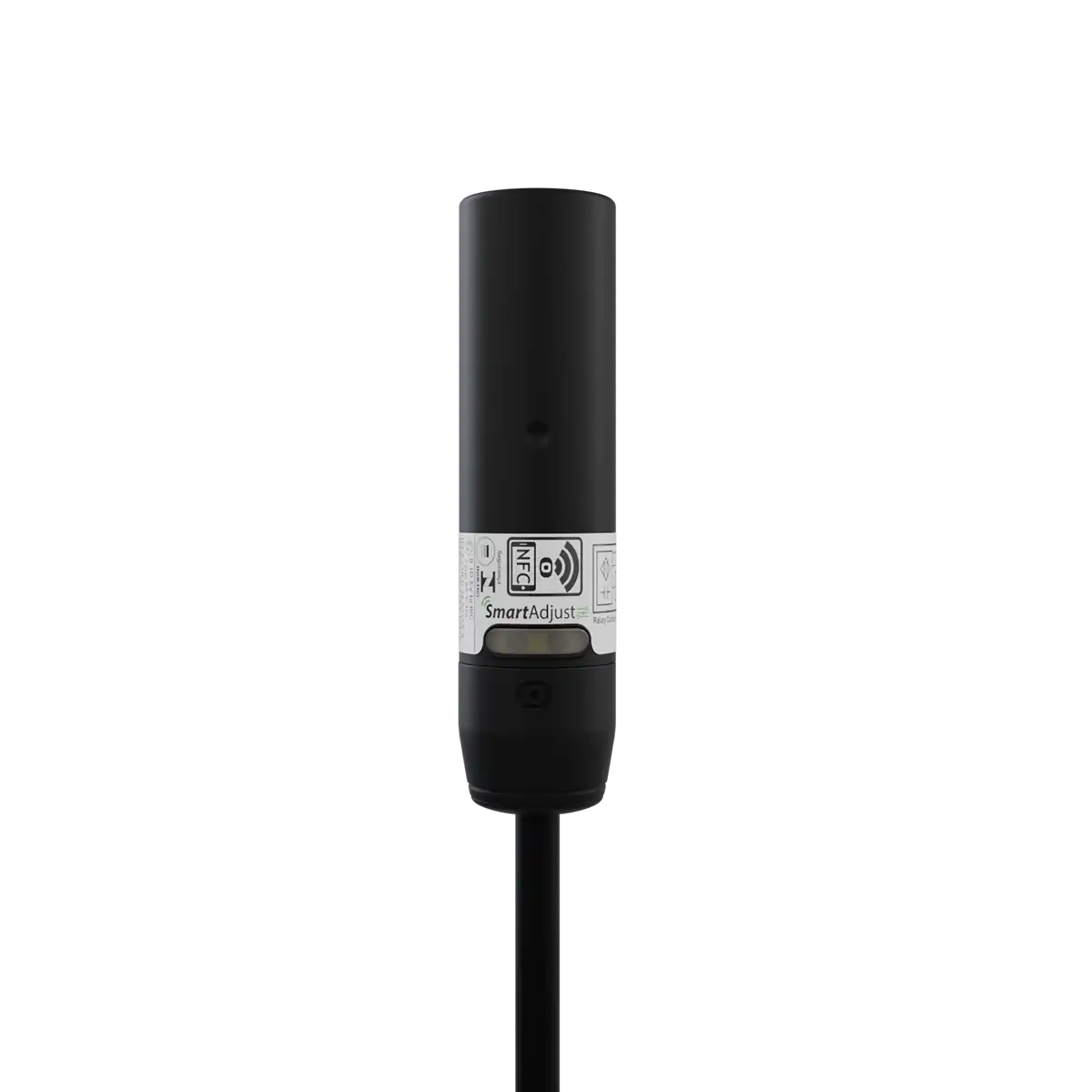
T-Piece

Mounting on pipes

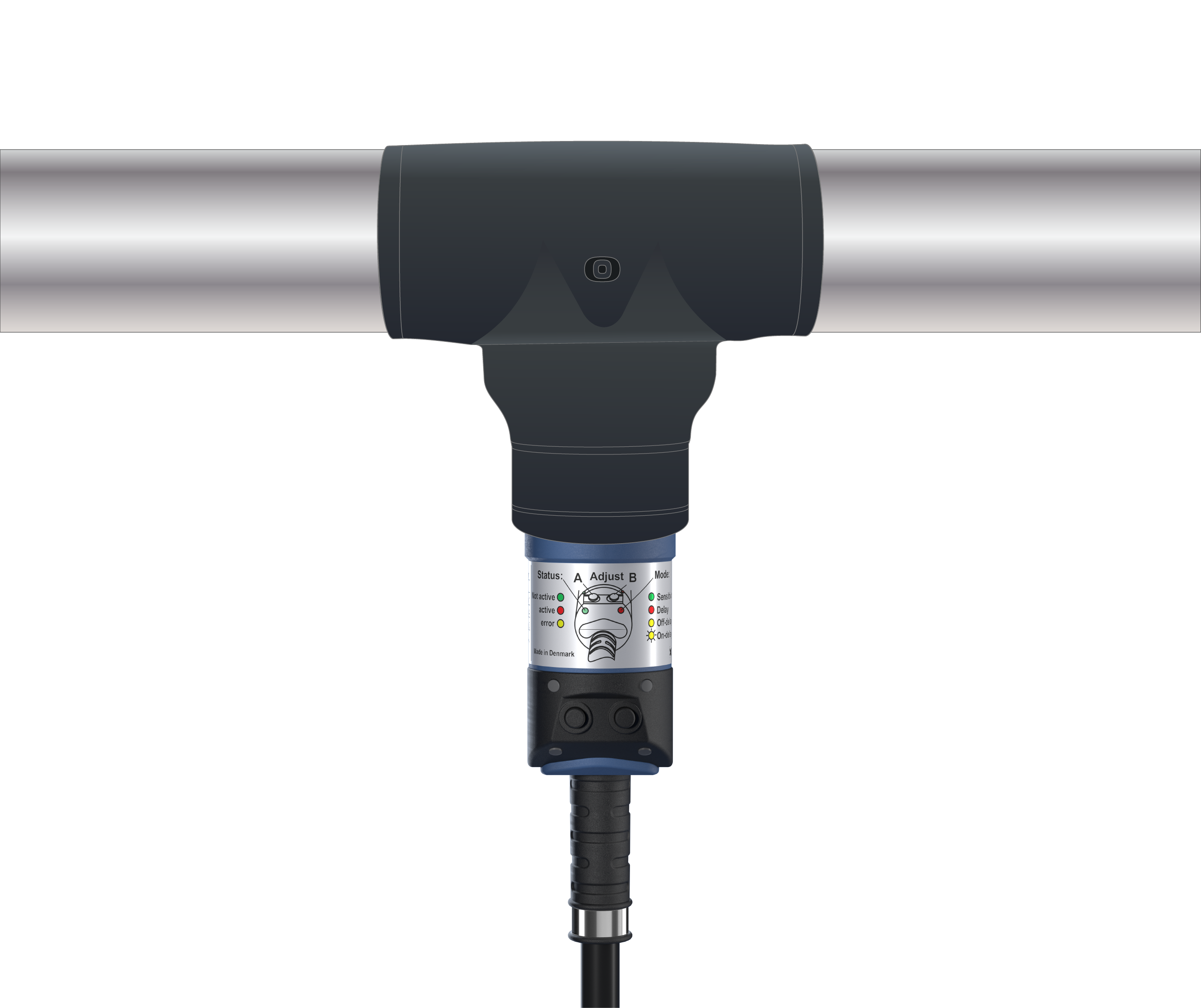
With our specially designed T-piece you can easily mount your capacitive sensors on a pipe.

We know that installing sensors on a pipe can be a bit tricky, which is why we designed the T-piece. The T-piece is made of flexible plastic to make it easier to fit on pipes between 40 and 60 mm. Since there are no metal parts on the T-piece, it lasts longer and there is no risk of rust.

The T-piece is designed for 30 mm capacitive sensors. The sensor can be mounted on plastic pipes with conveying system using only the T-piece and three zip ties which means that no screws or tools are required.

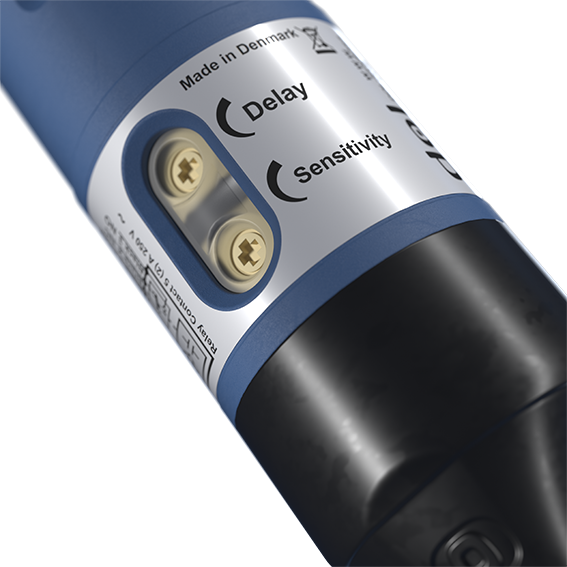
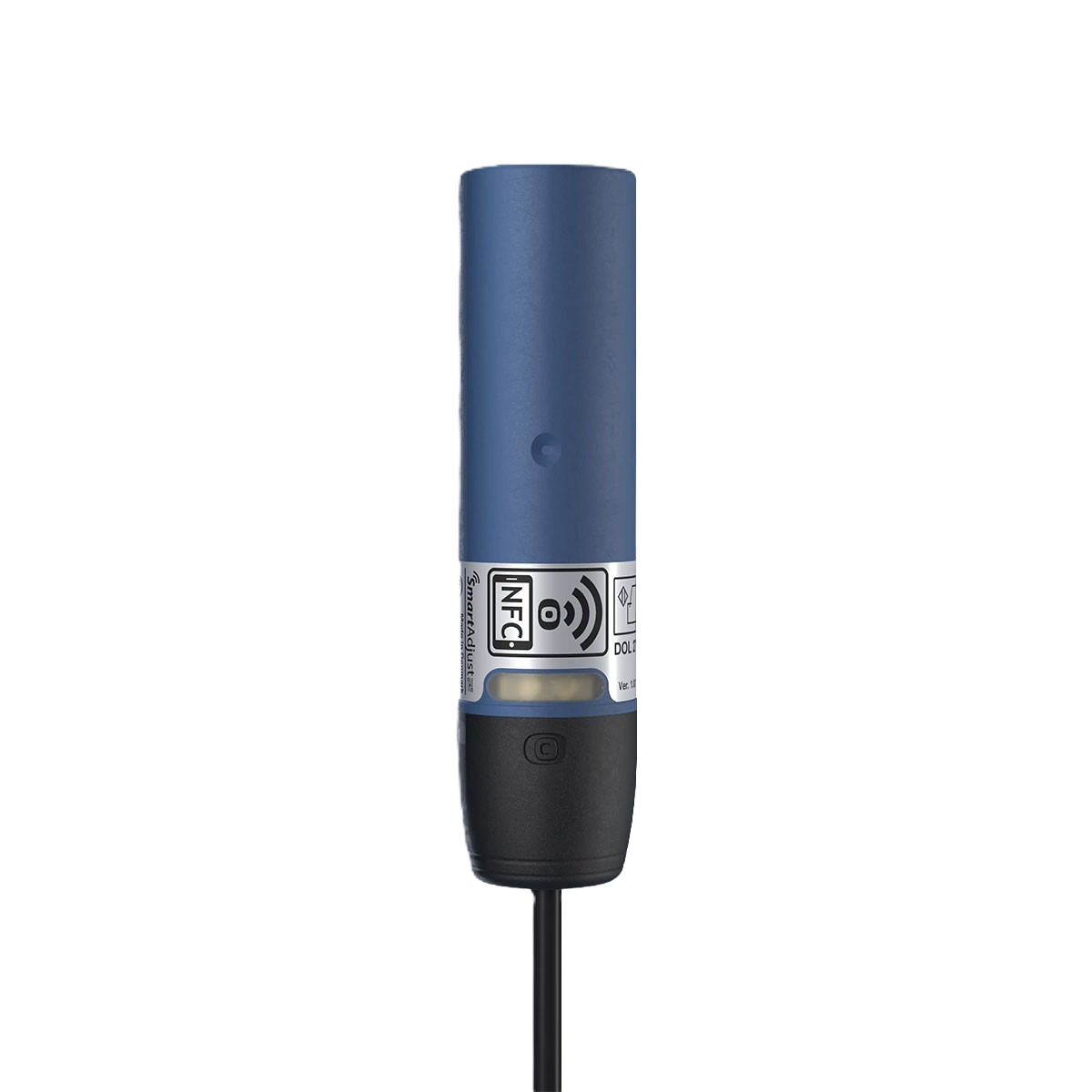
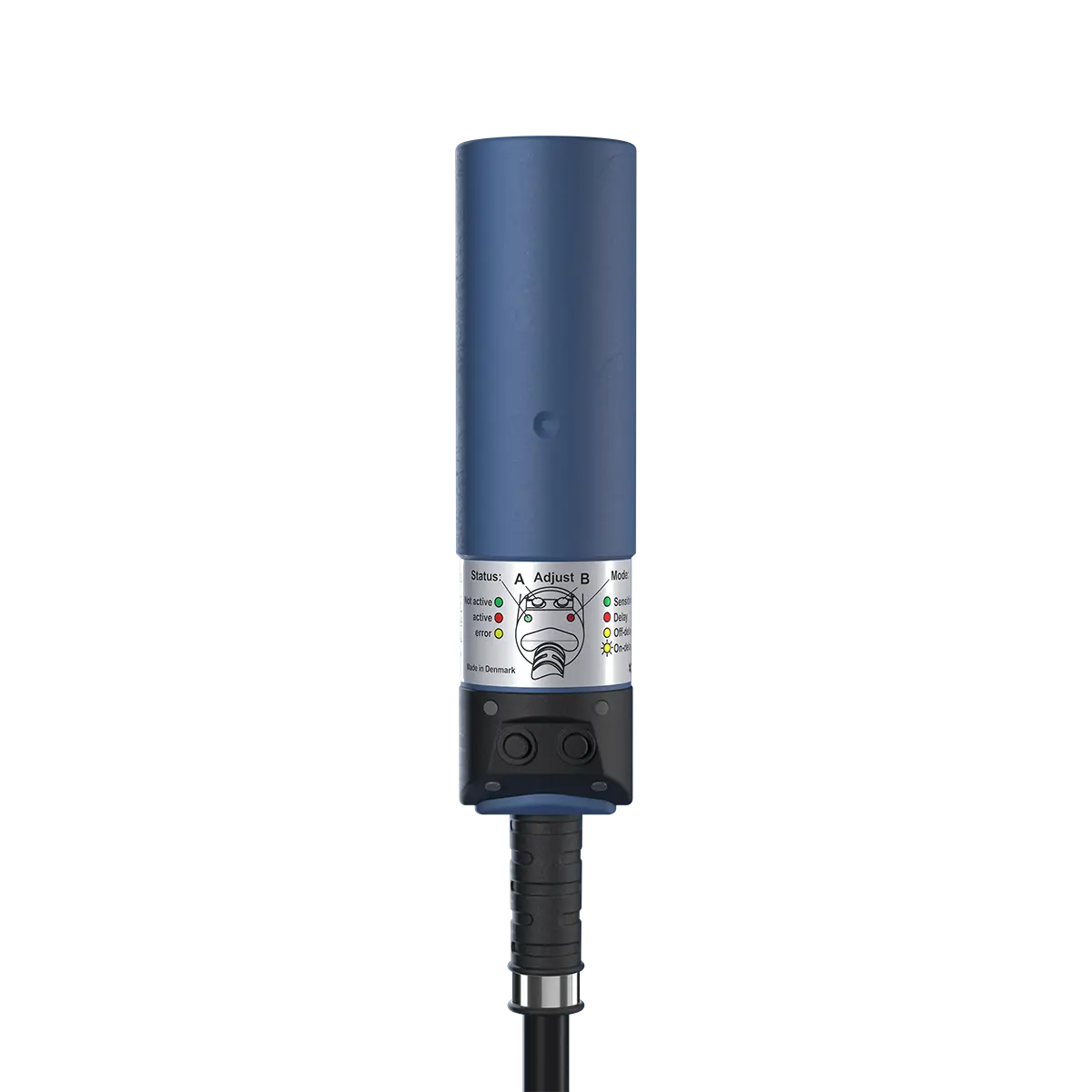
All sensor controls on DOL sensors remain fully accessible when installed in the T-piece, which means that the sensors can be adjusted without removing them.

Easy Sensor Mounting
Mount capacitive sensors quickly and securely on pipes without tools, screws, or complex alignment.

Benefits

  • Easy installation: Only 4 steps!
  • No allignment neccesary
  • No tools needed
  • Can be used on pipes between 40 and 60 mm
  • No metal parts = No rust
  • Adjust your sensors without removing them
  • No risk of damaging the sensor or pipe during installation

Normal Pipe Mounting

The normal pipe mounting options on the market are made of different compotents; a rubber grommet, a nut, a metal brackets, and two clamp bands. While installing the sensor you will have to be precise in terms of angle and there is a risk of damaging the sensor if tightened too much.

dol-sensors Easy Pipe Mounting

With our simple solution for pipe mounting there are only 4 steps for installing your 30 mm capacitive sensor on a pipe. Simply place the T-piece around the pipe on the desired place and tie it with two zip ties. Put the sensor inside the T-piece and secure it with a zip tie. No need for tools or alignment in a certain angle.

Our T-piece have no metal parts and thus do not rust.

Monitoring Systems in Livestock Production
Learn how continuous monitoring helps producers identify developing production challenges through changes in water consumption, growth performance and other key production indicators.

The future of livestock farming is data-driven. By turning accurate, real-time insights into actionable decisions, producers can improve animal health and welfare, optimize performance, and build more sustainable operations. Data is becoming the foundation for smarter farming and a more resilient future.

Why Traditional Monitoring Is No Longer Enough

For generations, livestock management has relied heavily on visual observations and routine inspections. Experienced farmers can often identify changes in animal behavior, health, or performance through daily interactions with their animals.

However, modern livestock operations are becoming larger and more complex. Managing hundreds or thousands of animals makes it increasingly difficult to detect subtle changes that may indicate health issues, stress, or production inefficiencies.

Many problems develop gradually and may not become visible until they have already affected animal welfare or farm performance. Delayed detection can result in increased treatment costs, reduced productivity, and preventable losses.

Monitoring systems help bridge this gap by providing continuous observation and objective data that support faster and more informed decisions.

Key Areas Where Sensors Make the Biggest Impact

Robust Sensors
Learn how continuous monitoring helps producers identify developing production challenges through changes in water consumption, growth performance and other key production indicators.

Built For Harsh Environments

All our sensors are thoroughly tested to ensure they withstand the harsh conditions in livestock houses.

The hardened designs and special features make the sensors last longer and stay functional and accurate.

For example:

A lot of our sensors are IP 67 protected, which means that they withstand dust and water.

The iDOL 46 ATEX sensor is an ATEX approved sensor for potential explosive dust atmospheres.

What Bird Movements Tells You About Barn Conditions
Learn how continuous monitoring helps producers identify developing production challenges through changes in water consumption, growth performance and other key production indicators.

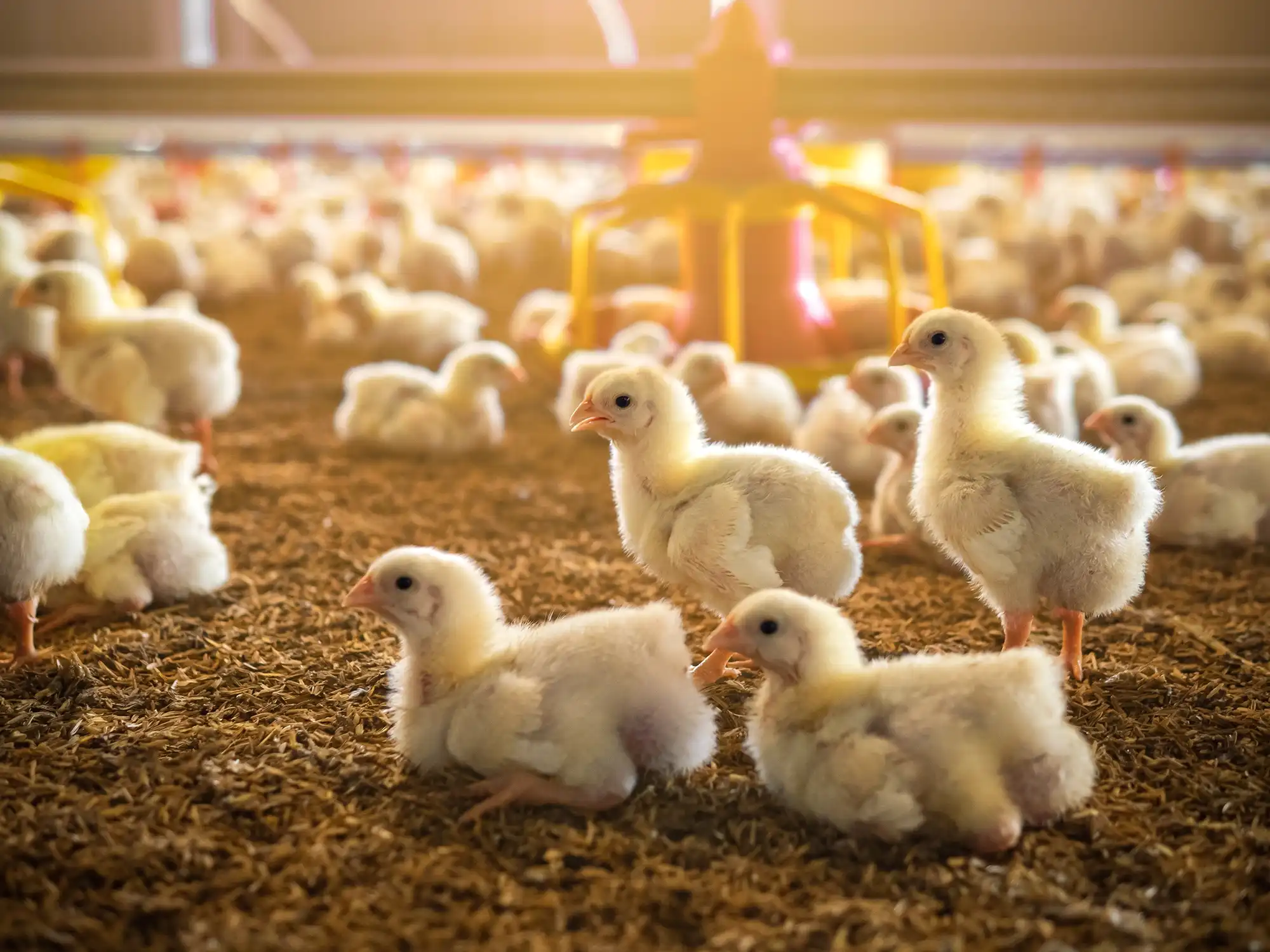
Birds are constantly communicating through their movement. Where they choose to rest, how actively they explore the barn, and when they cluster or avoid certain areas all provide valuable clues about comfort, climate, and welfare. While producers often rely on visual checks, many early warning signs are subtle - and easy to miss without understanding what bird traffic is telling you.

A closer look at movement patterns can reveal hidden climate issues, equipment problems, or welfare risks long before they show up in performance data.

How Climate Shapes Bird Movement

Birds respond immediately to changes in temperature, humidity, airflow, and air quality. Even small deviations can shift their behavior.

  • Temperature gradients cause birds to cluster in warm zones or avoid cold drafts.
  • Humidity pockets lead to wet litter, which birds avoid - creating uneven distribution.
  • CO₂ buildup makes birds sleepy and reduces activity in affected areas.
  • Poor airflow creates "dead zones" where birds rest more and eat less.

Movement patterns often reveal these issues before sensors or staff detect them visually.

Clustering as an Early Warning Sign

Clustering is one of the largest indicators that something is off in the barn environment.

  • Birds may cluster under heaters if temperatures are too low.
  • They may crowd away from walls if drafts or cold air leaks are present.
  • Uneven light distribution can also cause birds to avoid darker areas.

Understanding why clustering occurs helps producers correct the underlying issue quickly.

Flock uniformity  

Uniform flocks grow better and are easier to manage. Birds need the same climate conditions - temperature, humidity, and air velocity - to stay aligned. Any variation creates hot spots, drafts, or wet areas that shift behavior and growth. Consistent daily access to feed and water is just as important, ensuring every bird develops at the same pace.

Selected Sensors

Documents

English
Technical User Guide
DOL 45R-T_Technical User Guide_EN
English
Leaflet
T-Piece Leaflet

Join our newsletter

Stay ahead in livestock production.

Join our newsletter and get industry insights, expert perspectives, and practical strategies for optimizing performance and efficiency.