Reliable Feed Supply In Poultry Production

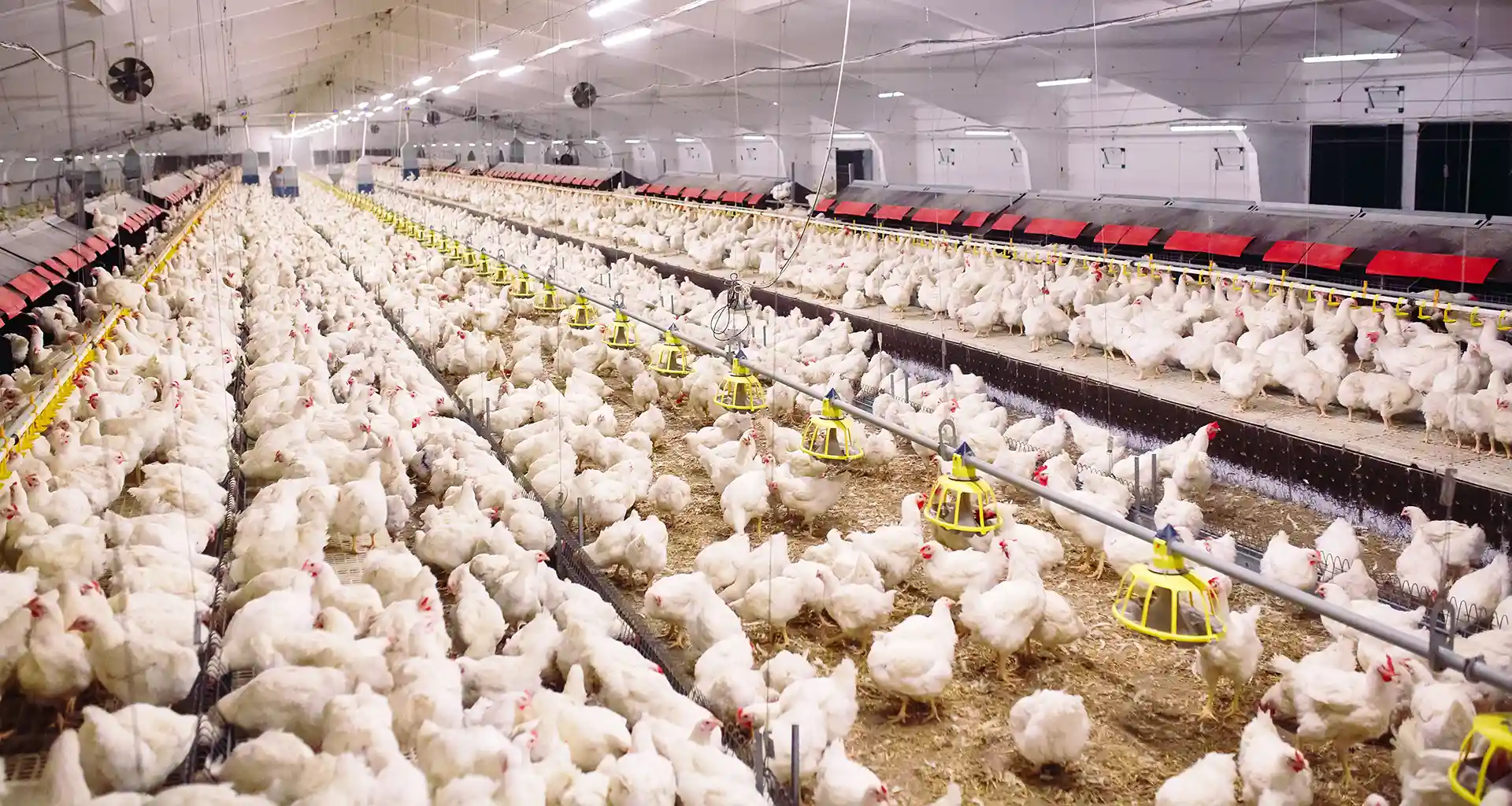
In poultry production, feed supply is the process of providing essential nutritional components to birds, such as chickens, turkeys, and ducks. Ensuring a consistent and reliable feed supply is crucial for efficient poultry production, animal health, and welfare.

The Use of Capacitive Sensors in Poultry Feed Supply

Capacitive sensors, which measure the capacity of materials to store an electrical charge, can significantly enhance the efficiency of feed supply in poultry production. These sensors can detect changes in capacitance, aiding in precise feed management.

Maintain Consistent Feed Supply While Reducing the Costs
Discover how capacitive sensors help maintain consistent feed supply, improve efficiency, and support poultry welfare.

Applications of Capacitive Sensors in Poultry Feed Management

These sensors can monitor raw material levels in storage facilities like bins and silos, helping to avert feed shortages and maintain continuous production. They also track the flow rate of feed materials through conveyors, optimizing the supply rate and preventing excess or deficiency in feed distribution.

Benefits of Capacitive Sensors in Poultry Production

Utilizing capacitive sensors can streamline poultry feed supply, reduce operational costs, and minimize production disruptions. These sensors are an effective tool for monitoring and managing feed flow, ensuring optimal production levels are maintained.

Impact on Poultry Welfare

Inconsistent feed supply, due to unreliable sensors, can lead to overfeeding or underfeeding. Overfeeding increases production costs and can cause health issues in birds, while underfeeding affects growth, welfare, and can lead to increased mortality. Hence, robust capacitive sensors are vital for maintaining animal welfare and production efficiency.

Different Outputs of Capacitive Proximity Sensors

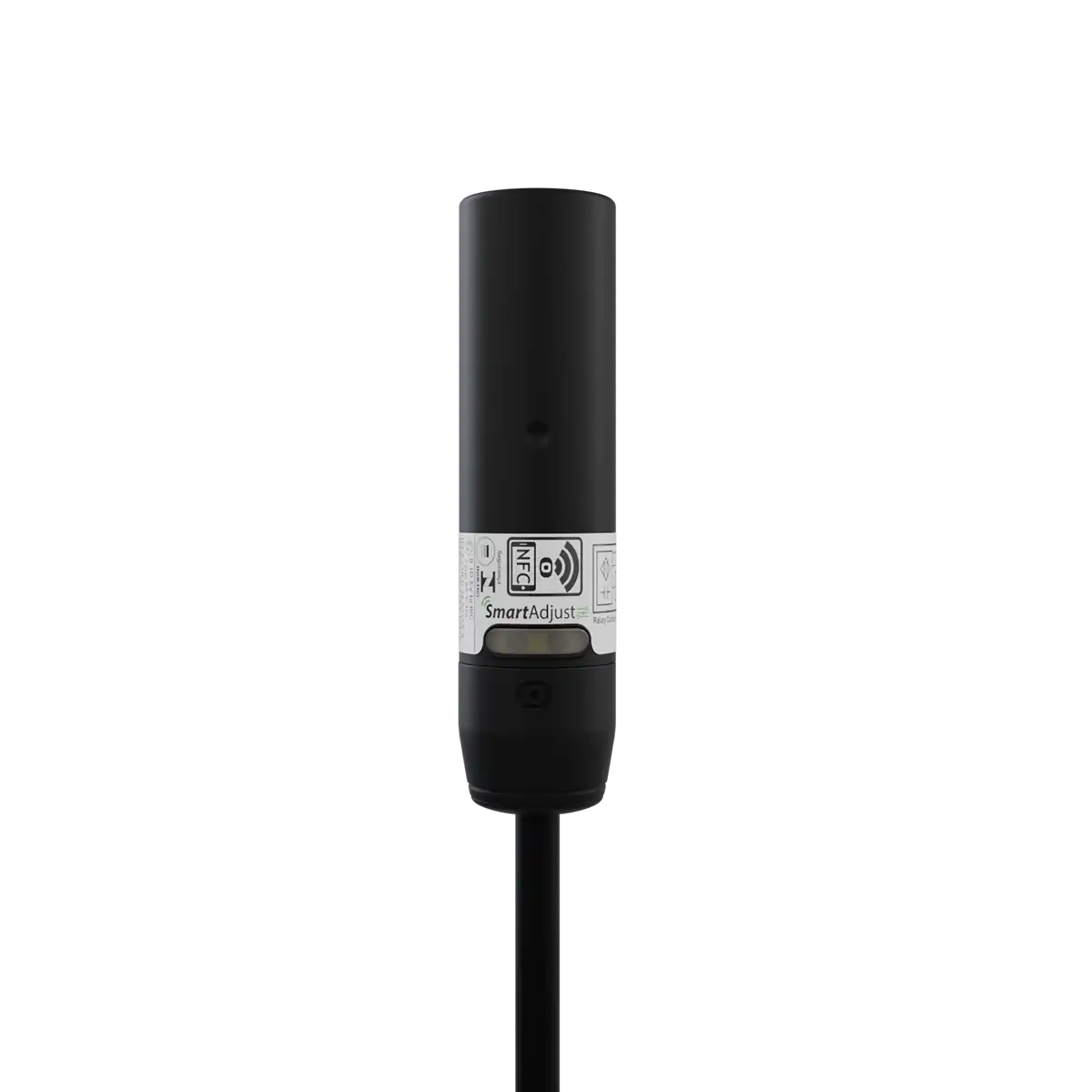
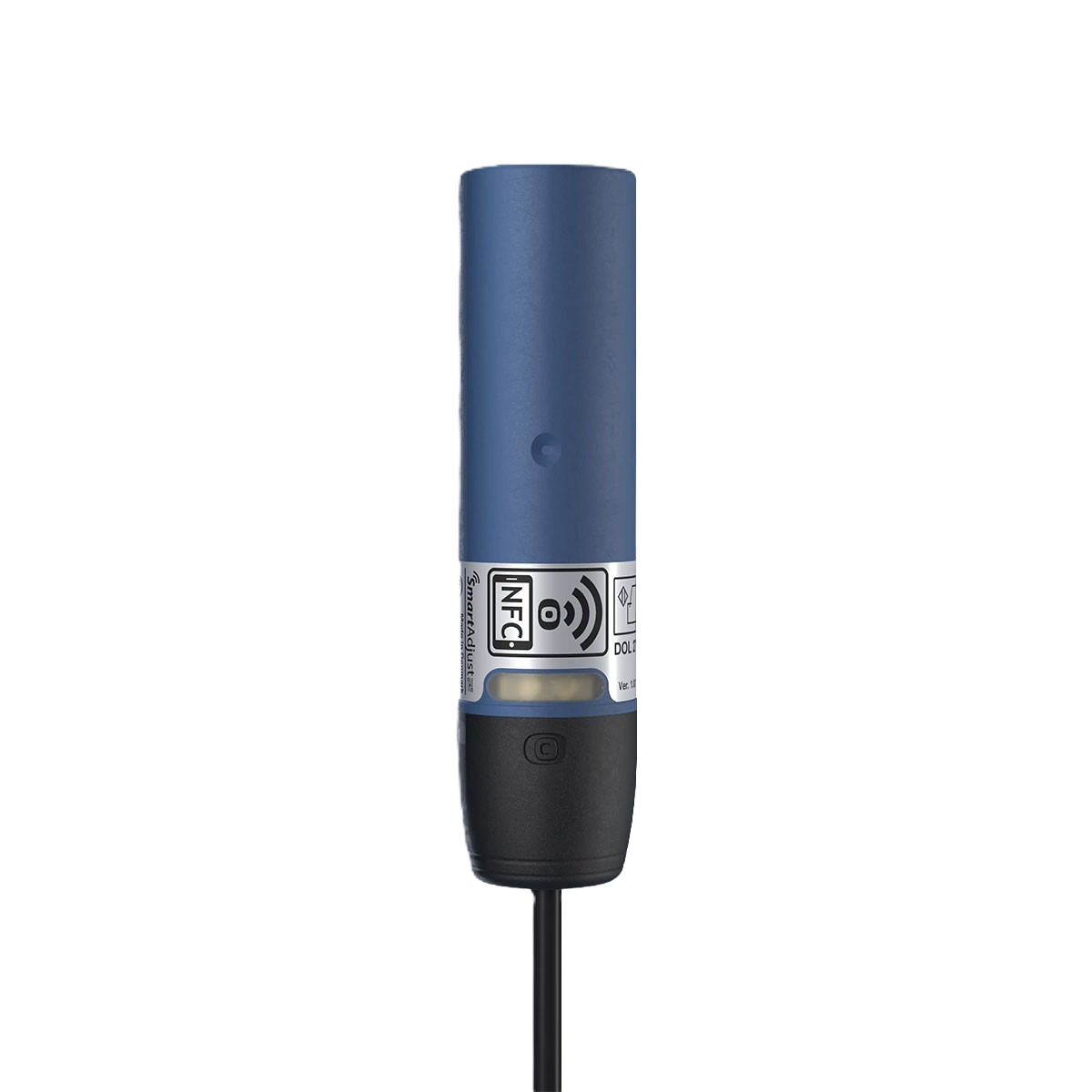
dol-sensors’ capacitive proximity sensors are available in various outputs: Relay, PNP, NPN, and SCR, each suited for different aspects of poultry feed management.

Relay Output Sensors

These sensors, like the DOL 44, DOL 41, DOL 43, DOL 45, and iDOL 46 ATEX, are ideal for managing feed systems or small motors. They detect material presence and signal feed systems to regulate flow. The DOL 44, for instance, is adjustable for precise feed control.

PNP and NPN Output Sensors

The DOL 26 and DOL 27 models with PNP and NPN outputs are suitable for controlling industrial or custom feed supply systems, offering efficient low-voltage operation.

SCR Output Sensors

SCR output sensors, such as DOL 20, DOL 26, and DOL 27, are power-saving options used for feed management switches.

Adjusting Sensors with the SmartAdjust App

The SmartAdjust App allows for easy adjustment of iDOL sensors, offering a range of settings to optimize sensor performance in poultry feed supply systems.
How to Reduce Feeding Costs
Learn how continuous monitoring helps producers identify developing production challenges through changes in water consumption, growth performance and other key production indicators.

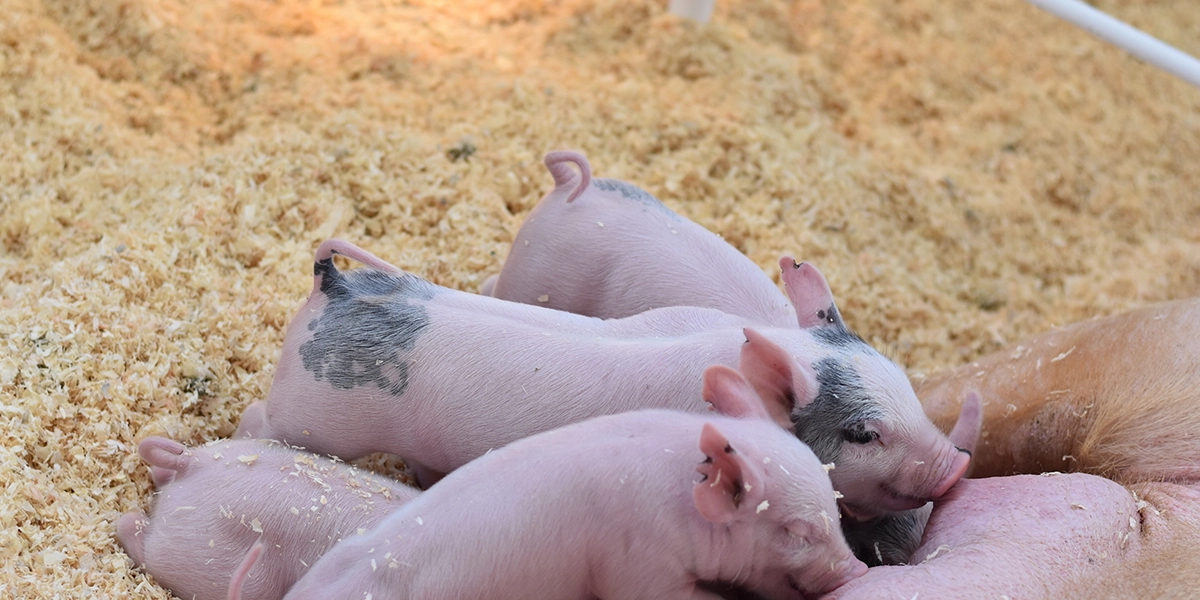
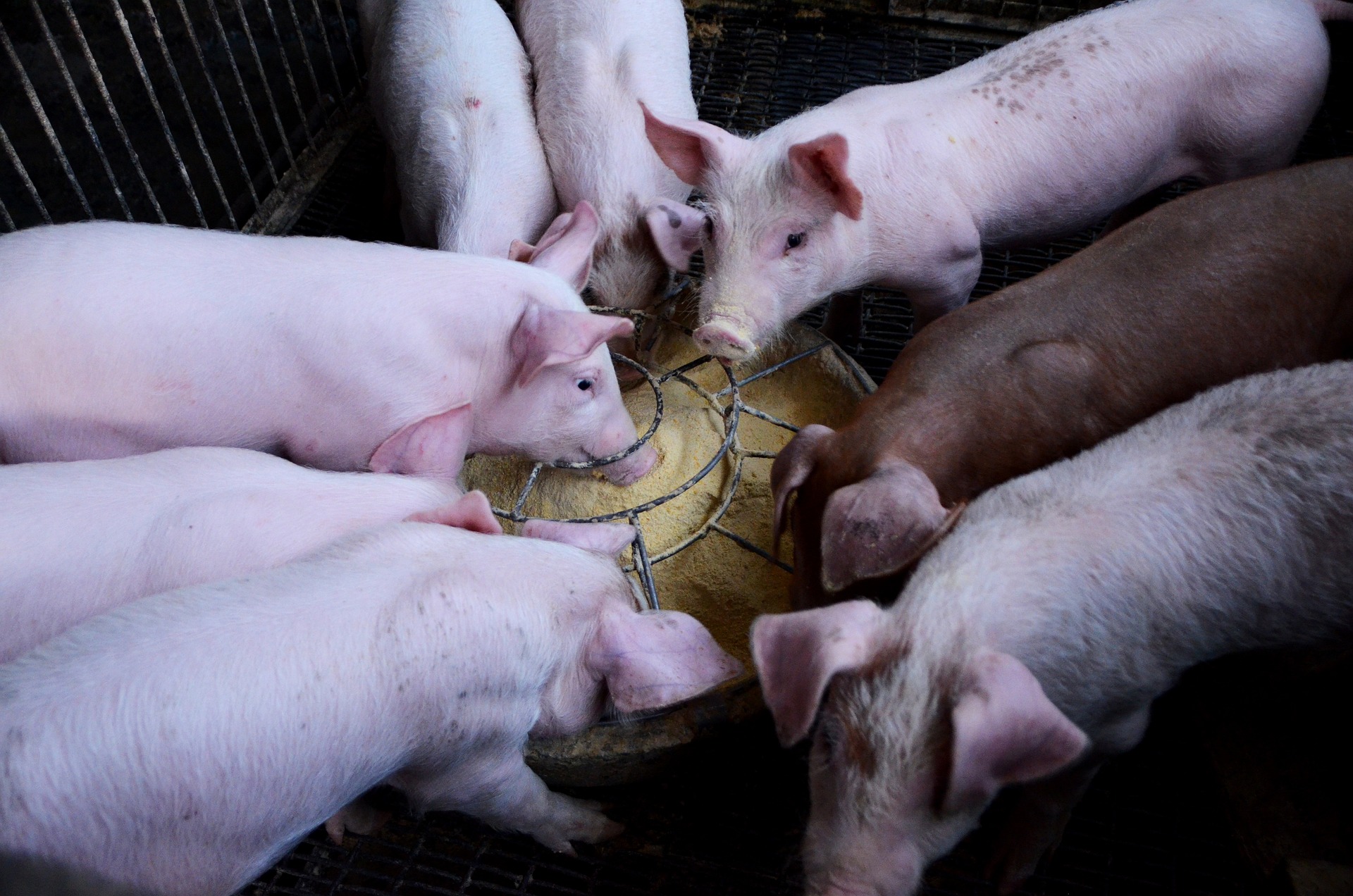
Feed is the single largest expense in pig production, often accounting for 60–70% of total production costs. Managing feed efficiency and cost is therefore critical to improving profitability and long-term sustainability. Below are five expert strategies that can help producers reduce feed costs without compromising growth performance or animal health.

1. Work with Feeding Specialists to Optimize Feed Formulation

Collaborating with a qualified animal nutritionist or feeding specialist is one of the most effective ways to reduce feed costs while maintaining optimal pig performance. These professionals have the technical expertise and access to formulation software that can balance diets precisely for energy, amino acids, vitamins, and minerals — all while minimizing unnecessary expenses.

A feeding specialist can:

  • Design least-cost rations based on the latest ingredient prices and availability, ensuring that every nutrient requirement is met efficiently.
  • Identify cost-effective ingredient substitutions, such as incorporating alternative protein or energy sources that maintain performance but reduce costs.
  • Provide ongoing feed evaluations and adjustments as pigs grow or as market conditions change, preventing over- or under-feeding.

By investing in professional feed advice, producers often achieve better feed efficiency, improved growth rates, and significant savings — results that far outweigh the cost of consultation.

2. Implement Phase Feeding Programs

Pigs have different nutrient requirements at each stage of growth. Feeding a single diet throughout the production period often results in nutrient wastage.

  • Phase feeding involves dividing the growth period into several phases, each with a diet precisely matched to the pigs’ needs.
  • Moving from a two-phase to a four-phase feeding program can reduce feed costs by 3–5% while maintaining growth performance.
  • Split-sex feeding can further enhance efficiency, as barrows and gilts have different nutrient requirements.

Improving feed efficiency requires continuous insight into both animal performance and barn conditions. Learn more about getting control in your pig production.

3. Improve Nutrient Utilization with Feed Additives

Enhancing the digestibility and absorption of nutrients is a practical way to lower overall feed costs. Feed additives such as enzymes, probiotics, and organic acids can help pigs make better use of the nutrients already present in their diets, reducing the need for expensive ingredients.

  • Enzymes can increase the availability of nutrients like phosphorus, protein, and energy from plant-based ingredients.
  • Probiotics and other gut health enhancers support a balanced intestinal environment, improving feed conversion and reducing the incidence of digestive problems.
  • Organic acids can help maintain feed hygiene and promote optimal digestion, particularly in young pigs.

By improving nutrient utilization, these additives help maximize the value of every kilogram of feed, supporting both performance and profitability.

Feed and Gut Health: The Foundation of Strong, Active Pigs
Learn how continuous monitoring helps producers identify developing production challenges through changes in water consumption, growth performance and other key production indicators.

Healthy pigs start with a healthy gut. When digestion works smoothly and nutrients are absorbed efficiently, pigs grow faster, stay more resilient, and remain active throughout the production cycle. Gut health is one of the biggest drivers of performance, and one of the easiest to overlook.

Why Gut Health Shapes Performance

Feed Quality Sets the Tone

Balanced protein, the right fiber levels, and consistent feed structure all support stable digestion. Clean water and high-quality raw materials help pigs maintain a healthy gut and steady appetite.

How Staffing Challenges Affect Modern Pig Farming
Learn how continuous monitoring helps producers identify developing production challenges through changes in water consumption, growth performance and other key production indicators.

Modern pig farming depends heavily on a reliable workforce, yet many farm managers struggle to attract and keep staff. These shortages affect productivity, animal welfare, and long-term sustainability.

Why Labor Shortages Happen

  • Rural depopulation reduces the pool of available workers
  • Demanding working conditions - long hours, physical tasks, and weekend work - discourage applicants
  • Competition from other industries offering higher pay or easier jobs
  • Rising skill requirements as farms adopt more technology and stricter biosecurity

How Staffing Problems Affect Farm Operations

Lower Productivity

When there aren't enough workers, essential tasks may be rushed or skipped. This can lead to slower growth, higher mortality, and reduced efficiency.

Animal Welfare Risks

Understaffing means less time for monitoring animals, spotting illness early, or maintaining clean pens. Welfare issues can quickly escalate and affect meat quality and farm reputation.

Weaker Biosecurity

Strict hygiene and disease-prevention routines require time and attention. Staffing gaps increase the risk of disease outbreaks, which can be financially devastating.

Higher Costs

Labor shortages often force farm managers to pay higher wages, rely on temporary workers, or invest in automation - increasing overall production costs.

Selected Sensors

Documents

English
Technical Information
DOL 40 series_DOL 41-43-45_Technical Information_EN
English
Technical User Guide
T-bracket for Sensor TUG_EN_604169
English
Technical Information
iDOL 46 ATEX_Technical Information_EN
English
Technical Information
DOL 20R_Technical Information_EN
English
Technical Information
DOL 44_DOL 44R and iDOL 44R_Technical Information_EN
English
Technical Information
DOL 27 iDOL 27 Technical Info_EN

Join our newsletter

Stay ahead in livestock production.

Join our newsletter and get industry insights, expert perspectives, and practical strategies for optimizing performance and efficiency.